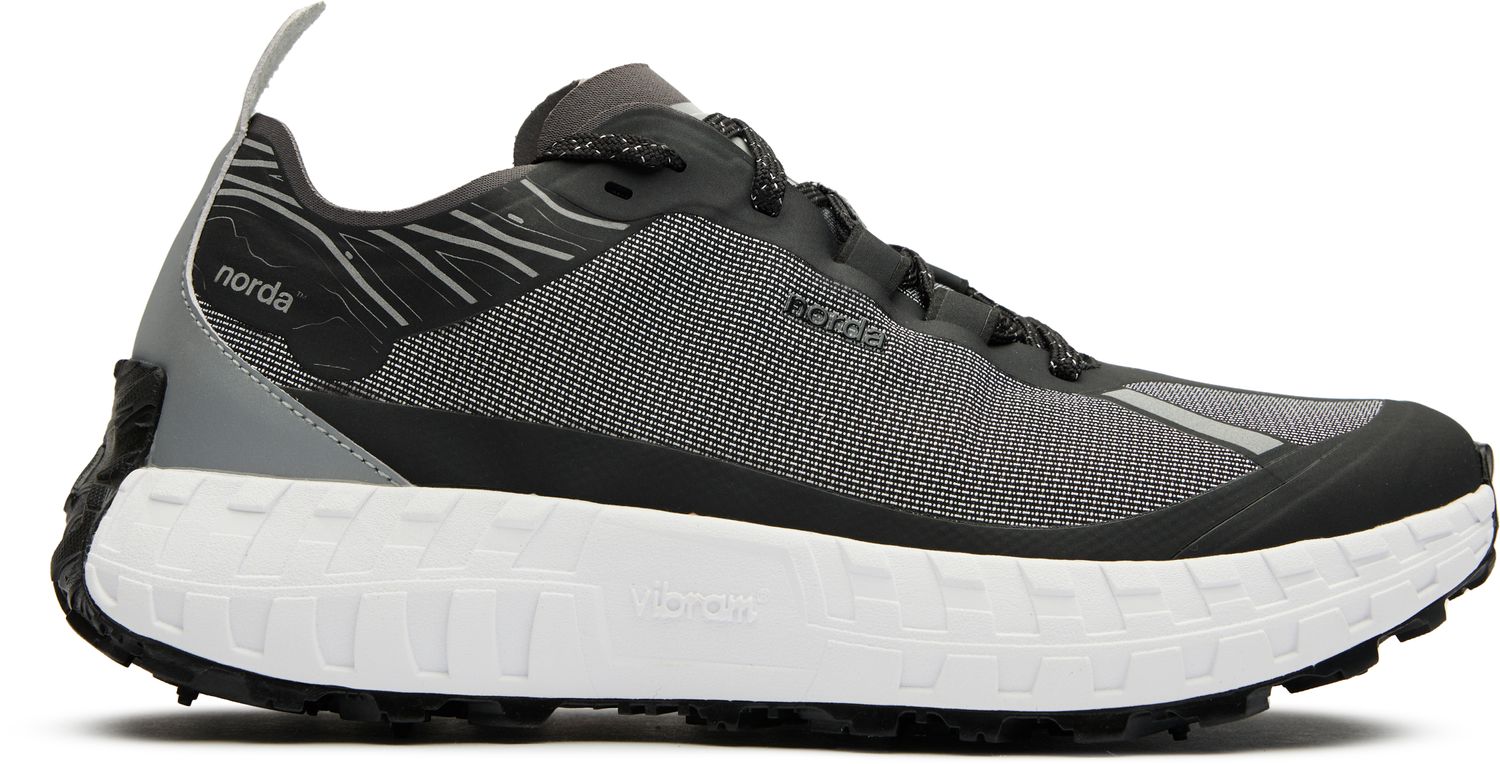
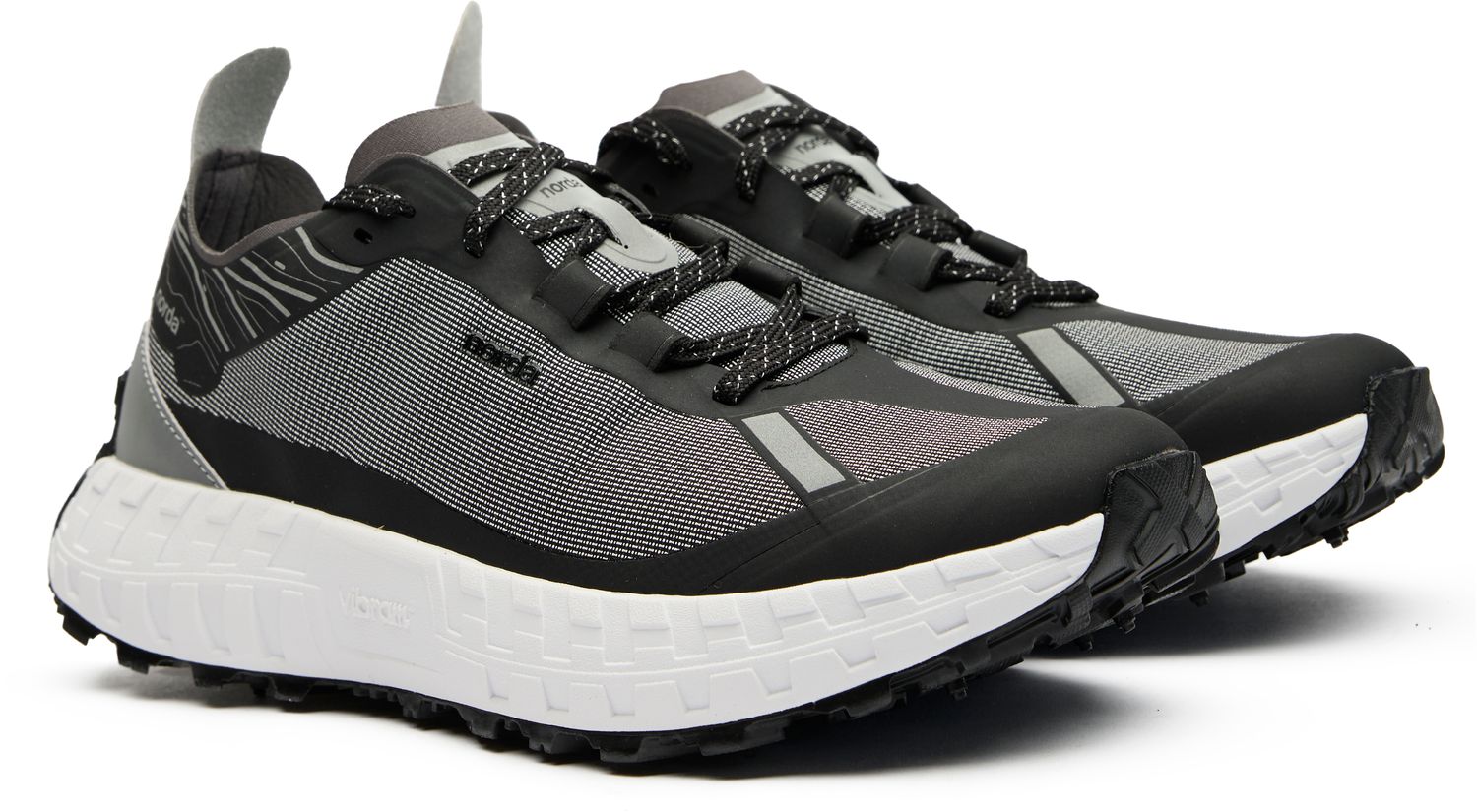
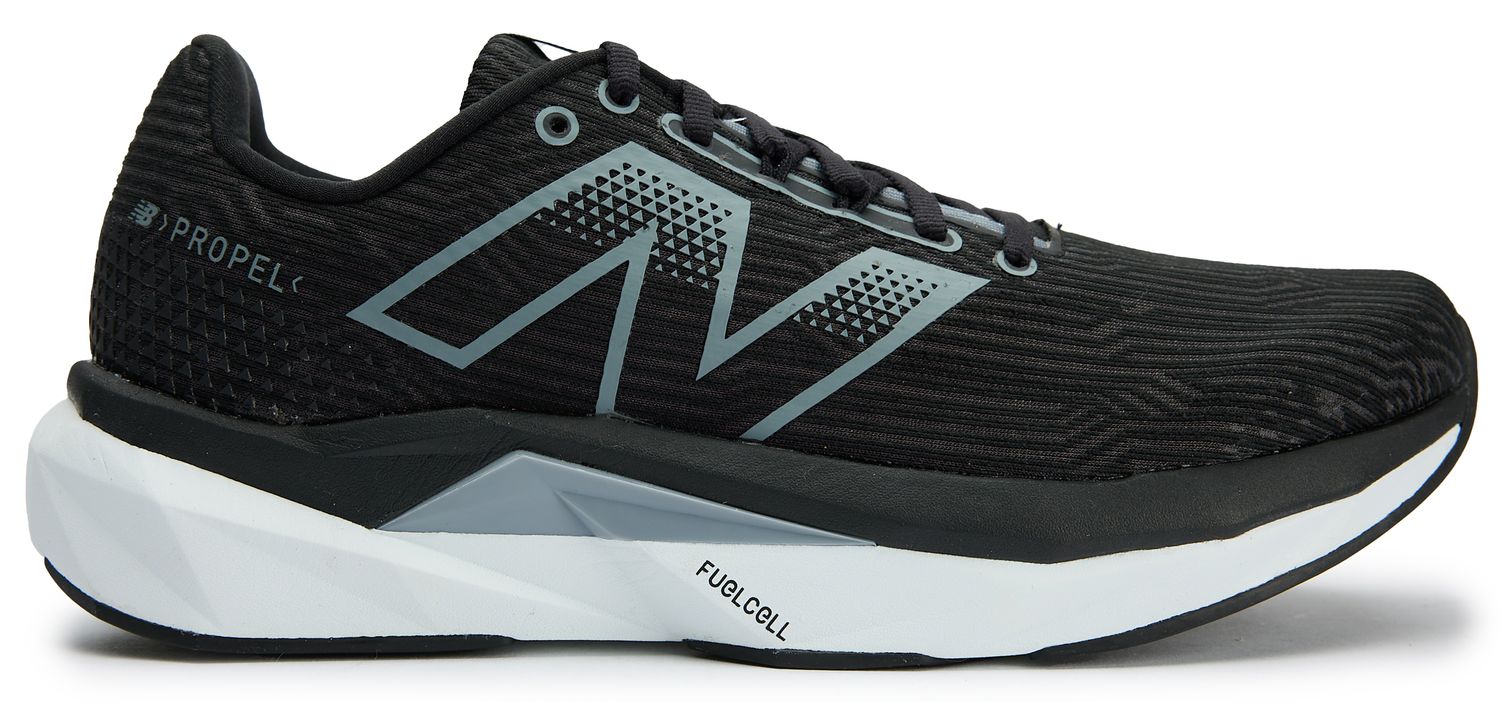
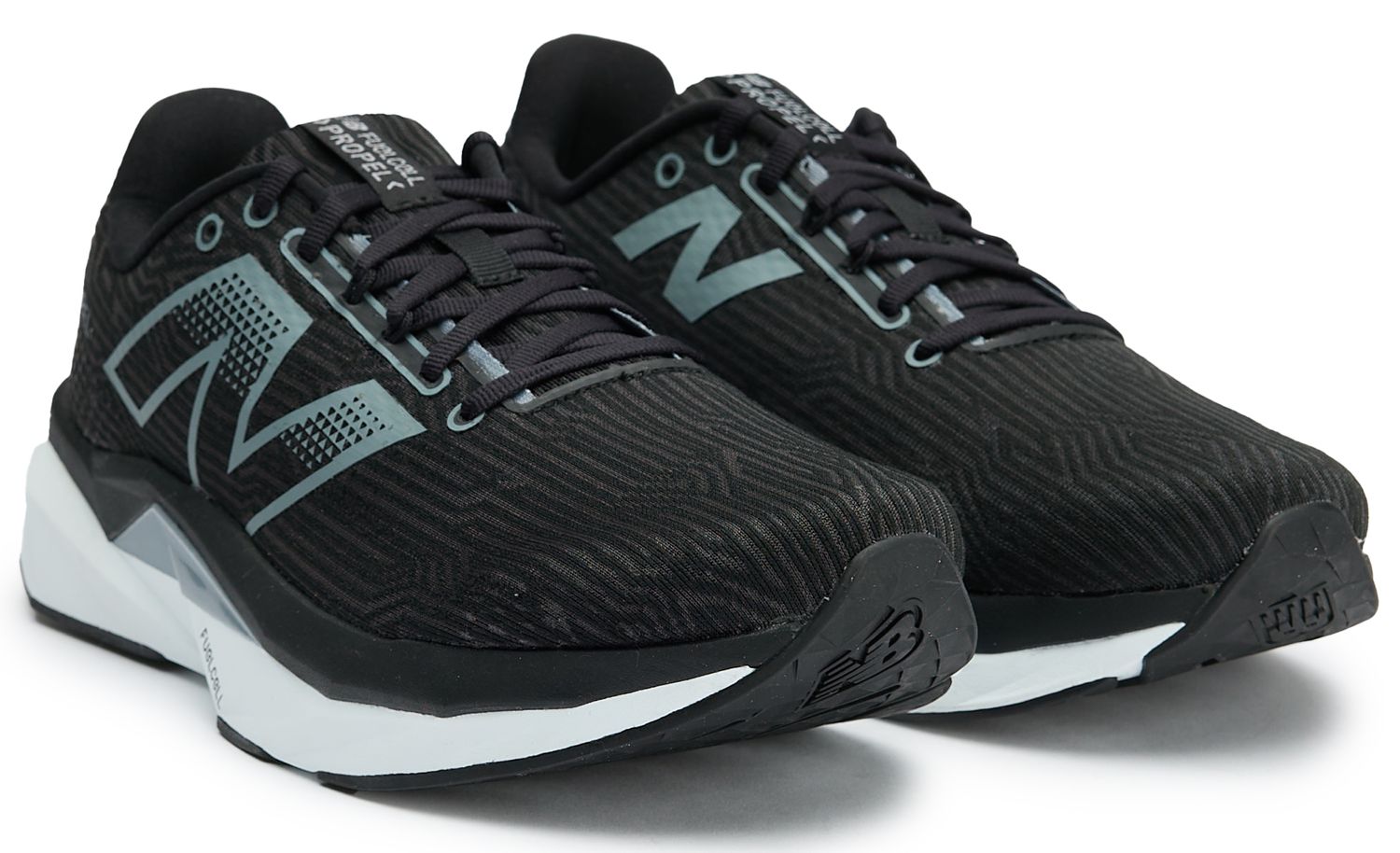
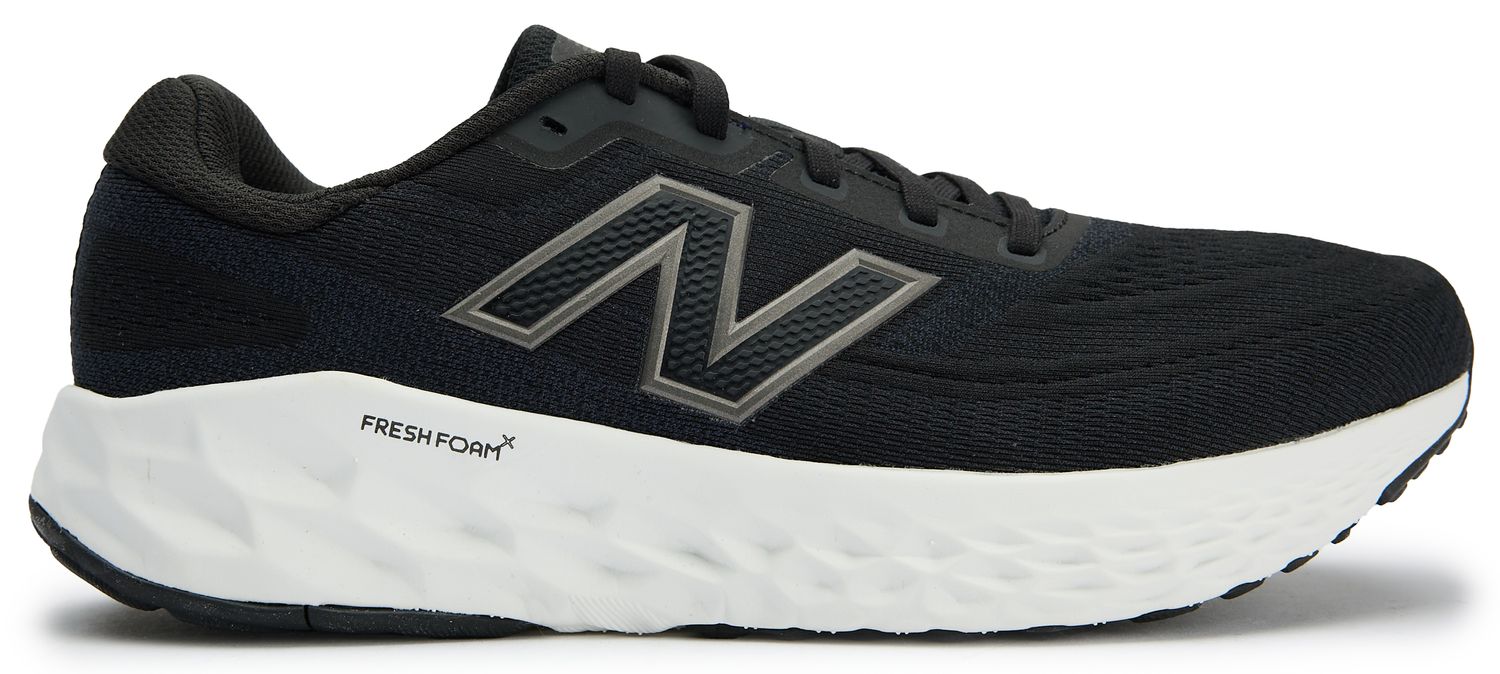
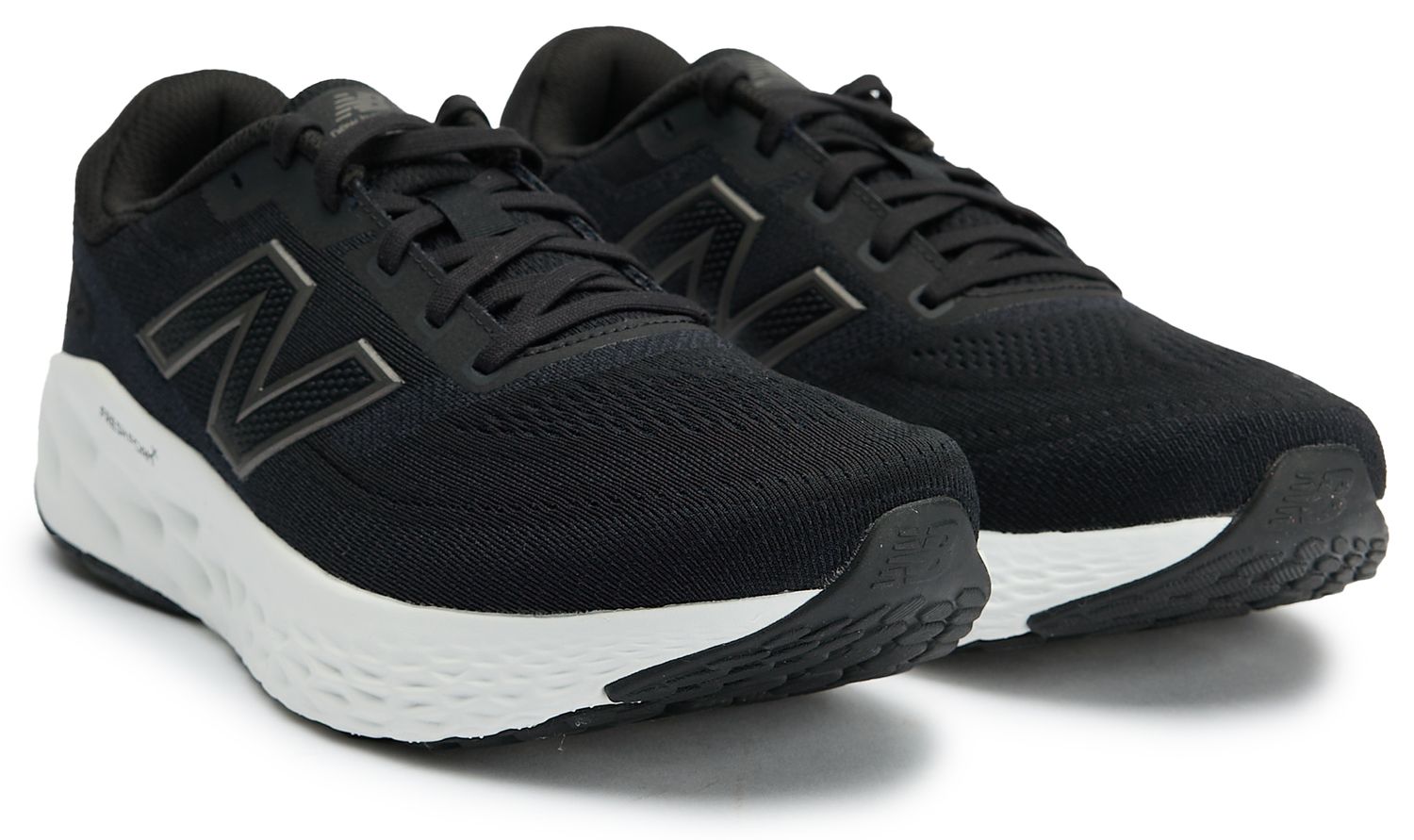
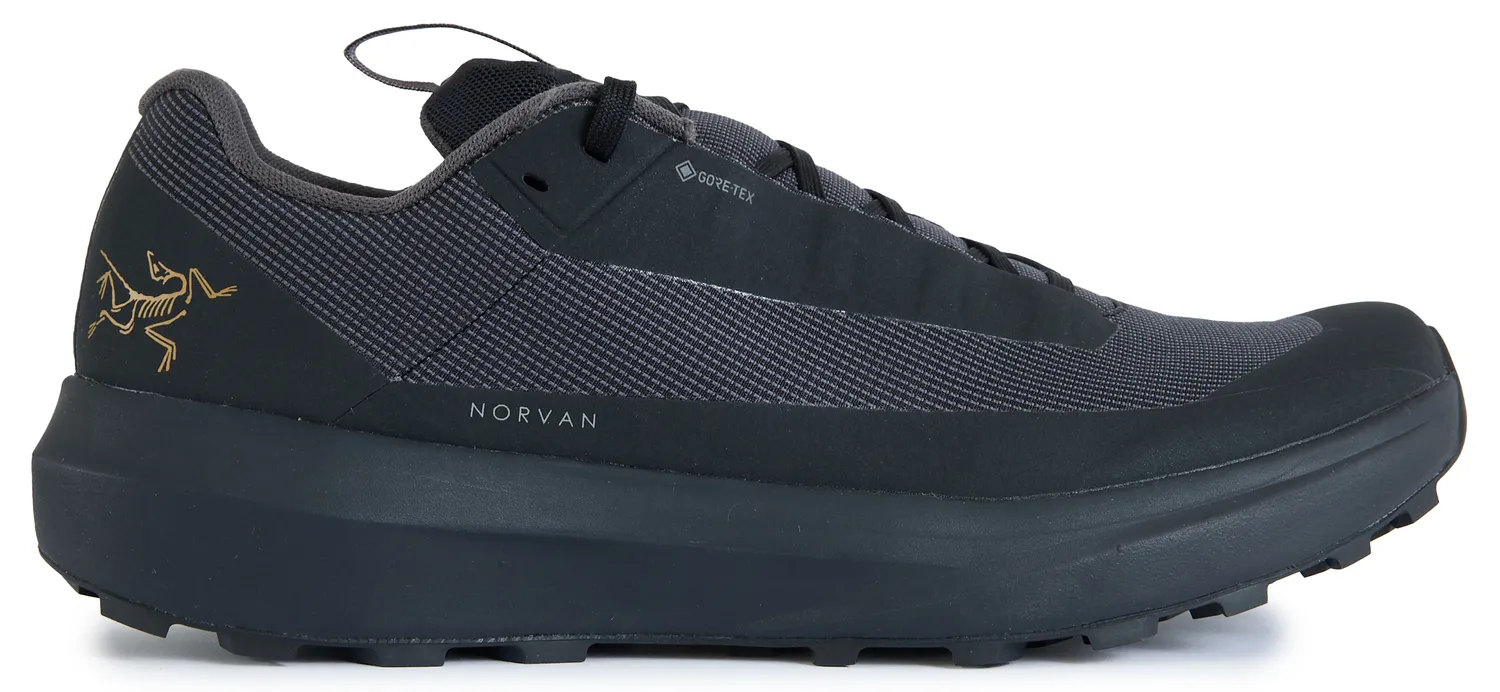
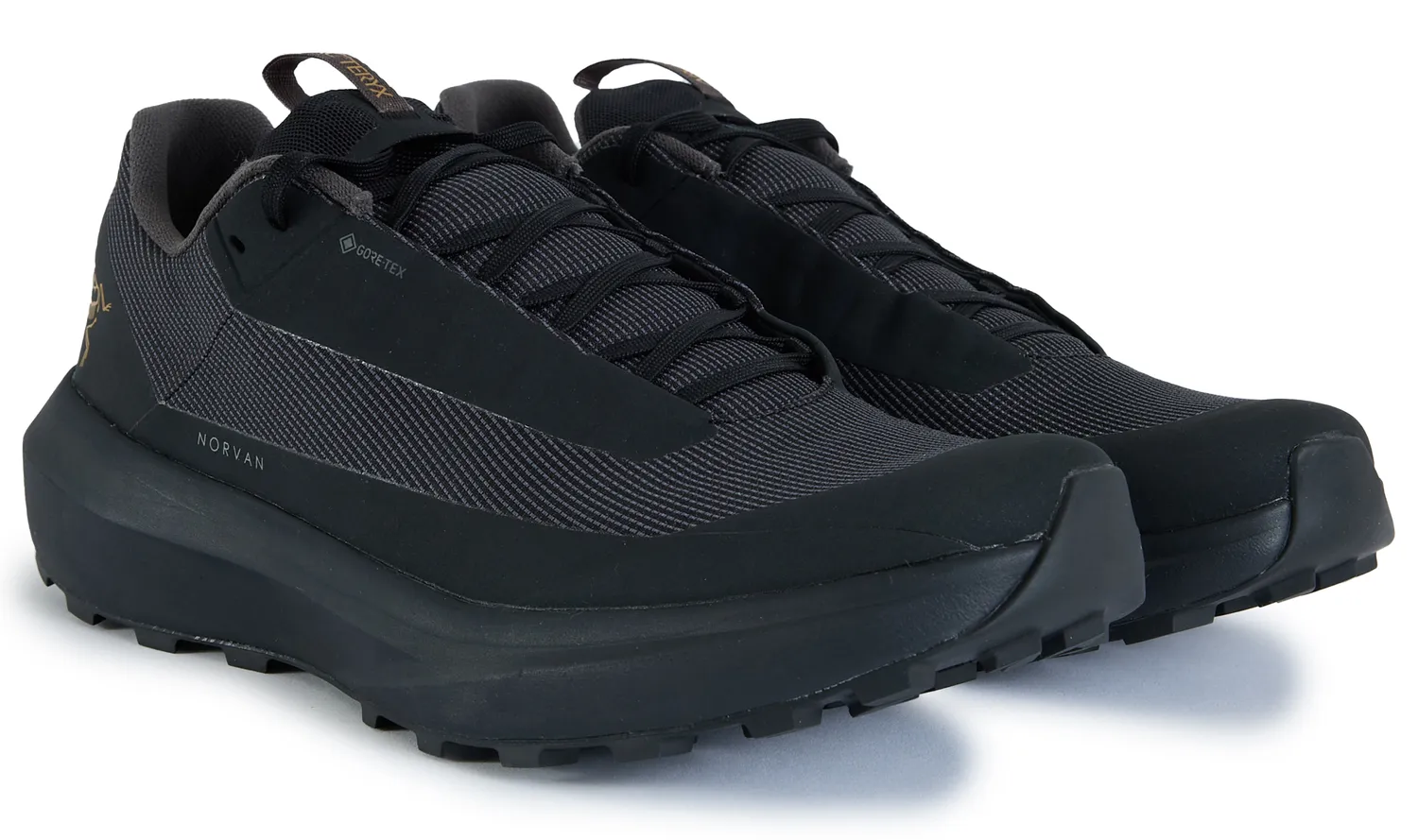
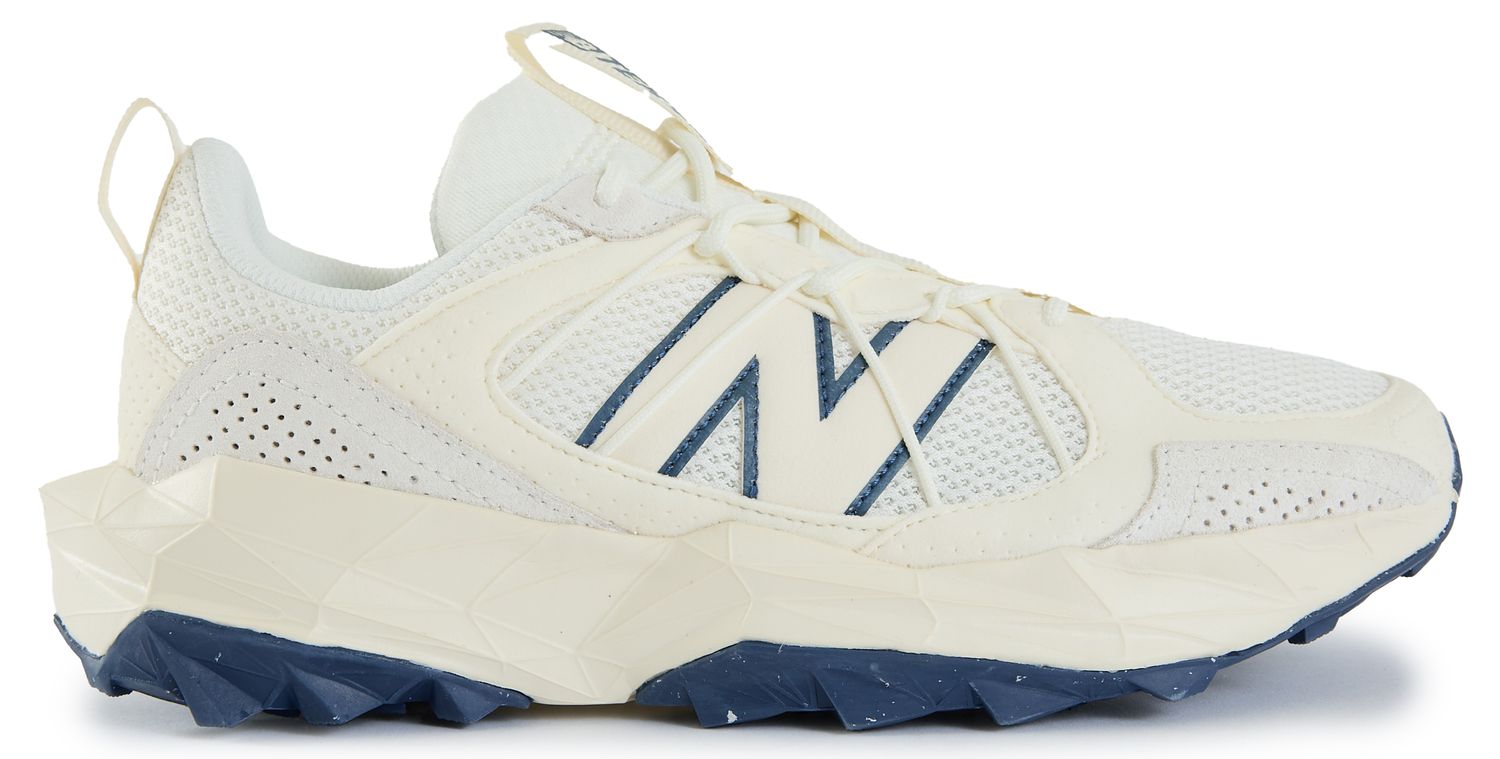
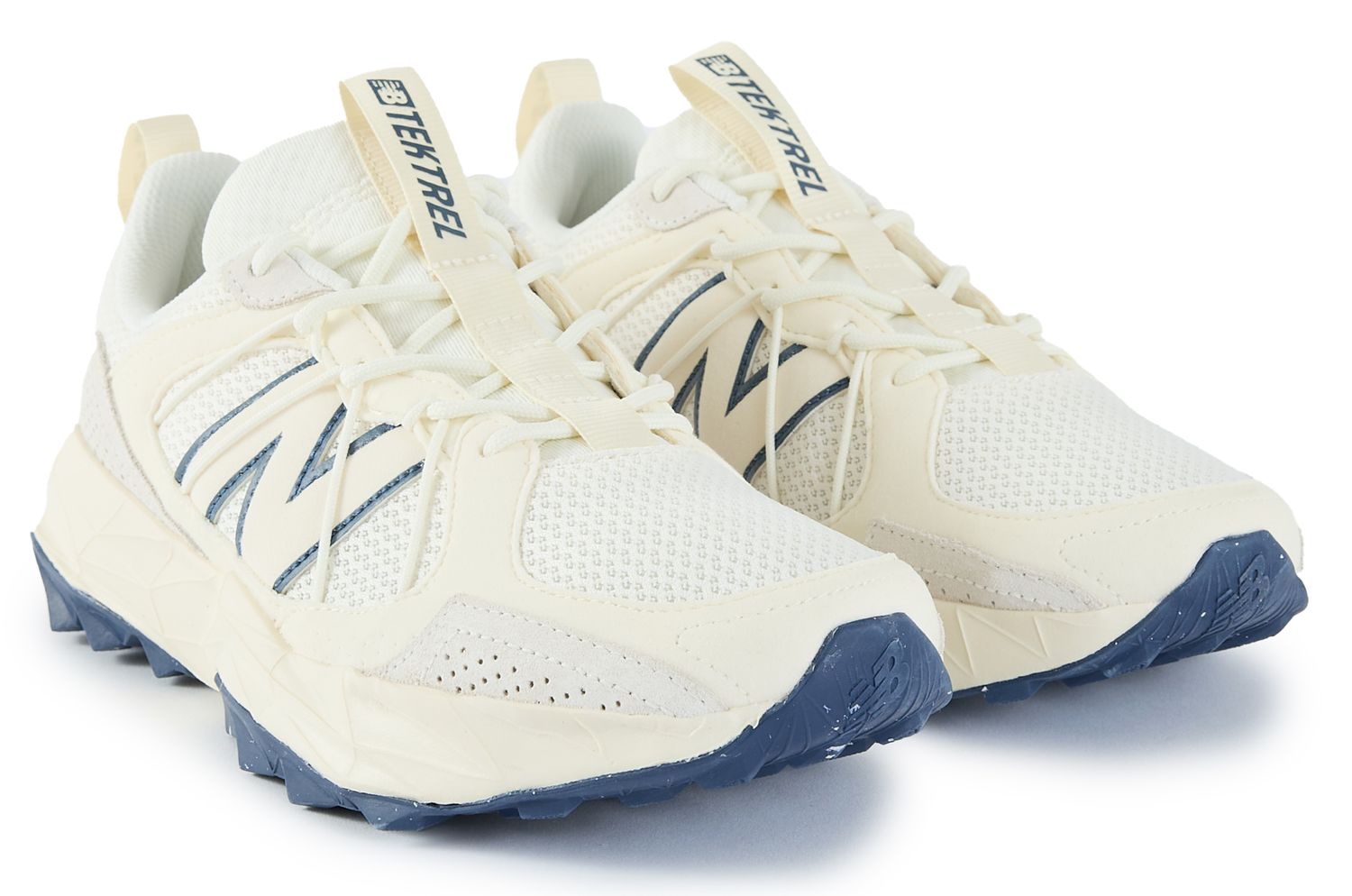
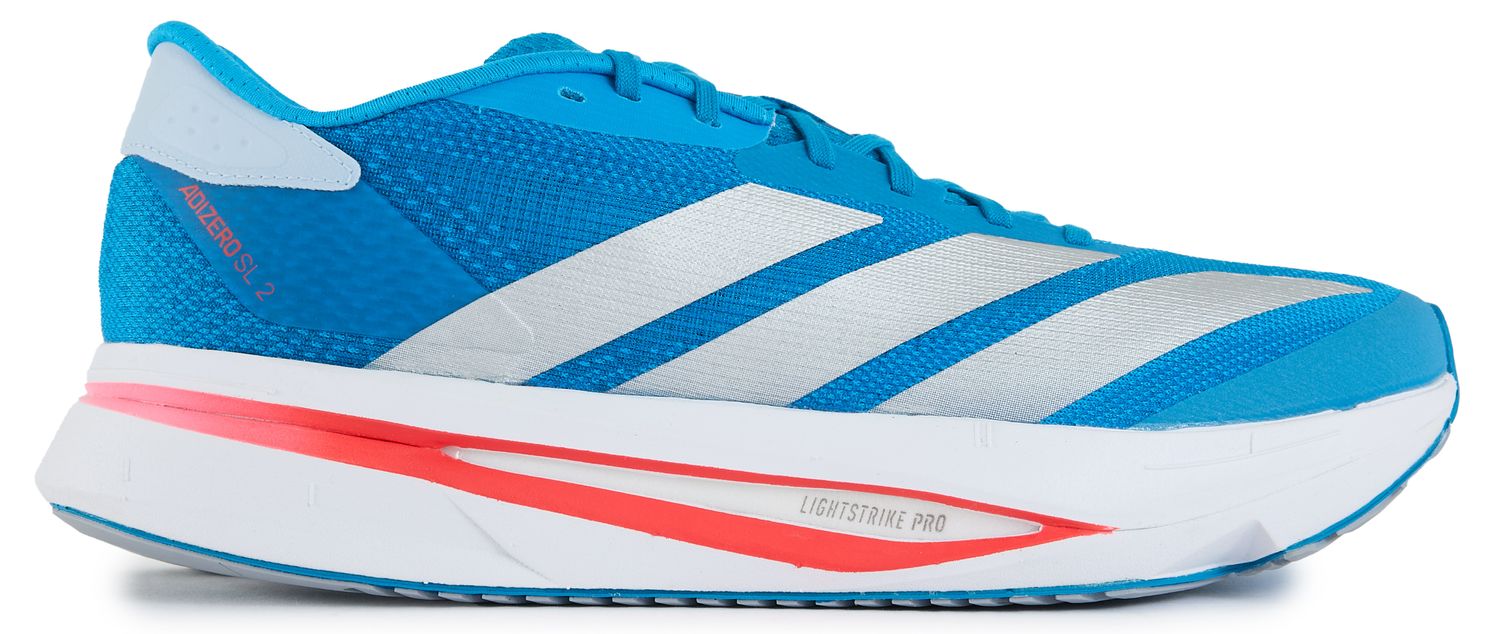
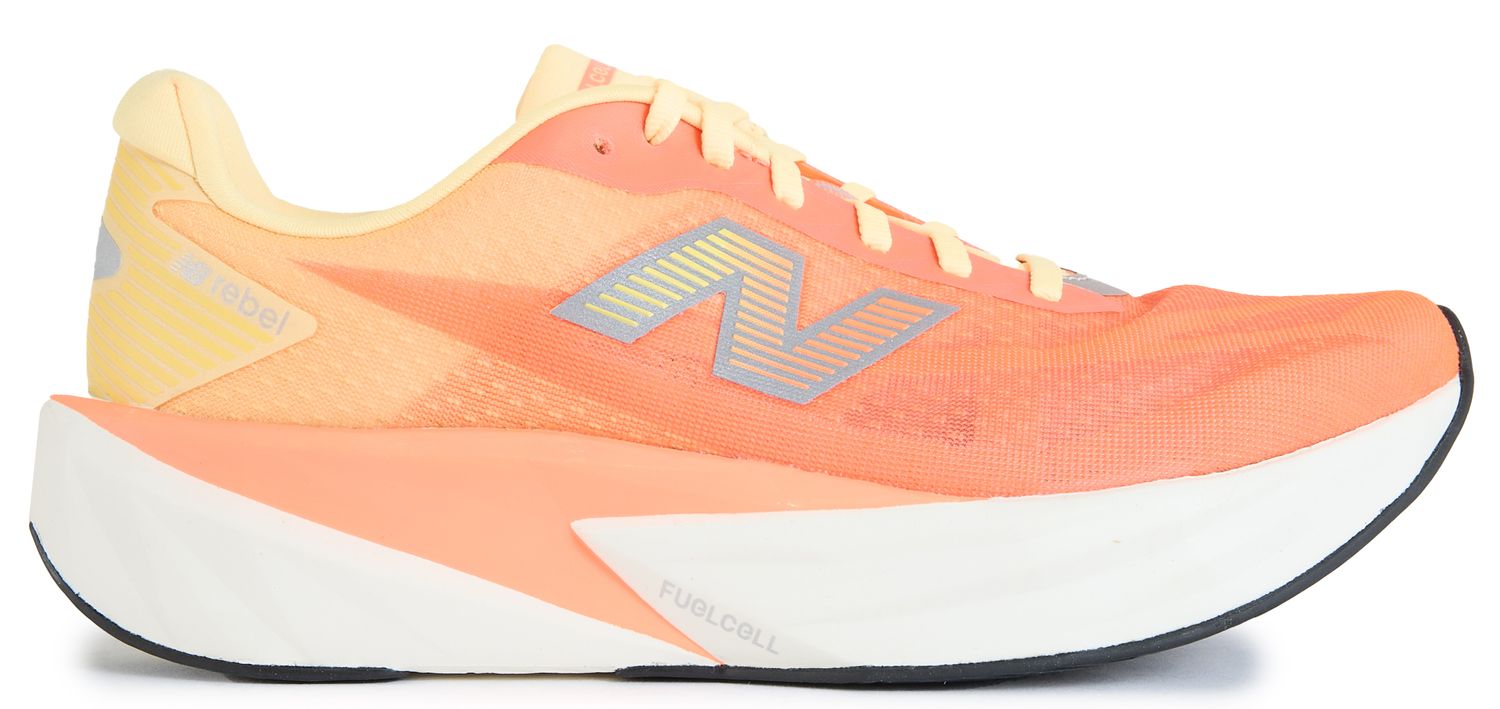
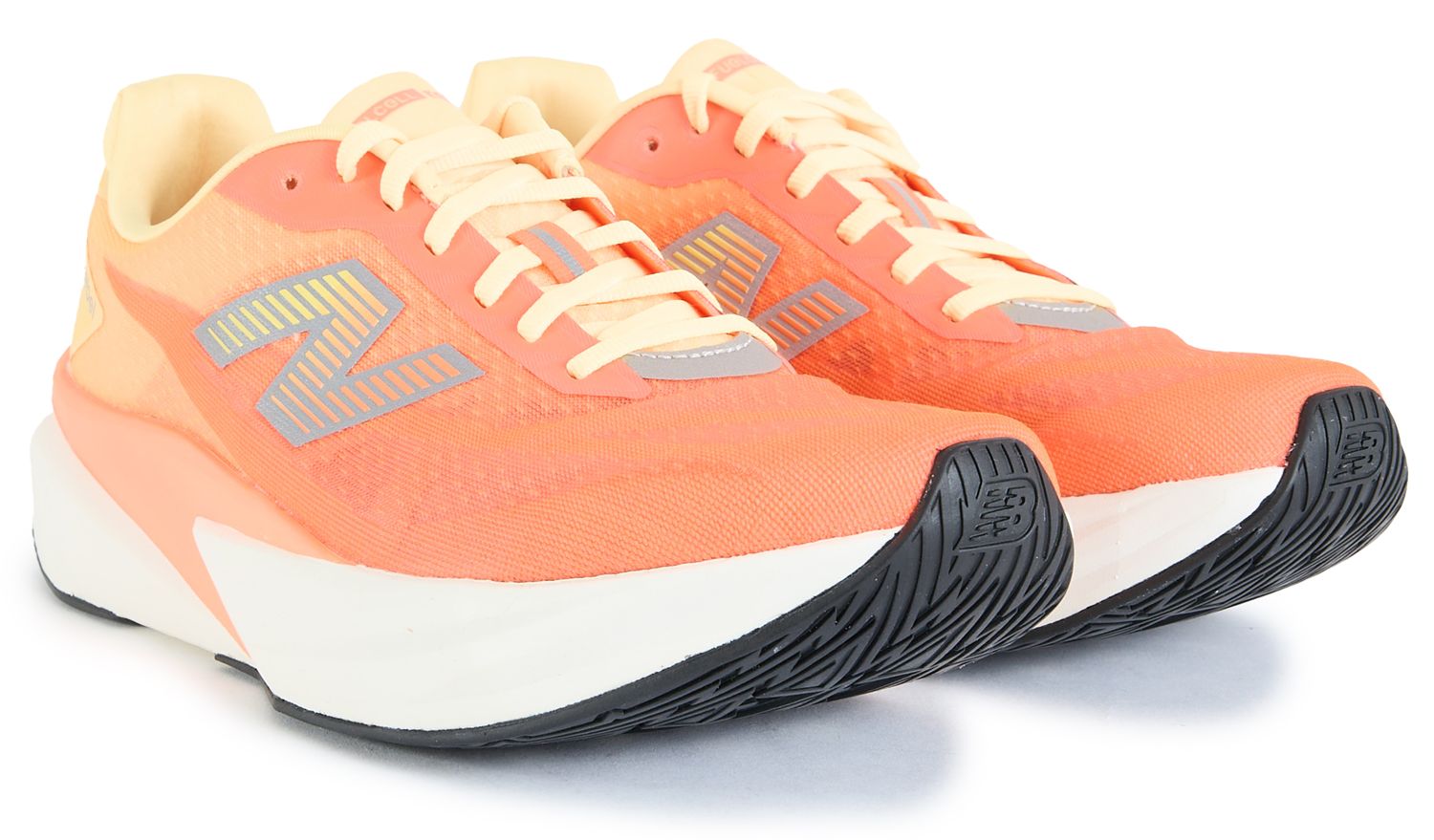
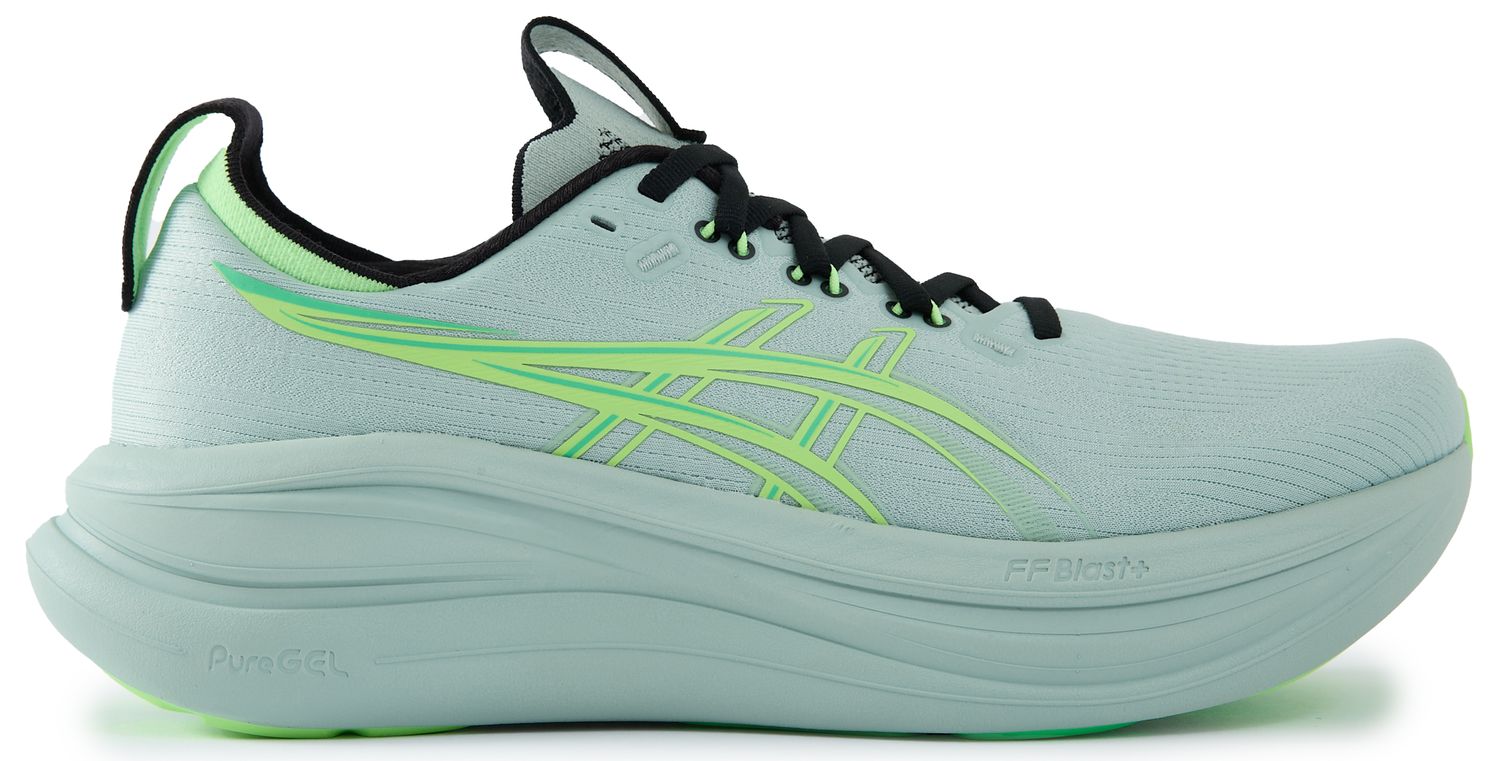
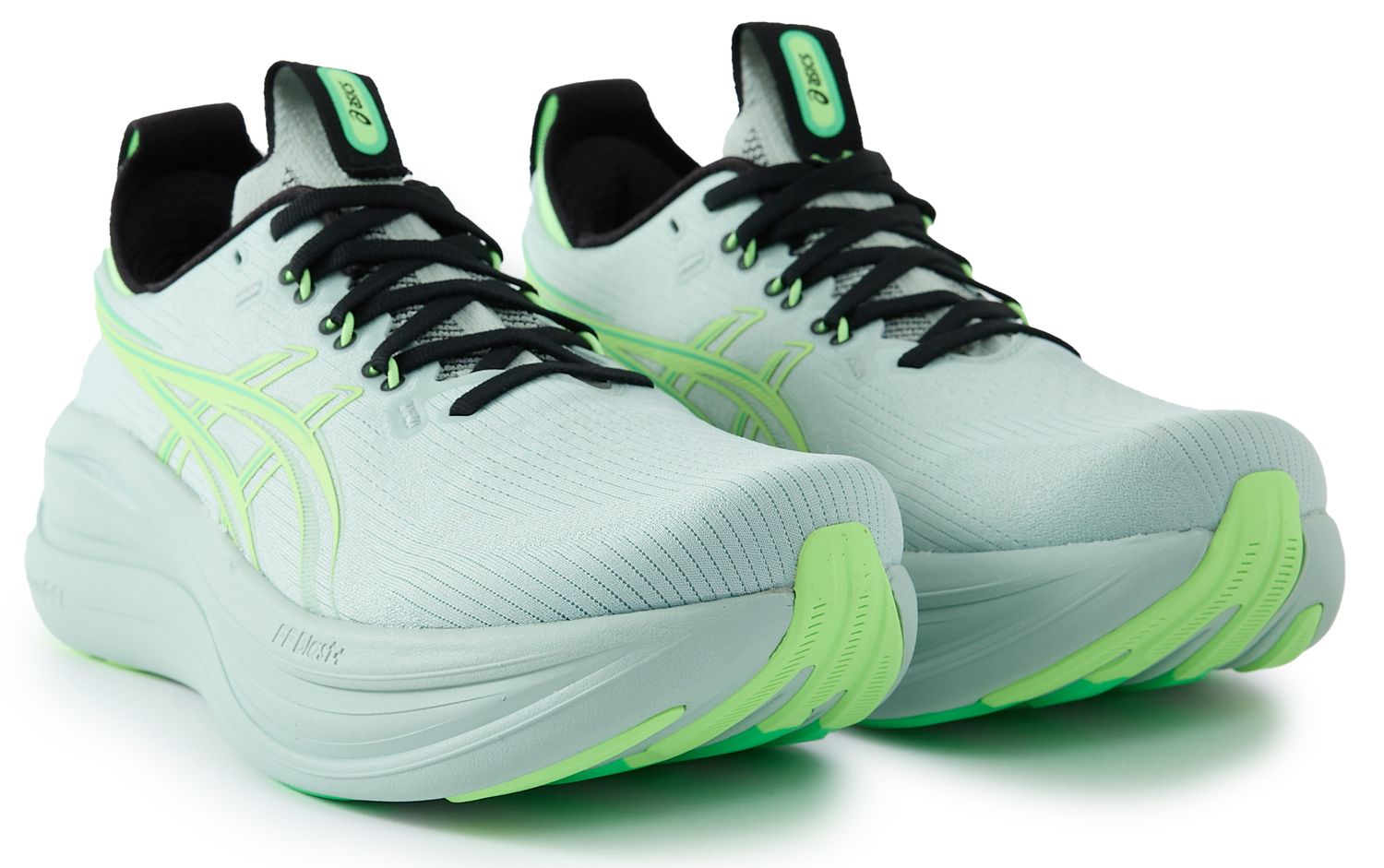
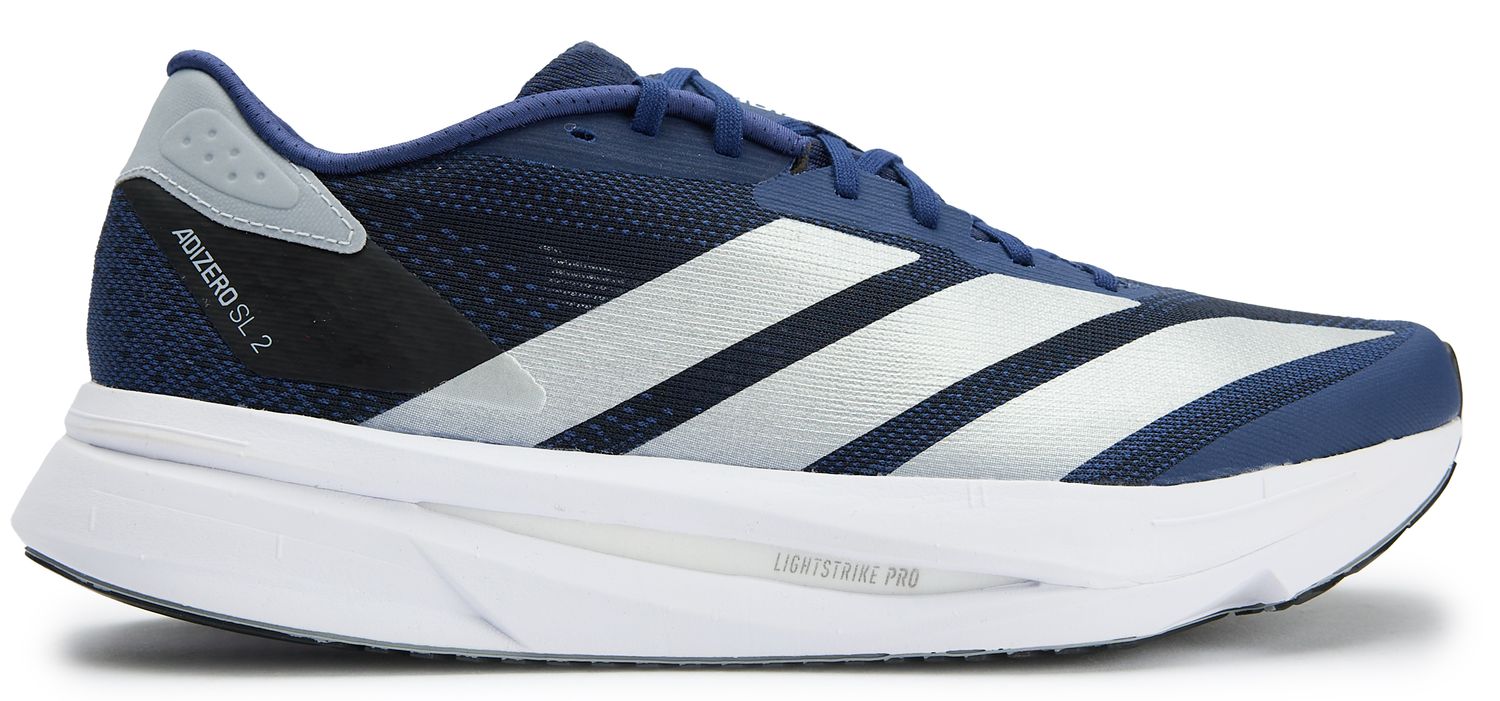
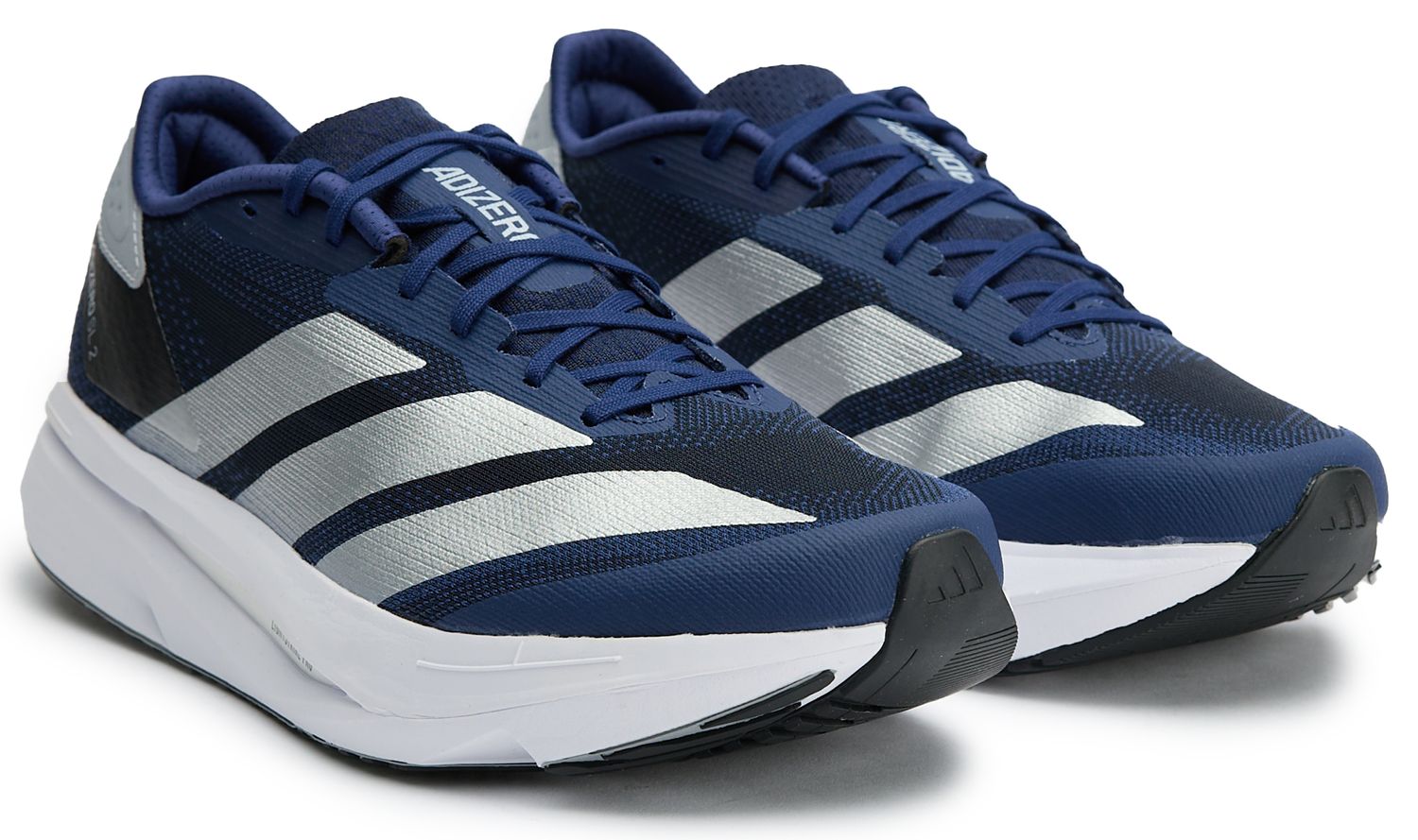
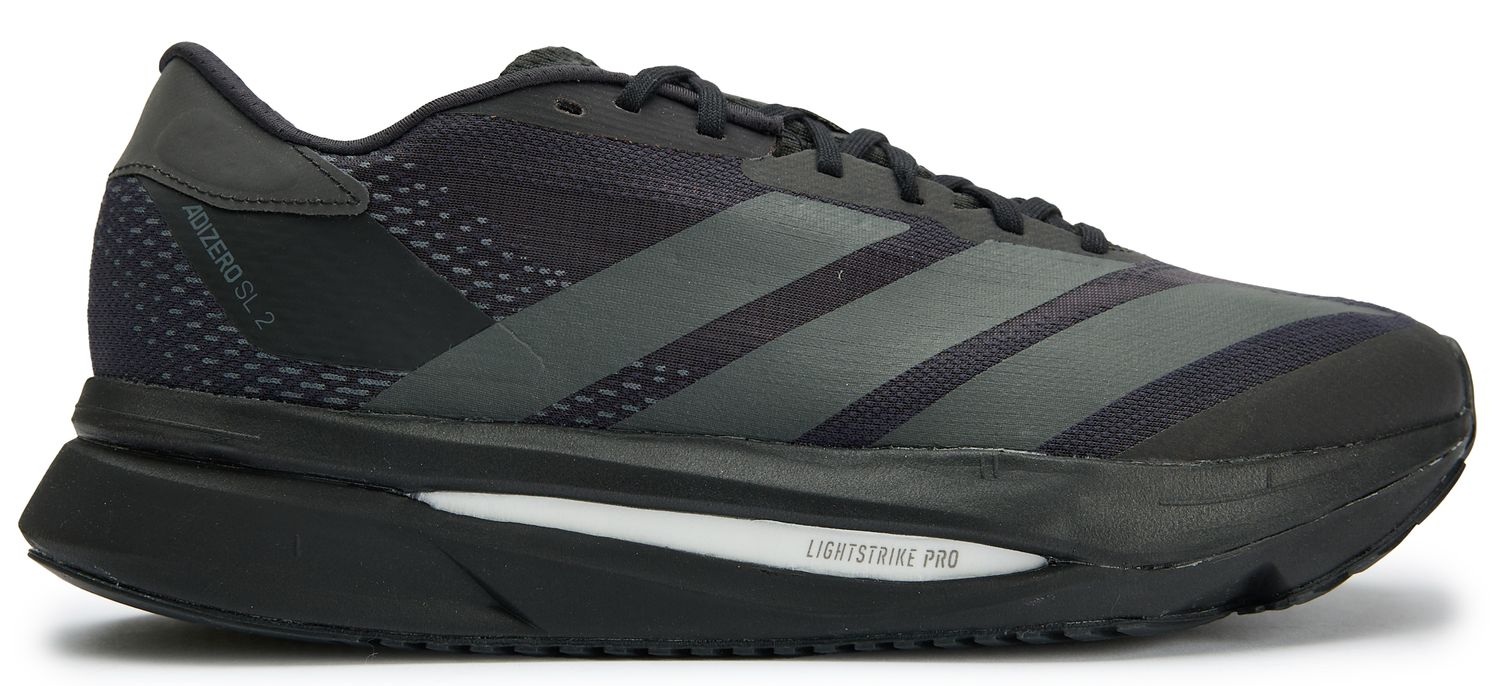
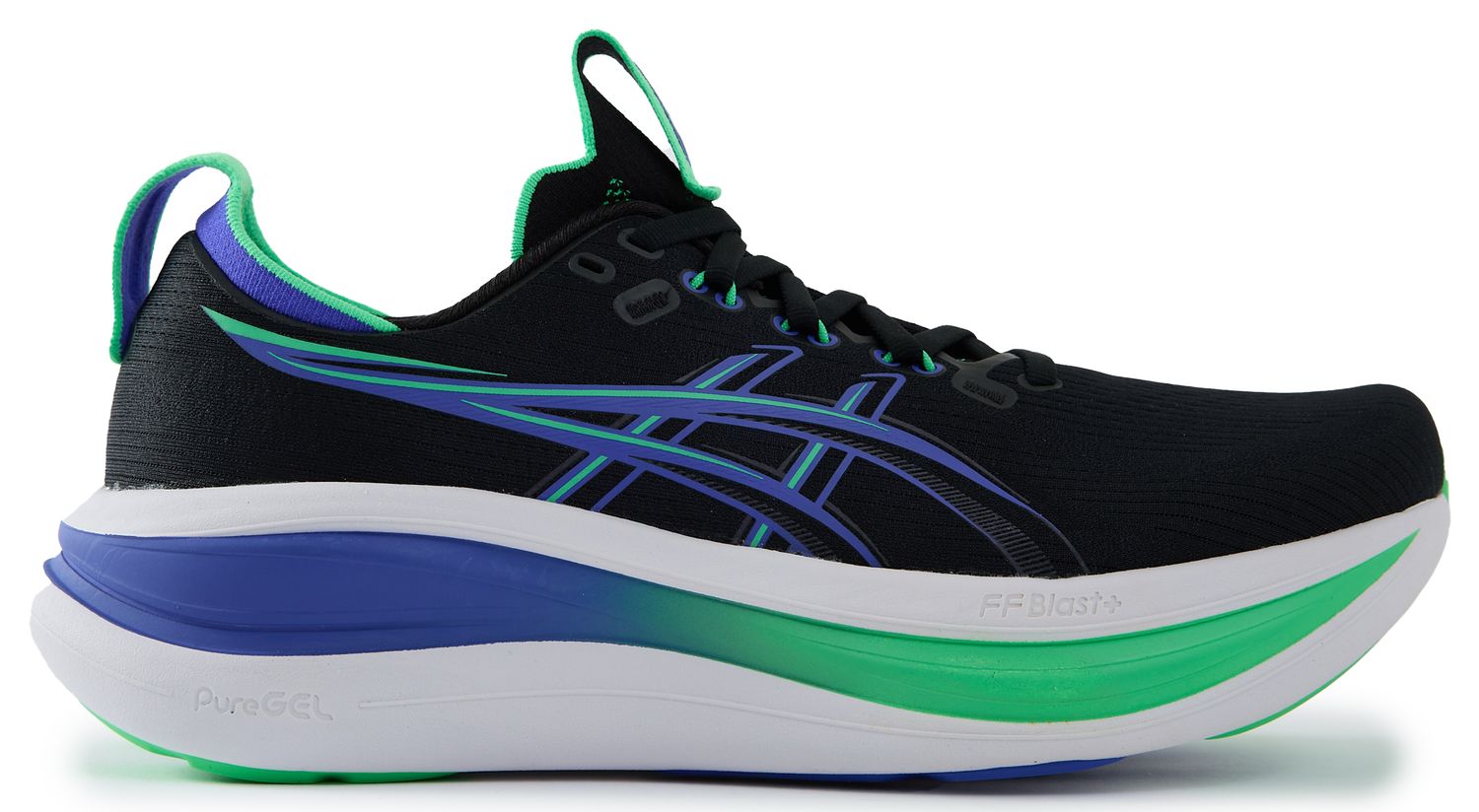
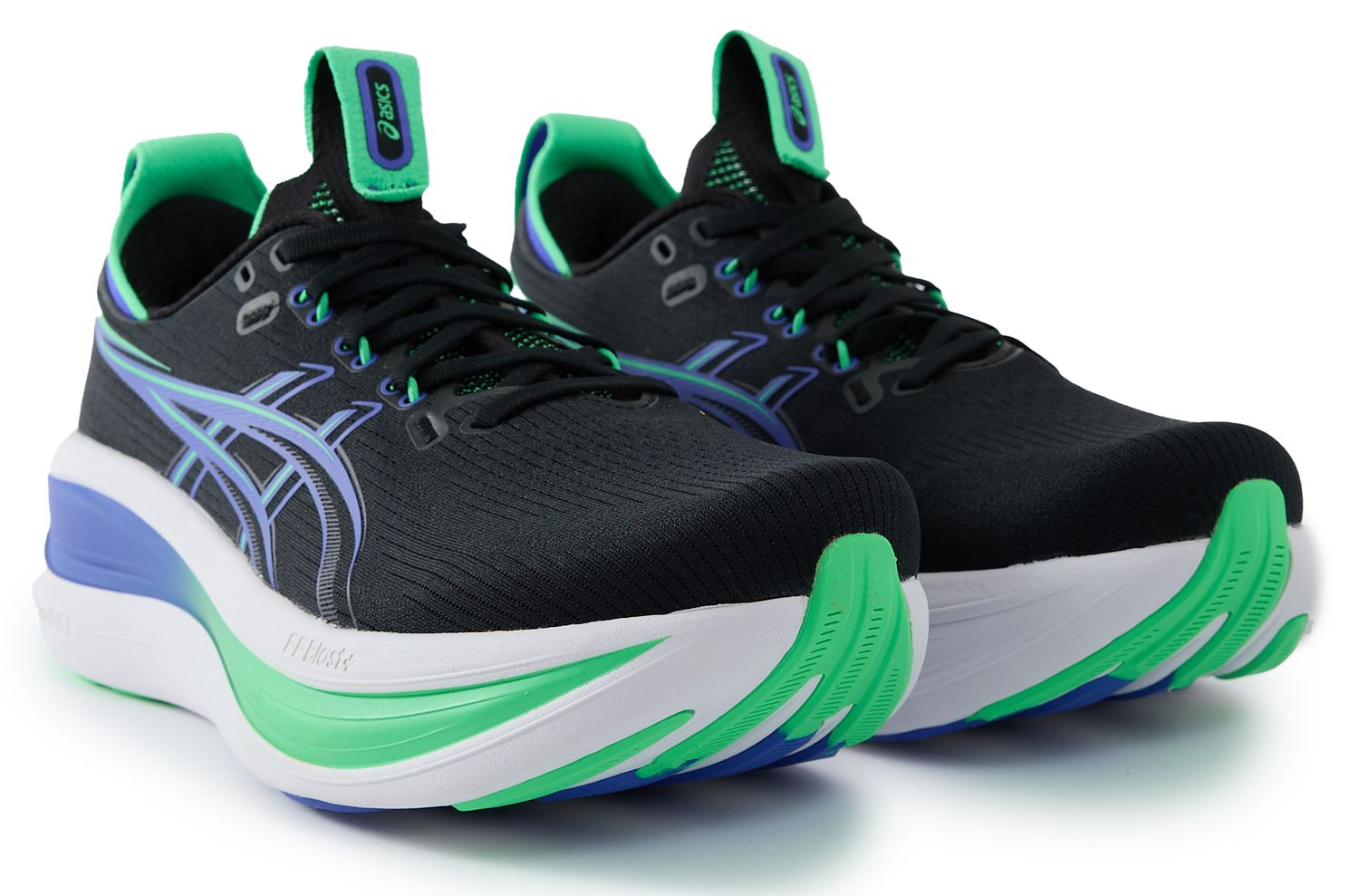
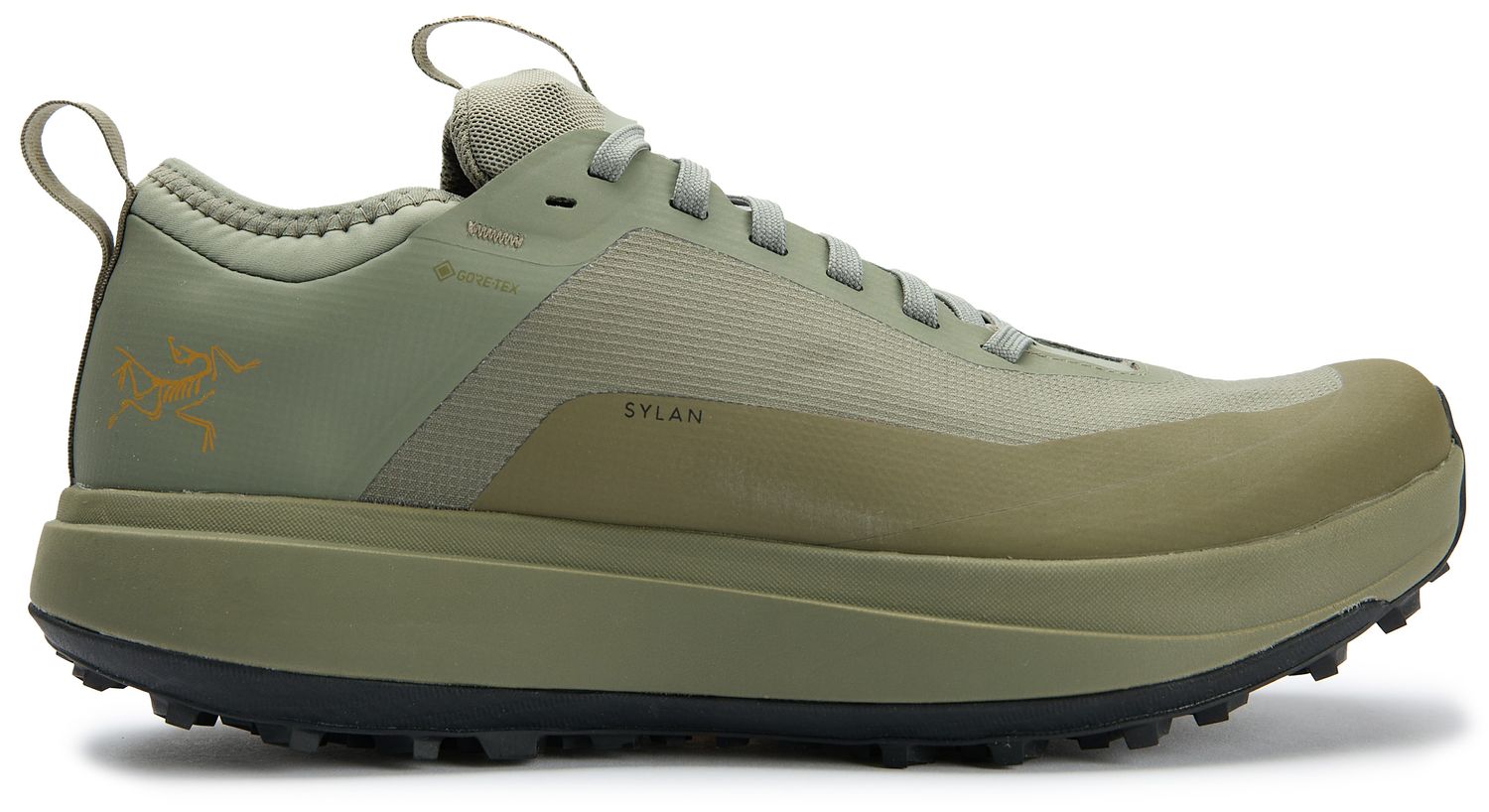
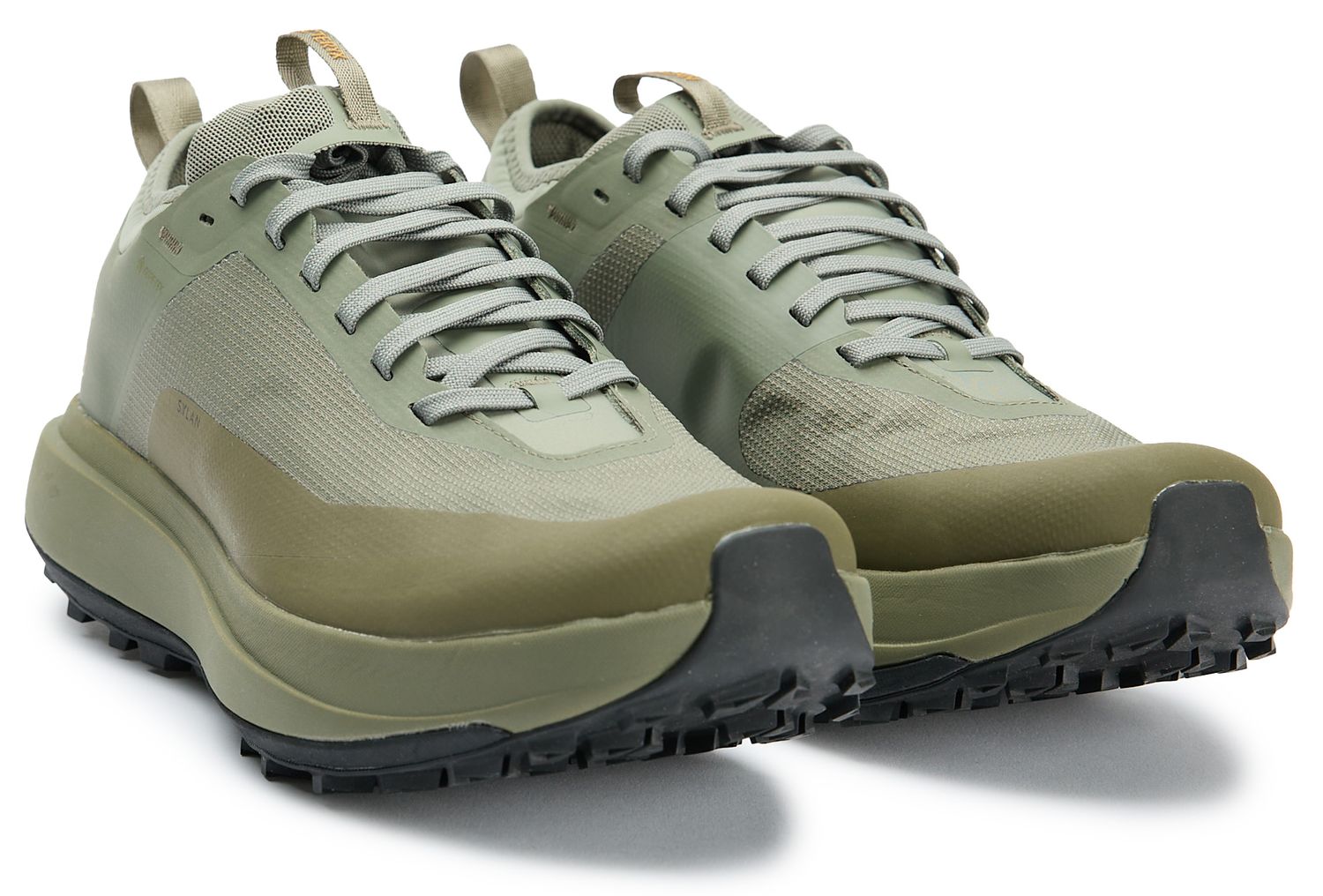
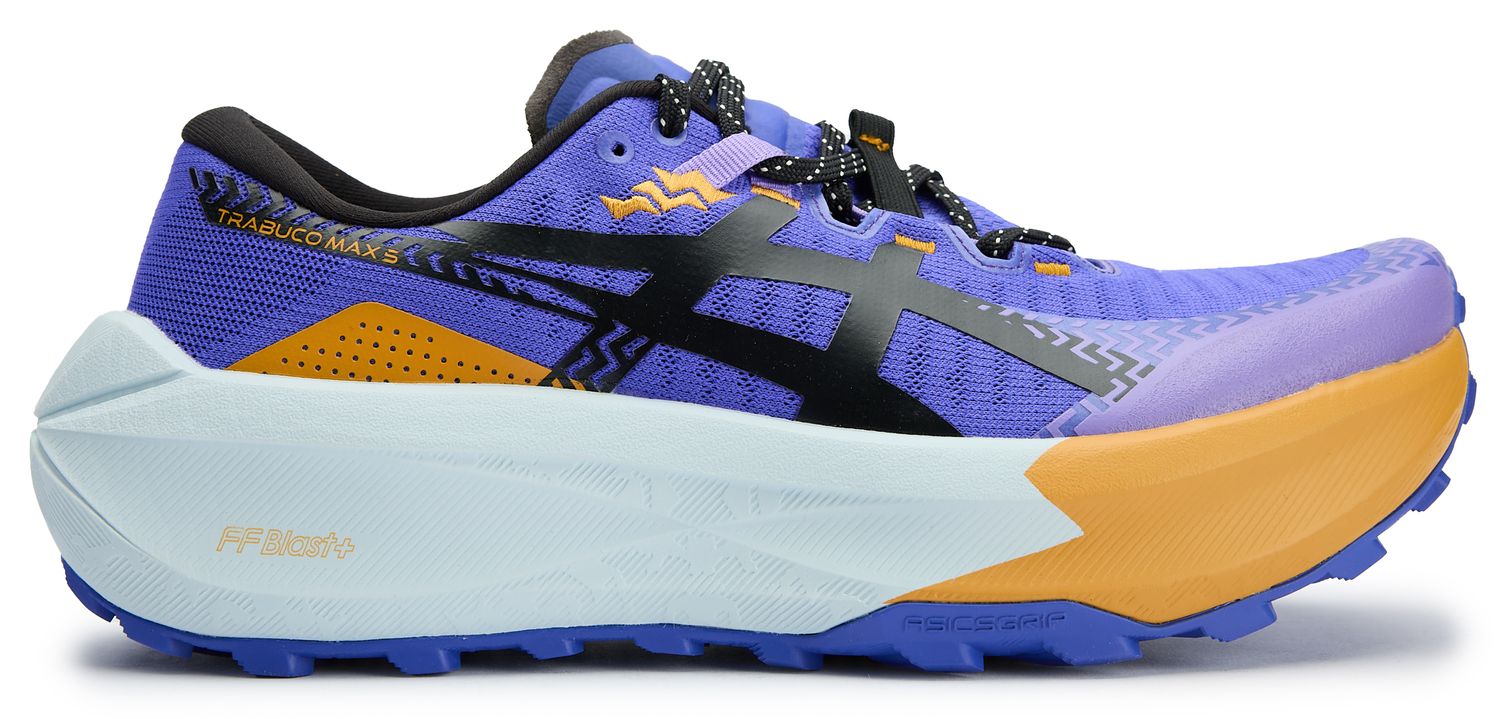
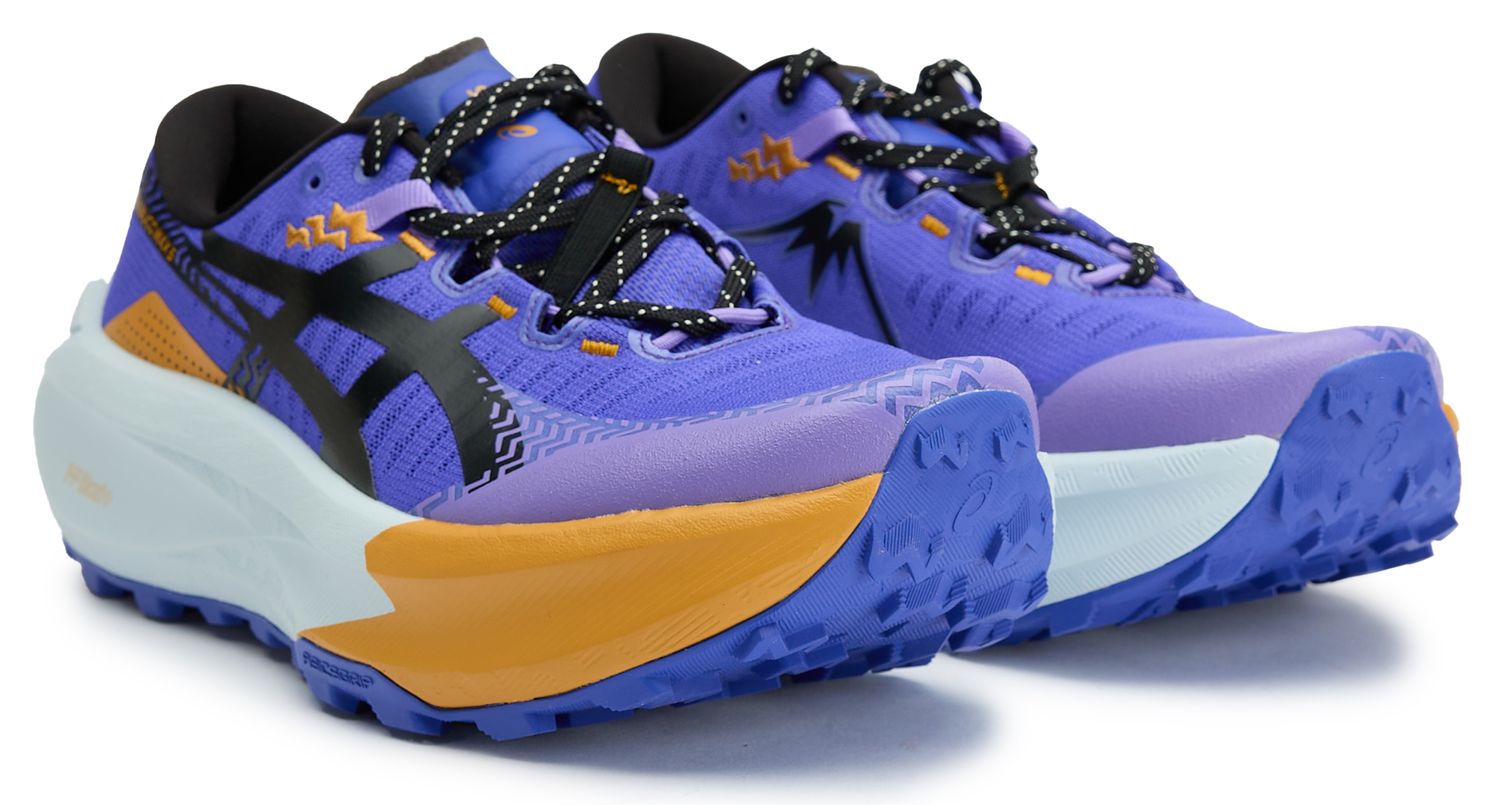
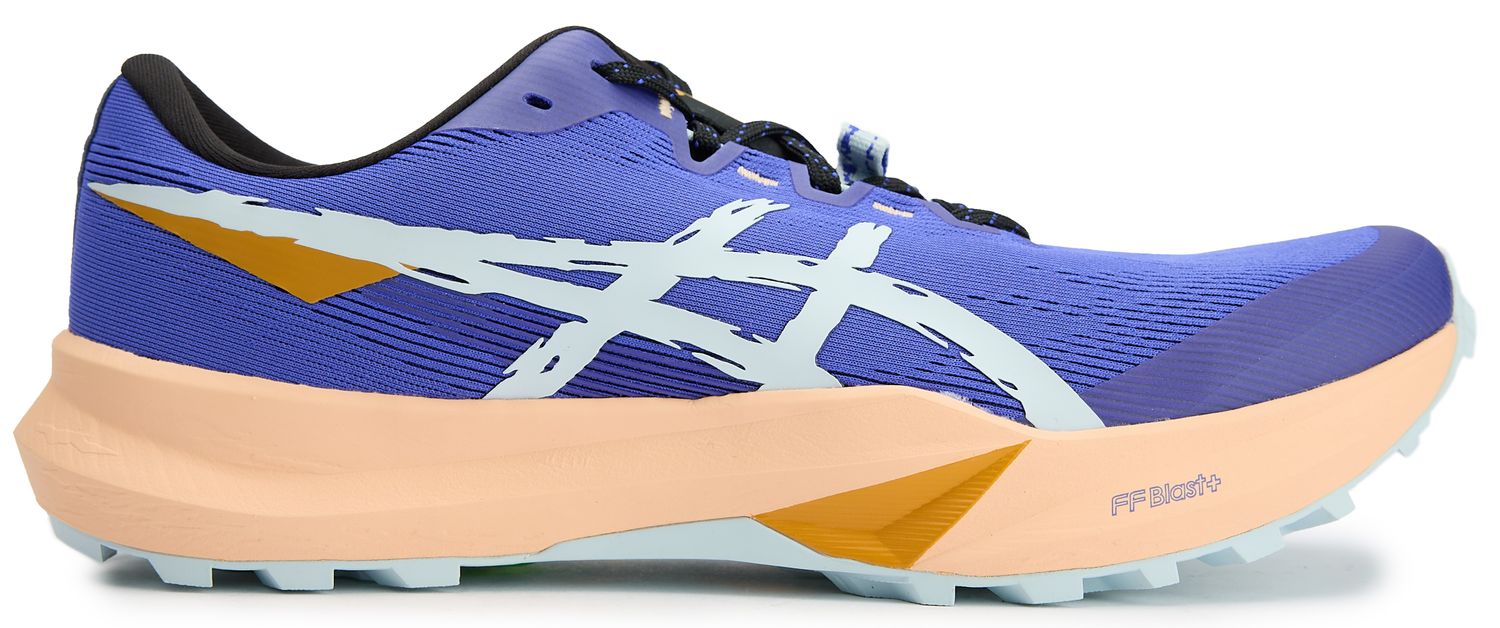
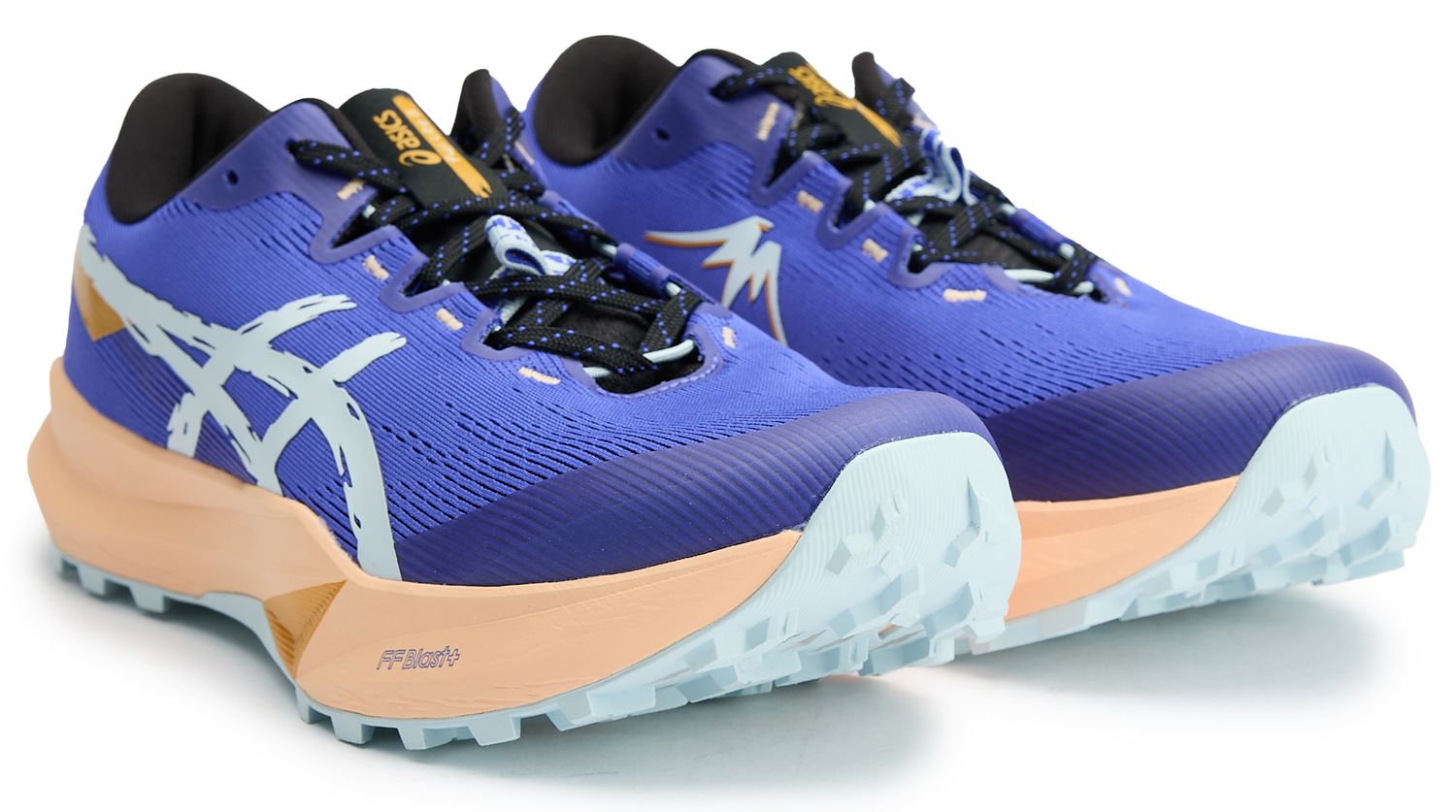
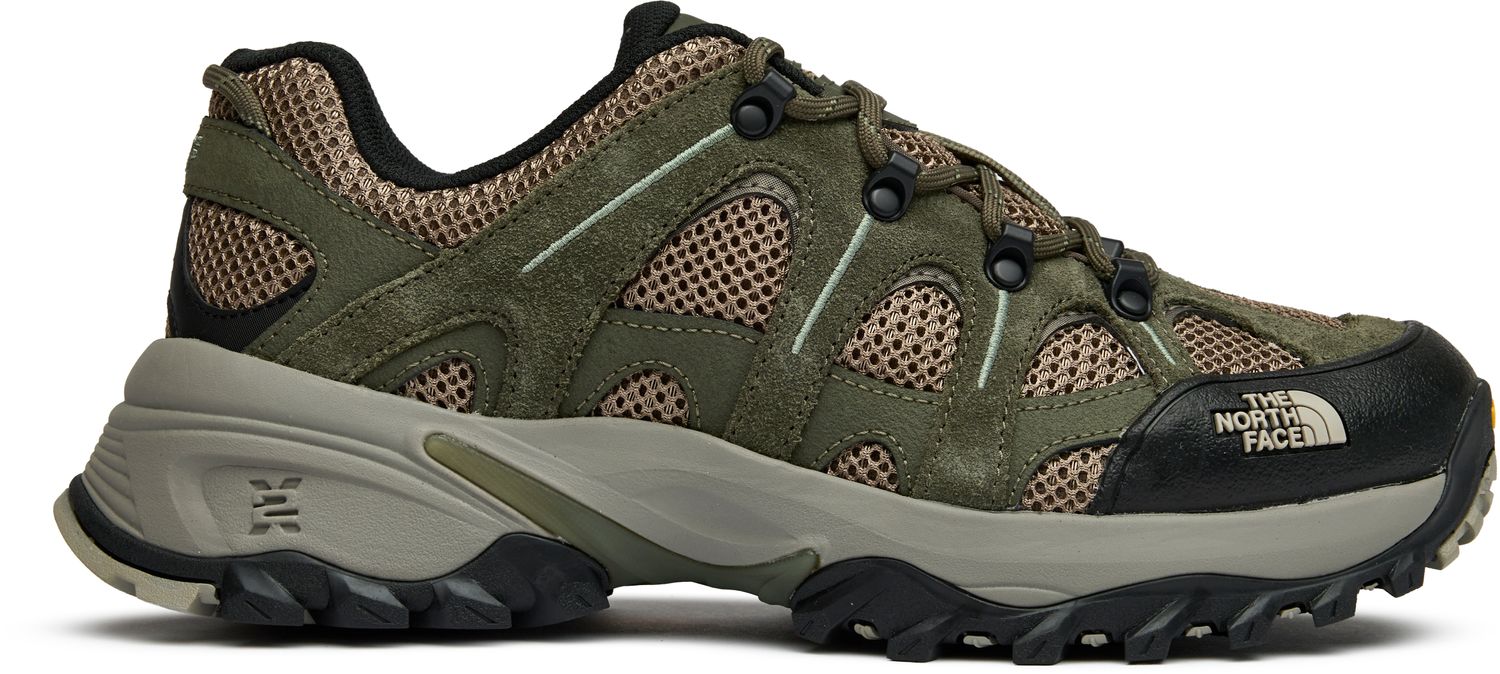
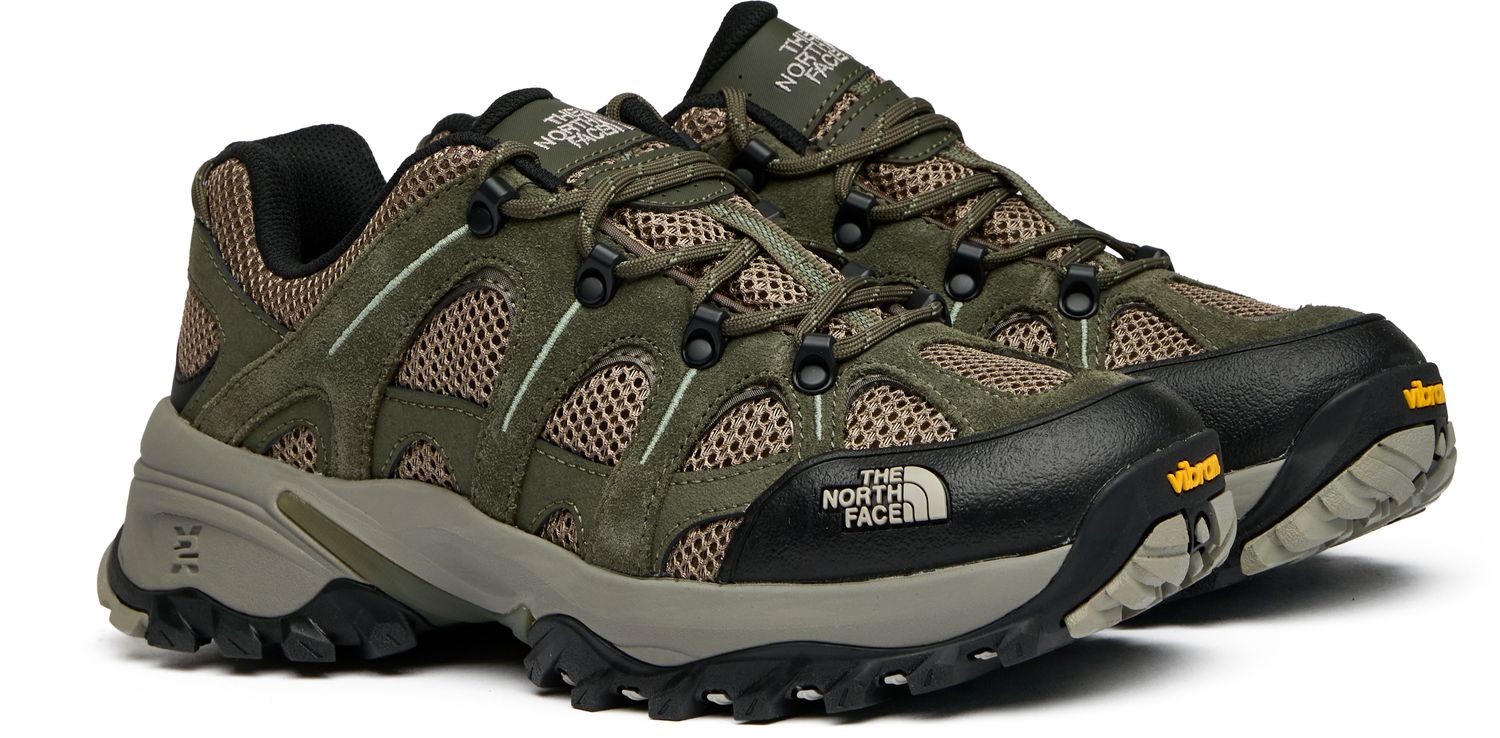
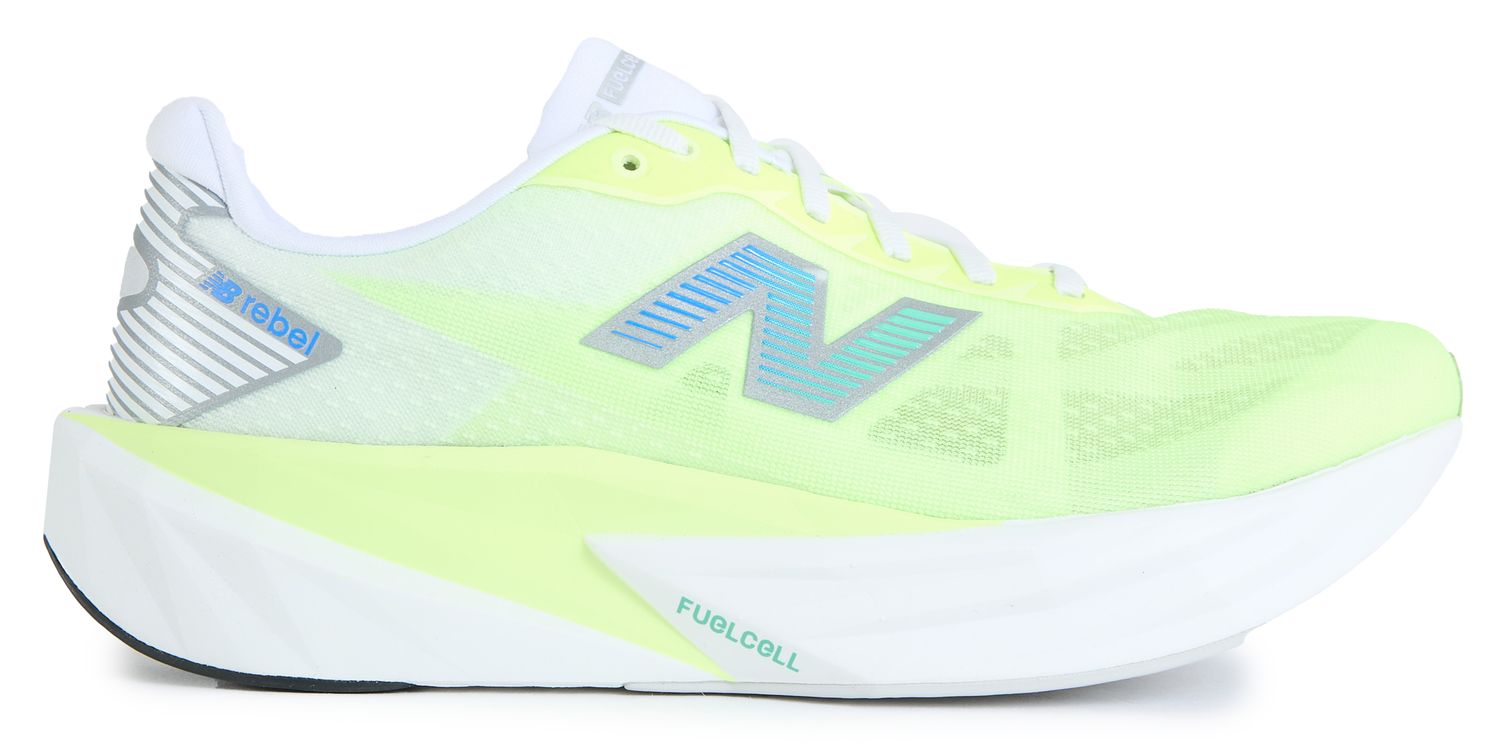
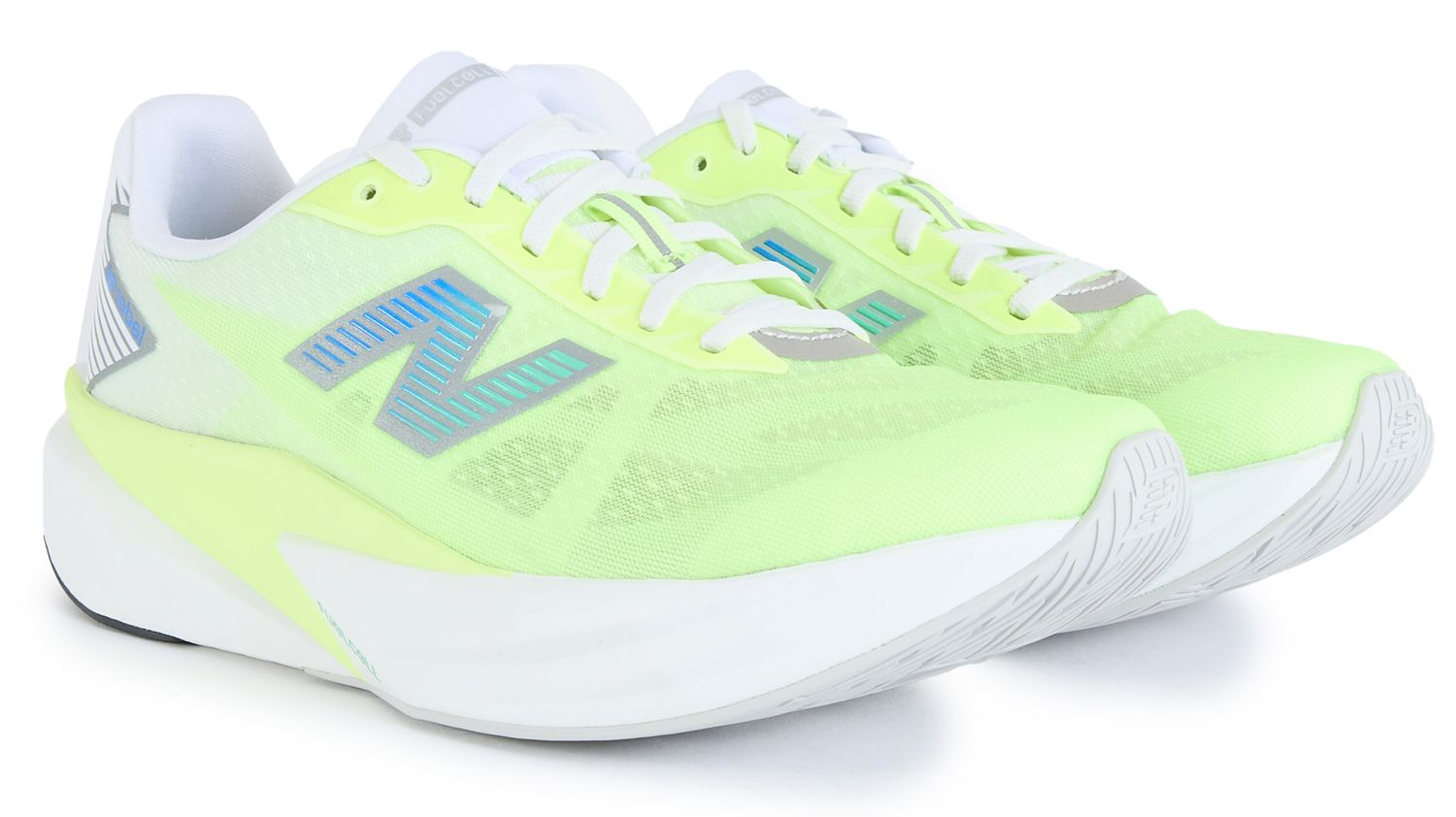
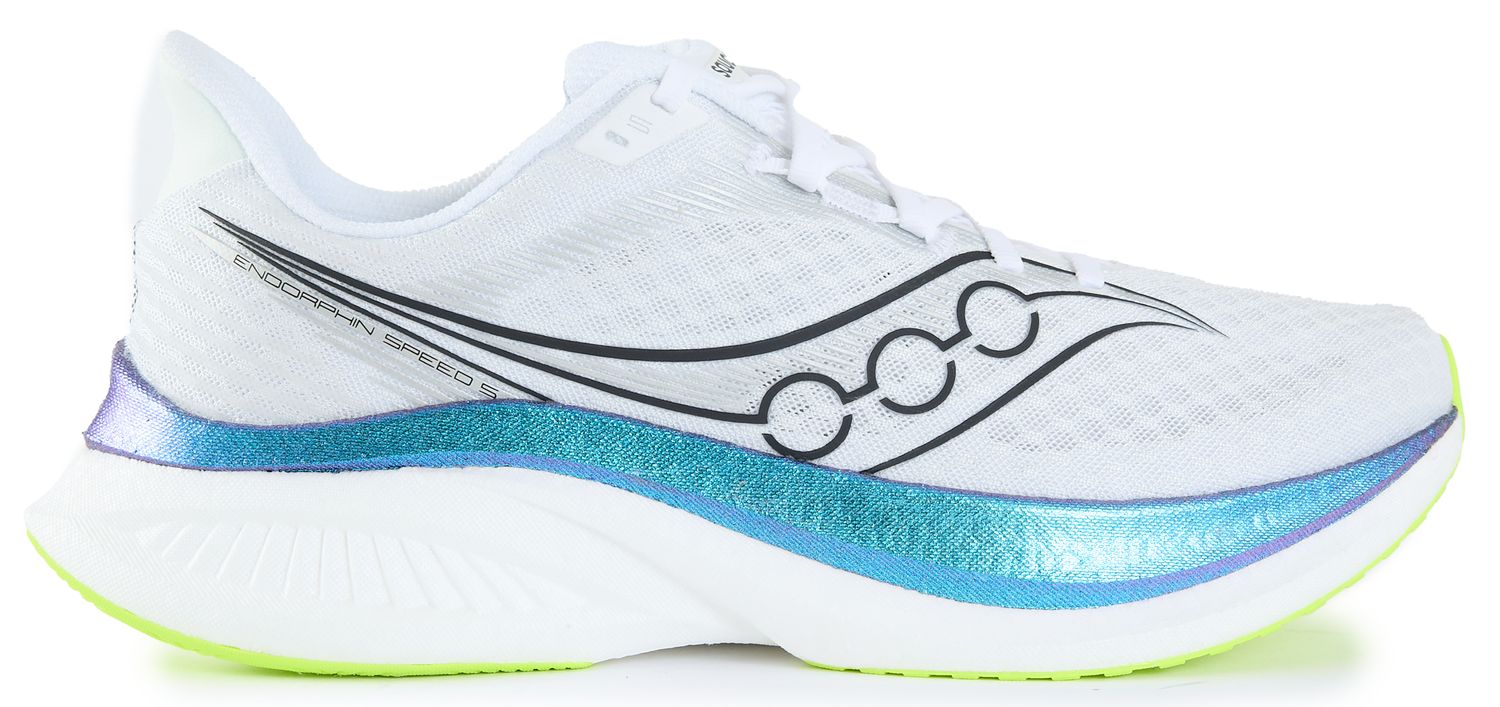
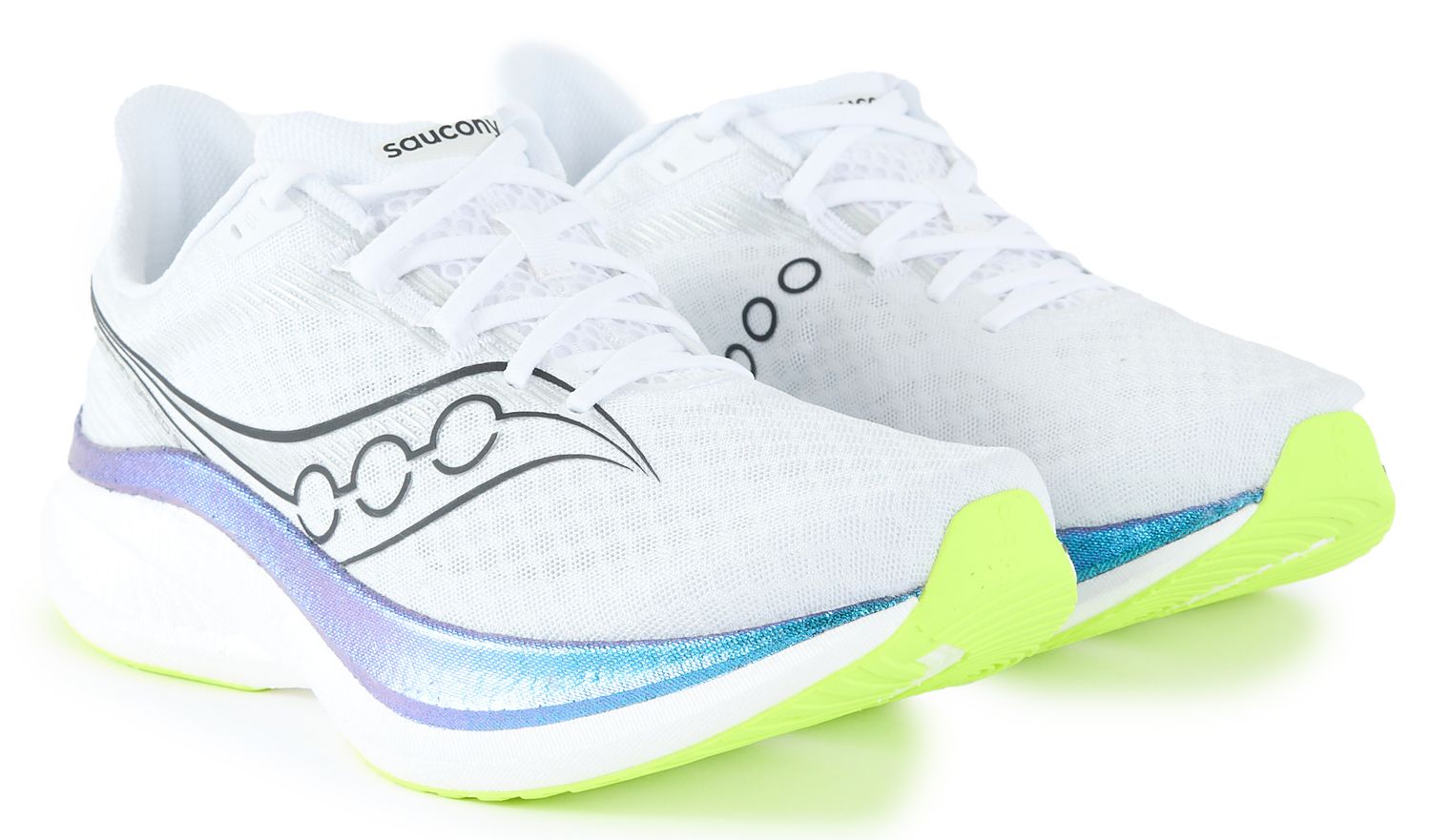
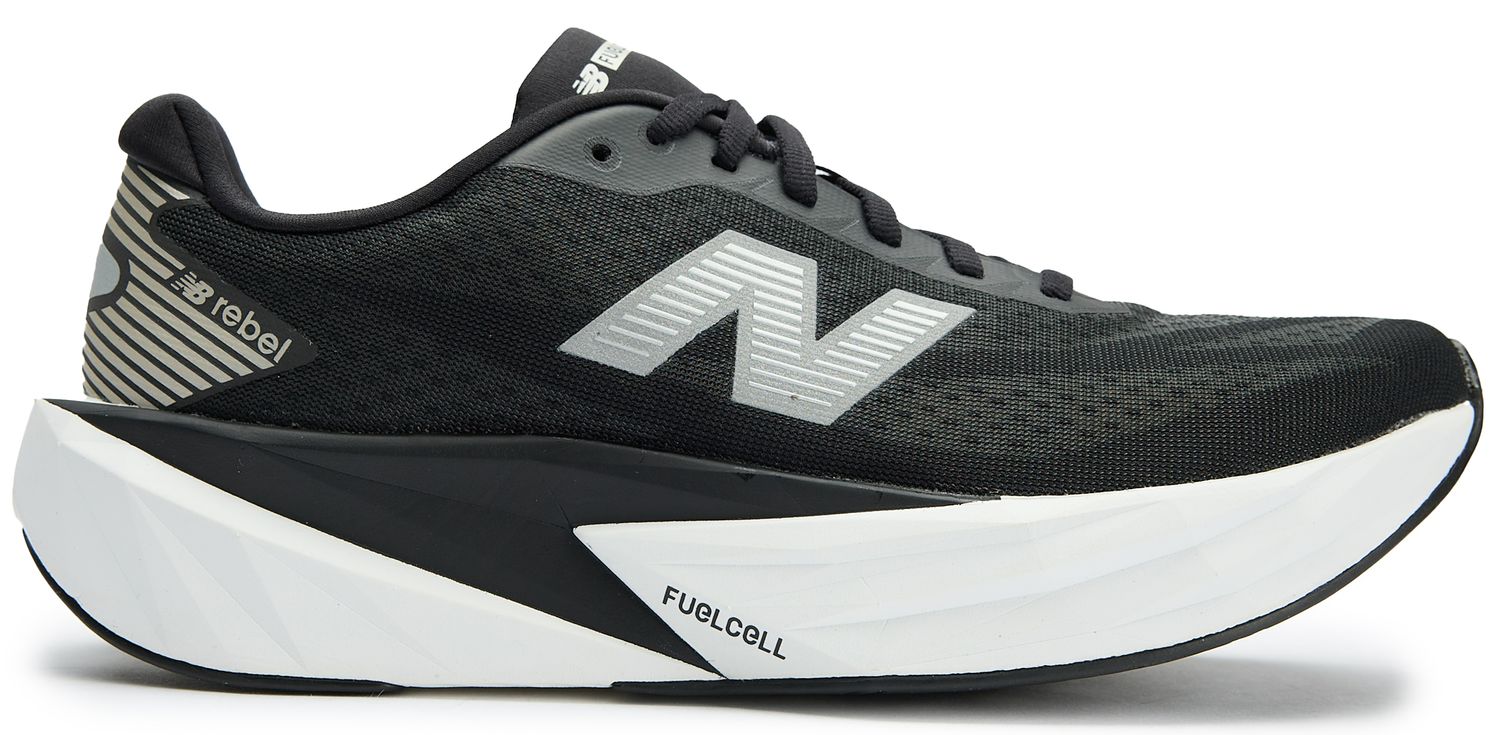
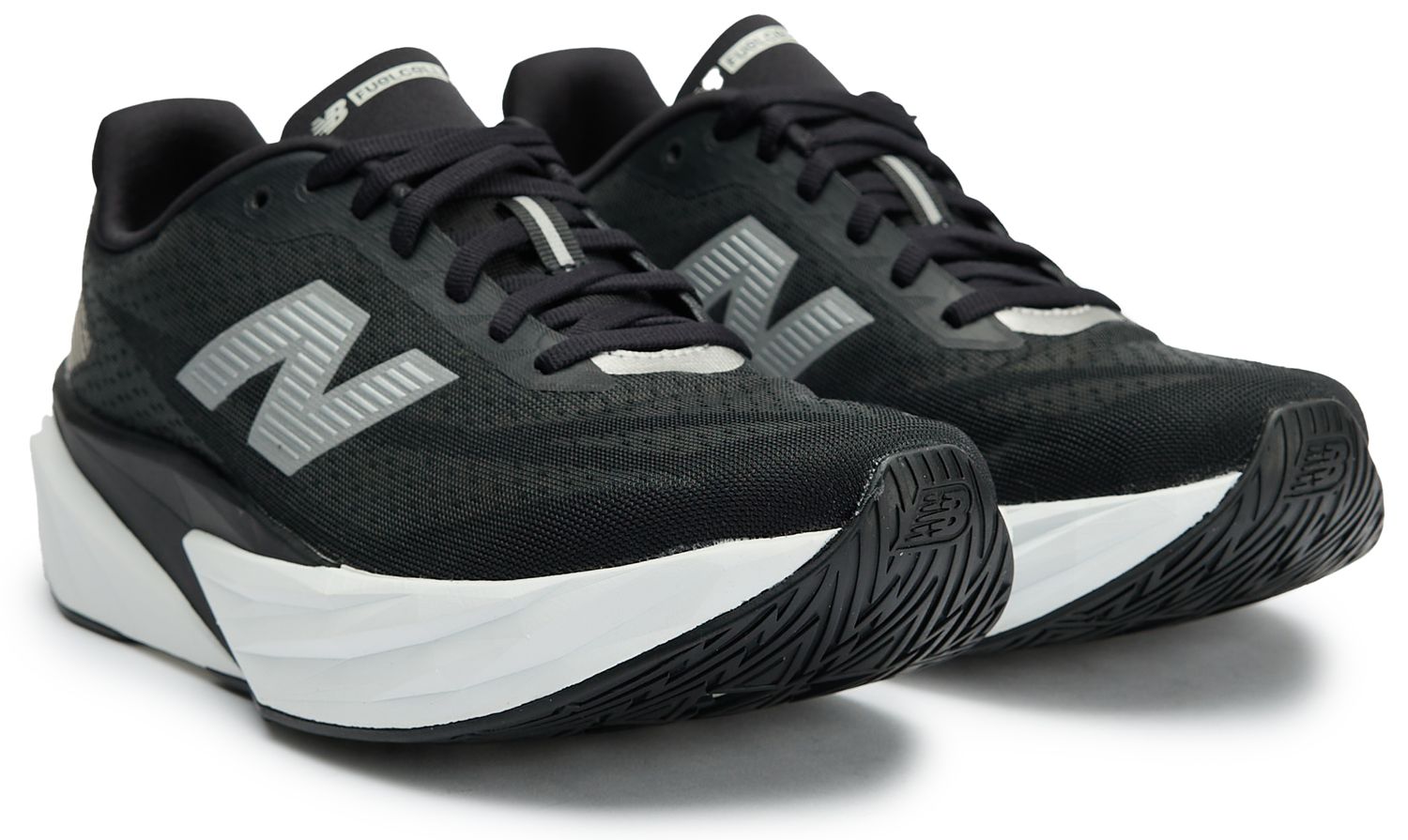
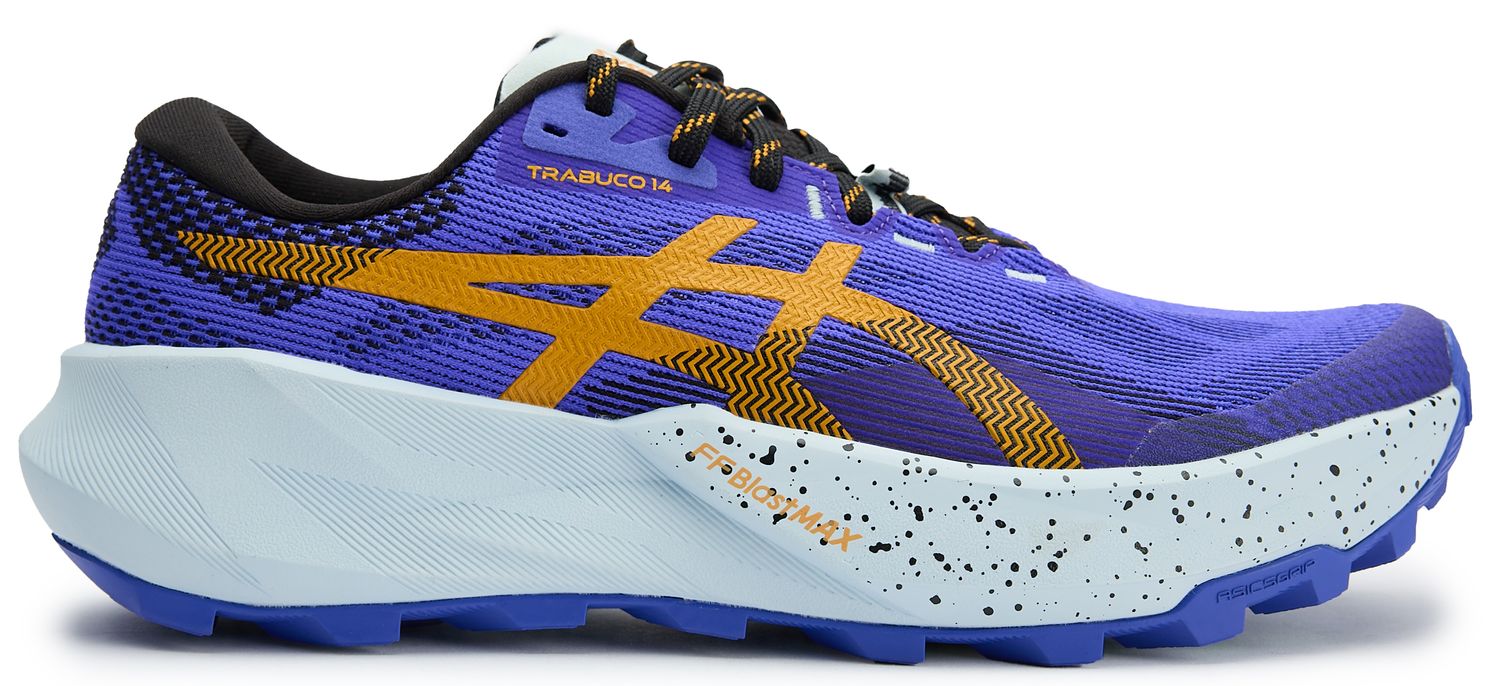
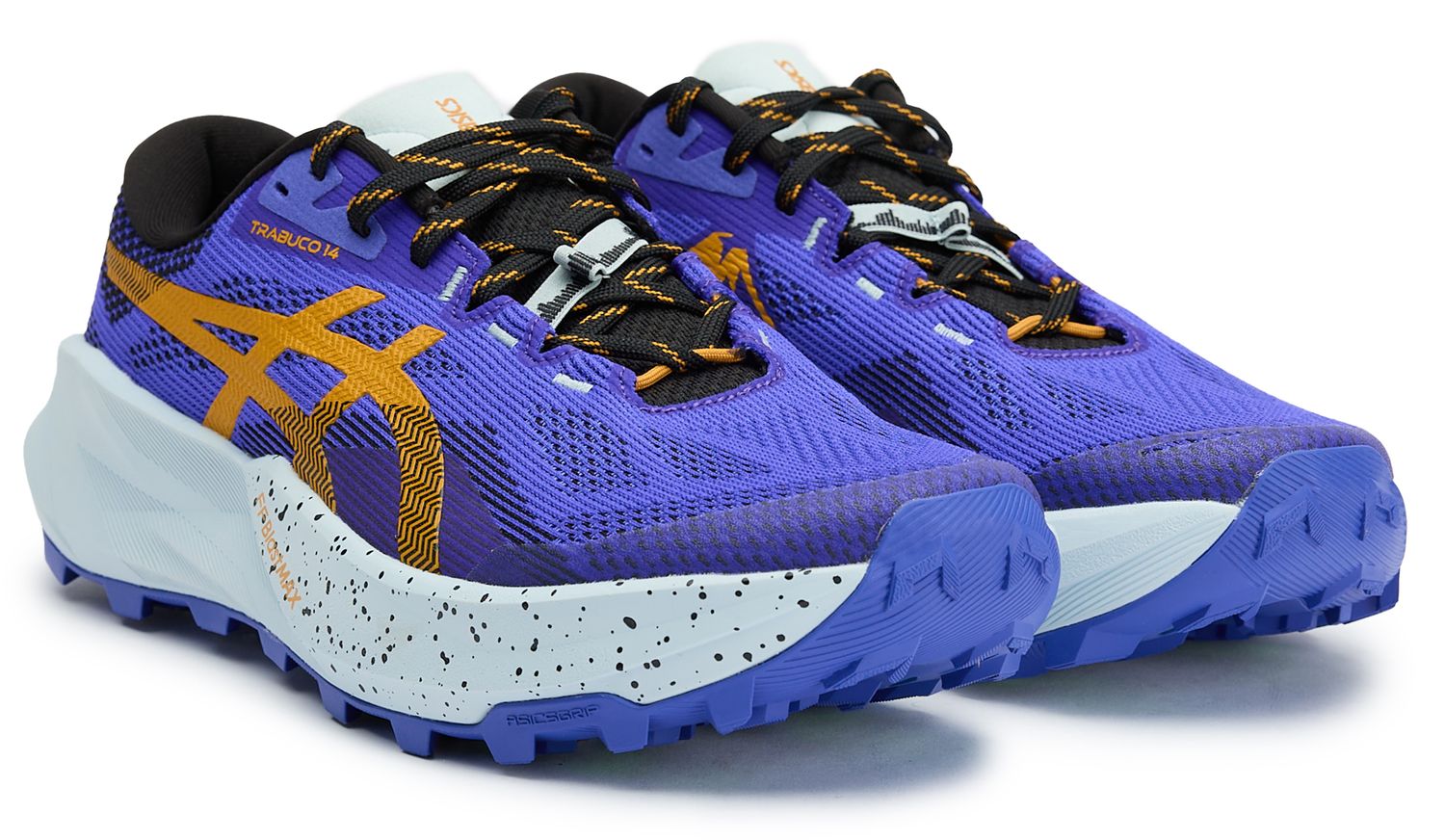
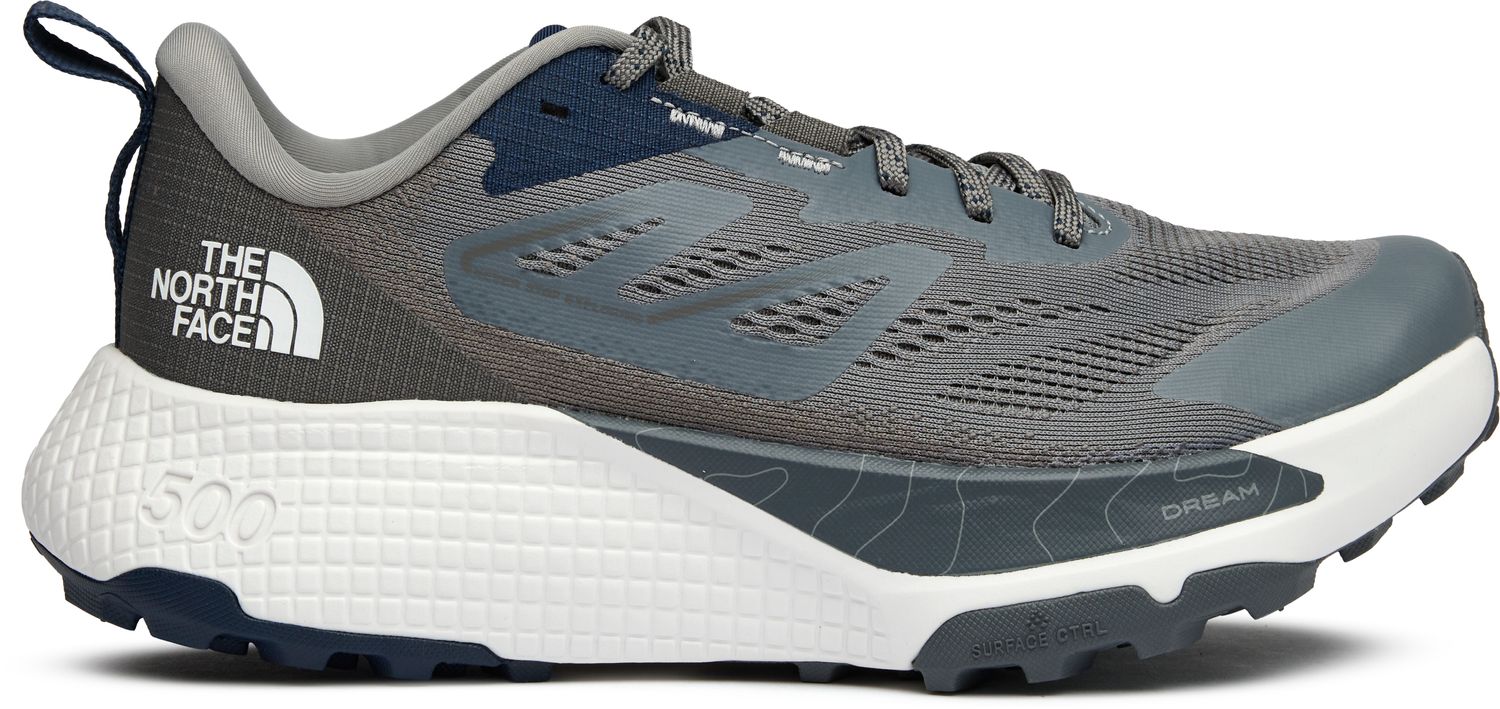
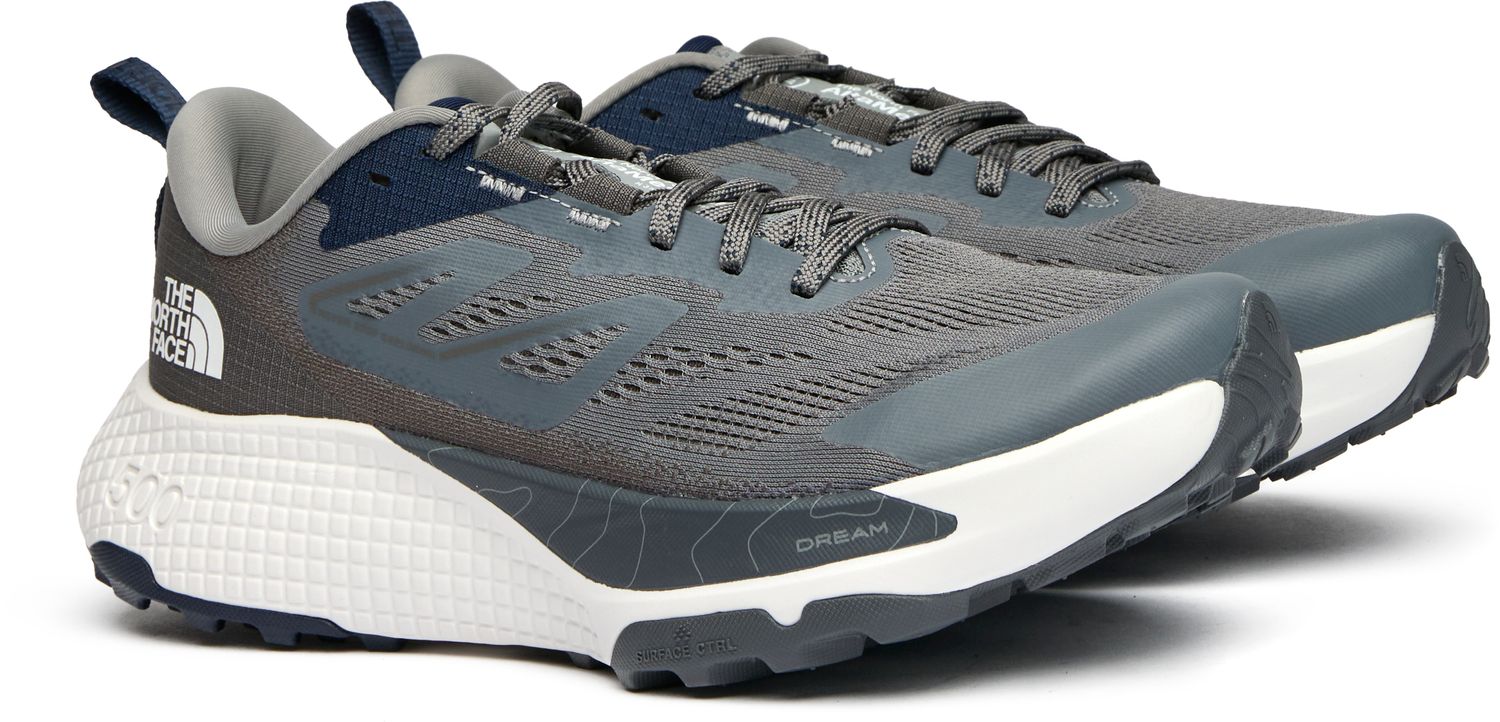
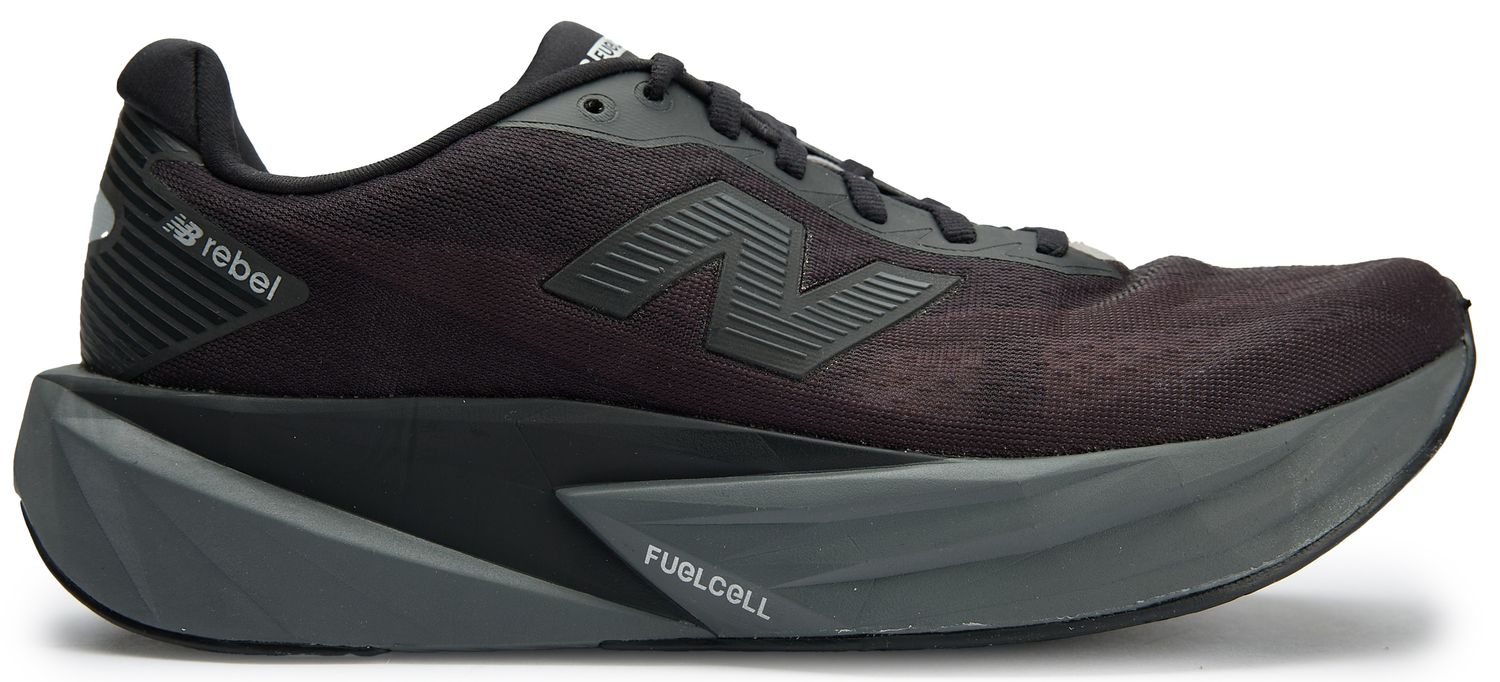
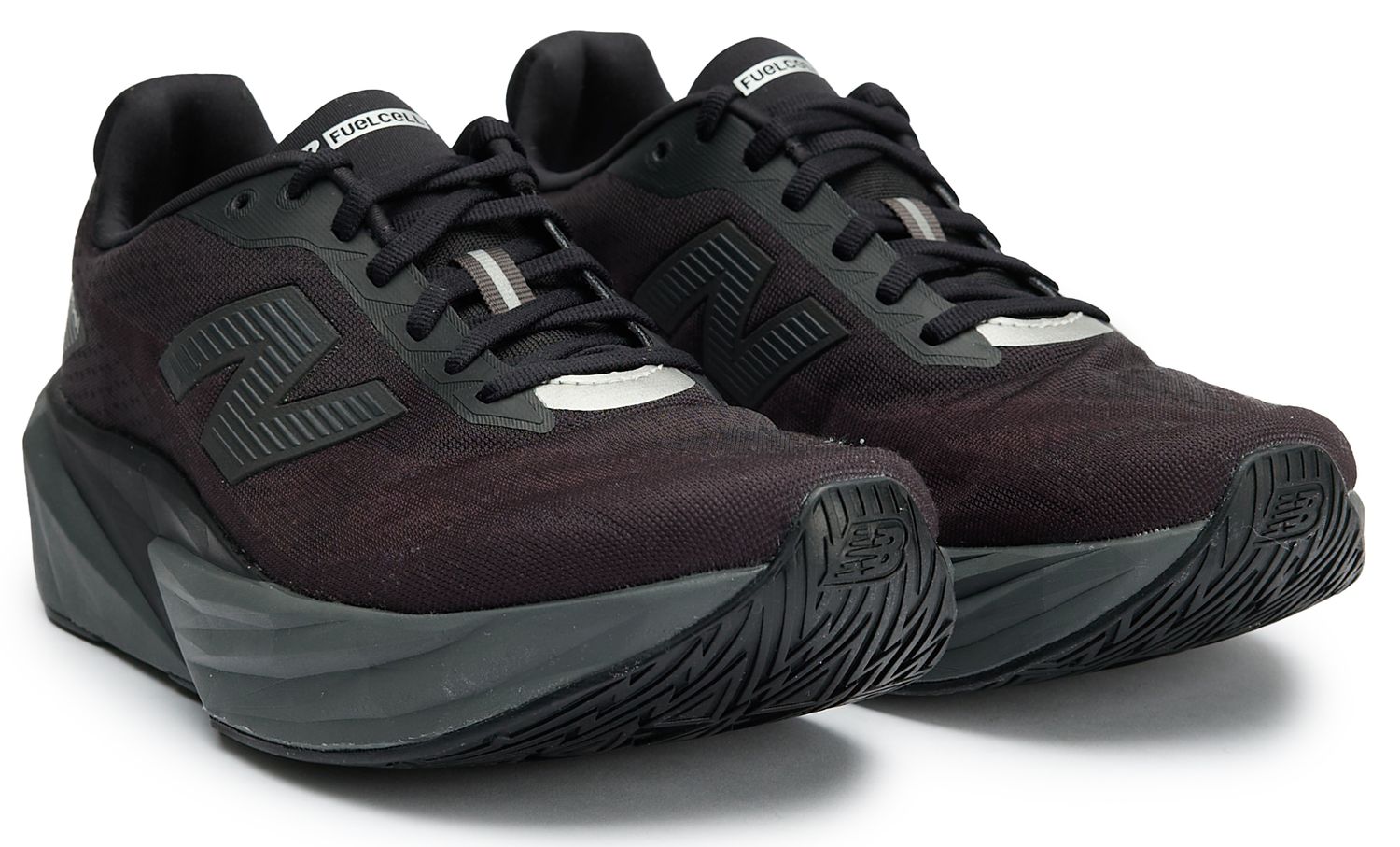
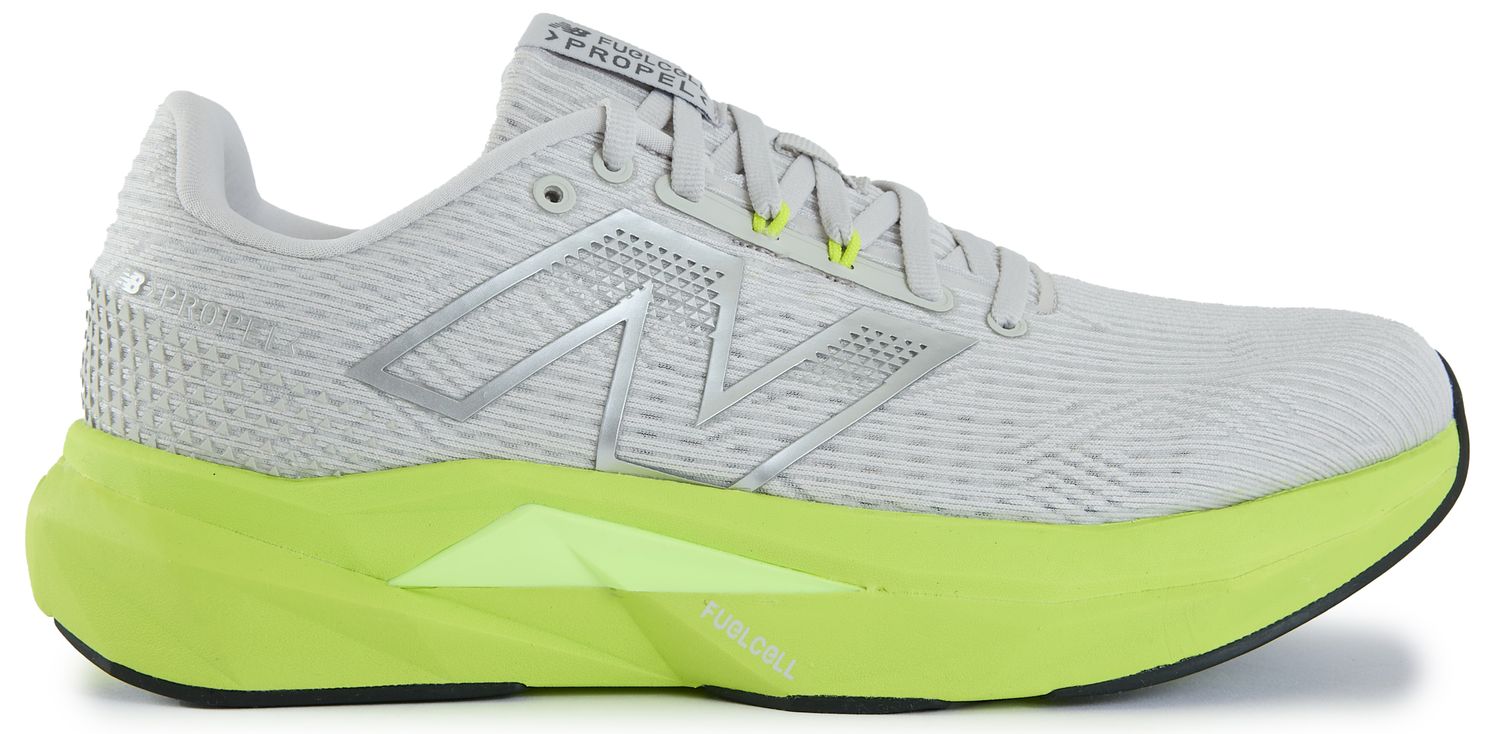
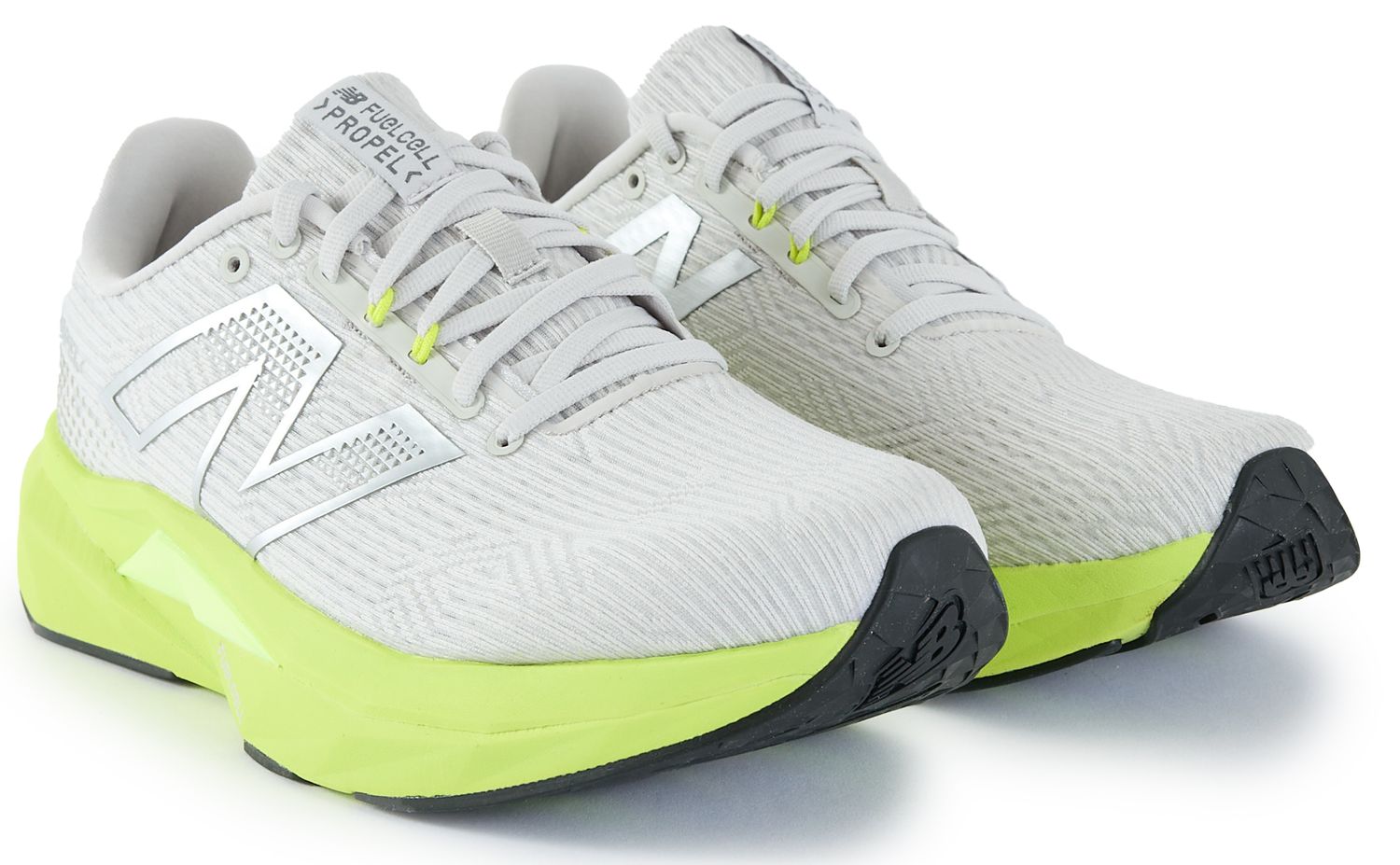
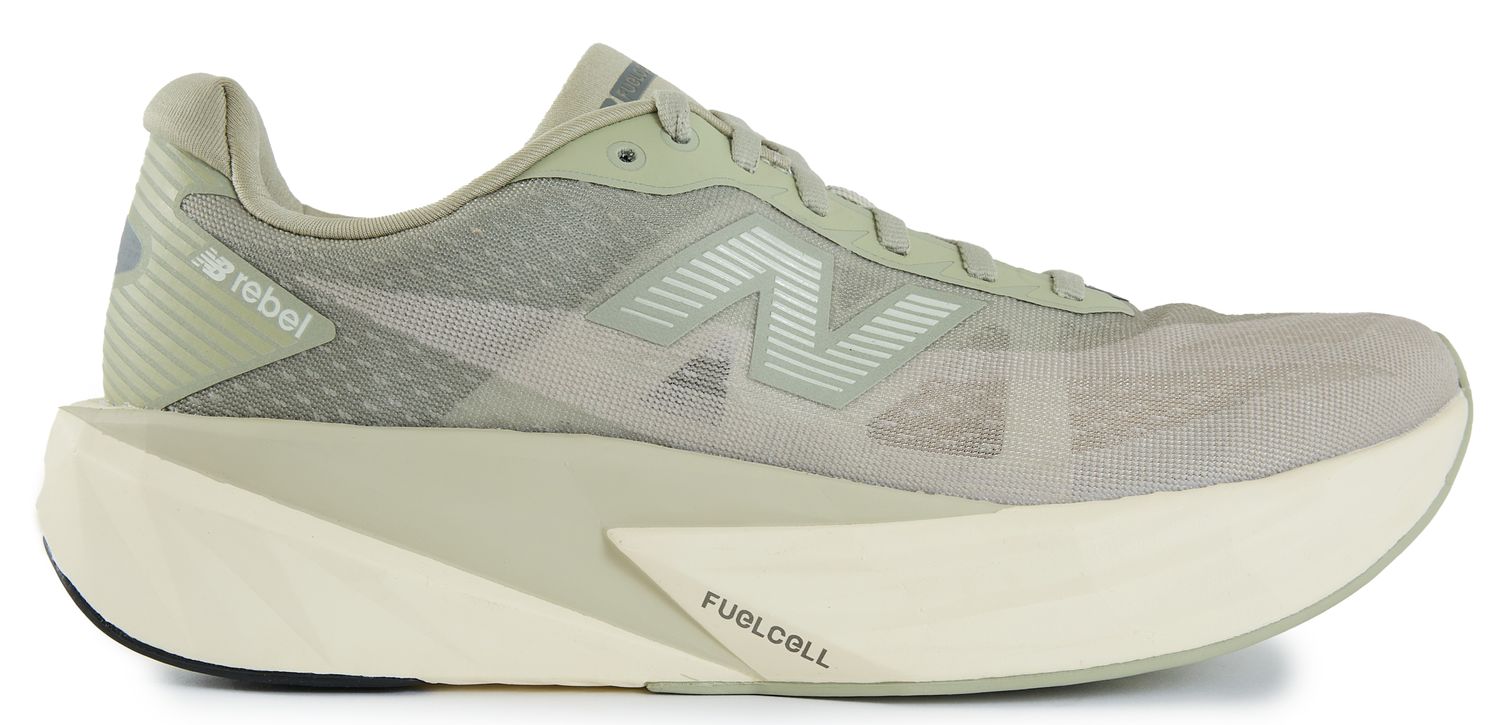
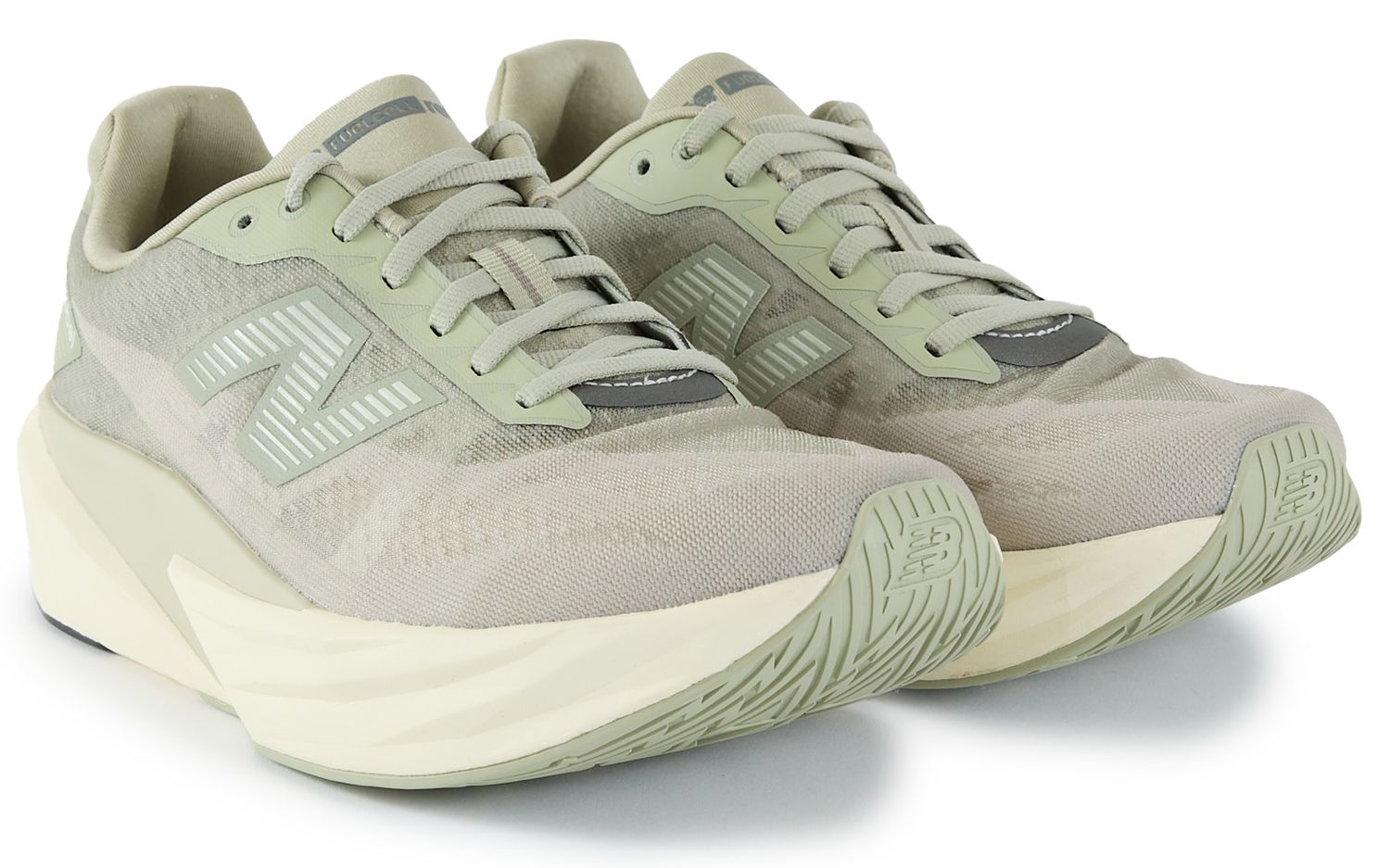
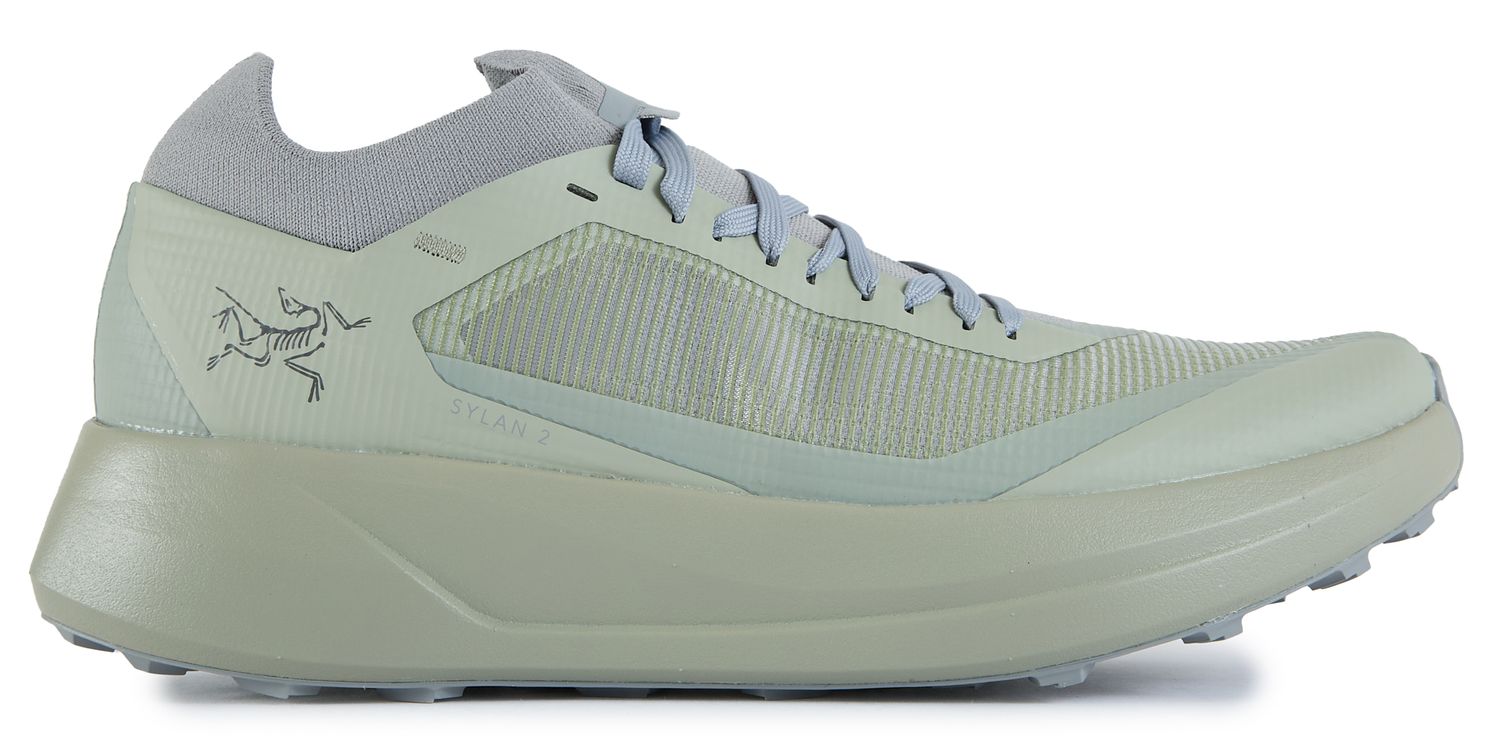
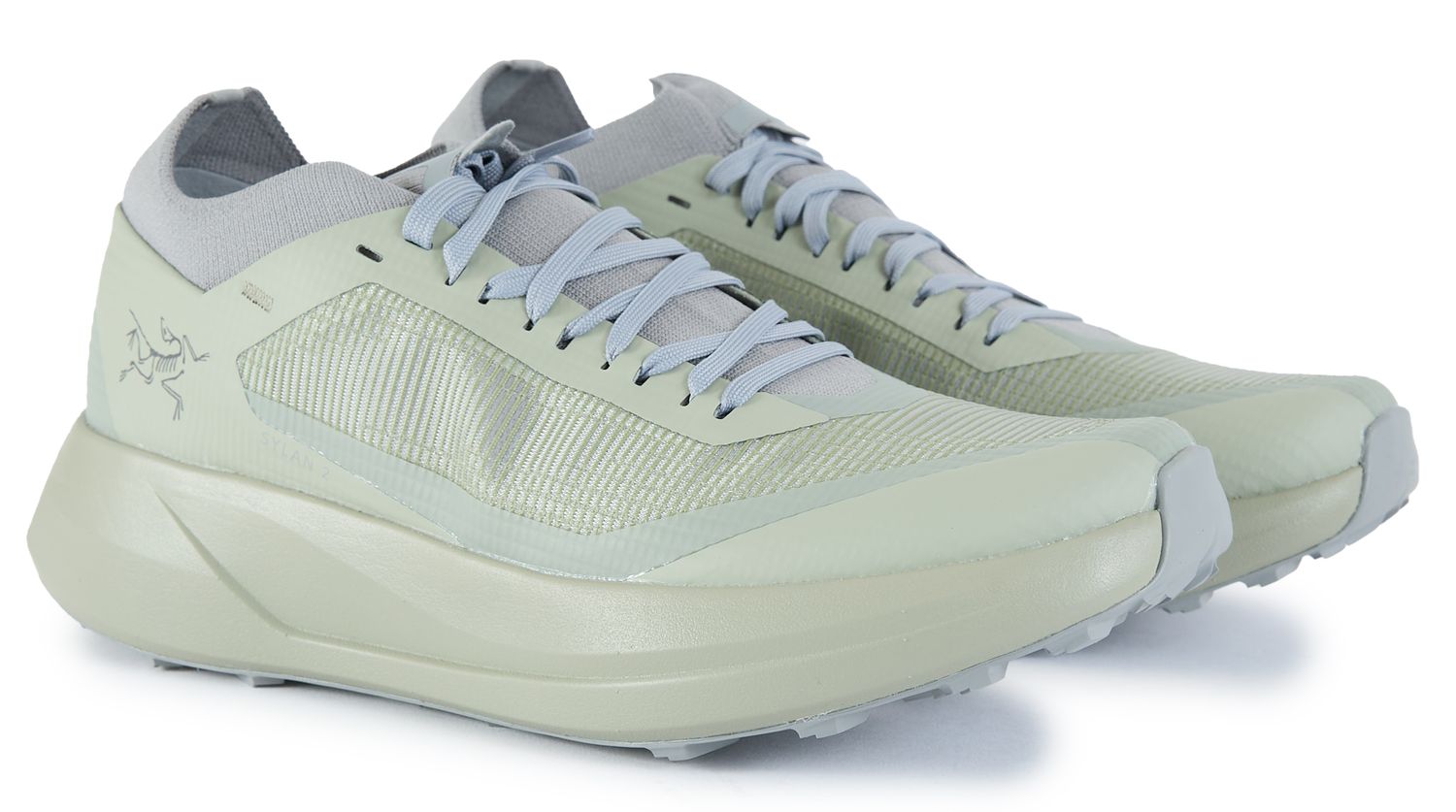
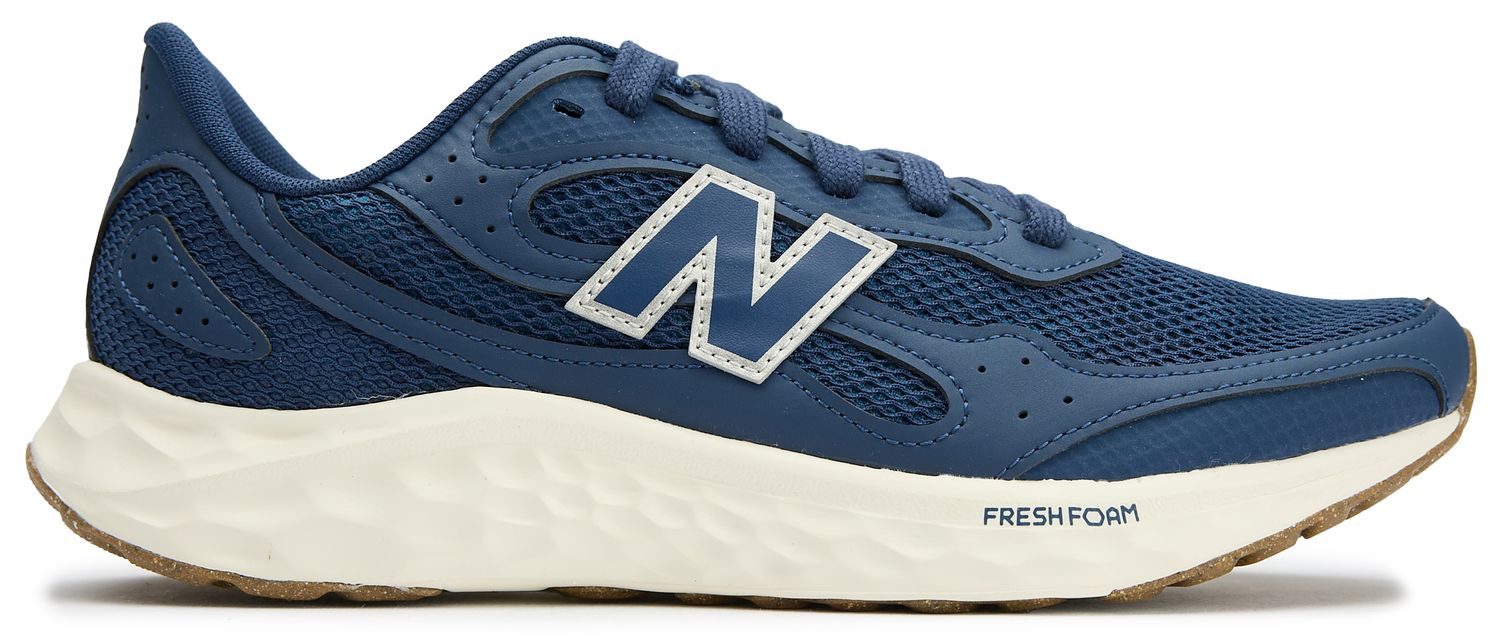
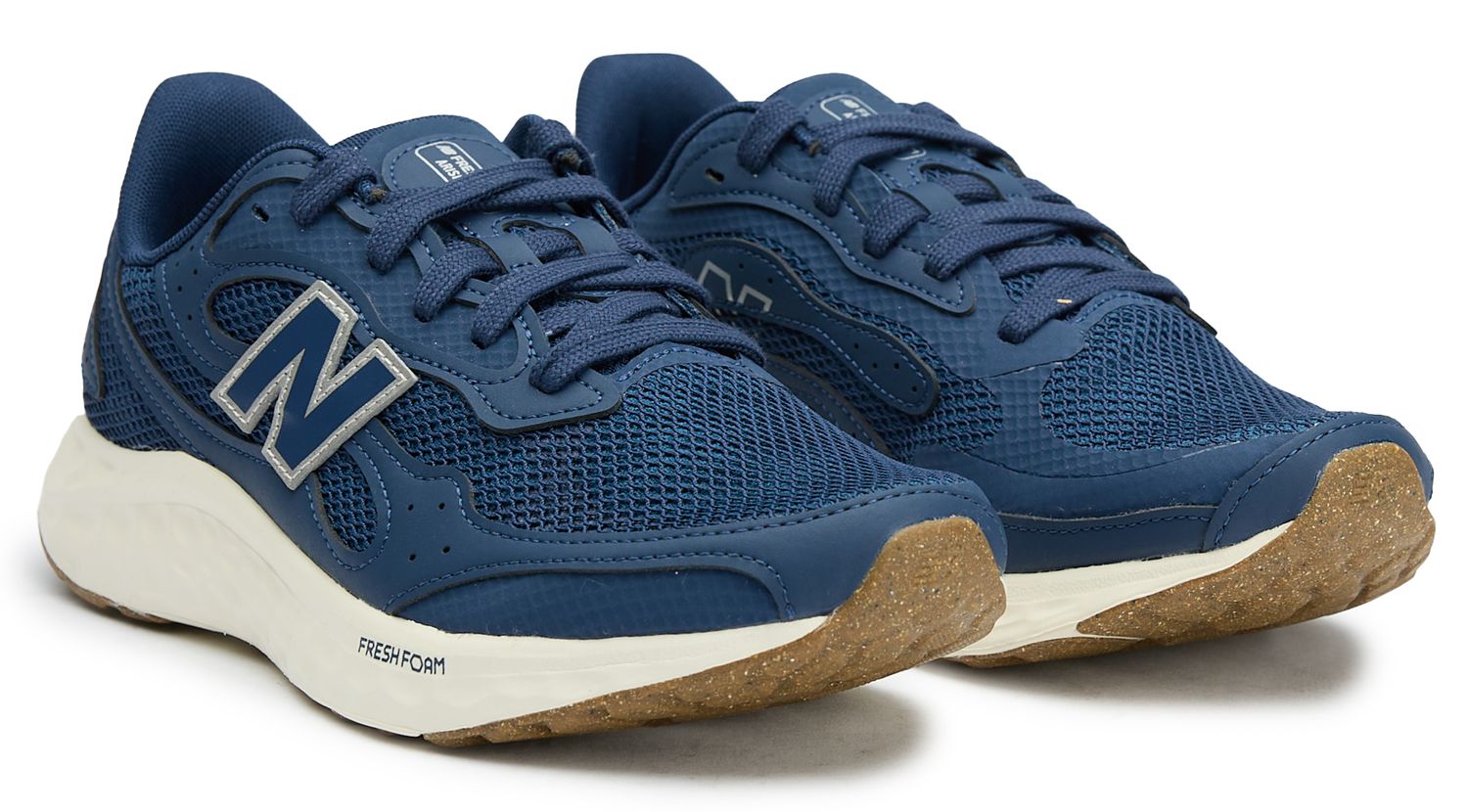
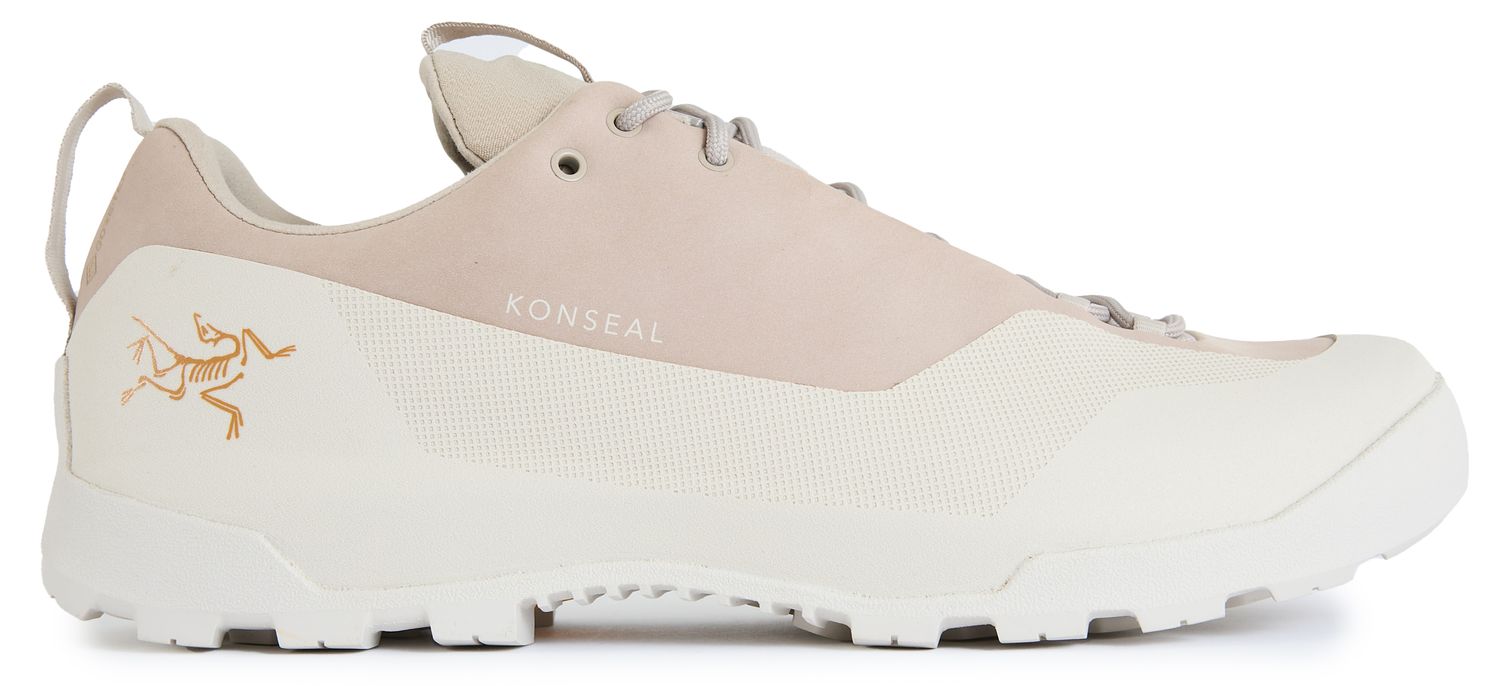
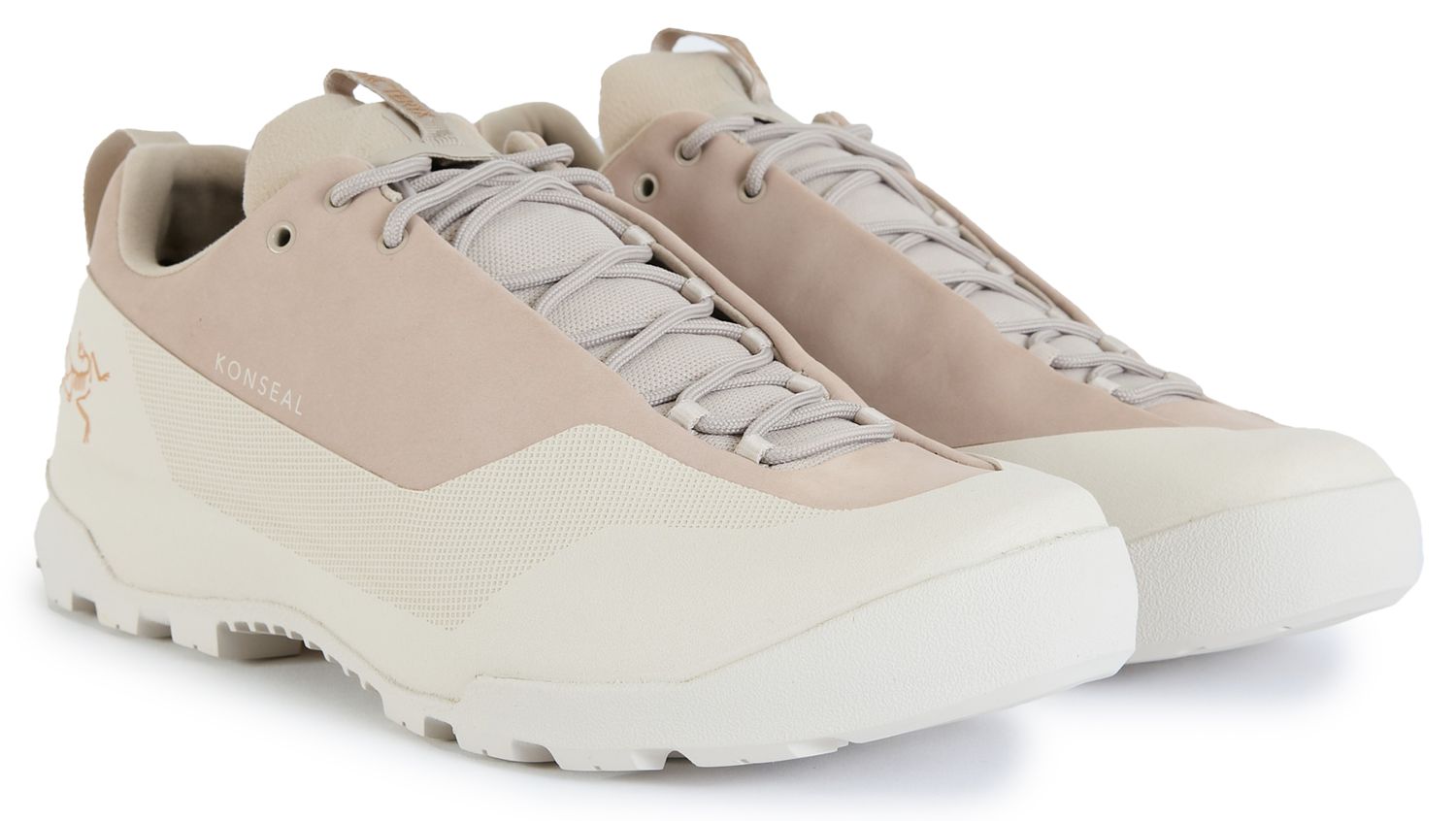
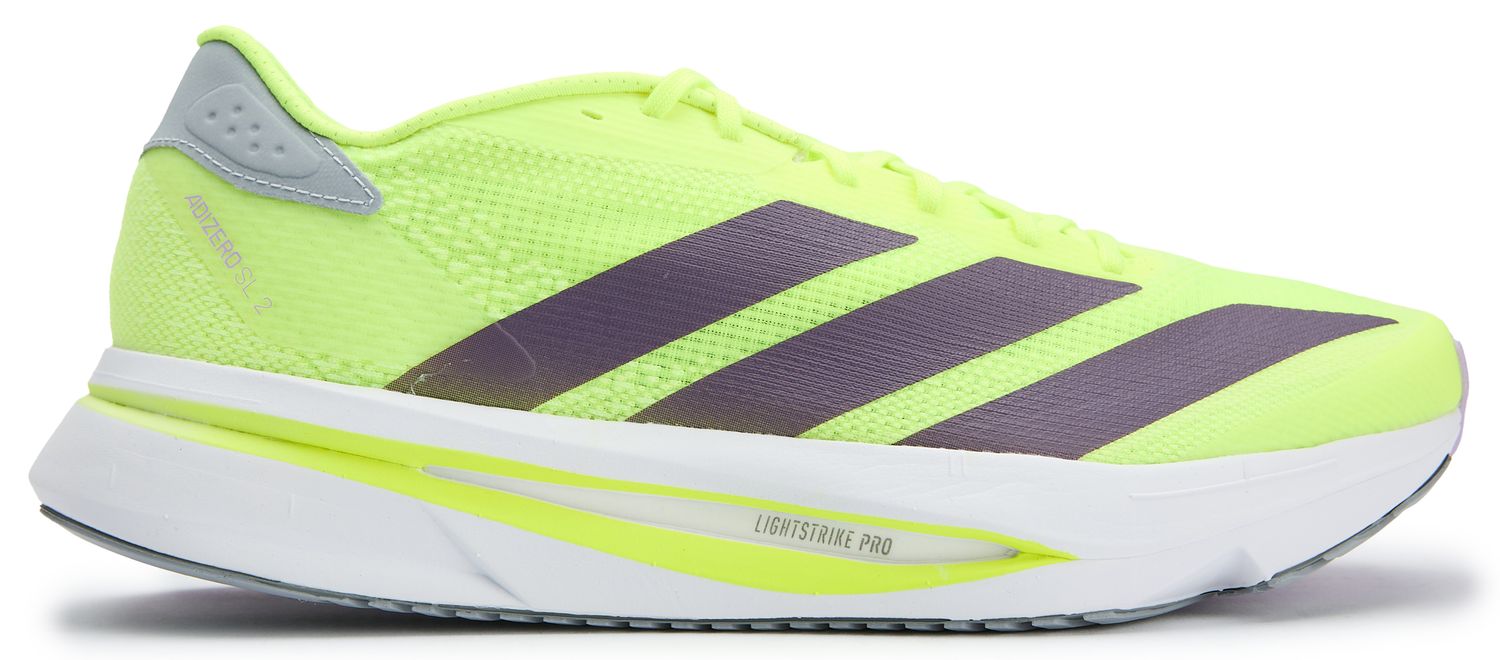
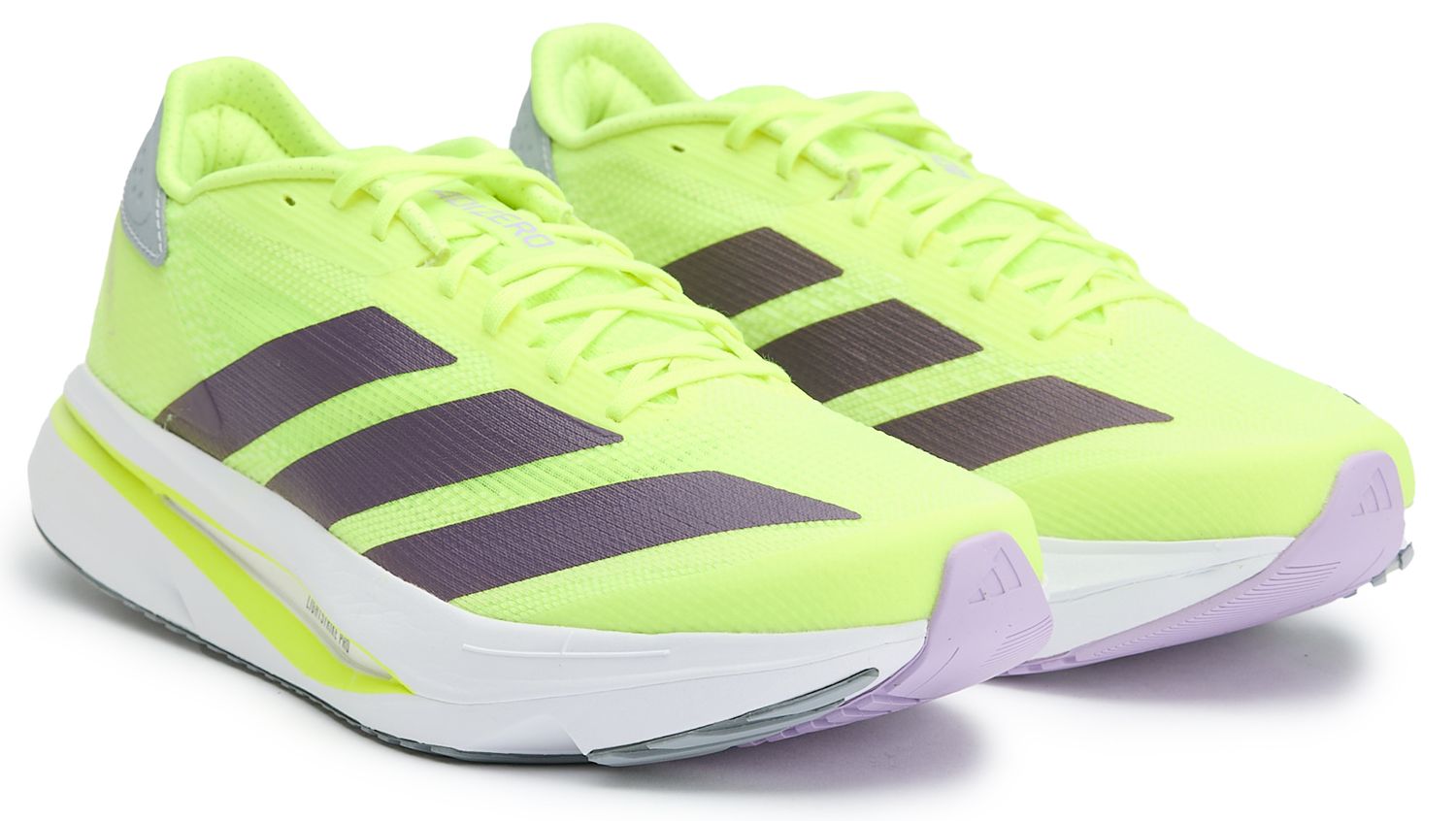
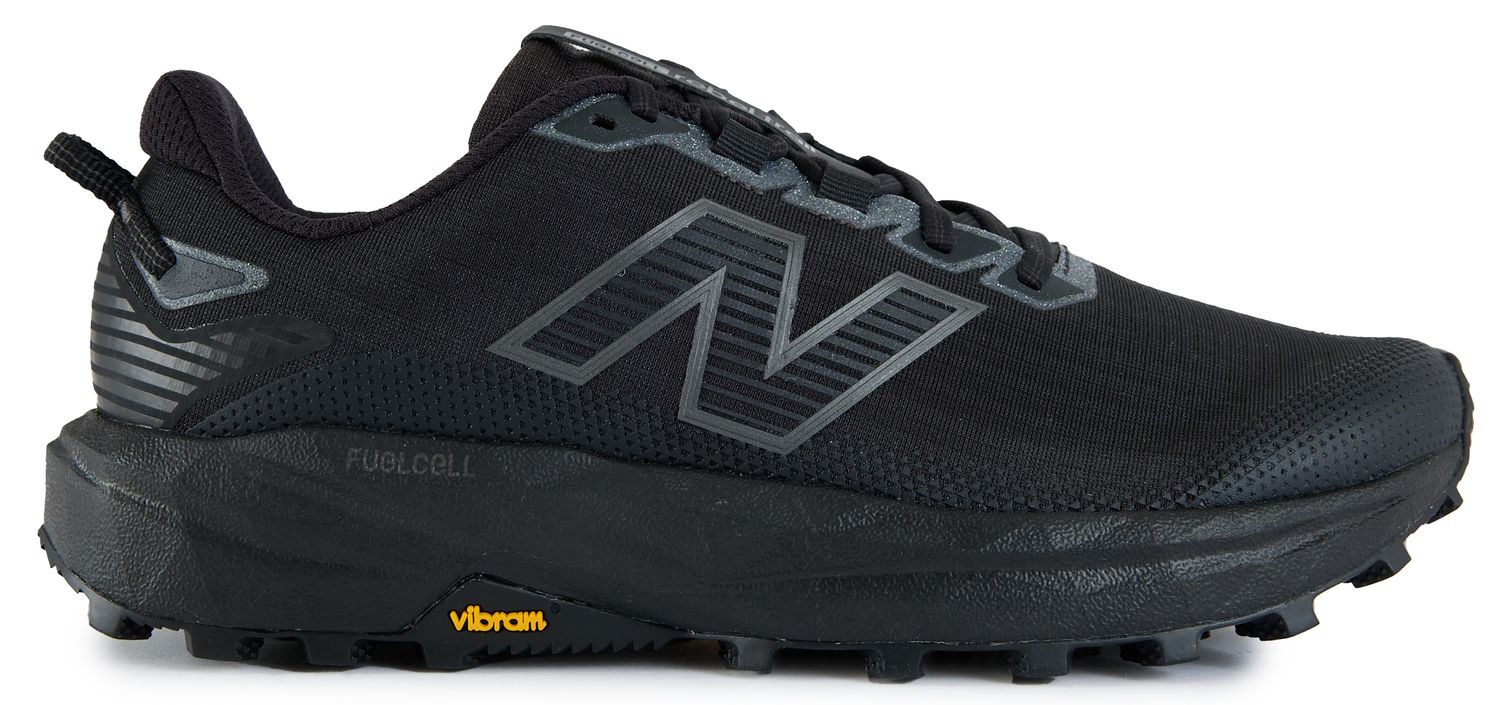
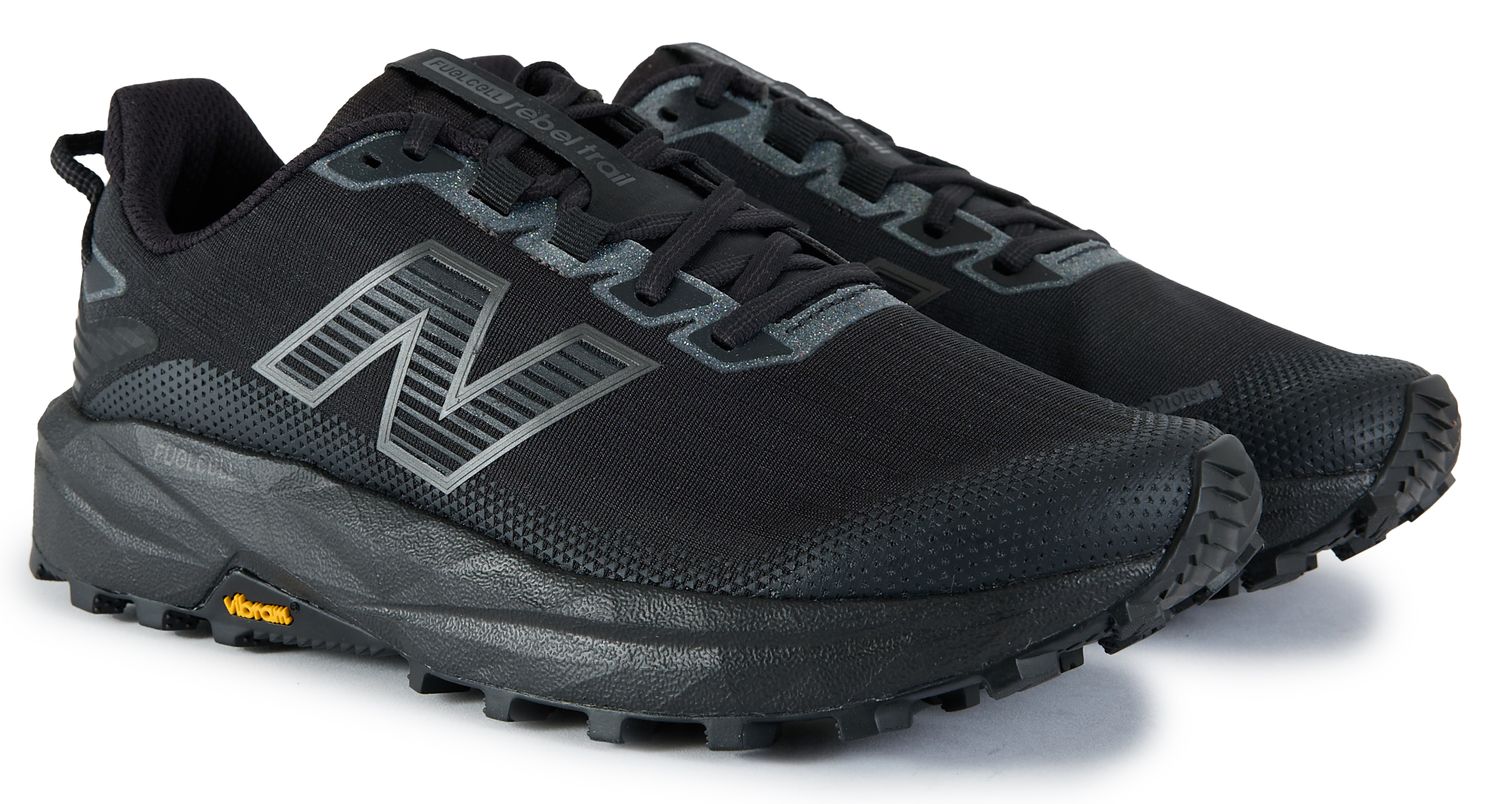
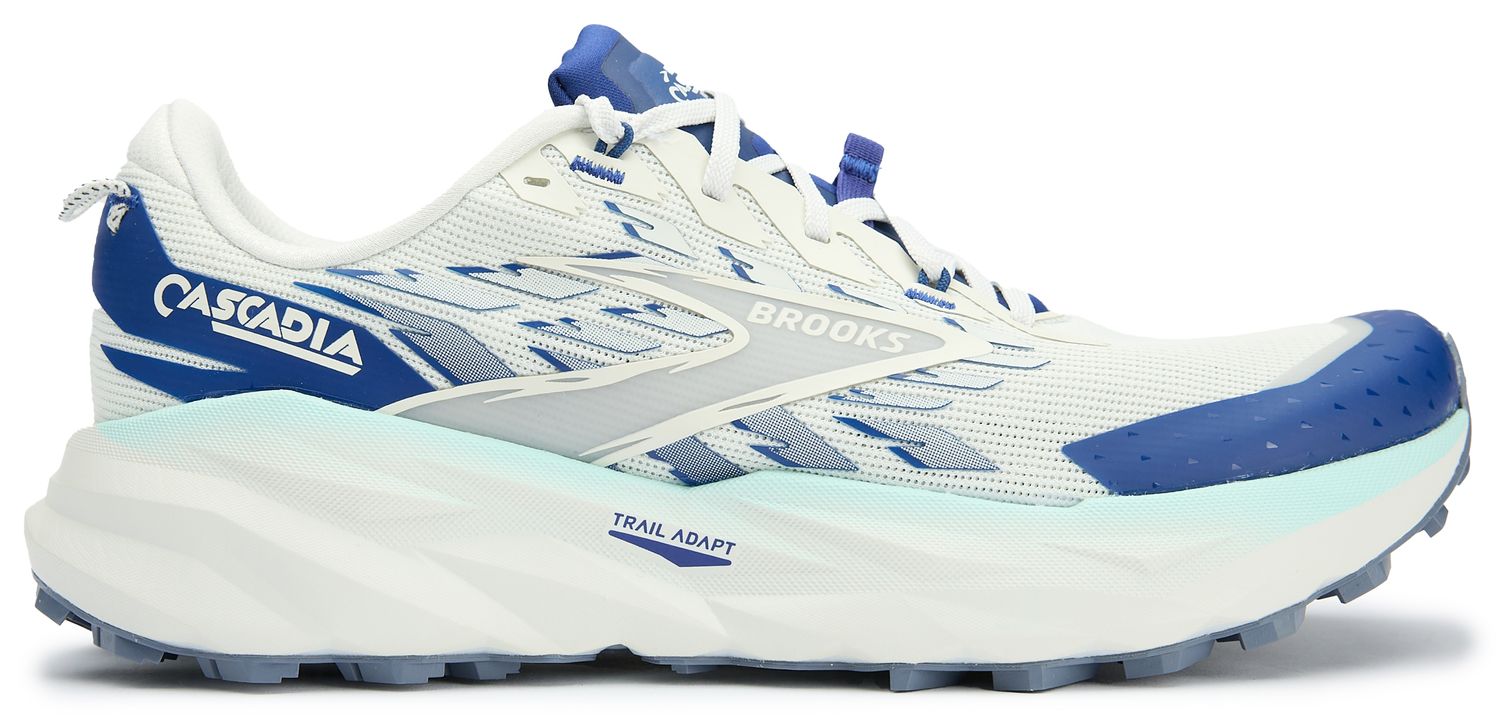
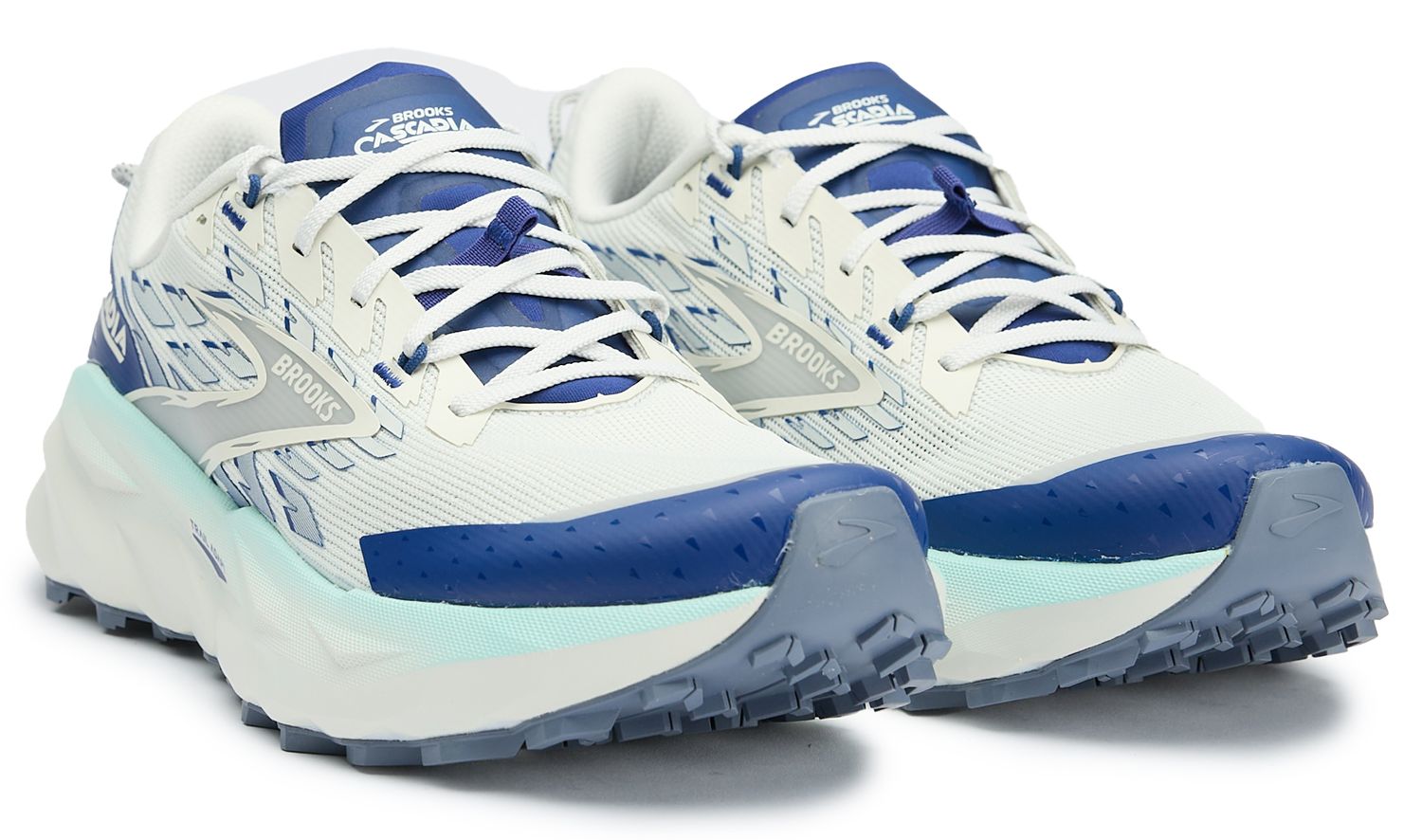
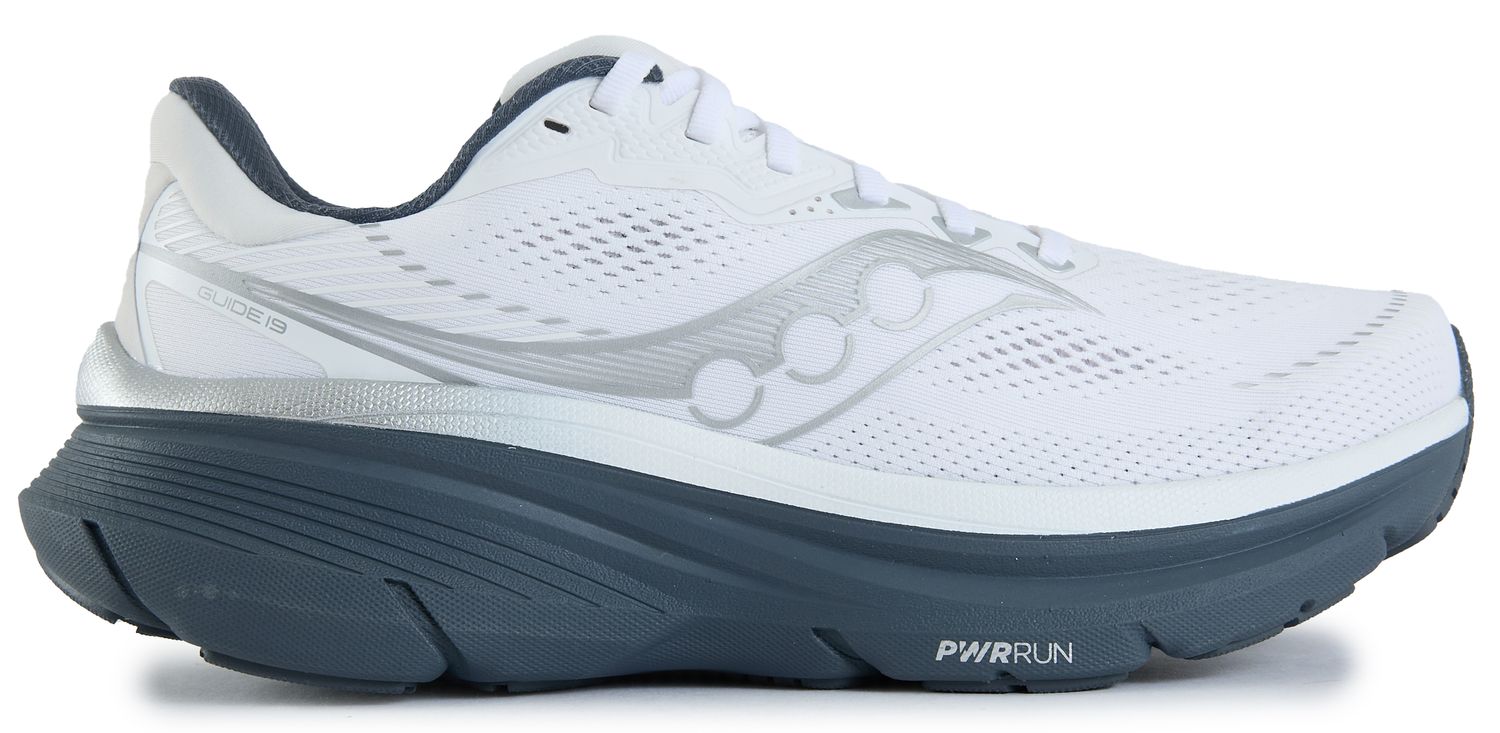
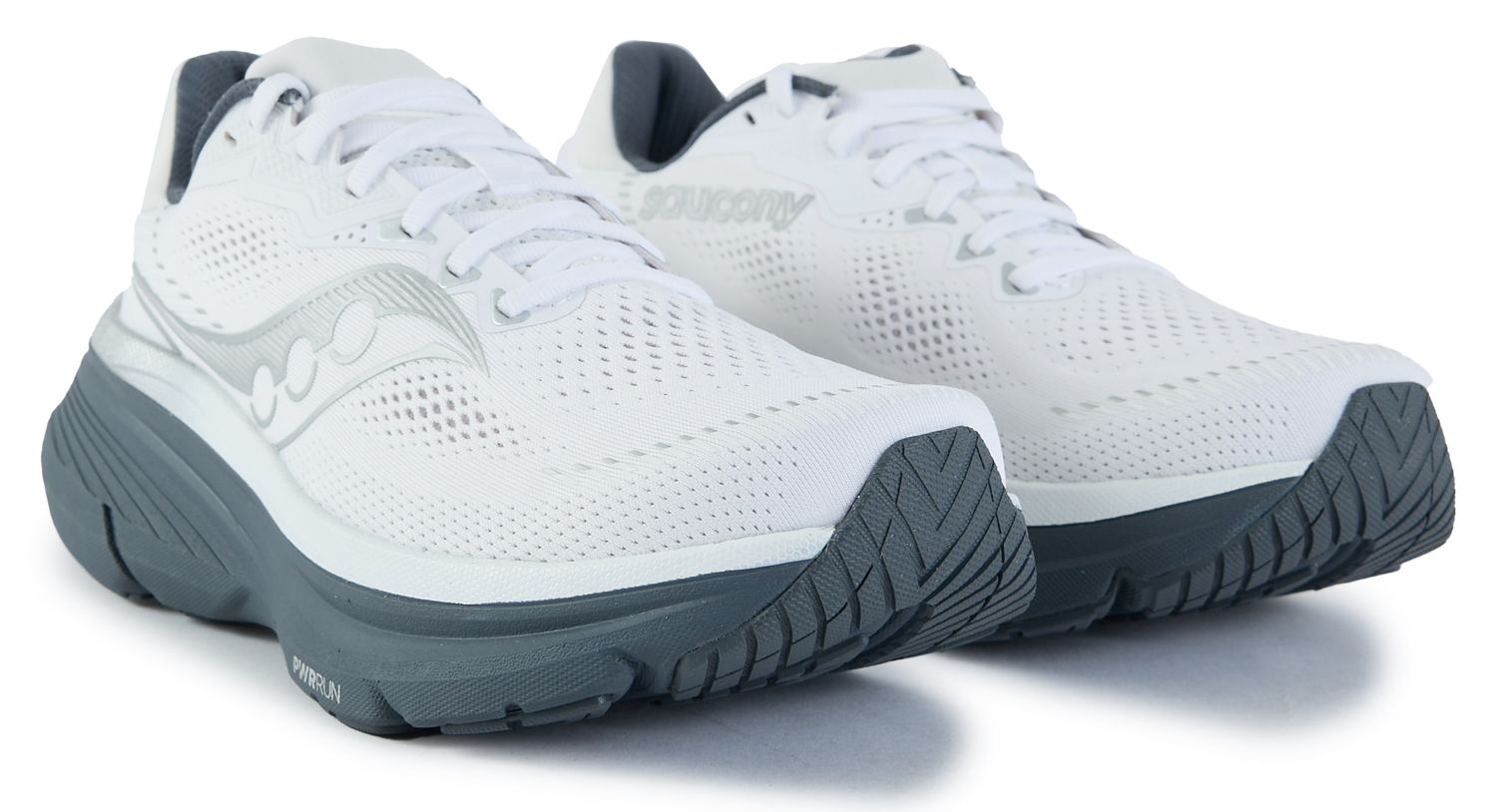
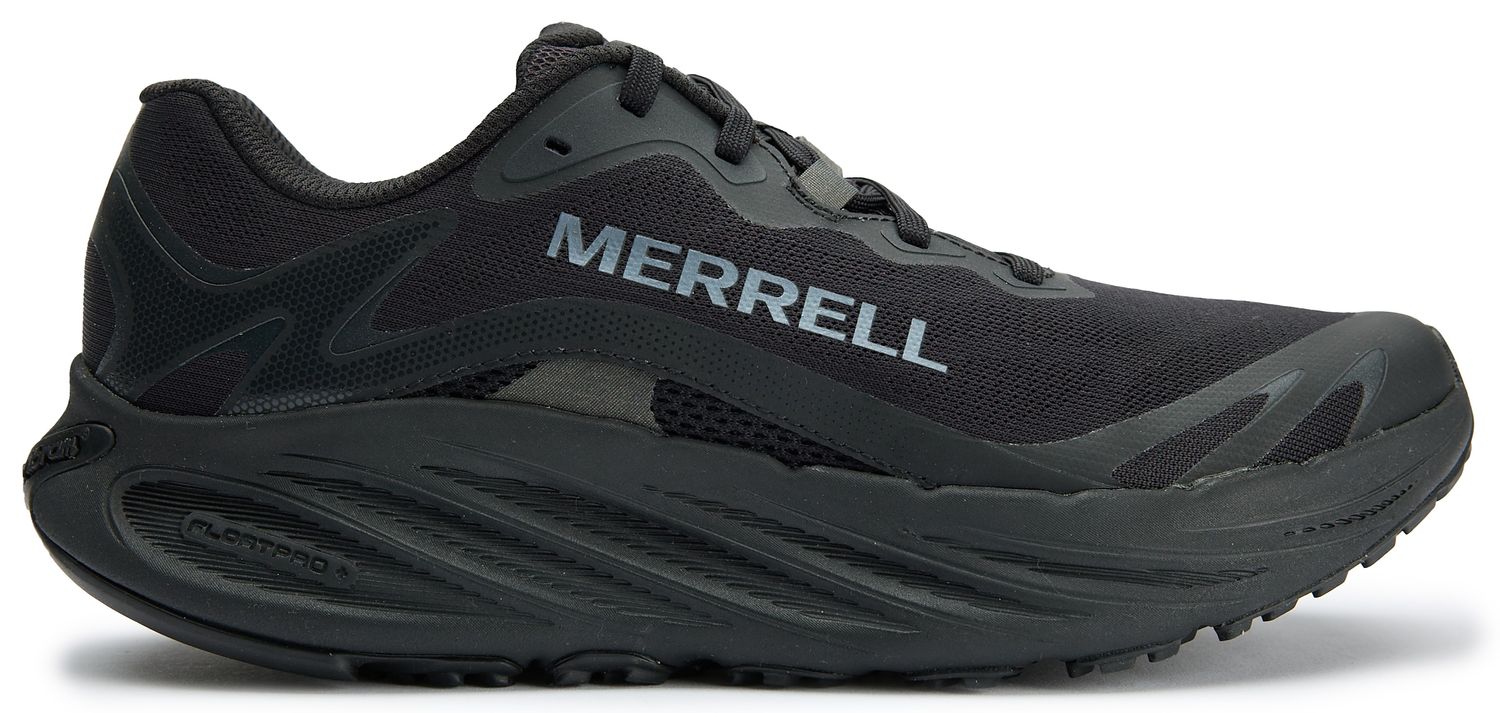
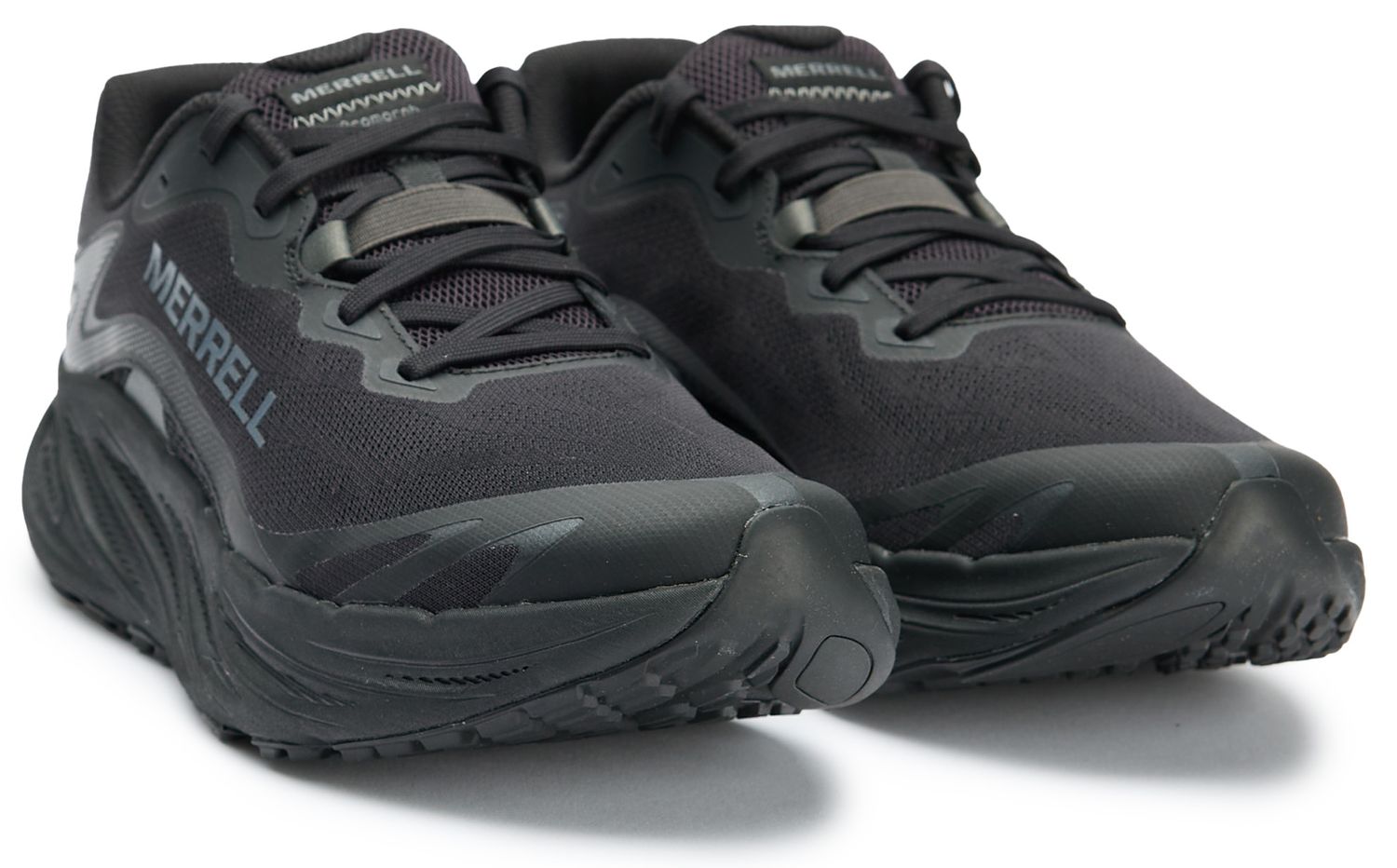
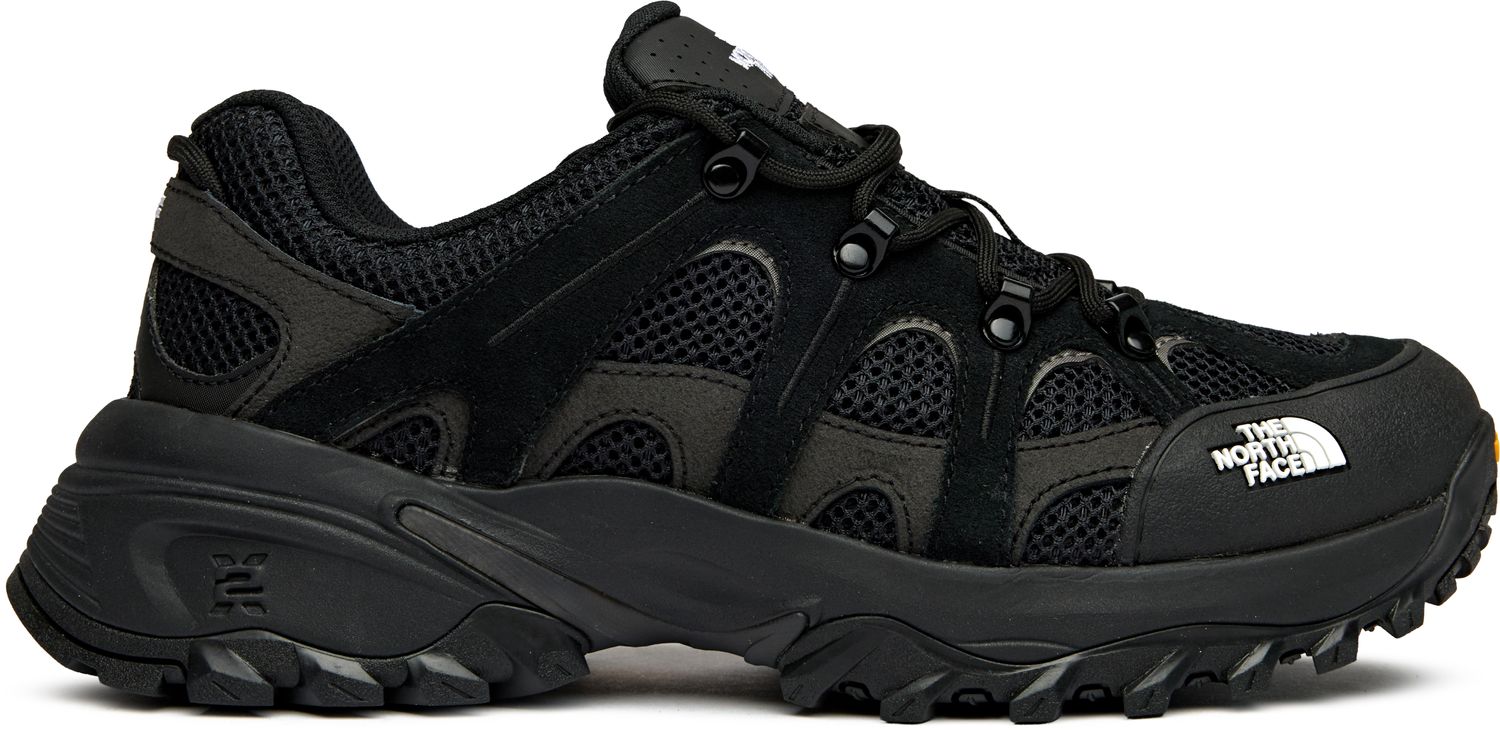
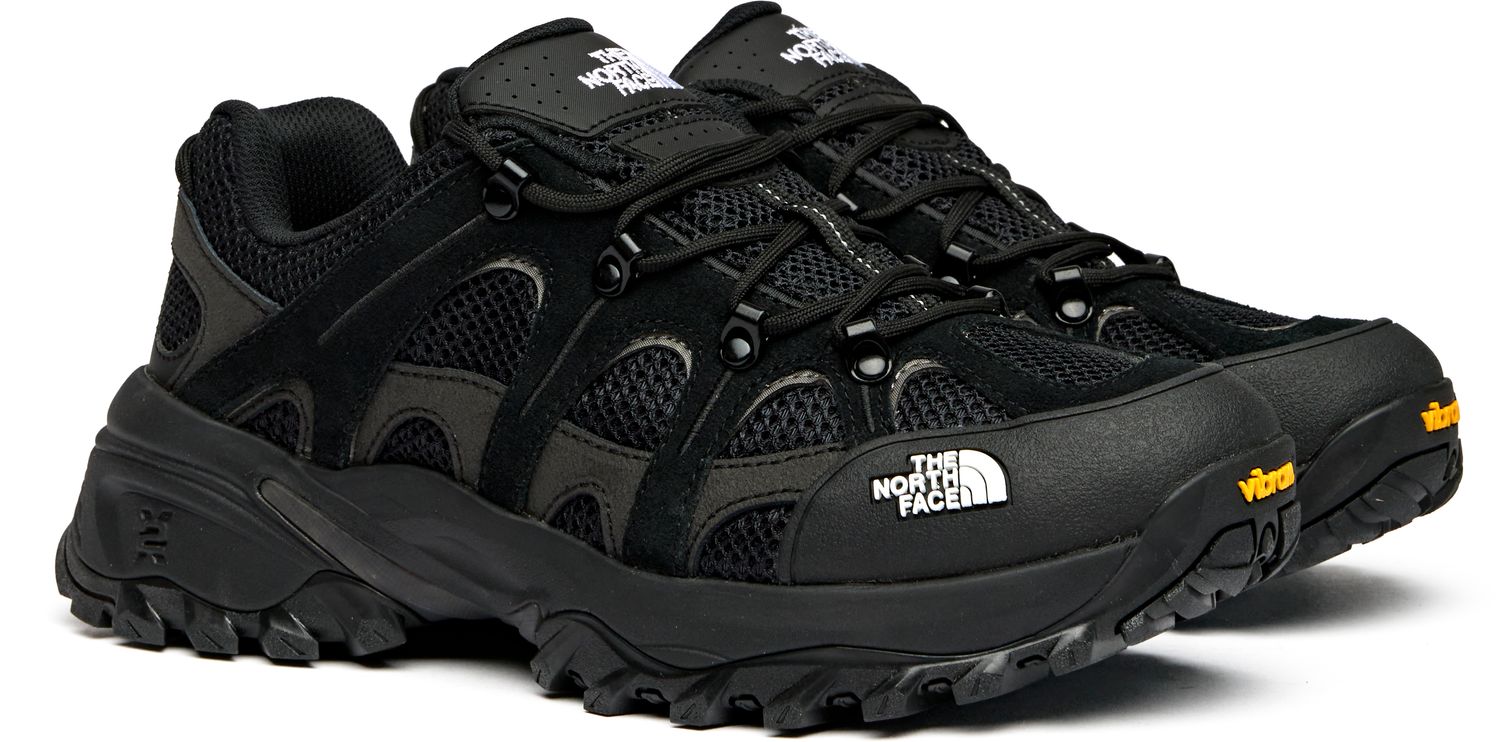
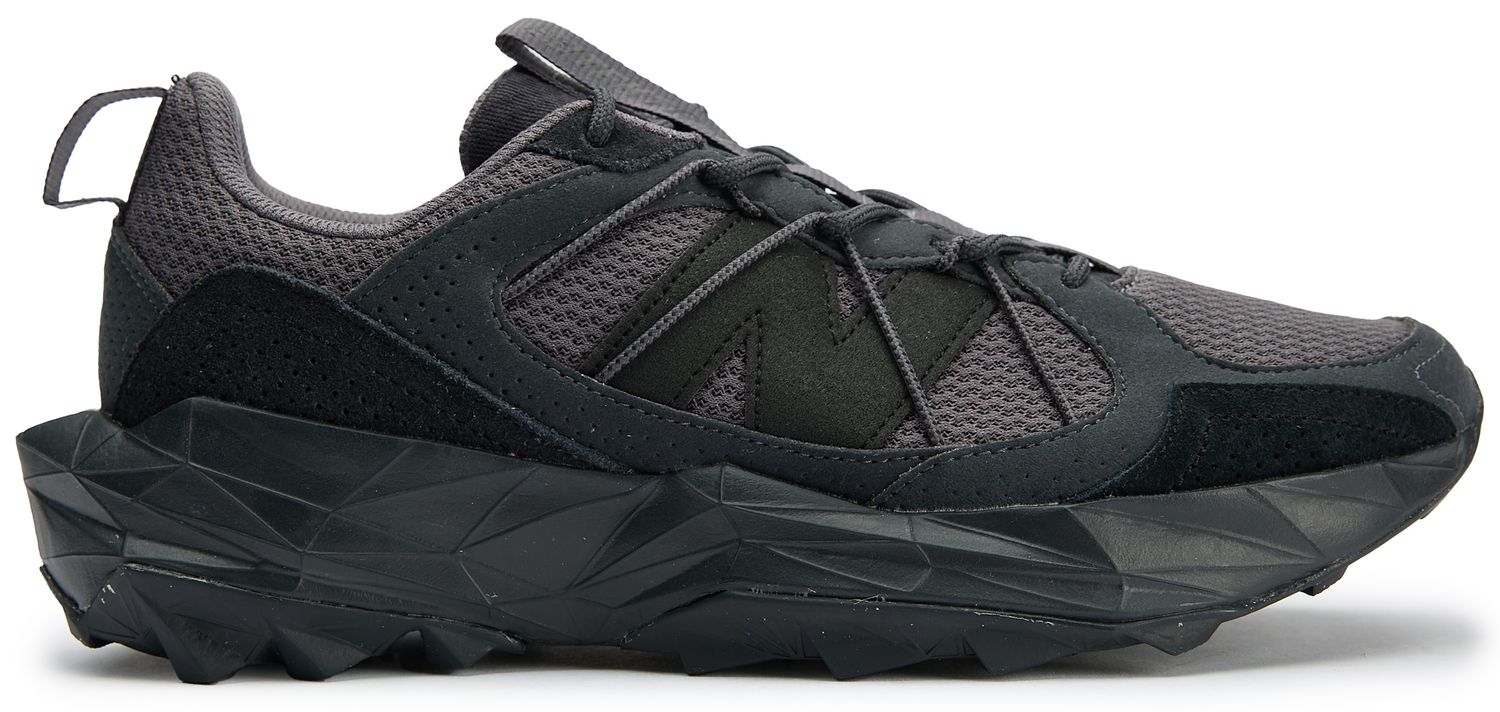
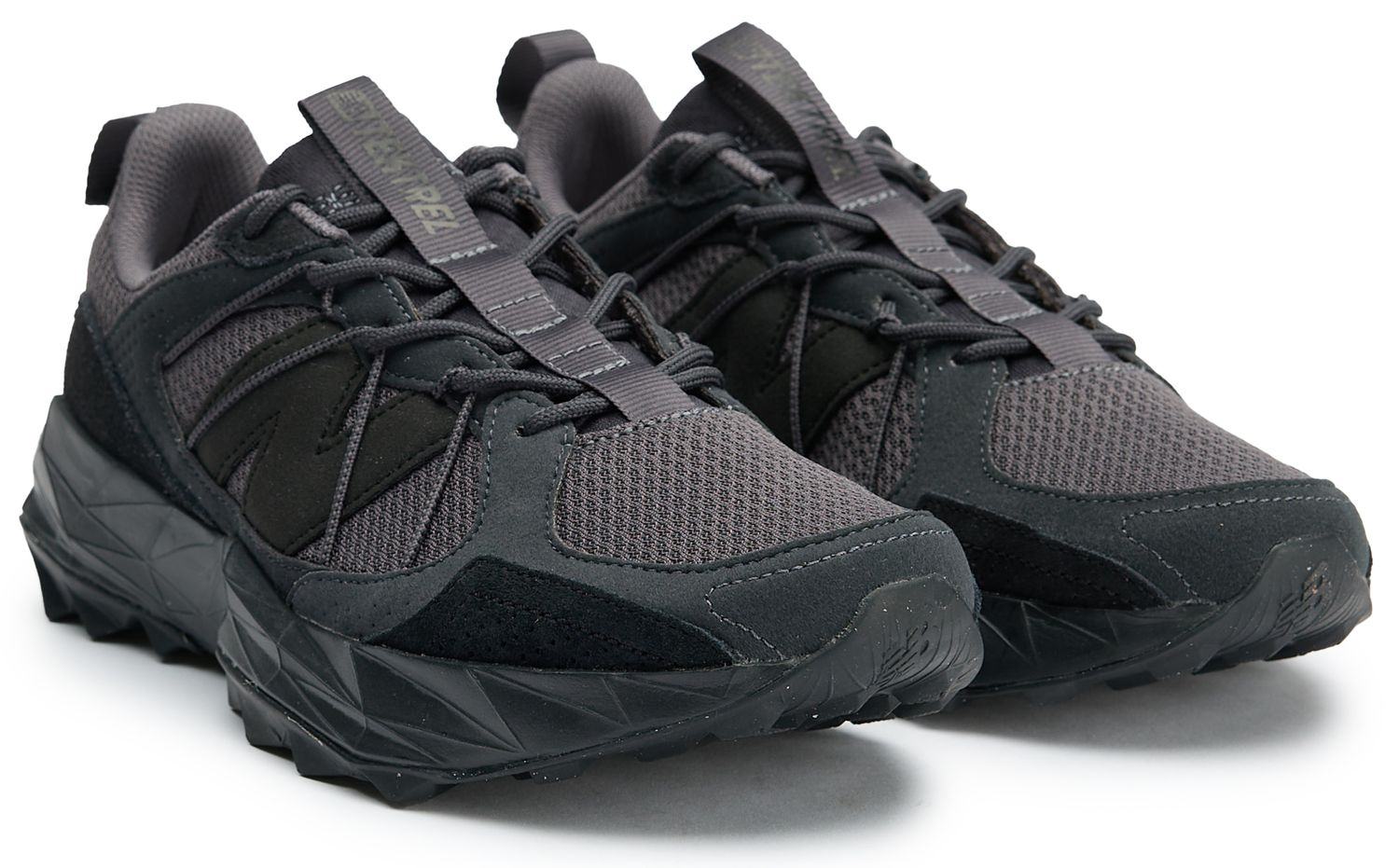
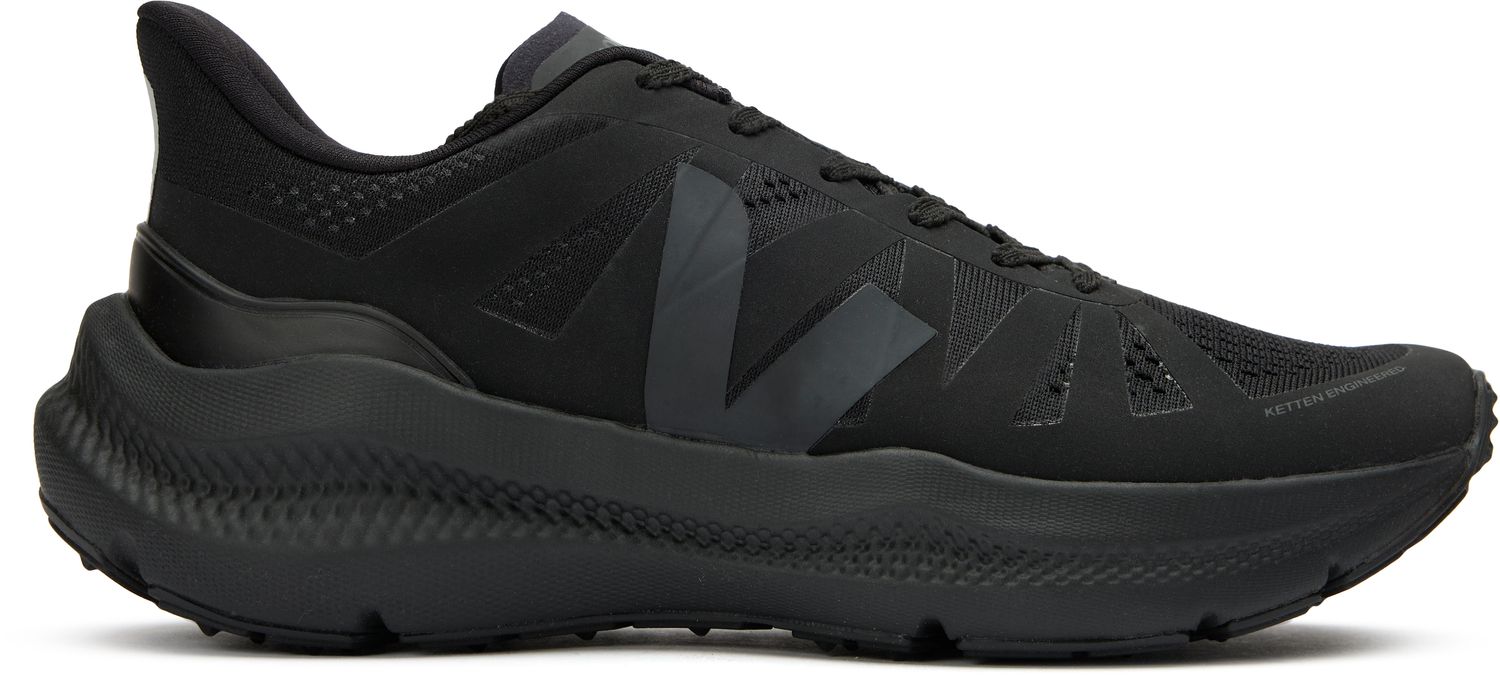
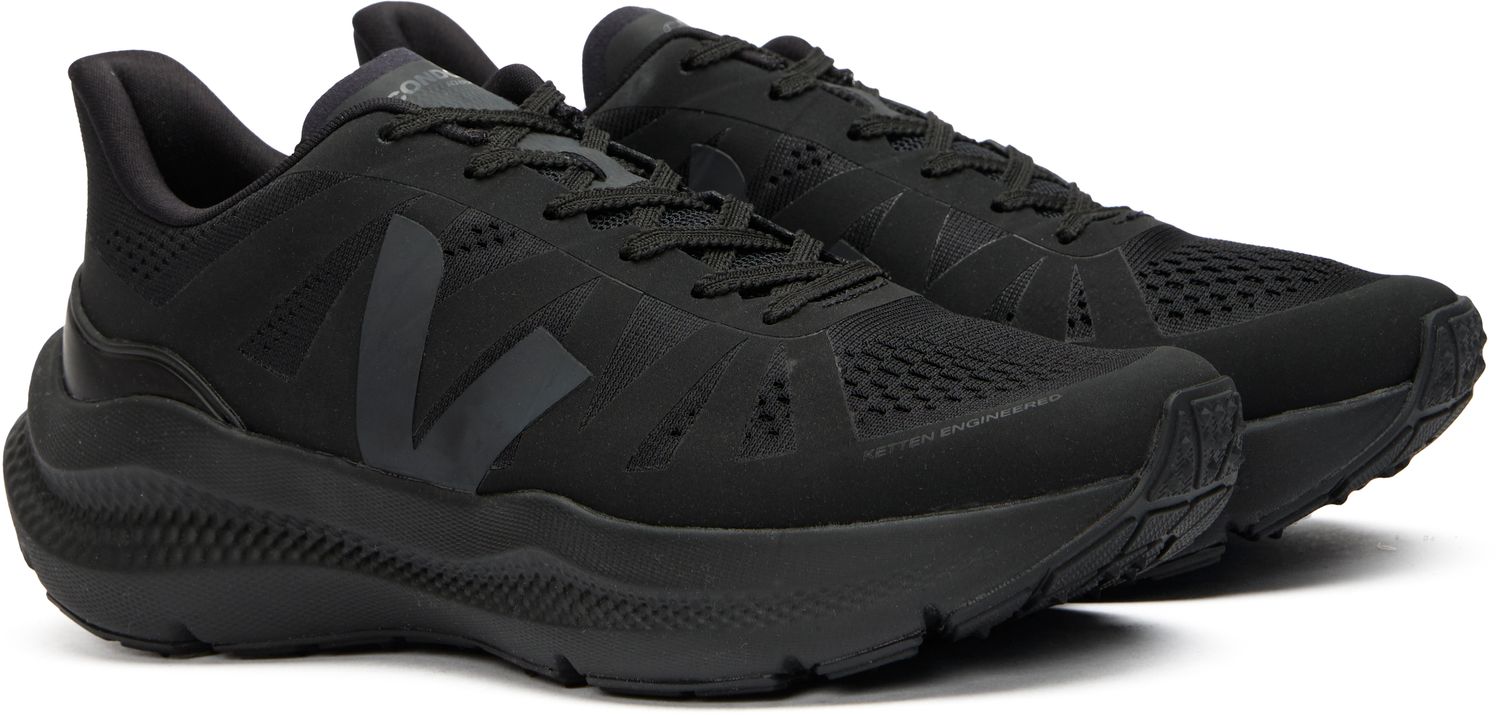
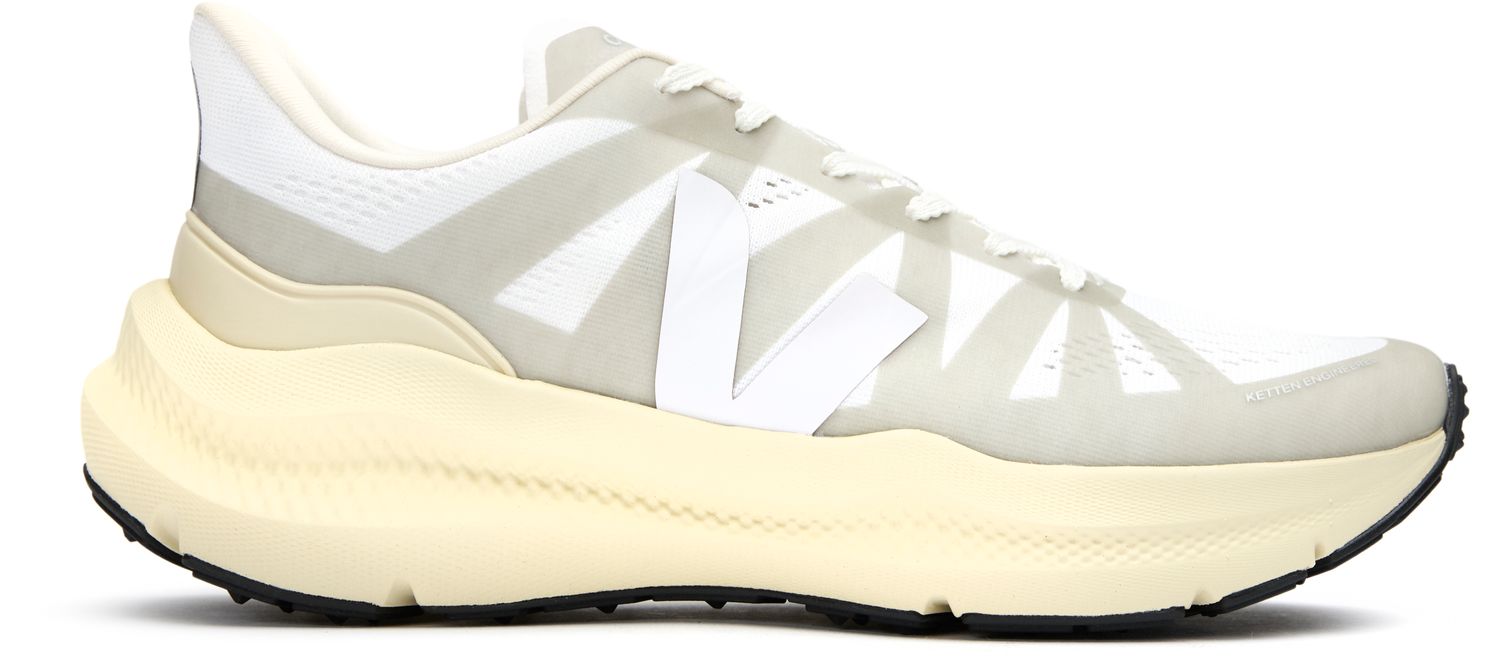
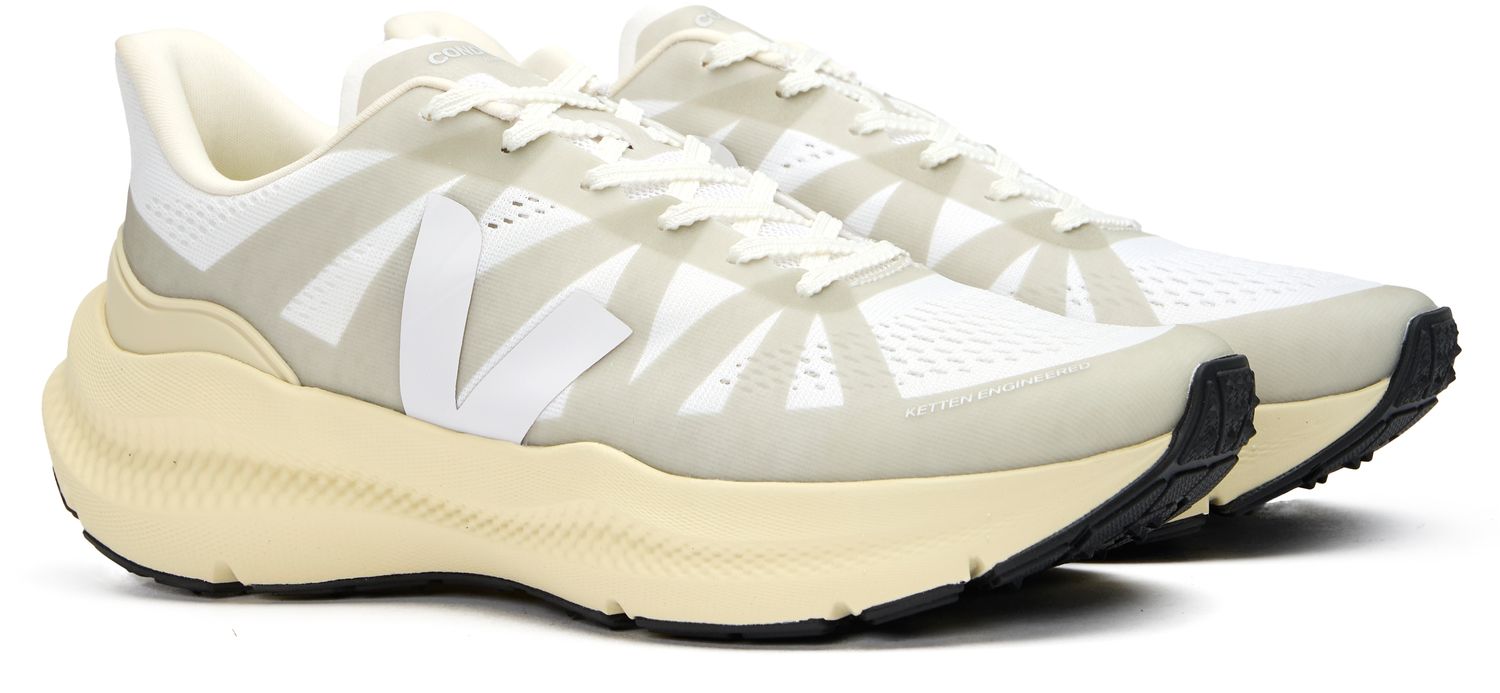
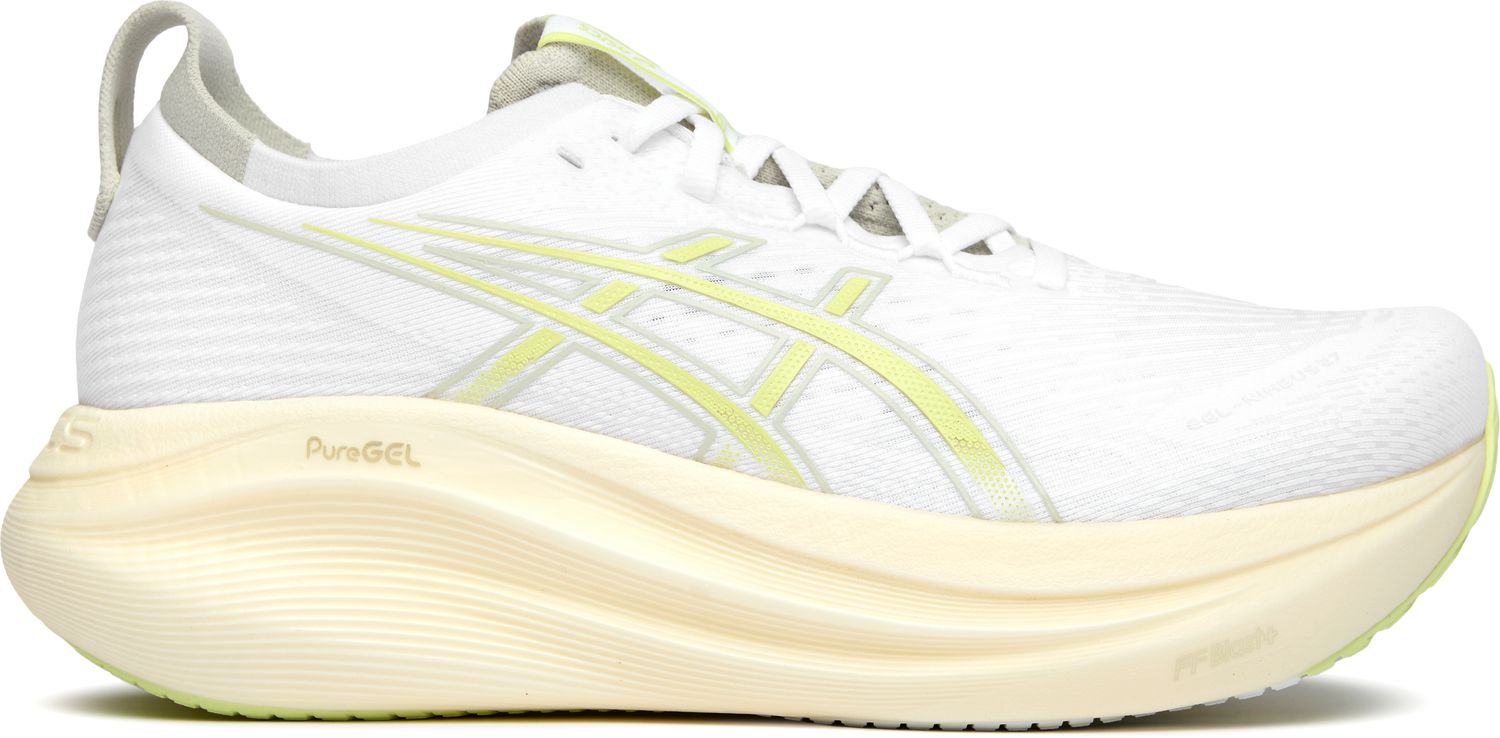
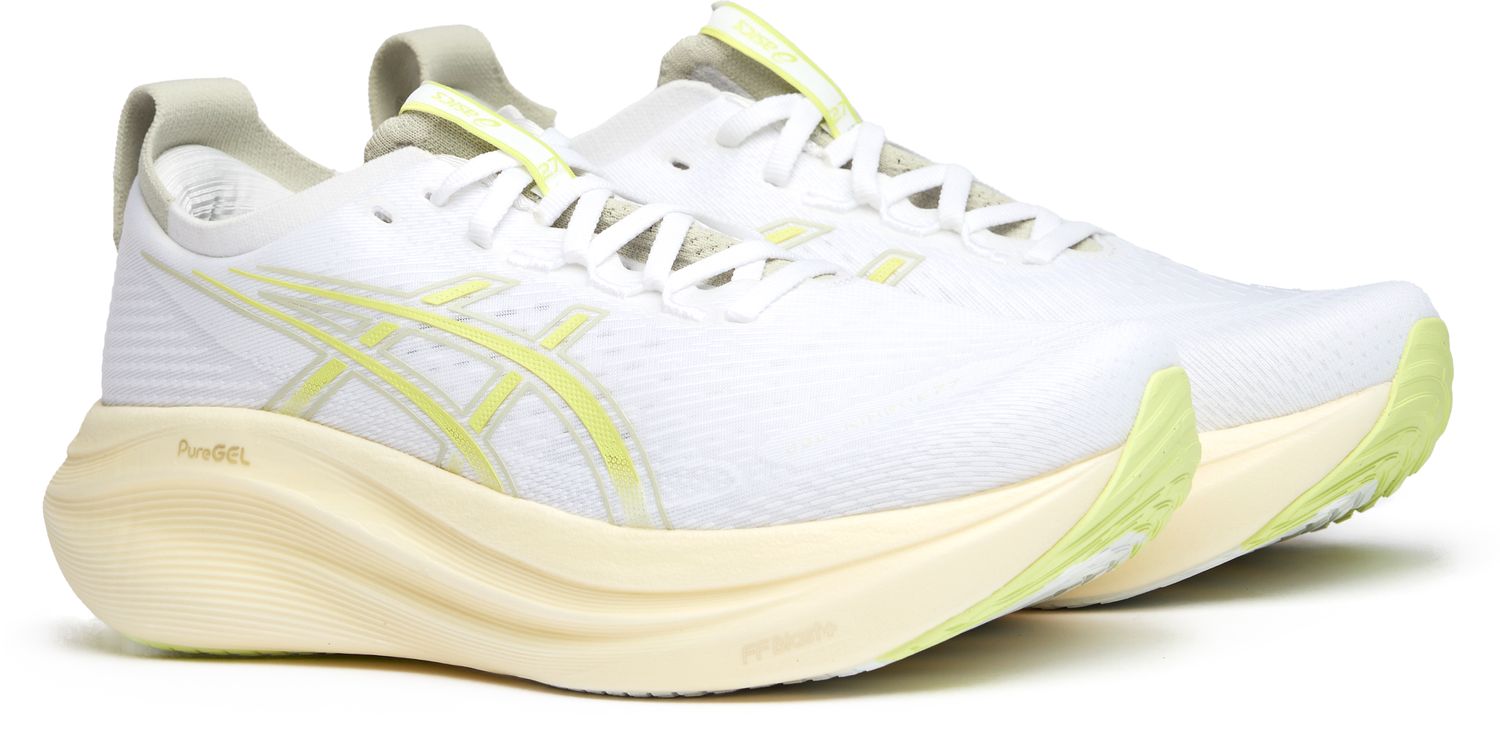
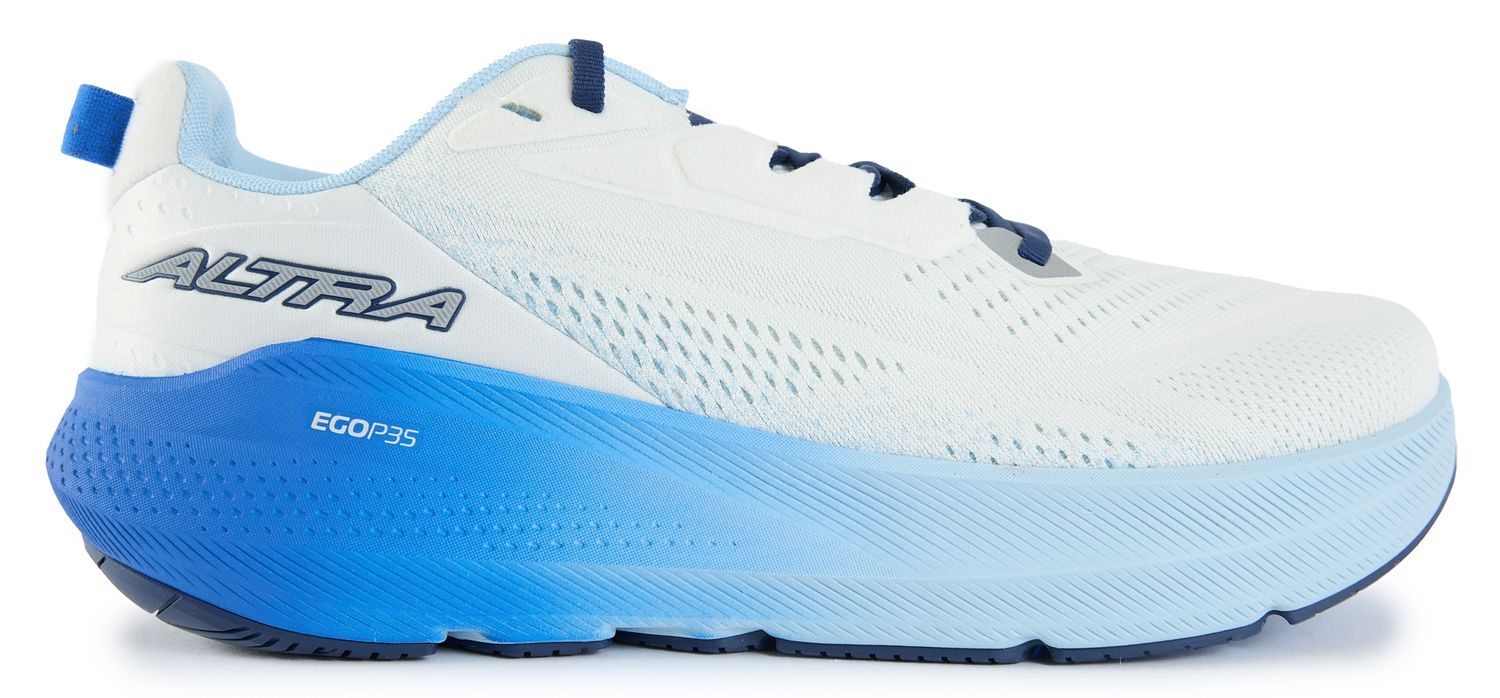
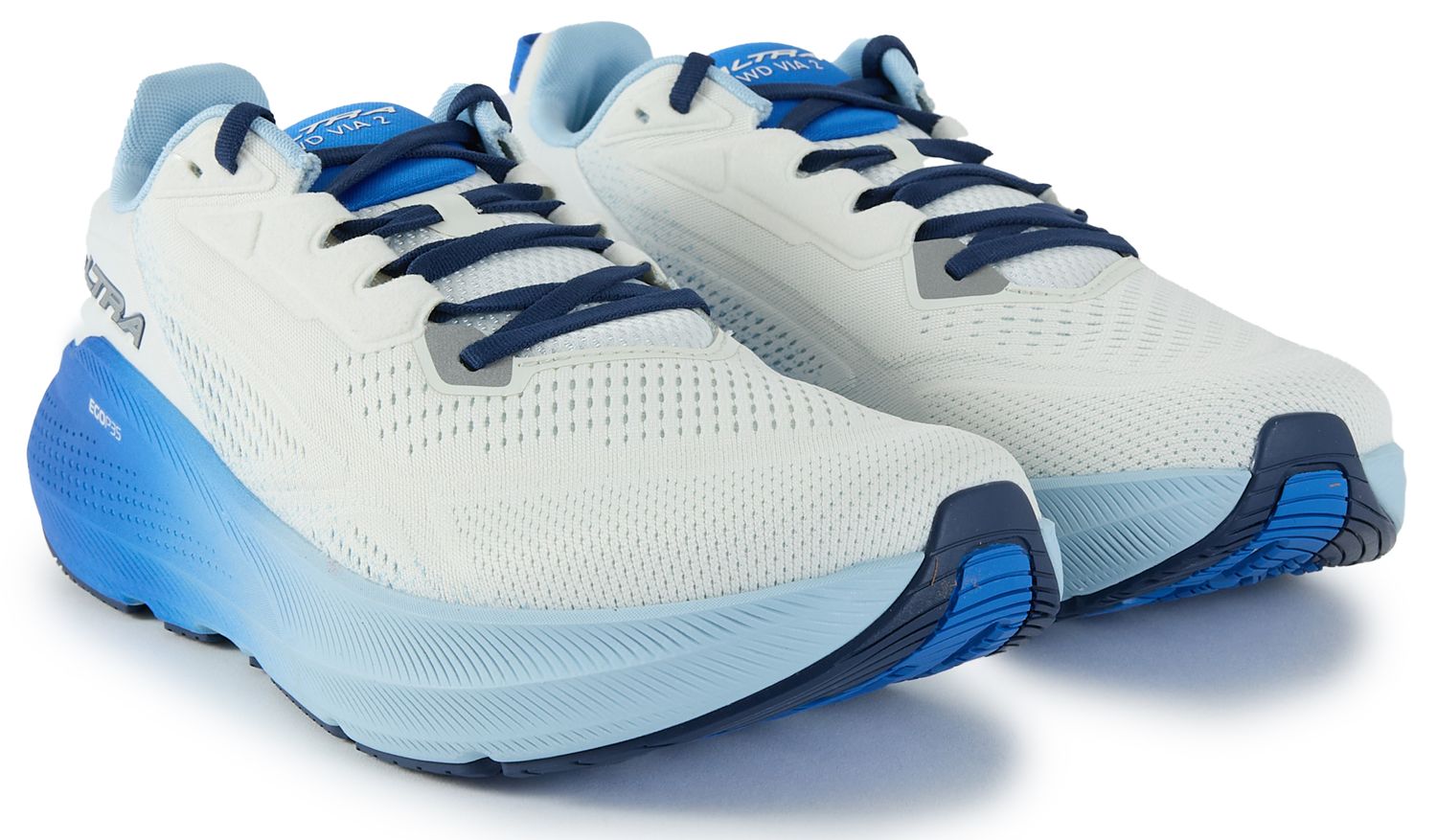
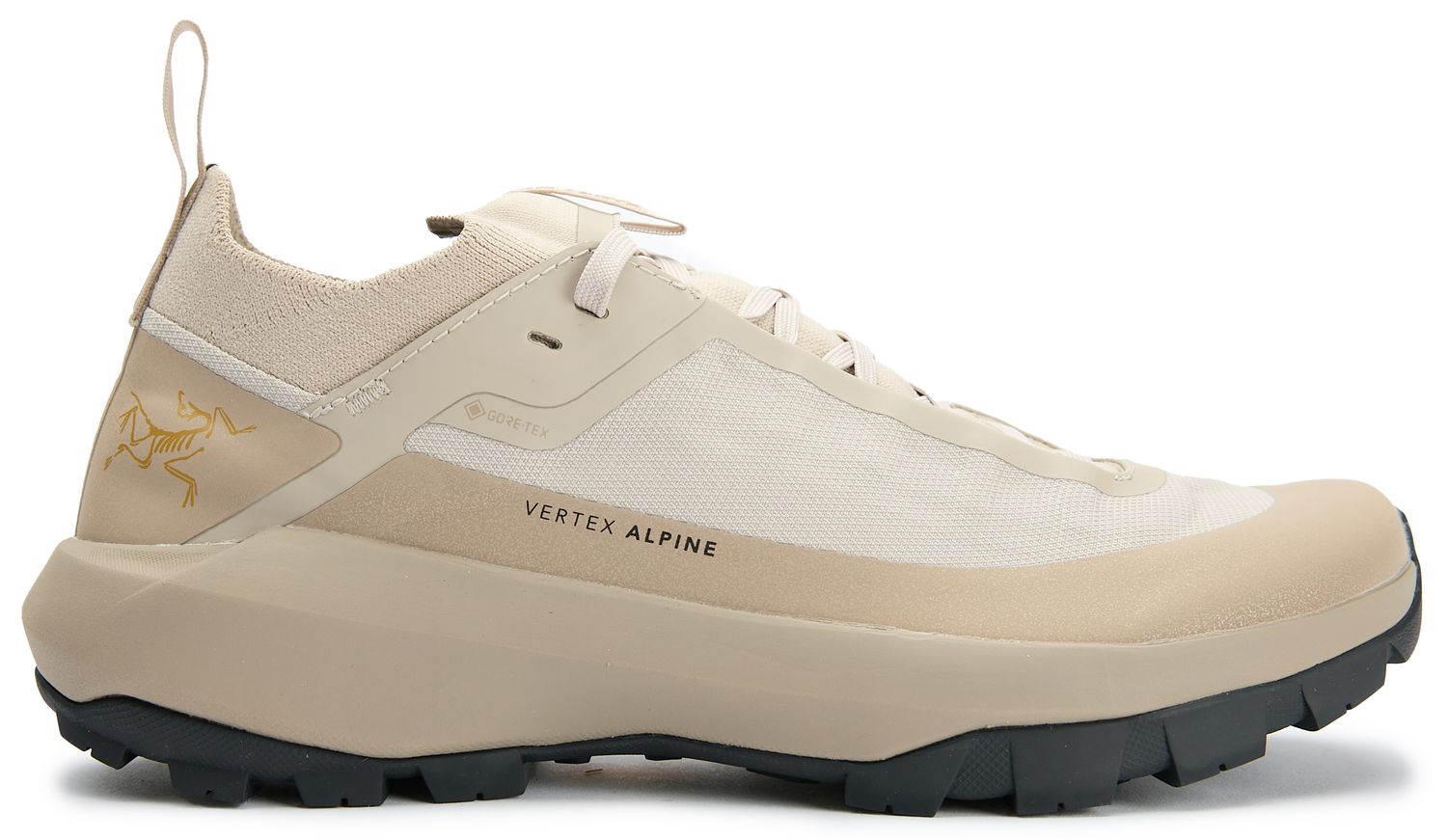
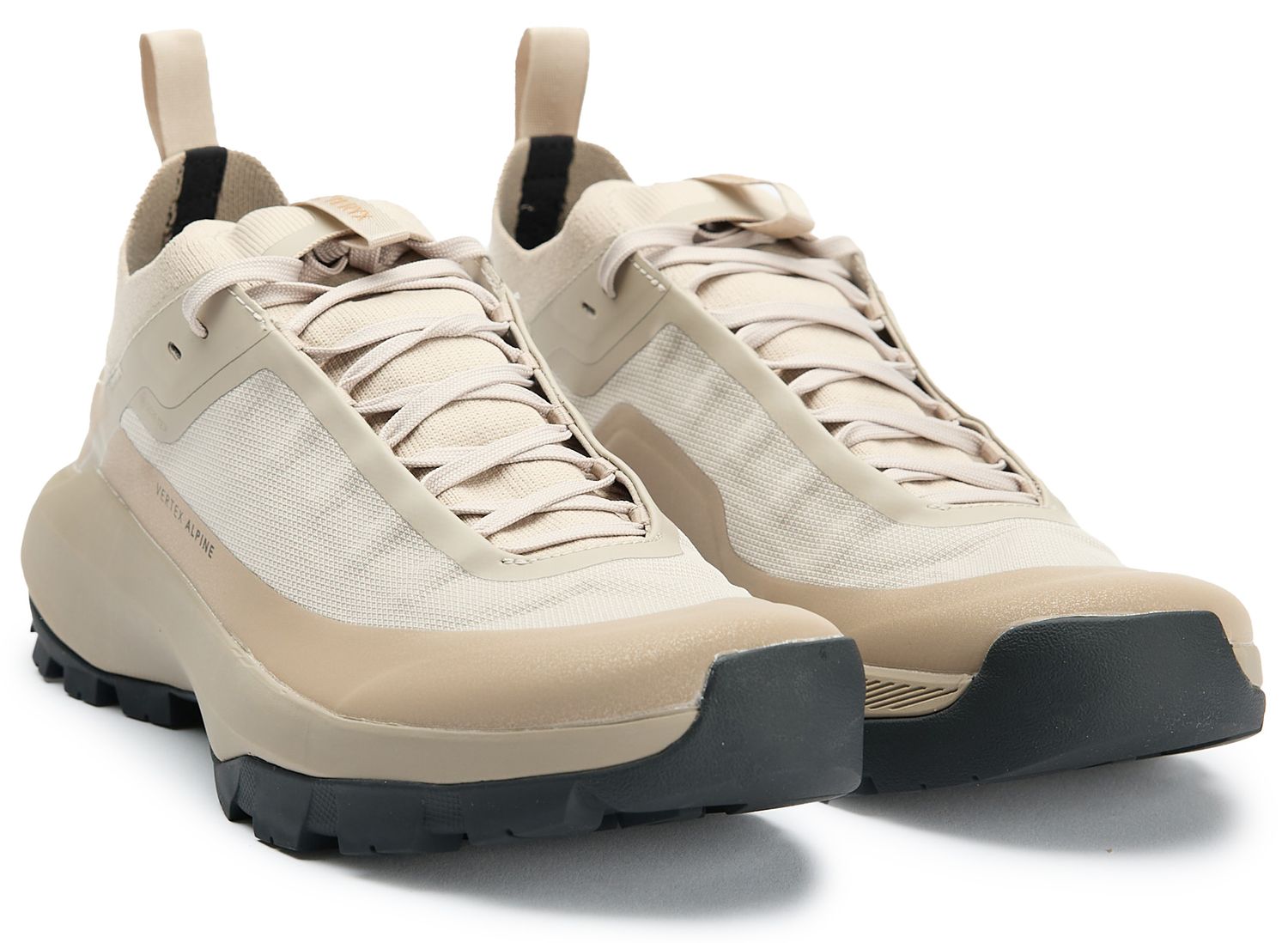
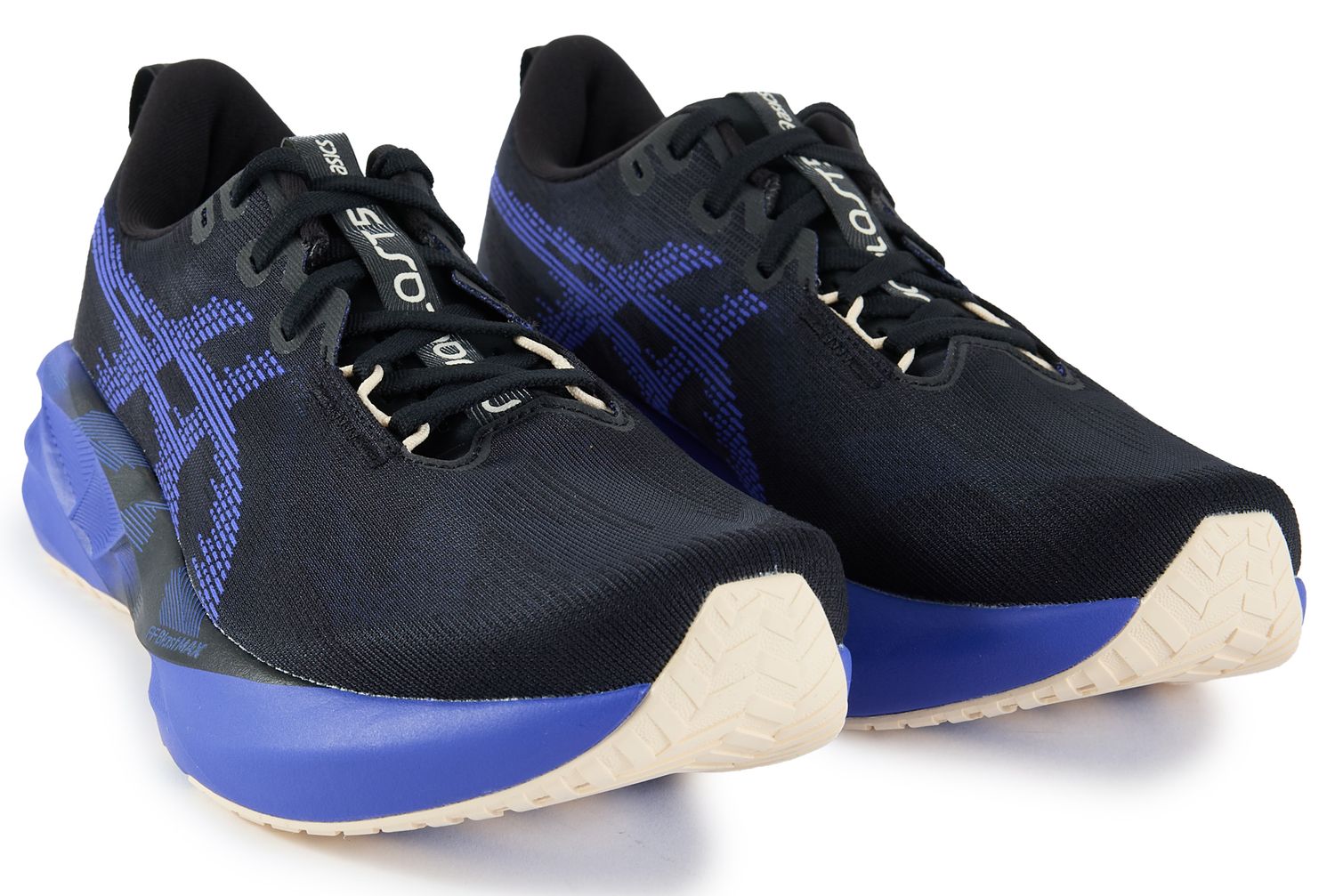
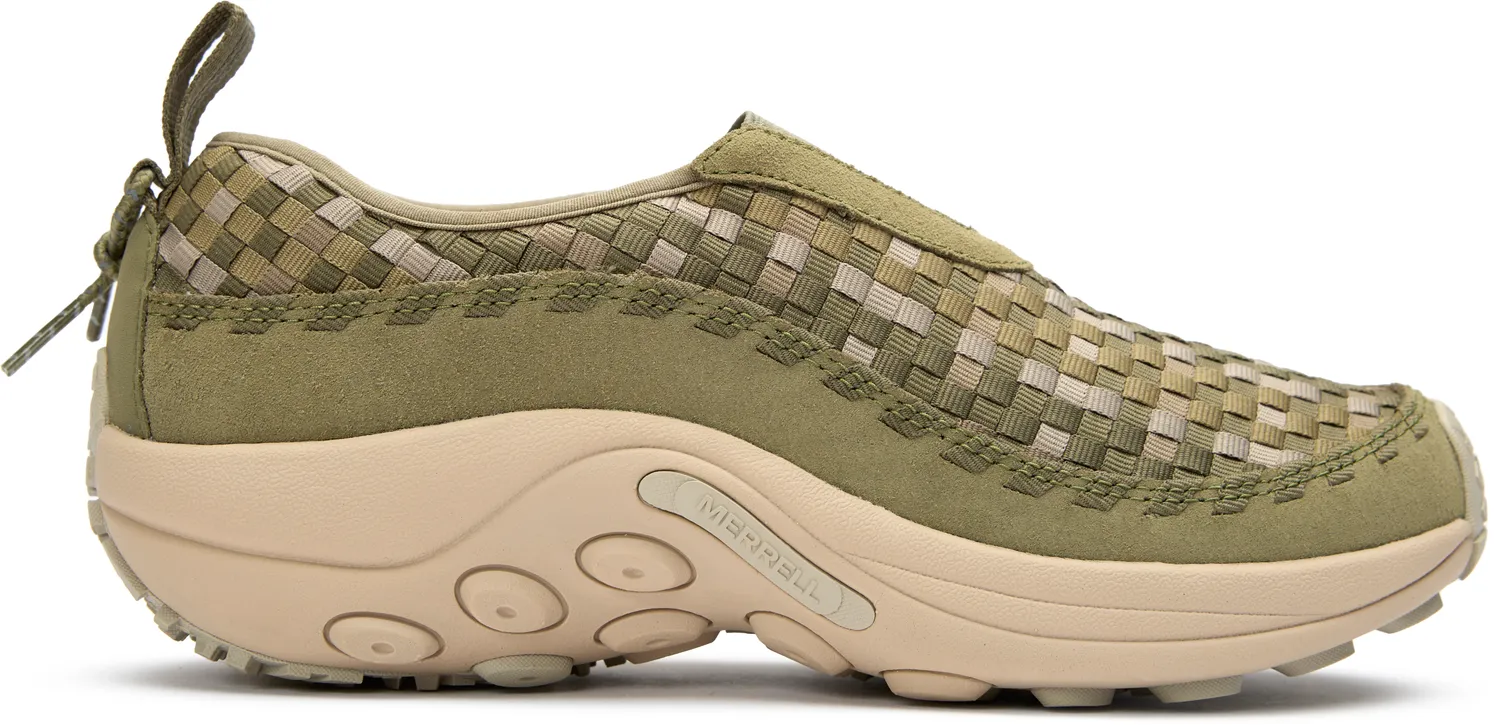
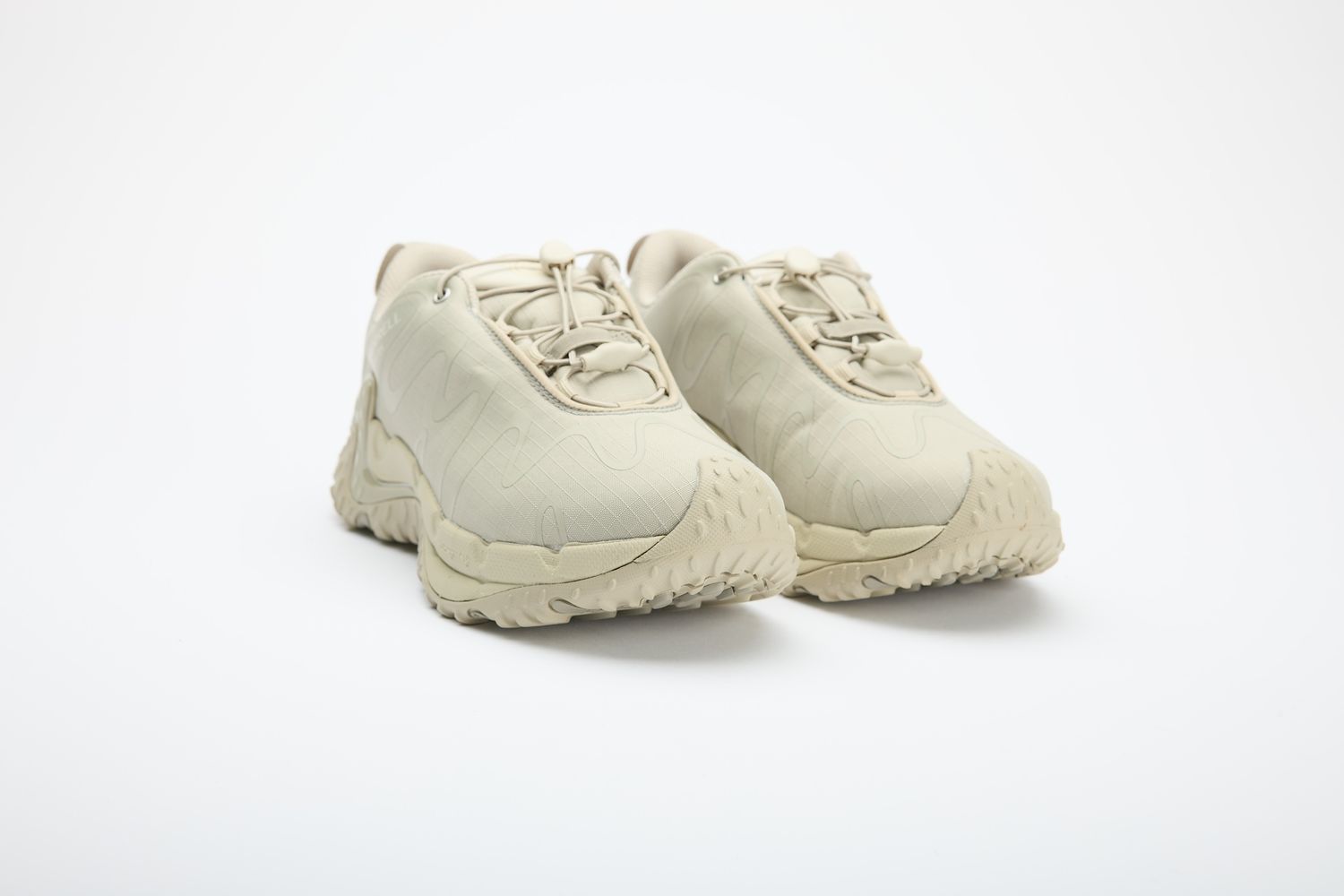
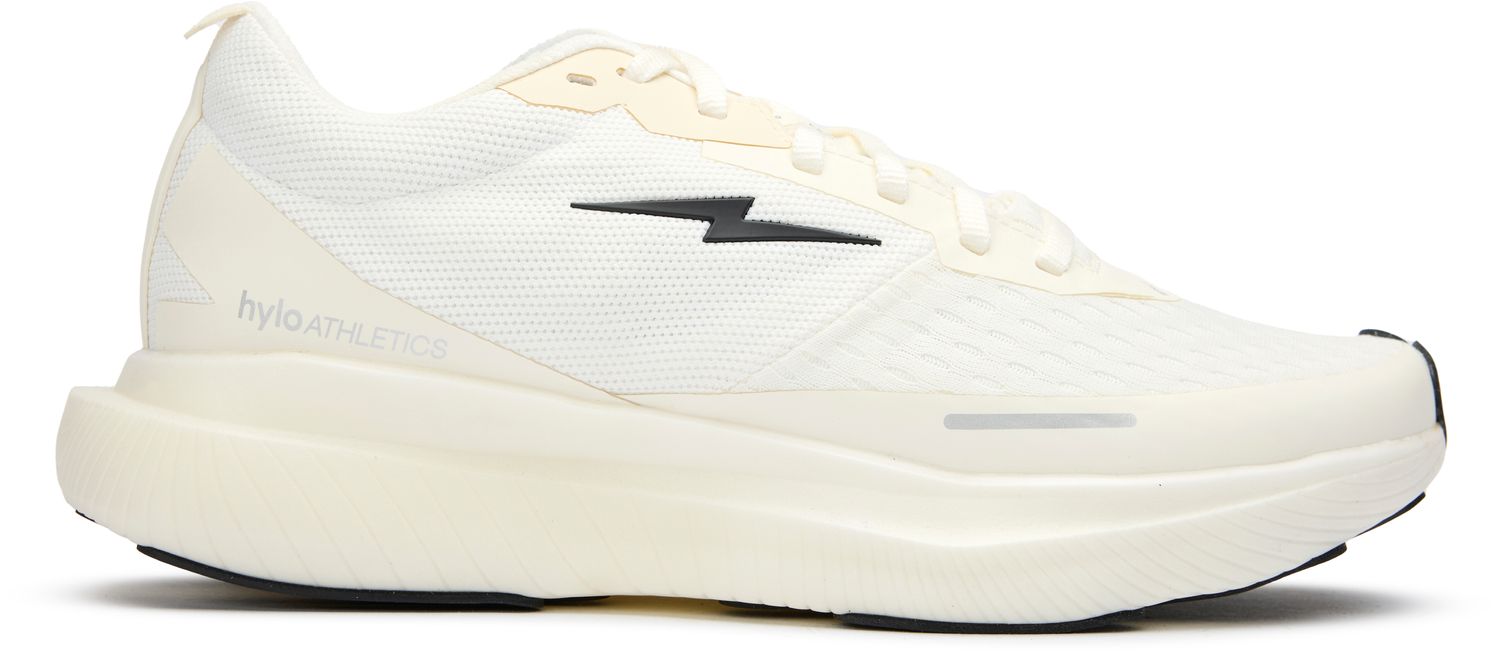
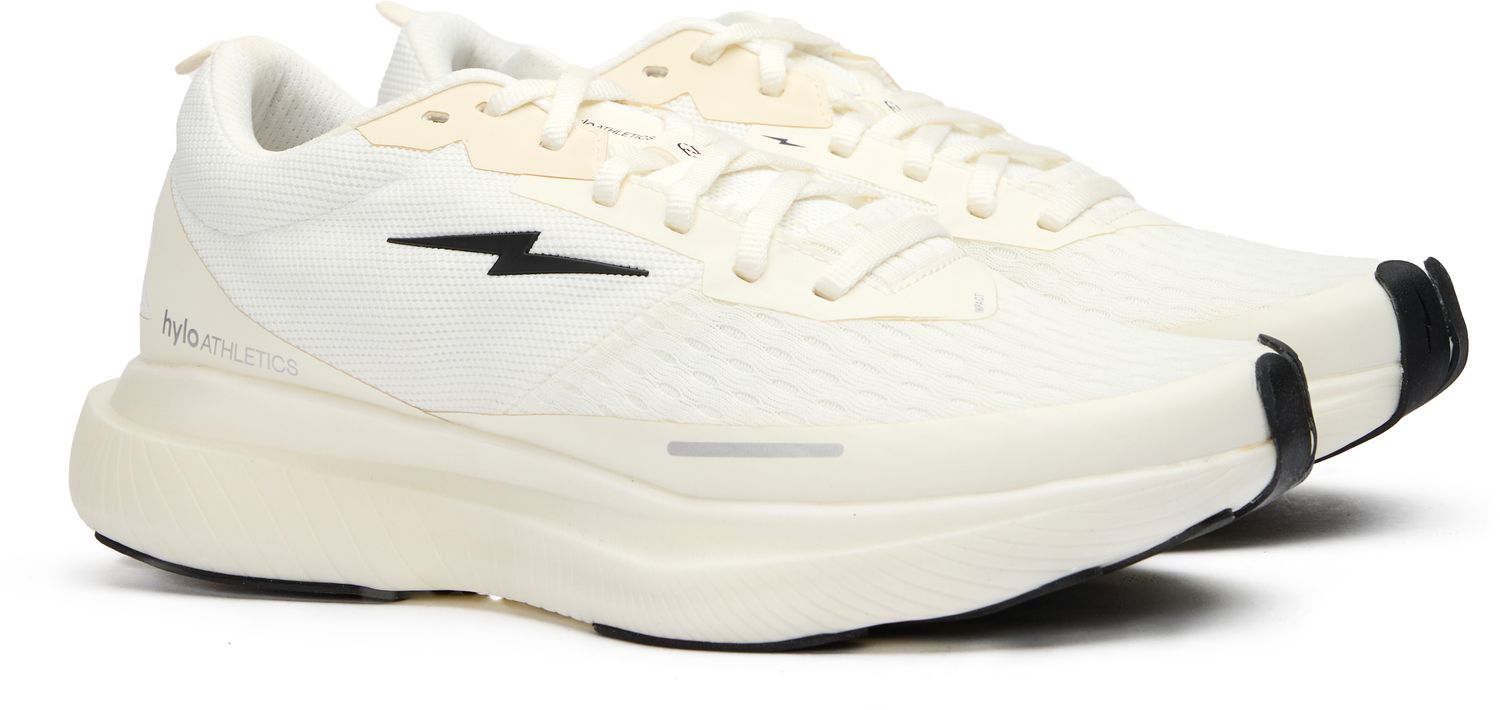
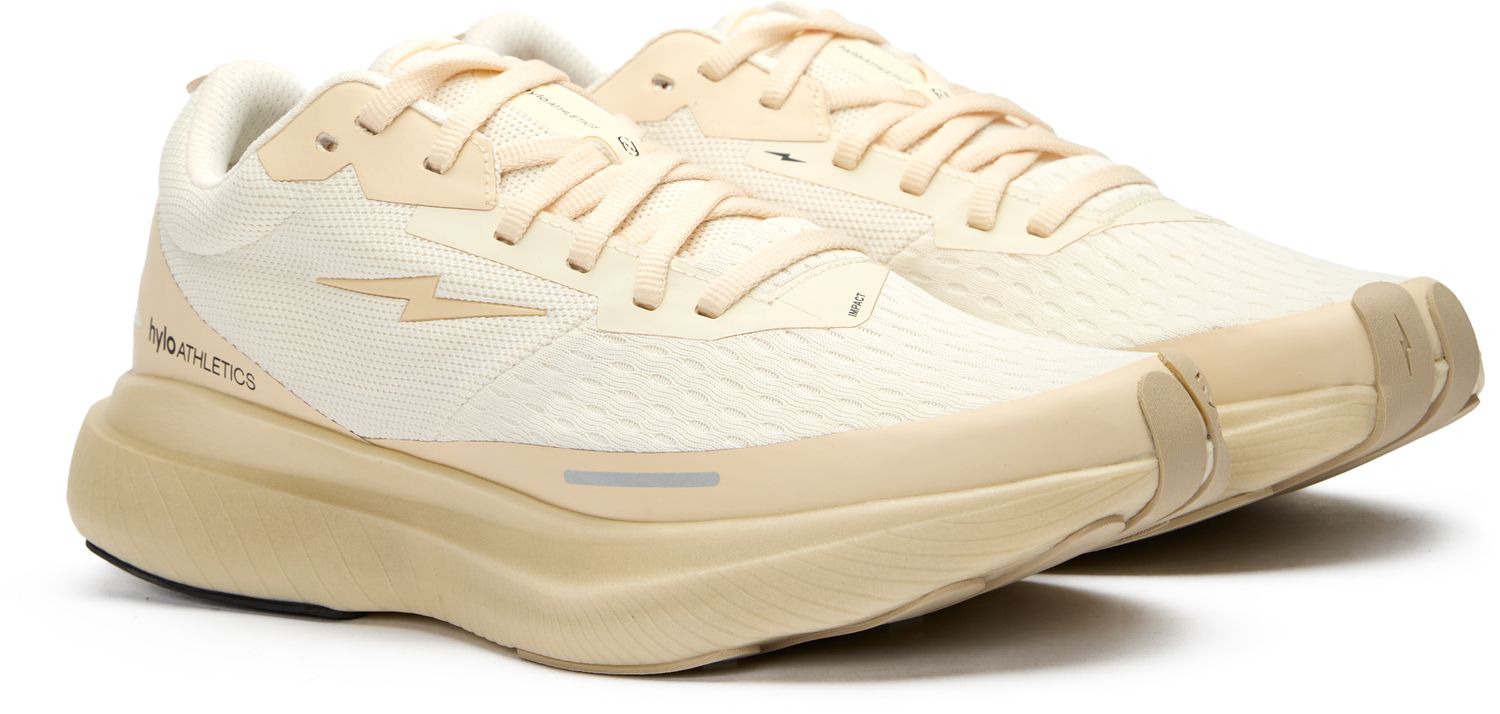
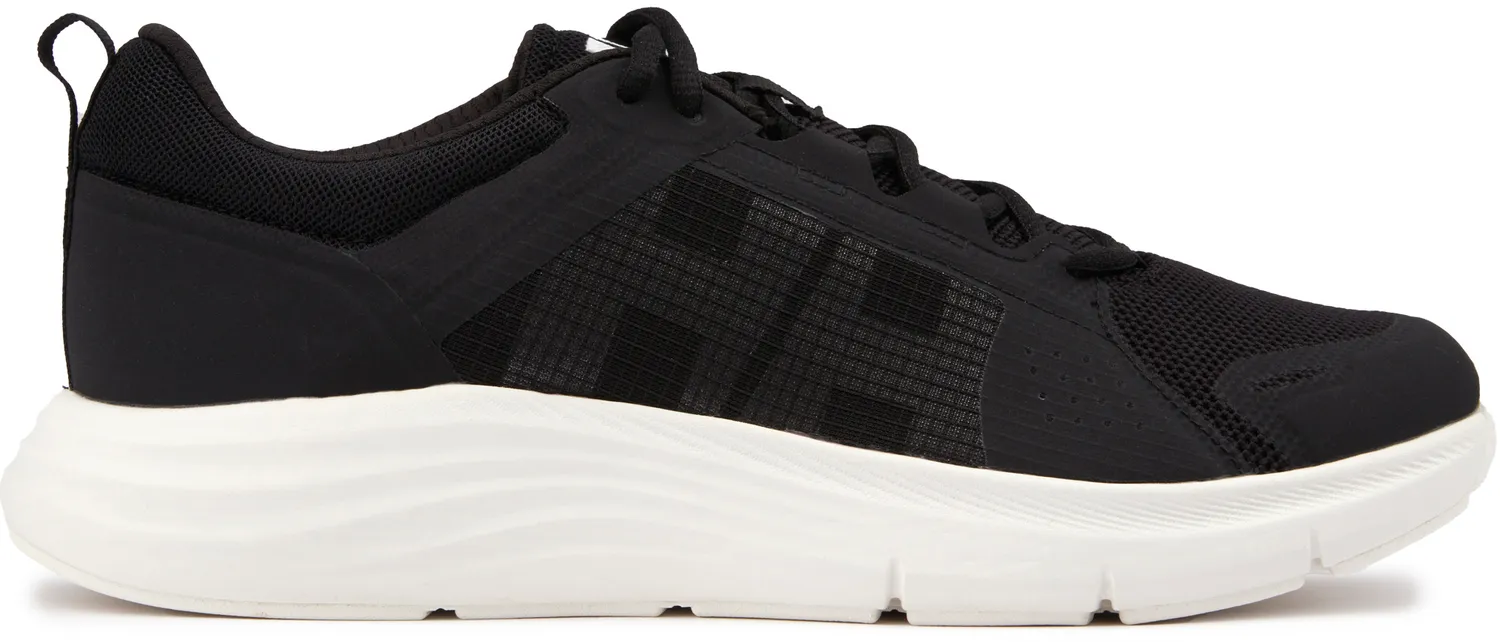
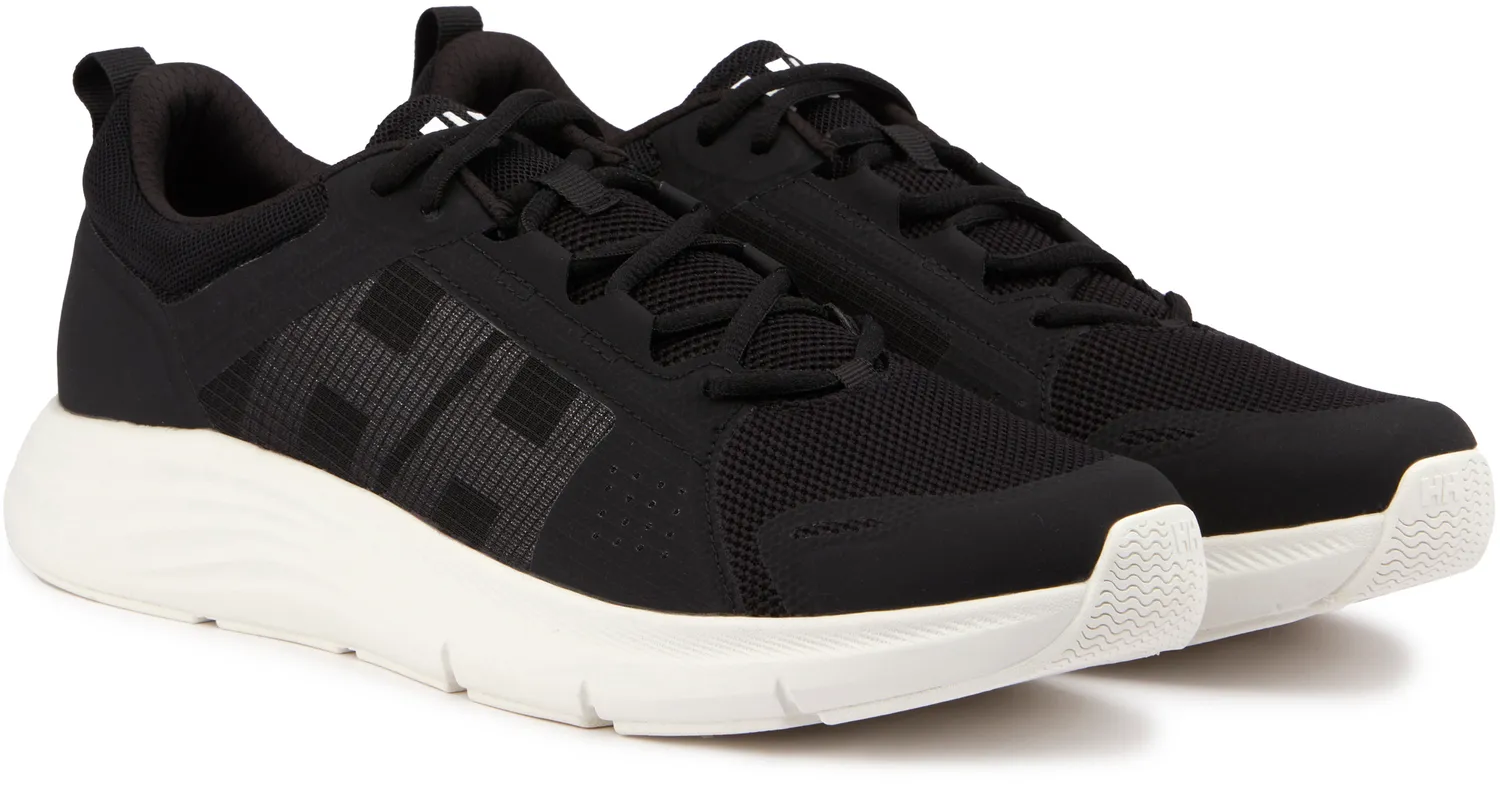
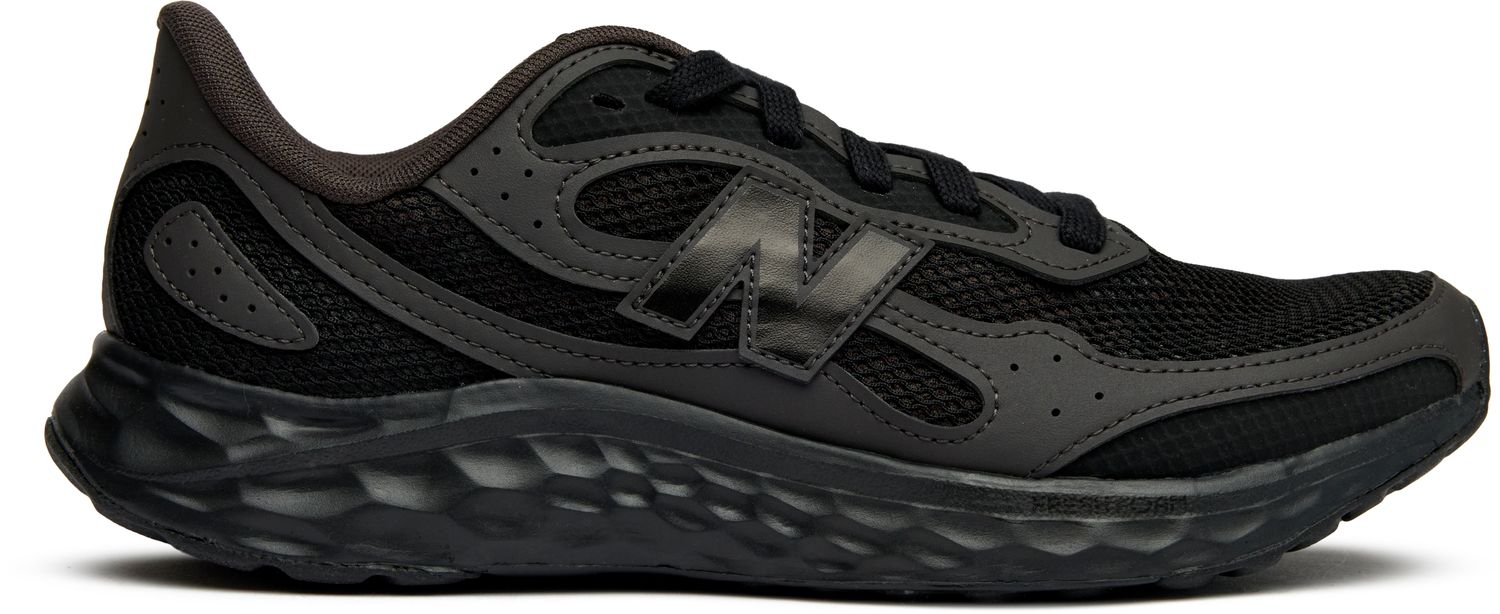
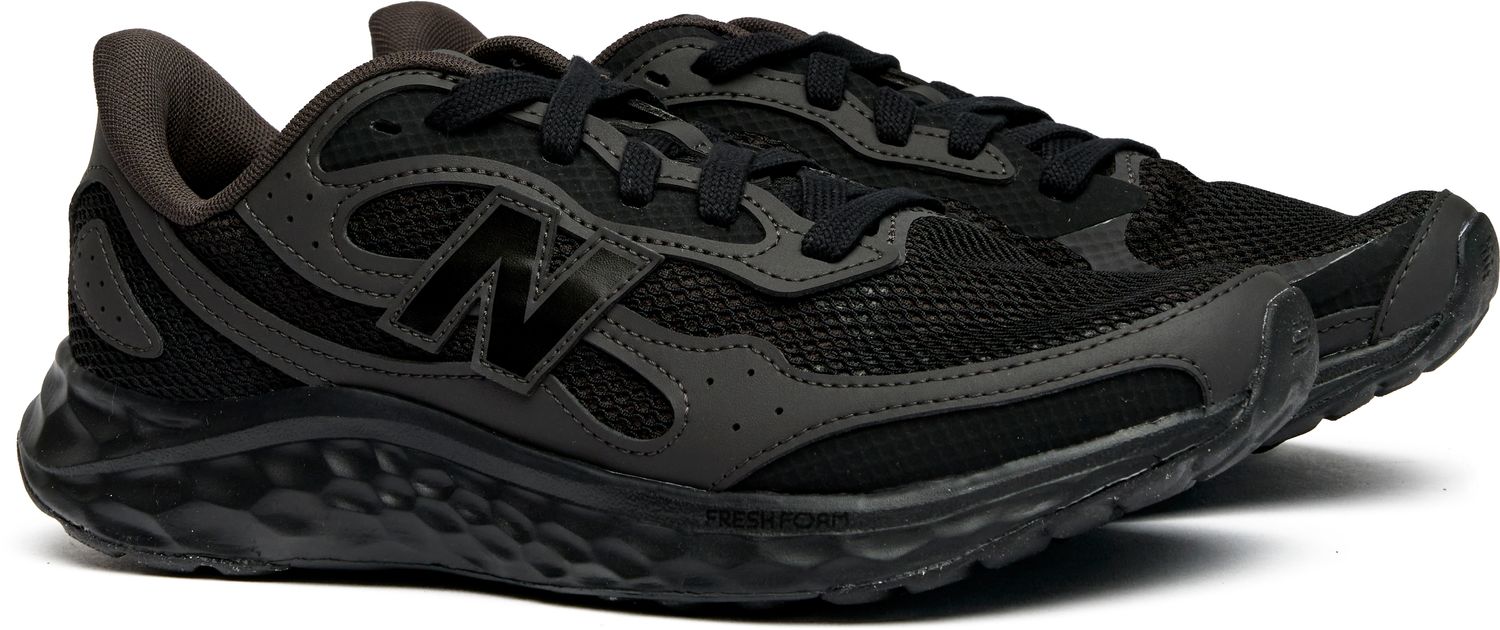
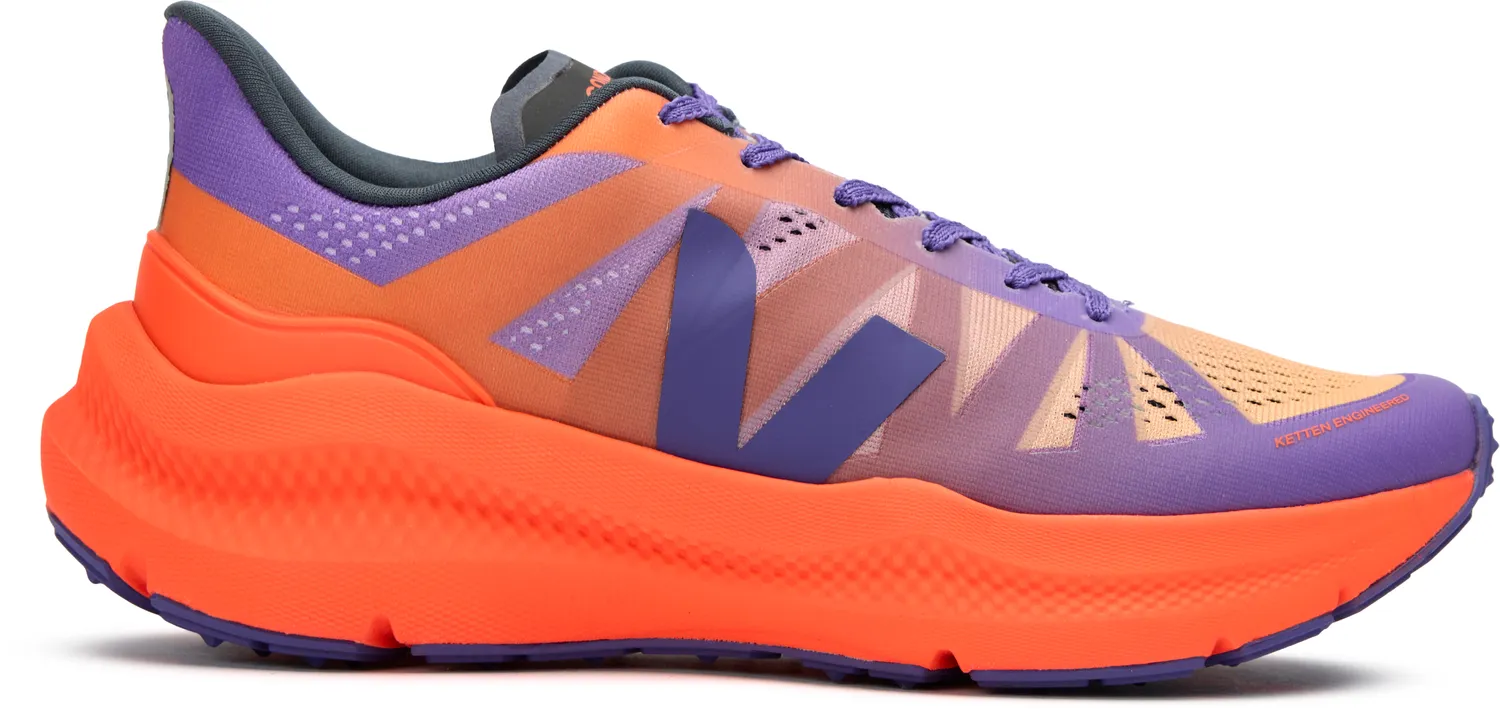
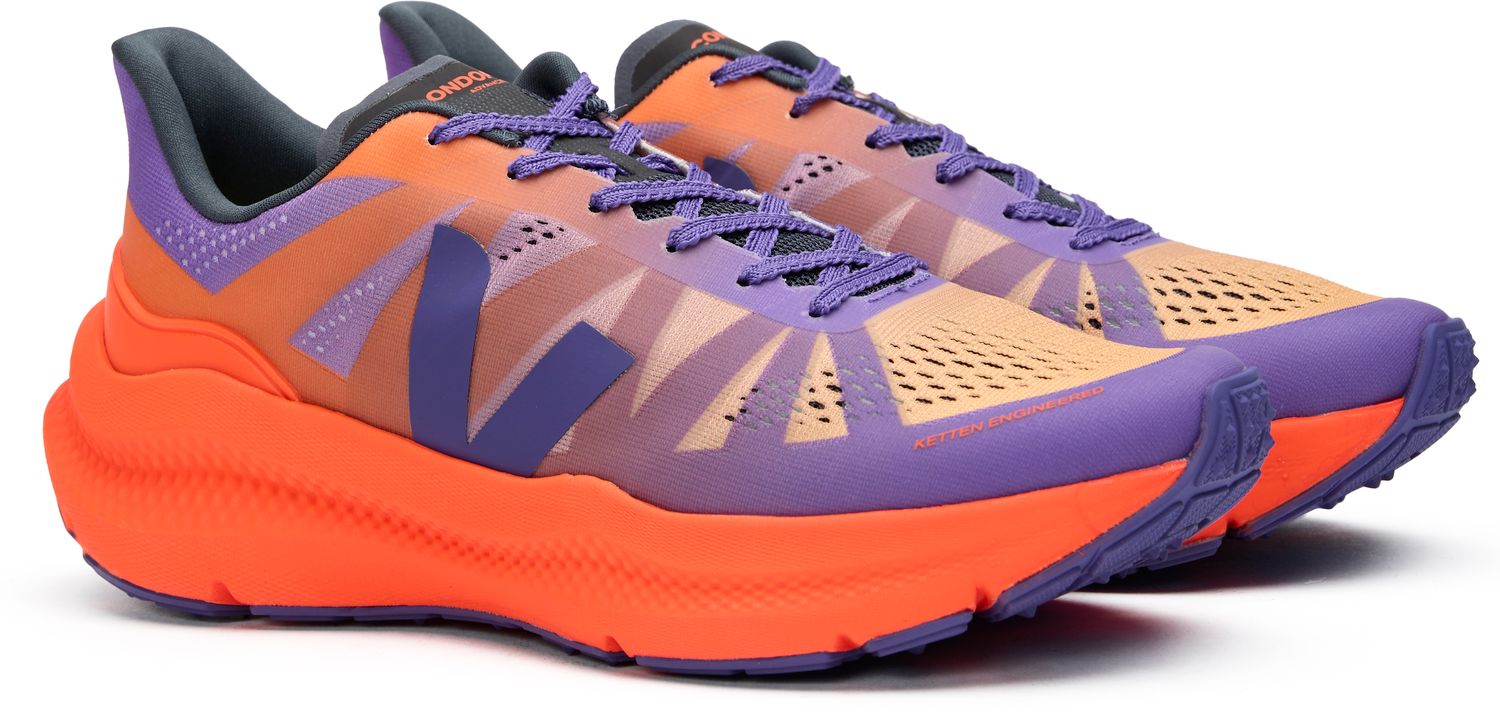
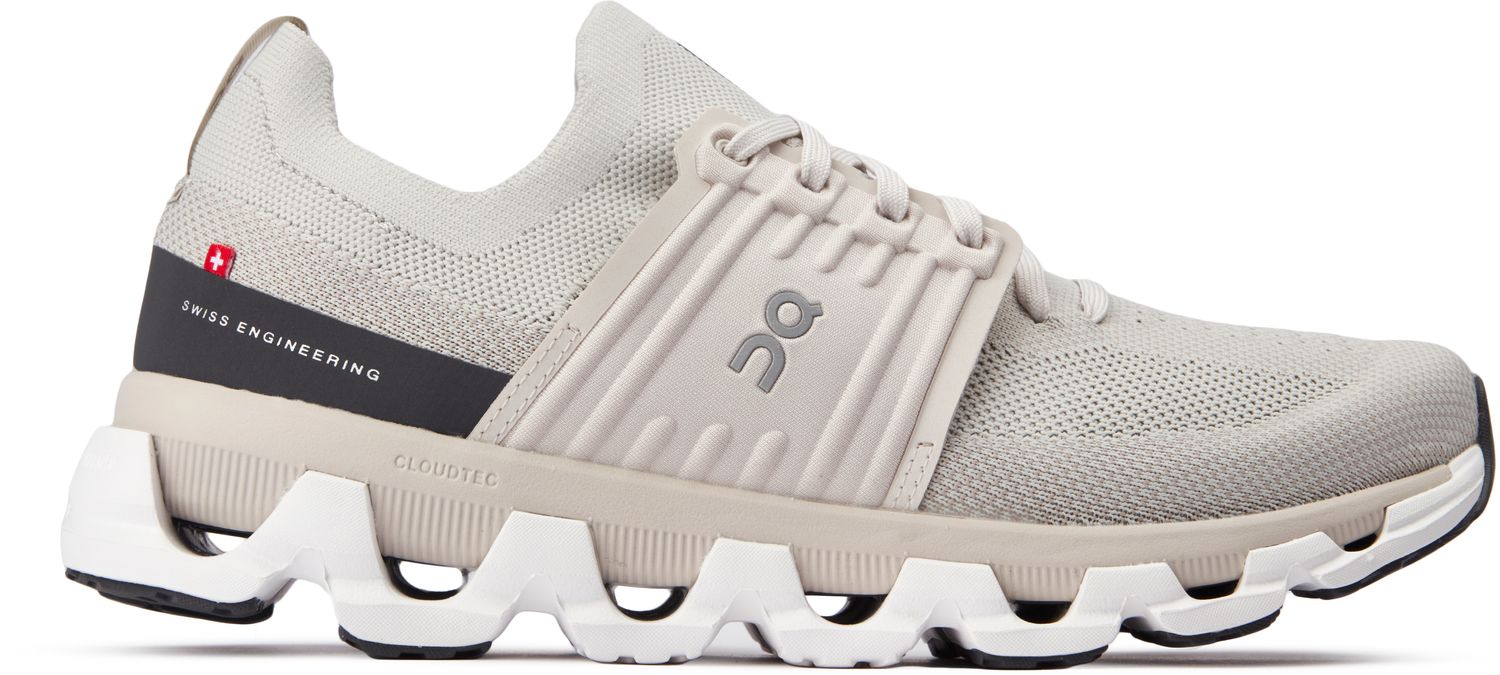
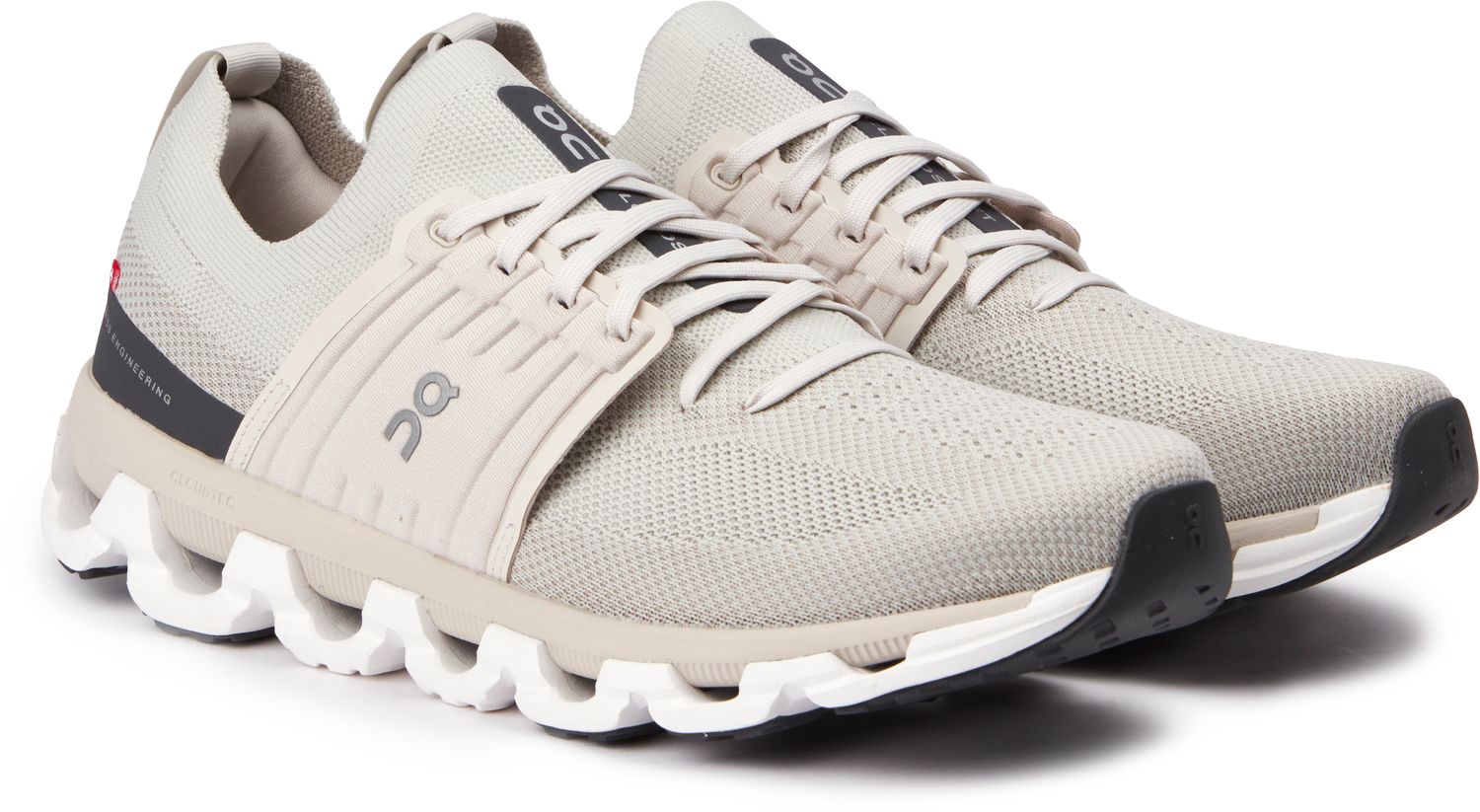
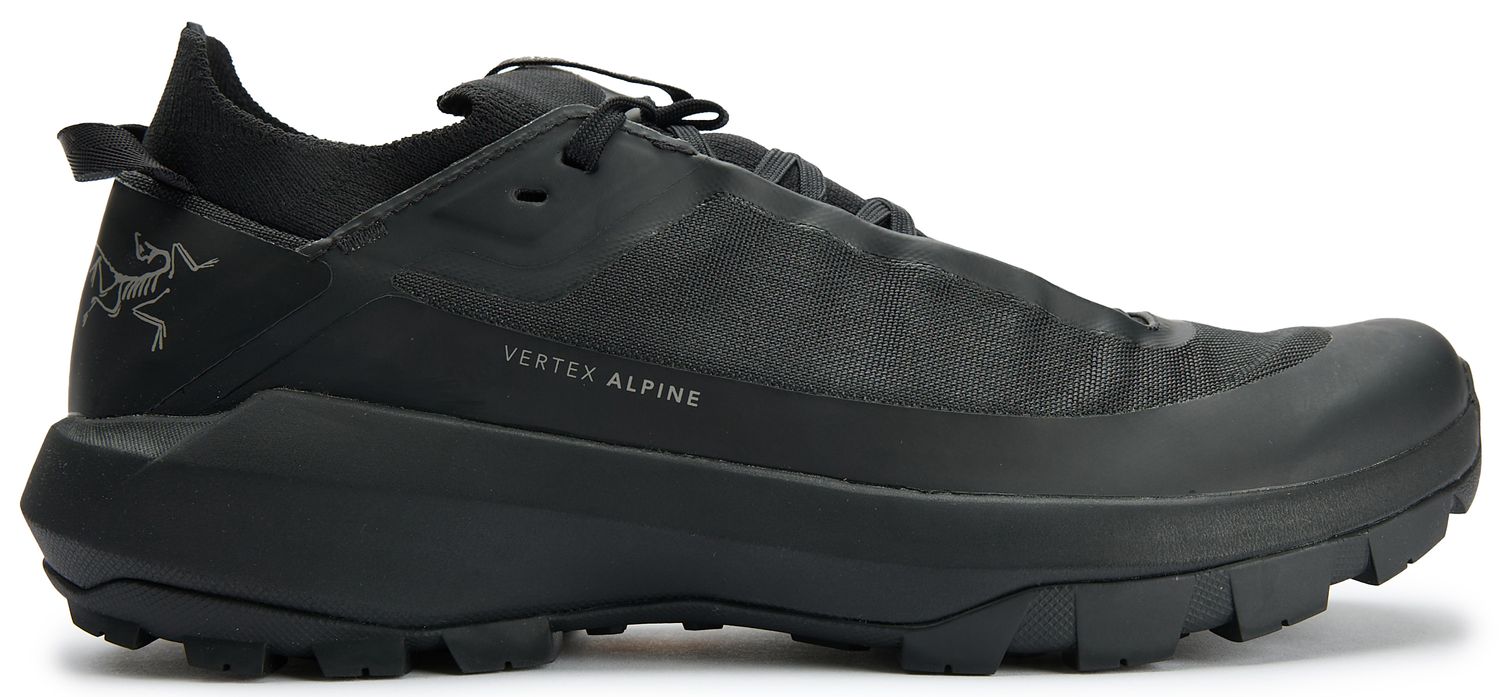
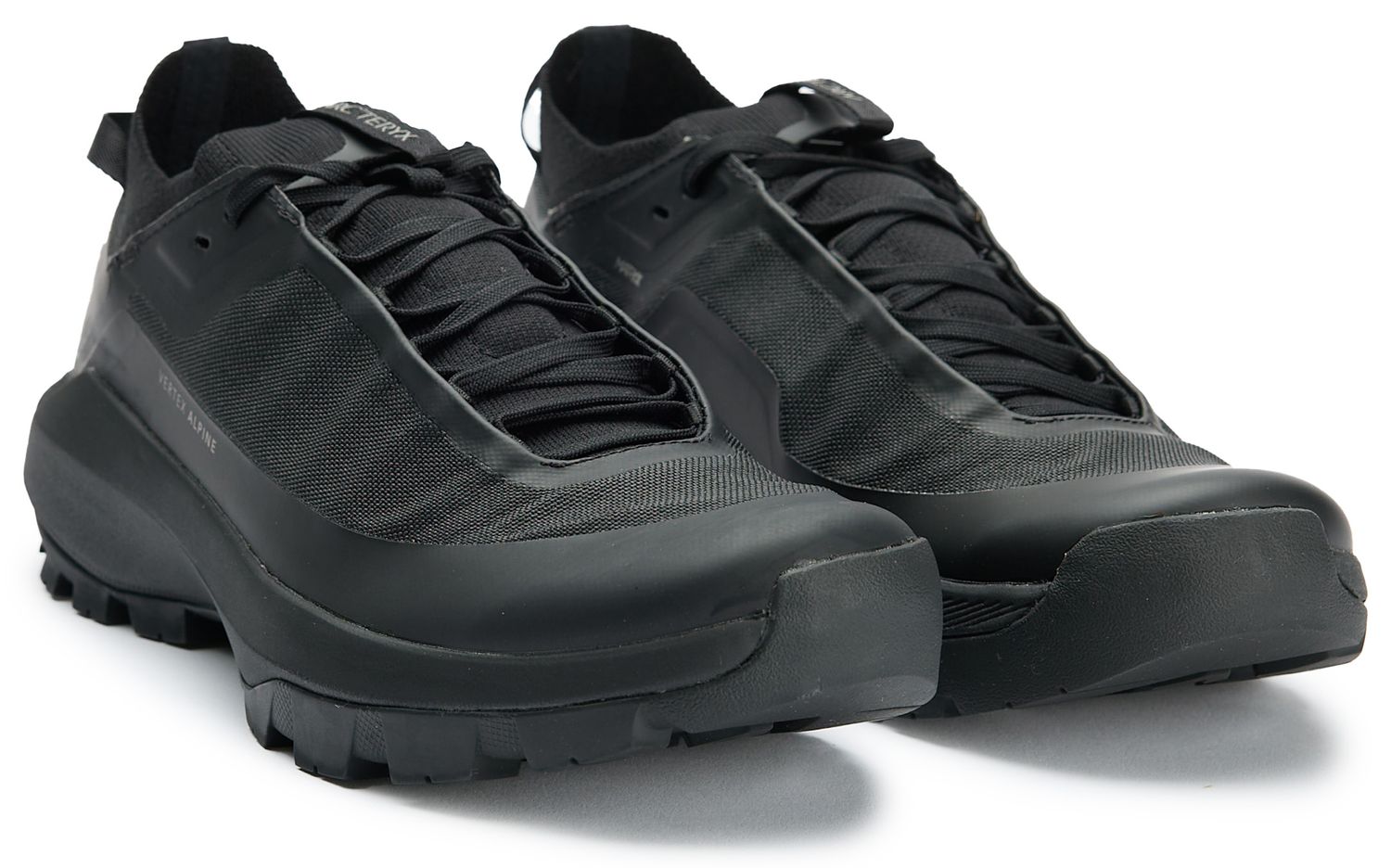
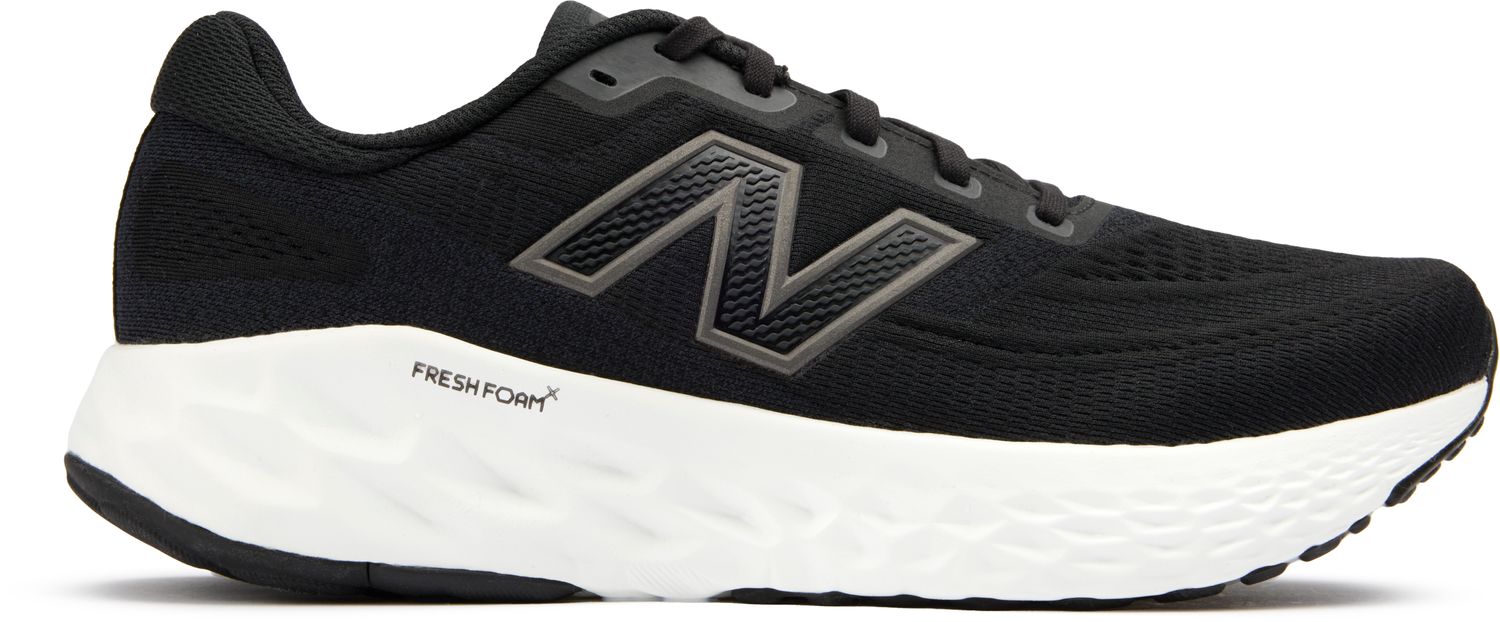
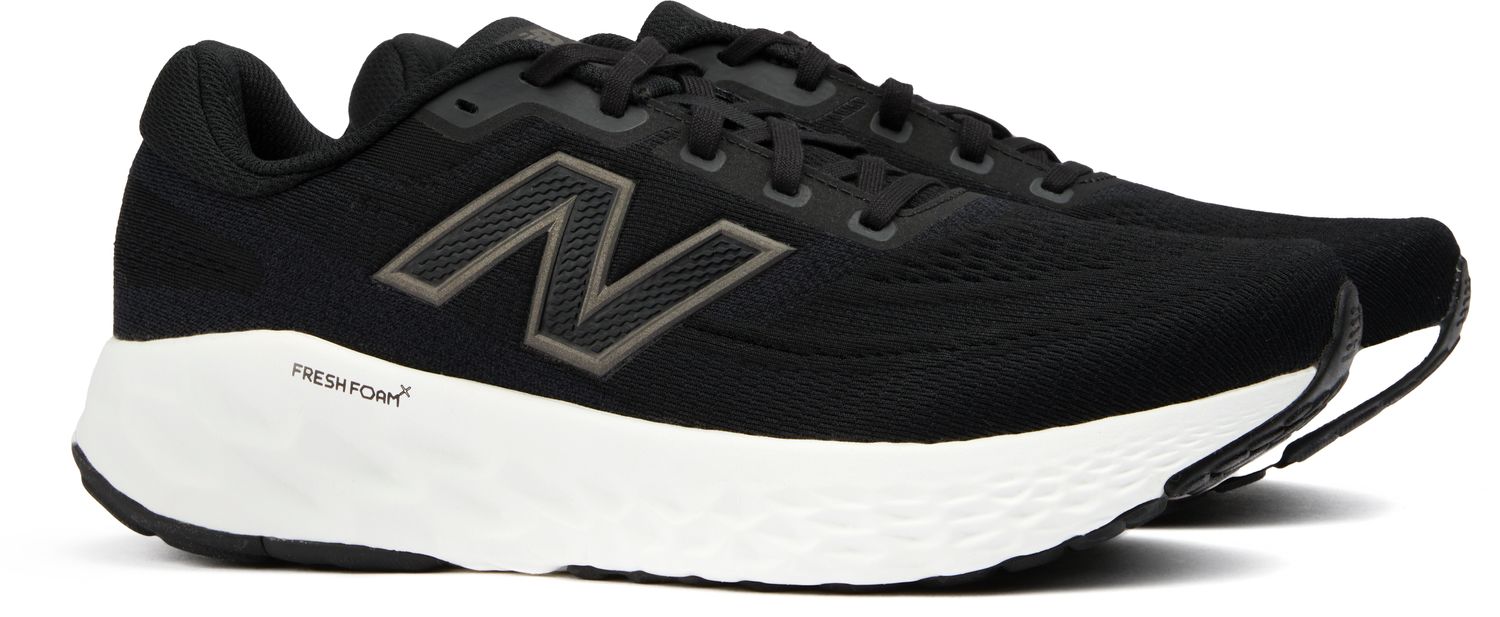
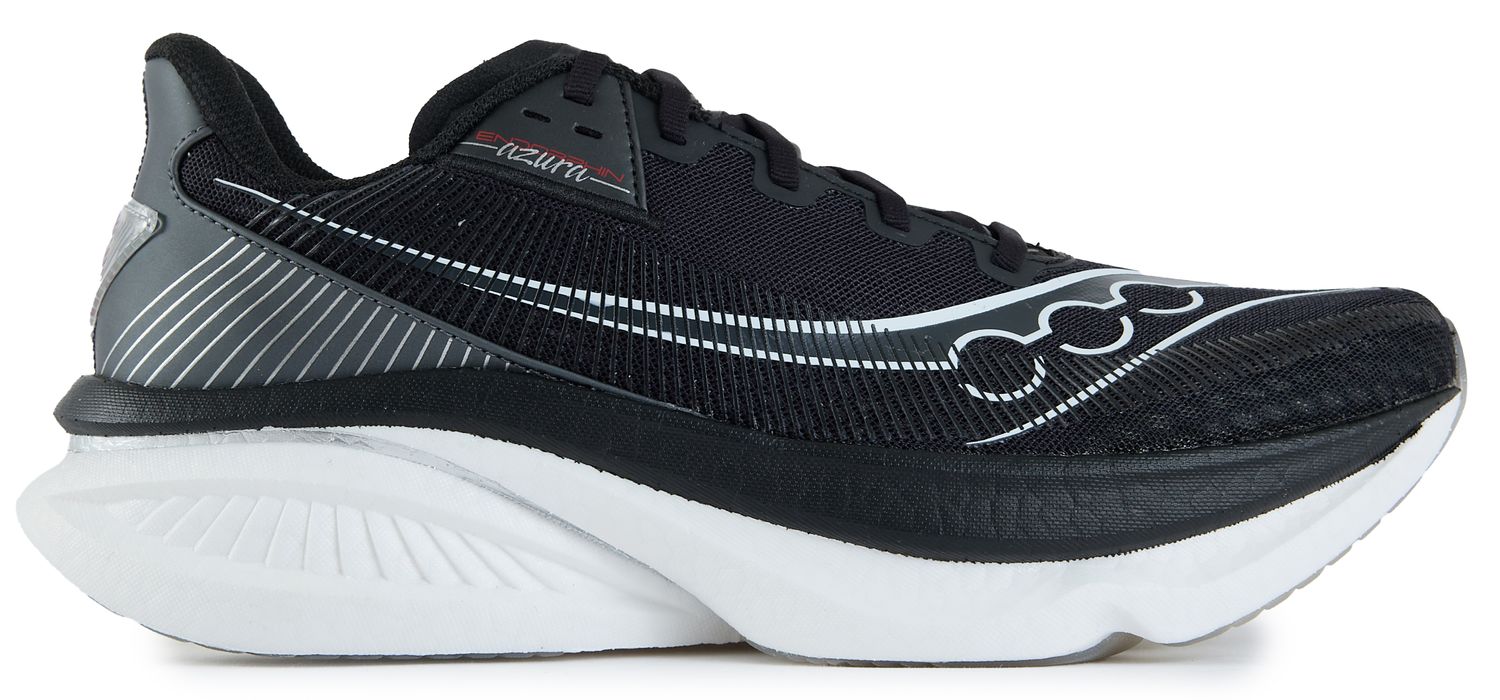
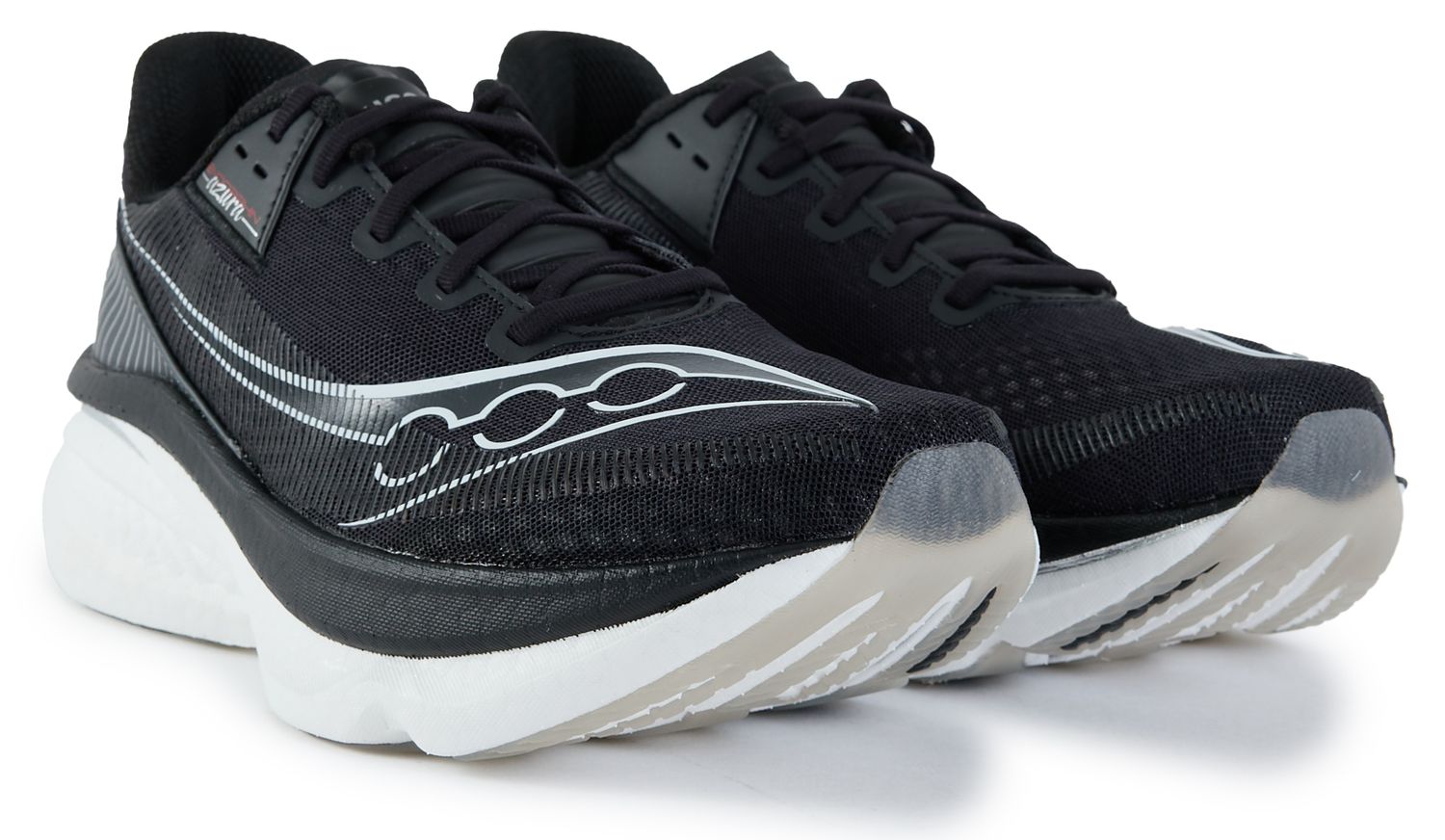
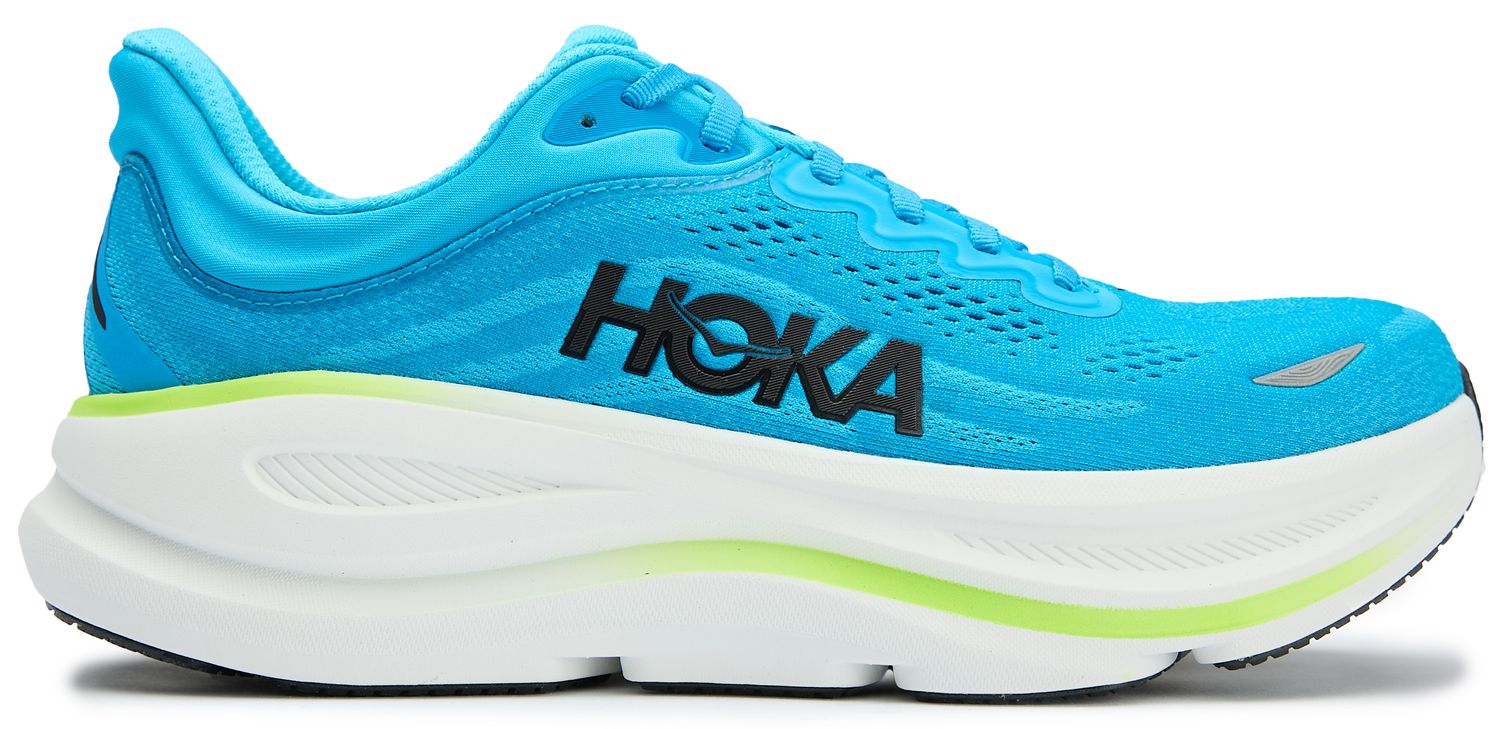
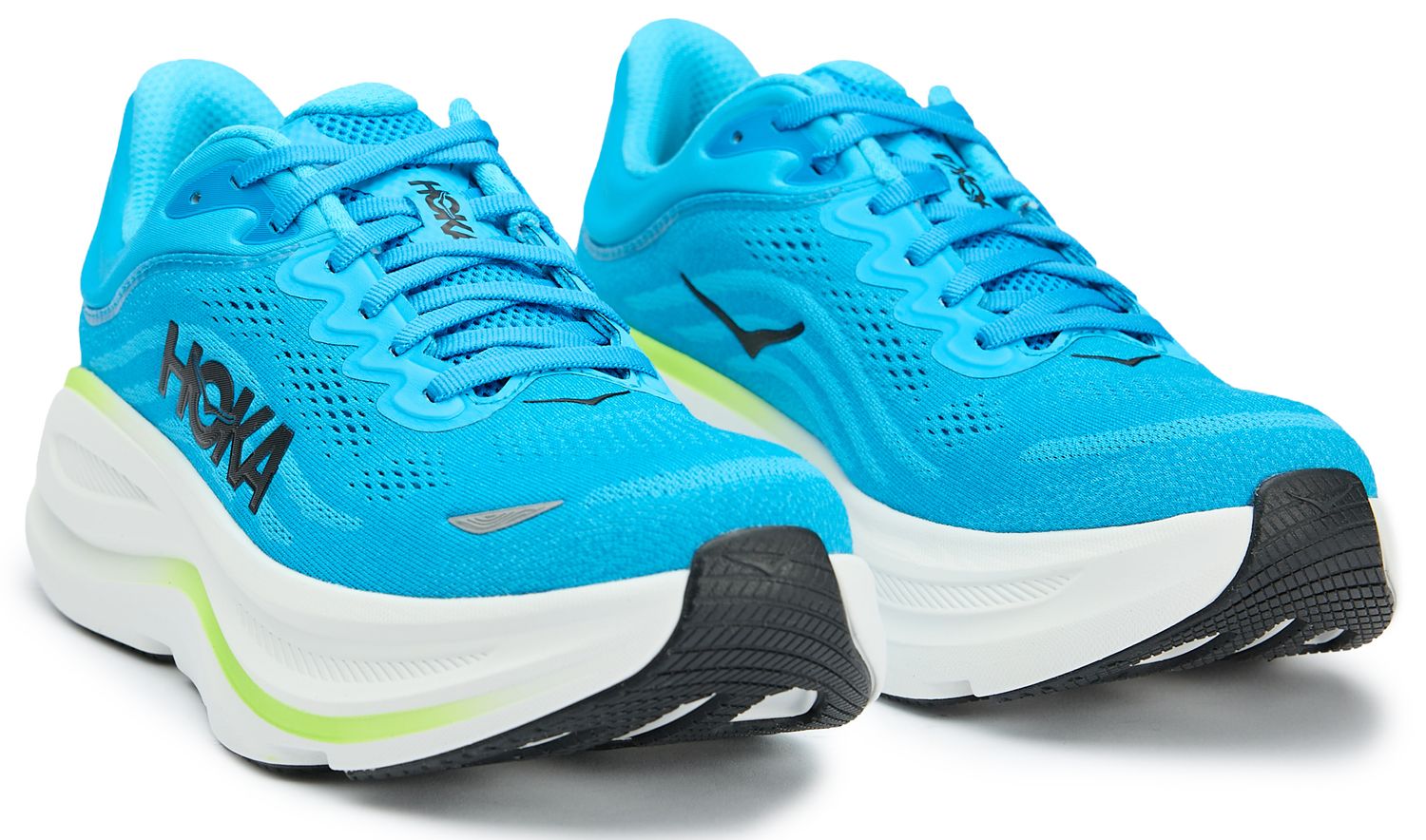
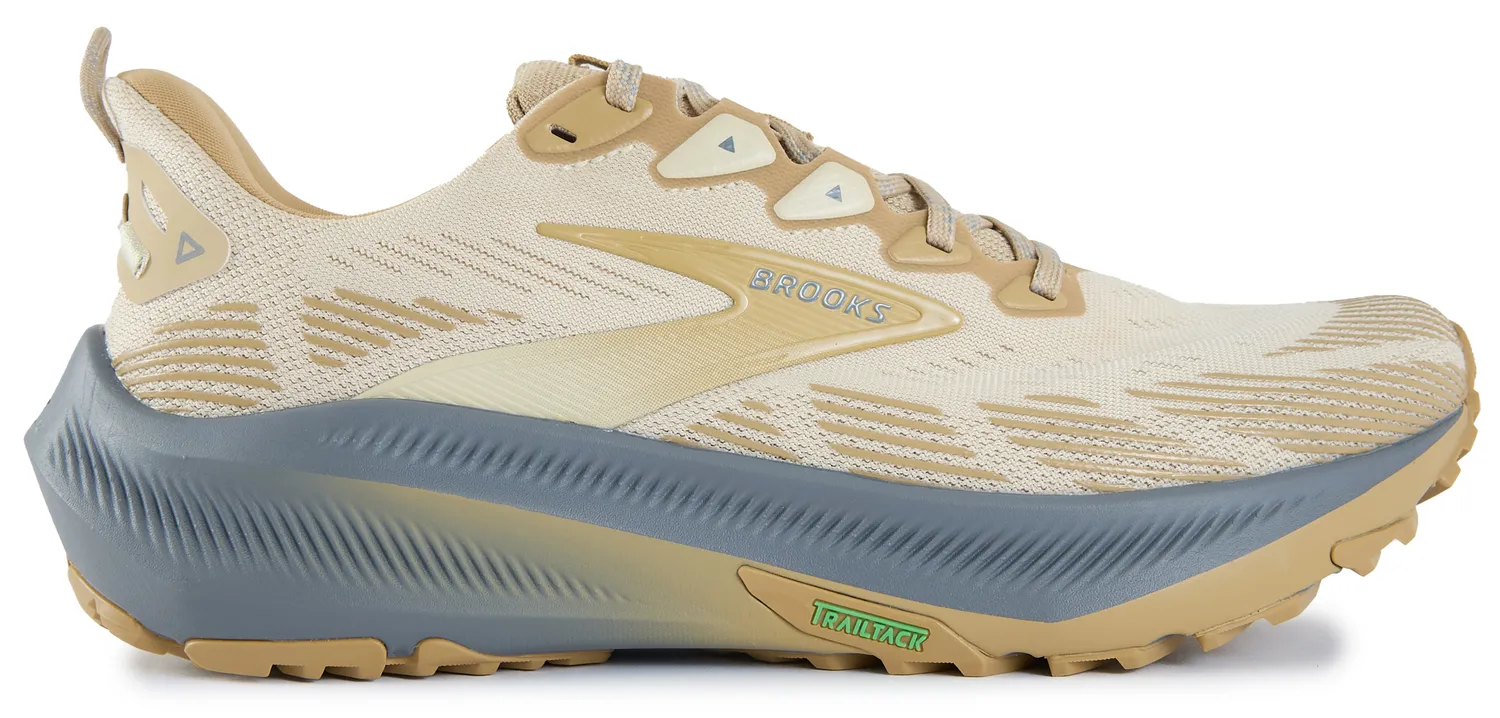
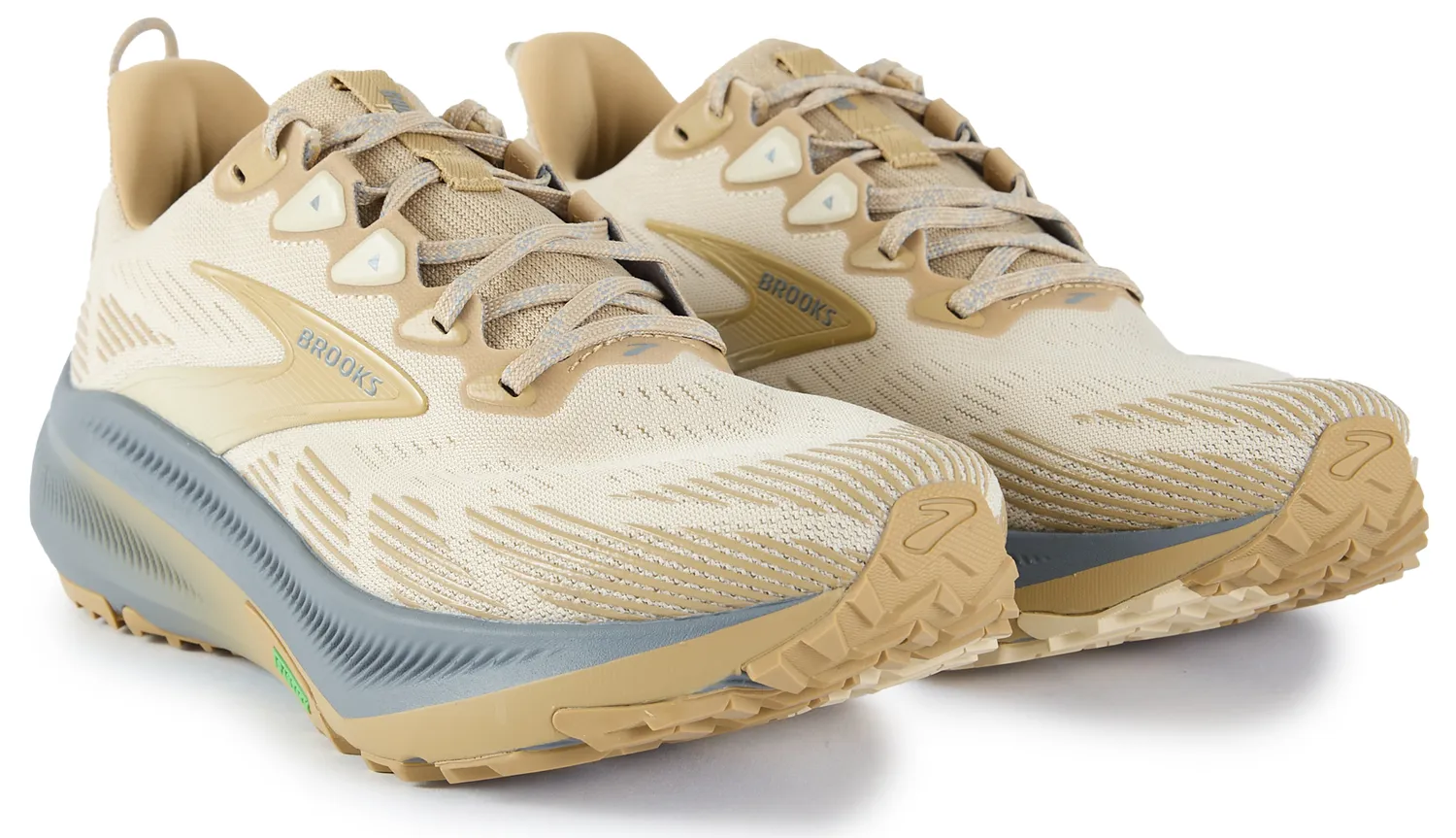
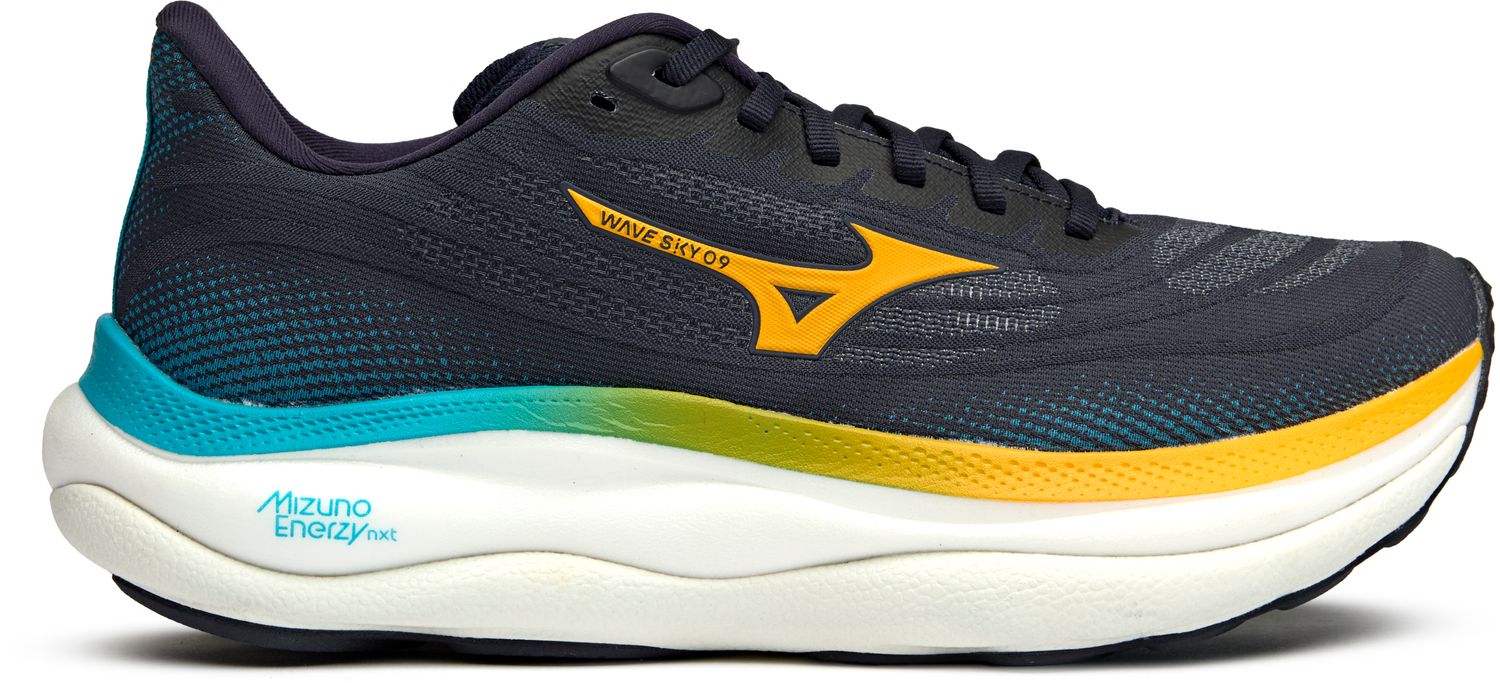
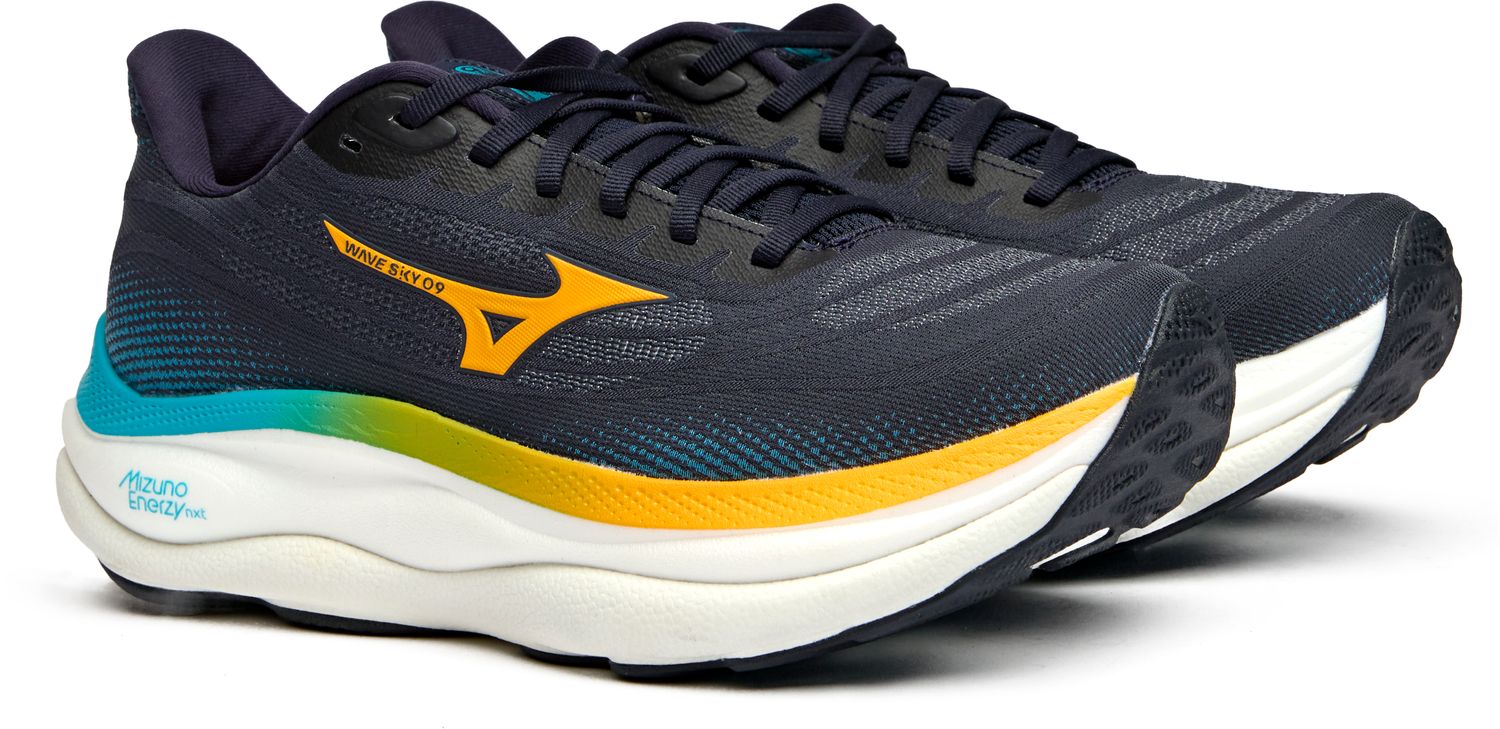
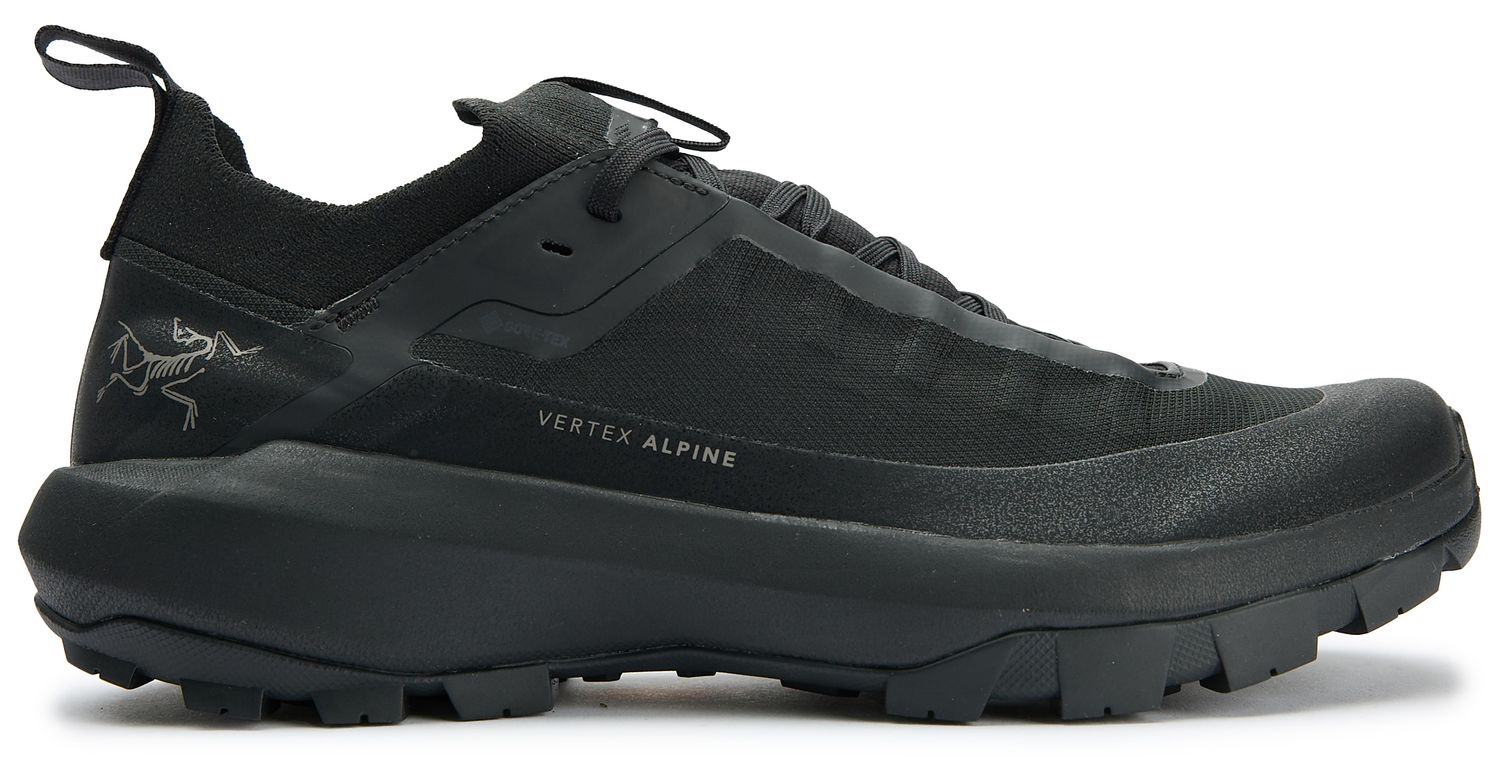
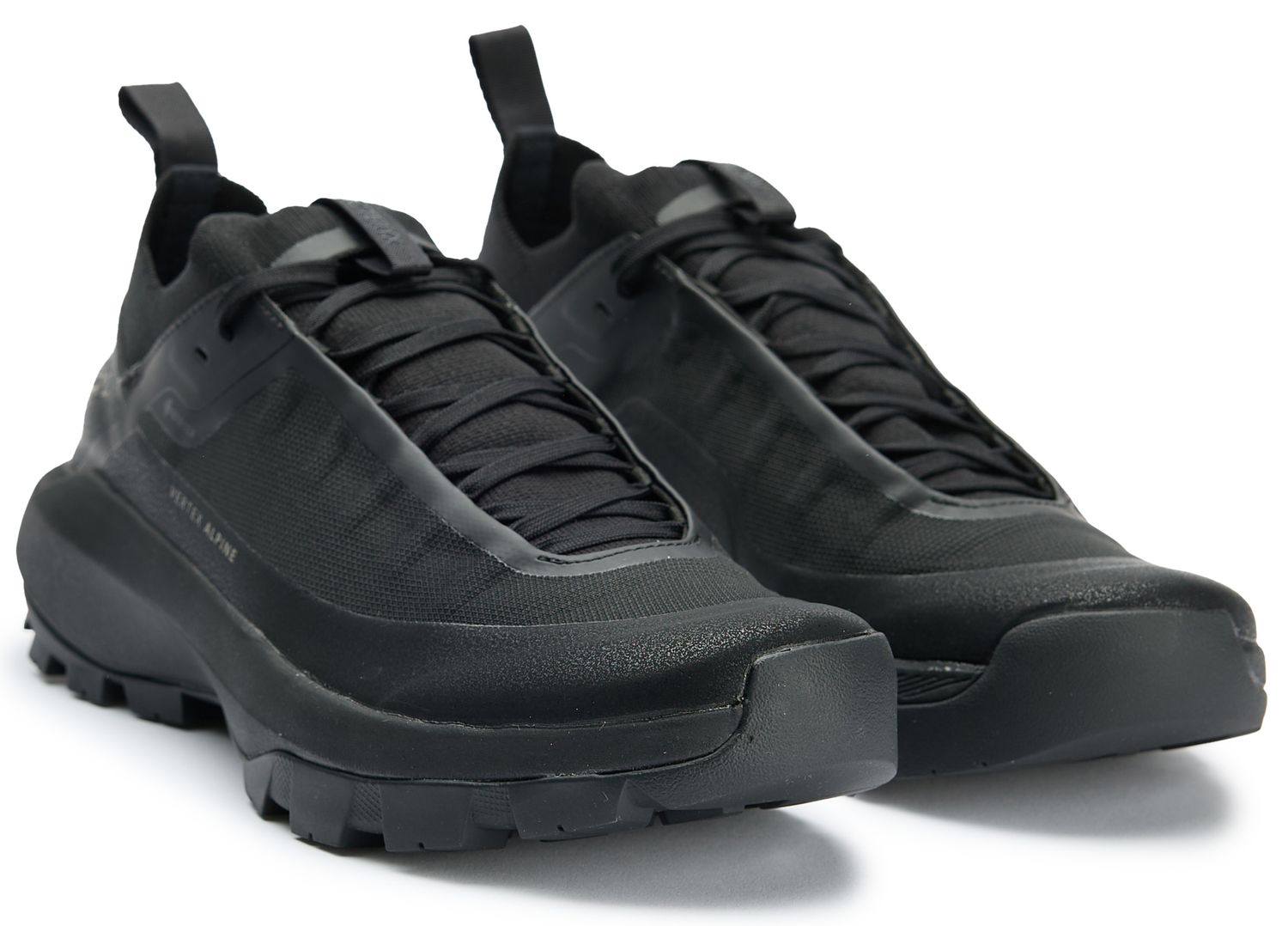
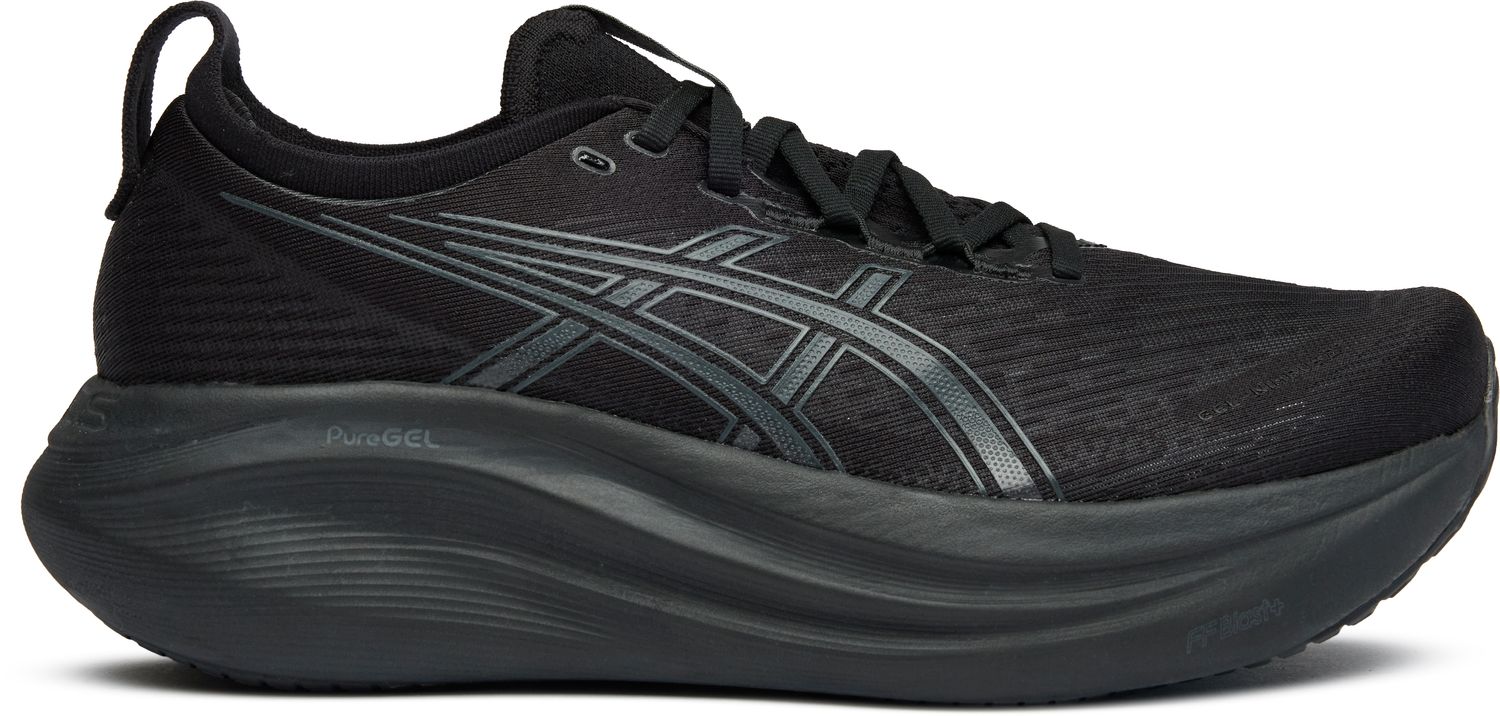
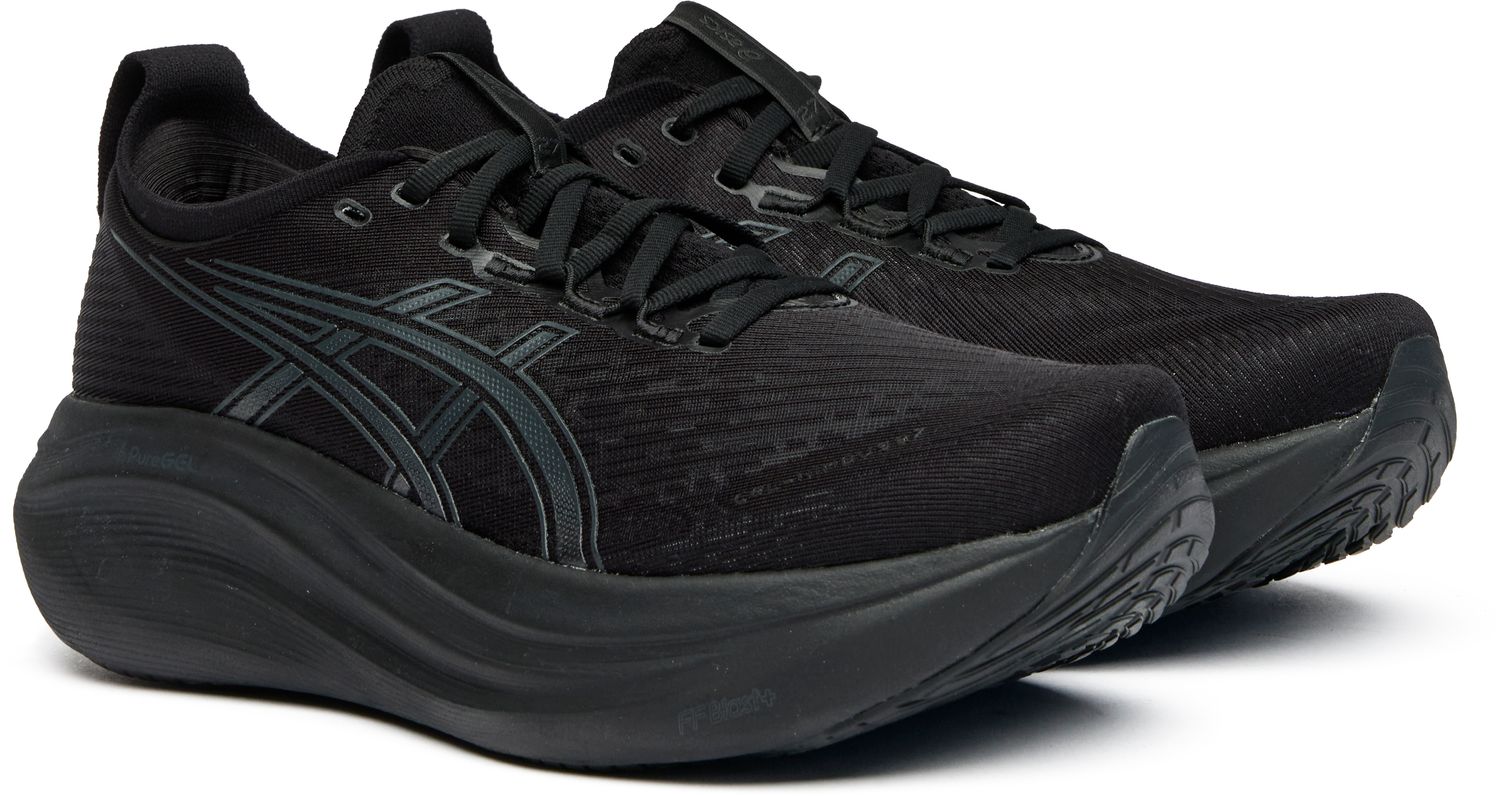
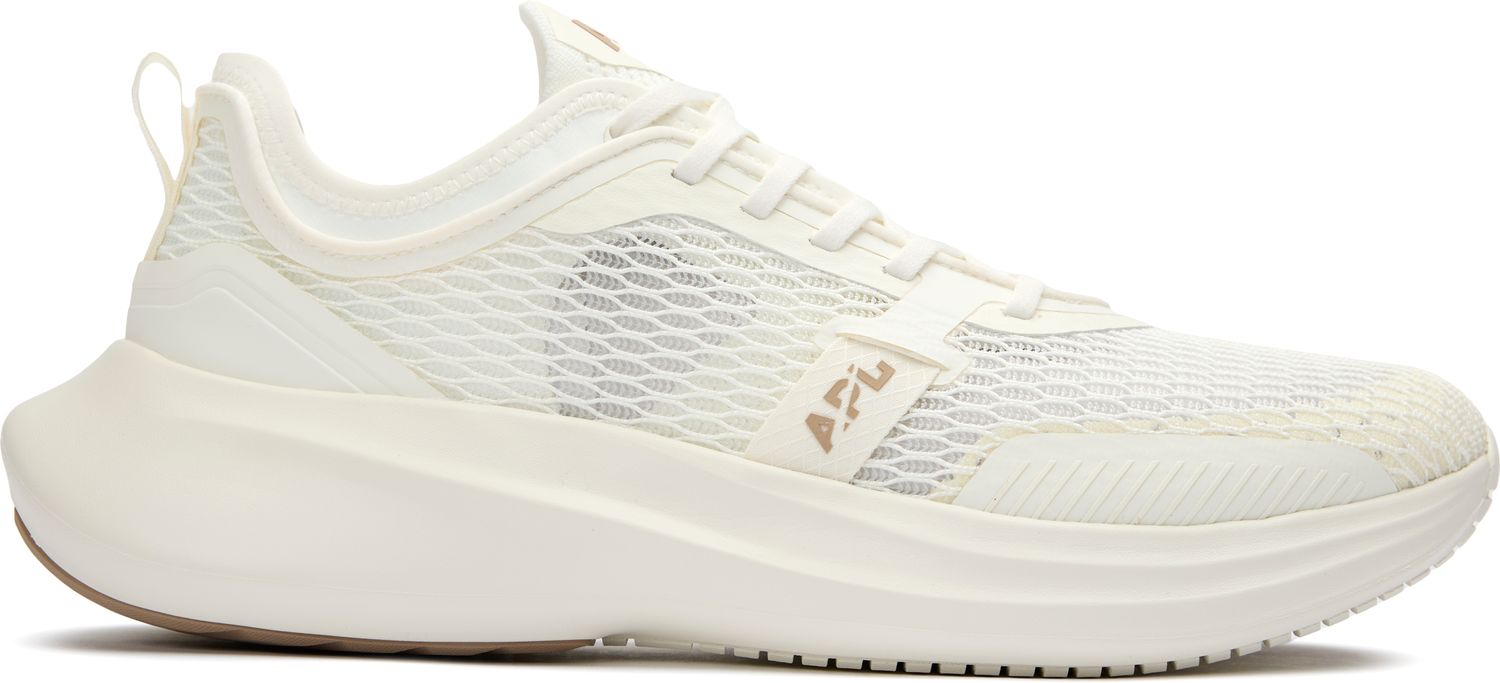
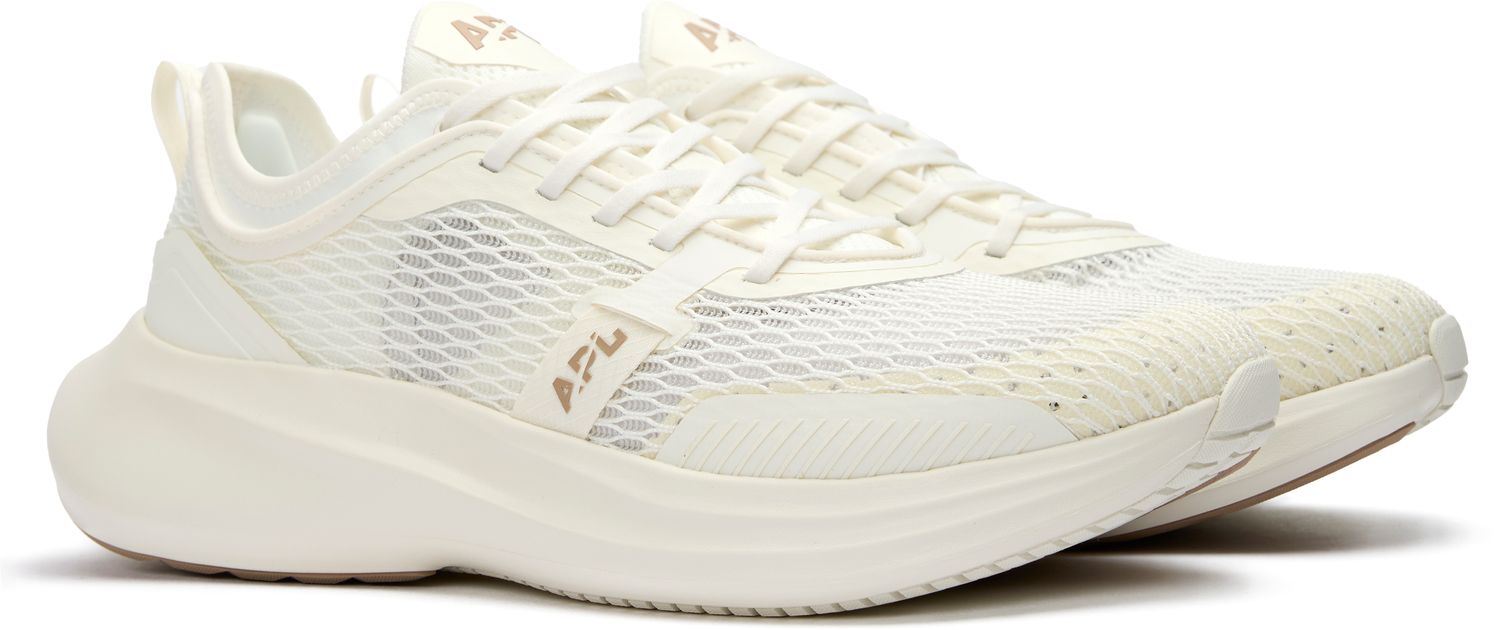
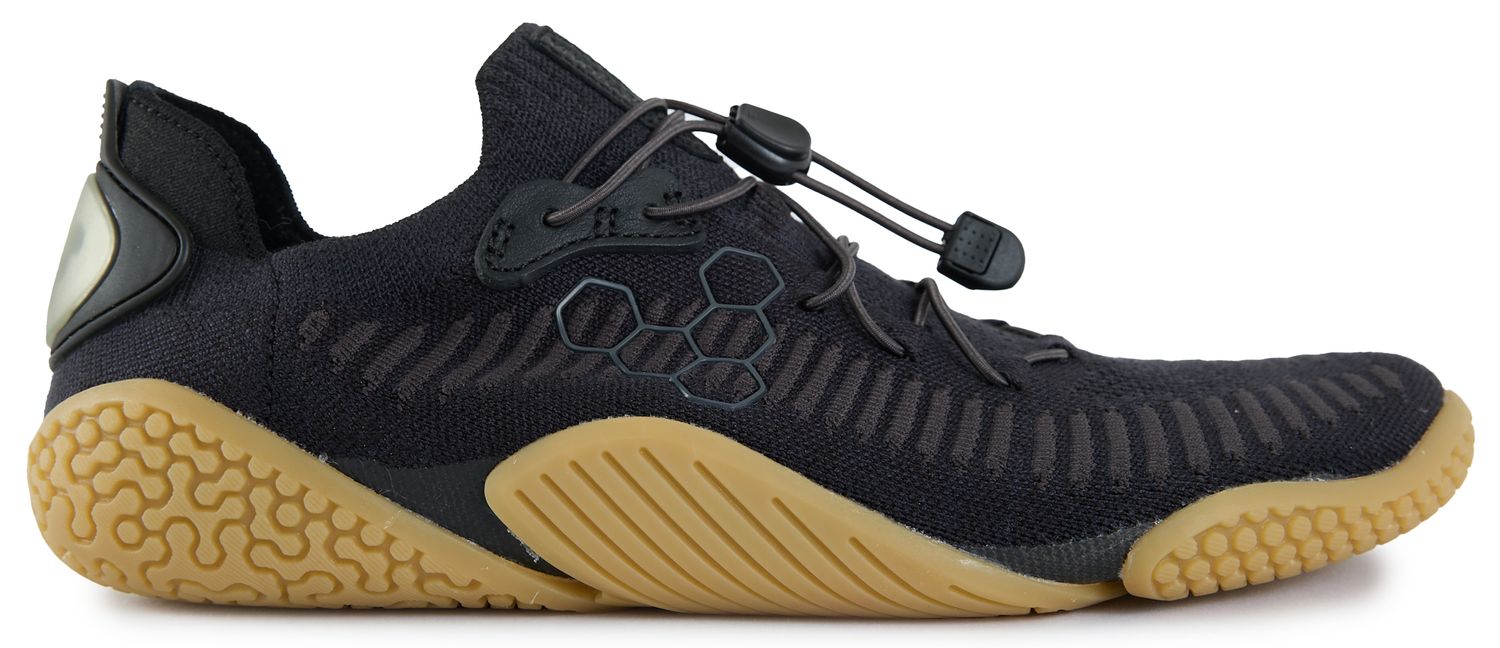
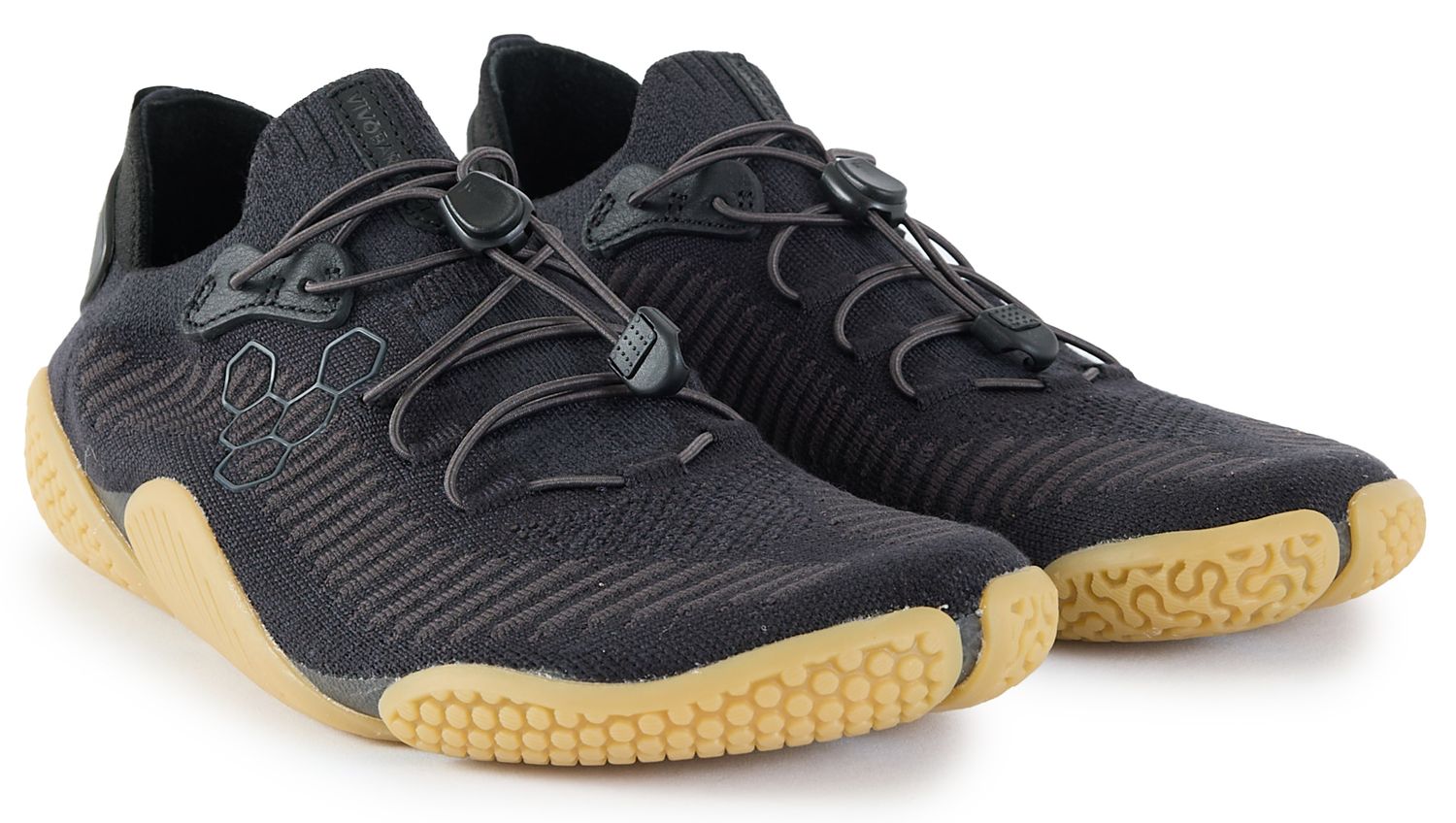
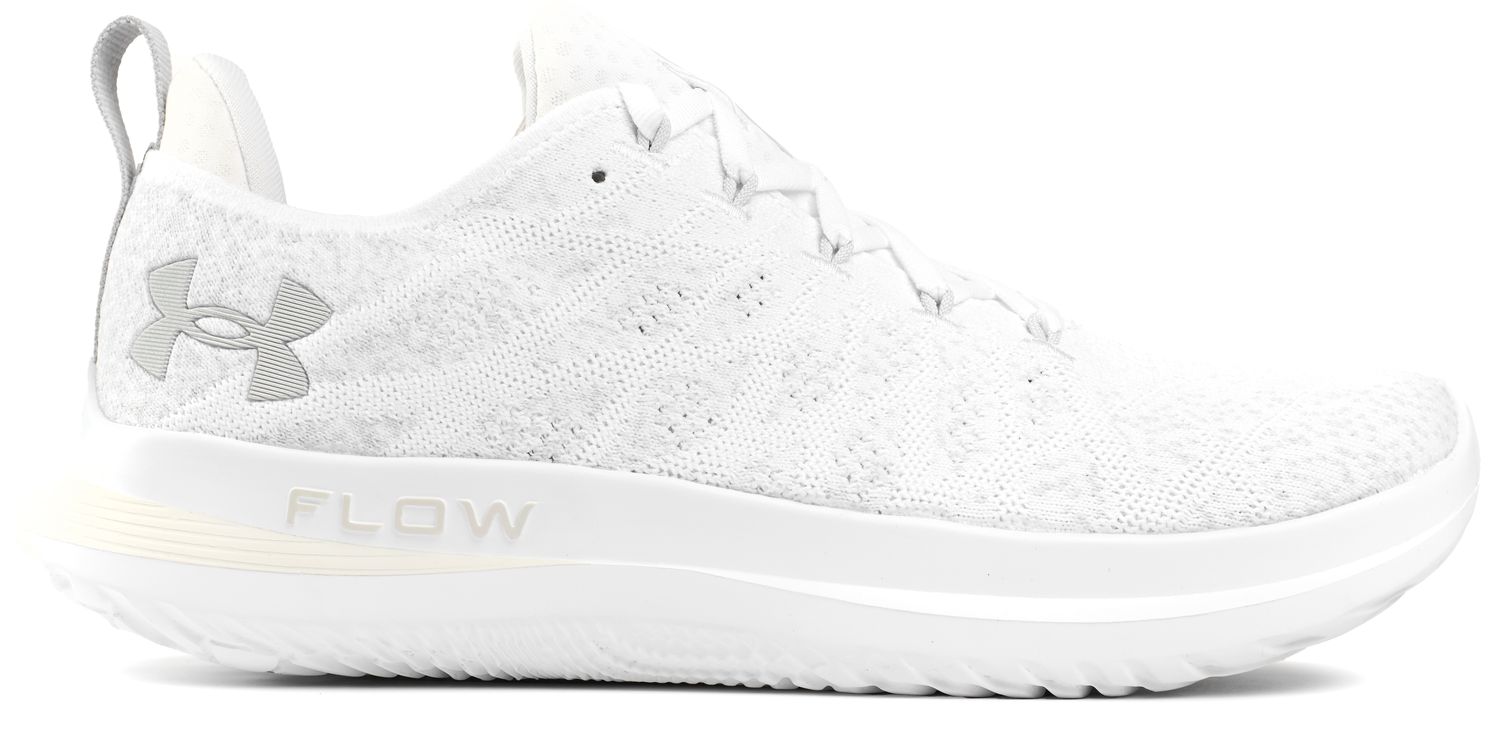
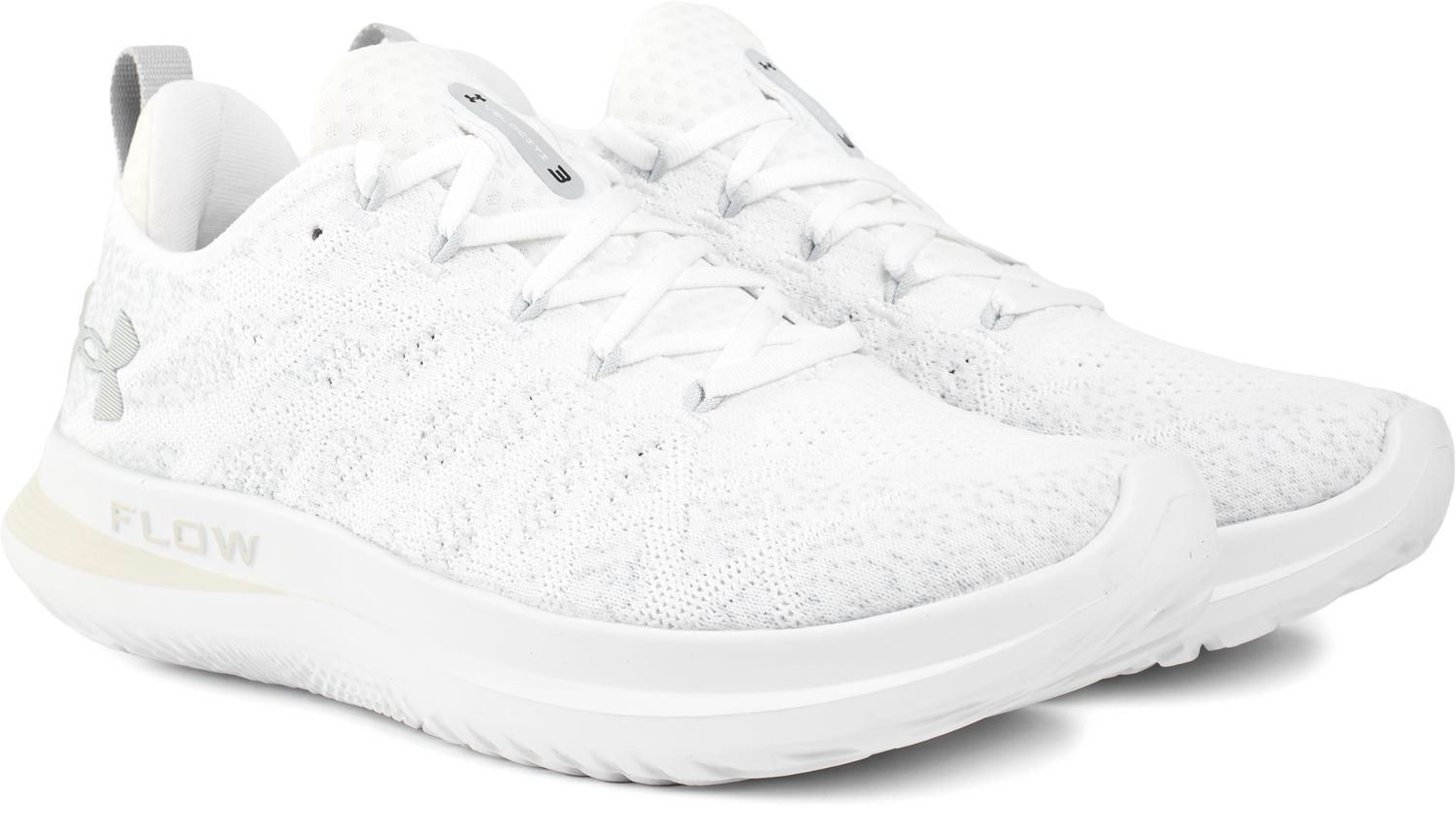
Men's Performance Sneakers
Men's Performance Trainers FAQs
Choosing proper performance footwear affects both athletic results and injury prevention. We've answered the most common questions about running trainers and trail shoes below.
What makes performance trainers different from casual trainers?
Performance trainers use sport-specific technologies like responsive foam midsoles, engineered mesh uppers for breathability, and biomechanically-designed support systems. Mens running trainers feature curved geometry that encourages natural foot rolling during strides, whilst trail running shoes include protective toe caps and stability features for uneven terrain. Casual trainers prioritise aesthetics and use flat constructions better suited to walking than repetitive athletic movements. The cushioning systems differ fundamentally - performance shoes absorb impact whilst returning energy.
Should I choose road running trainers or trail running shoes?
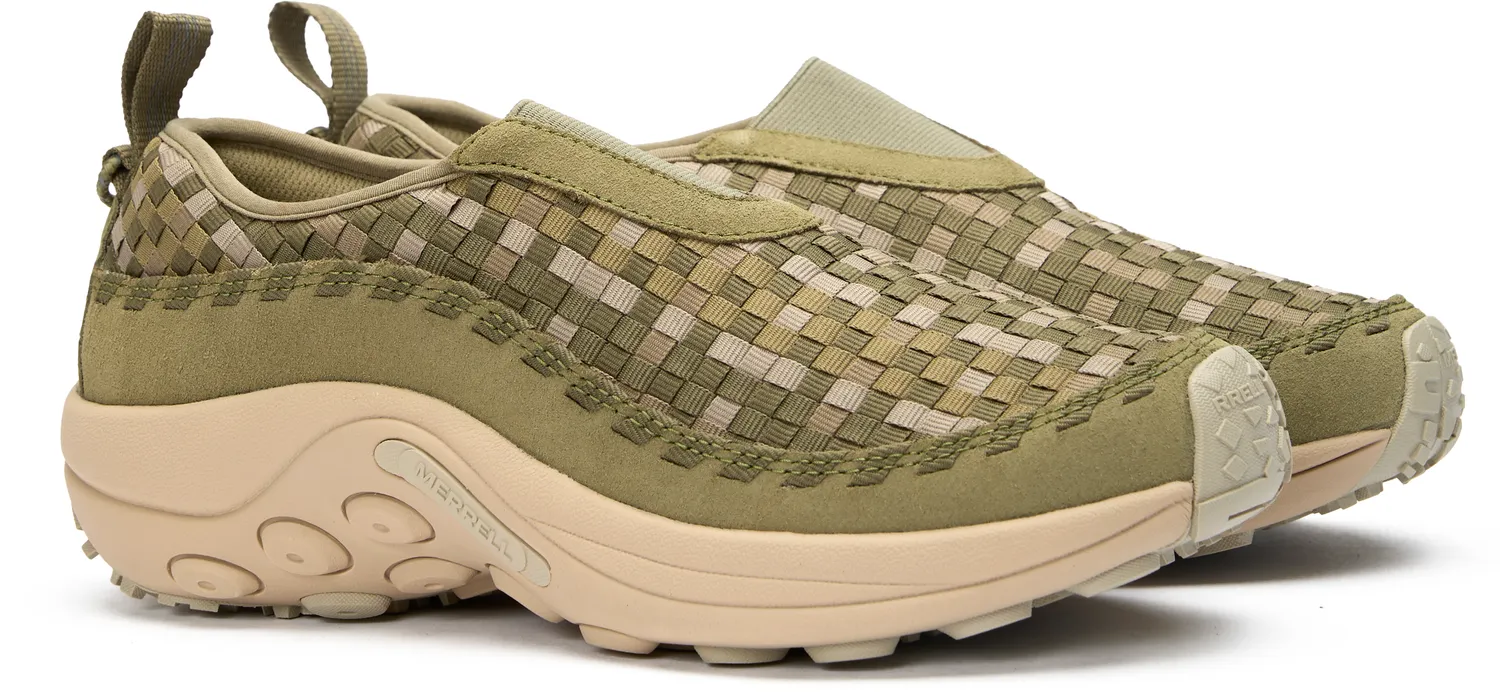
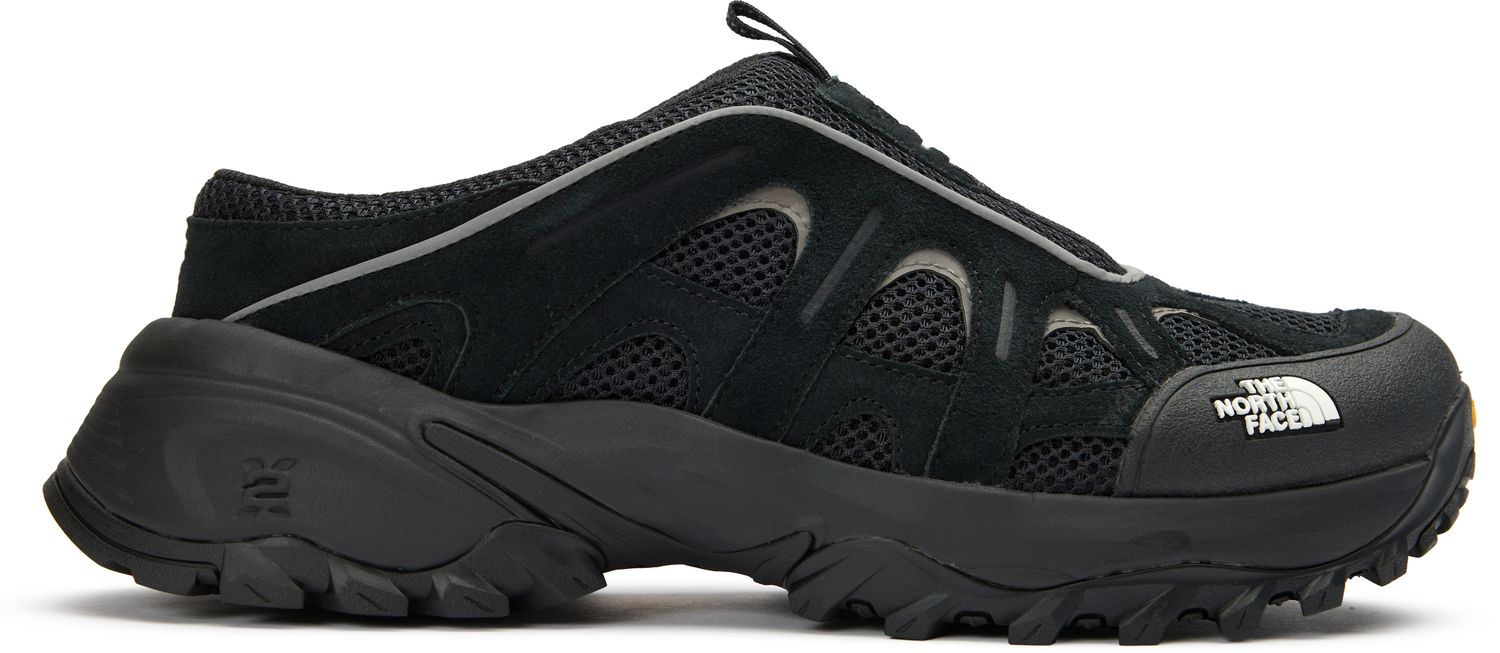
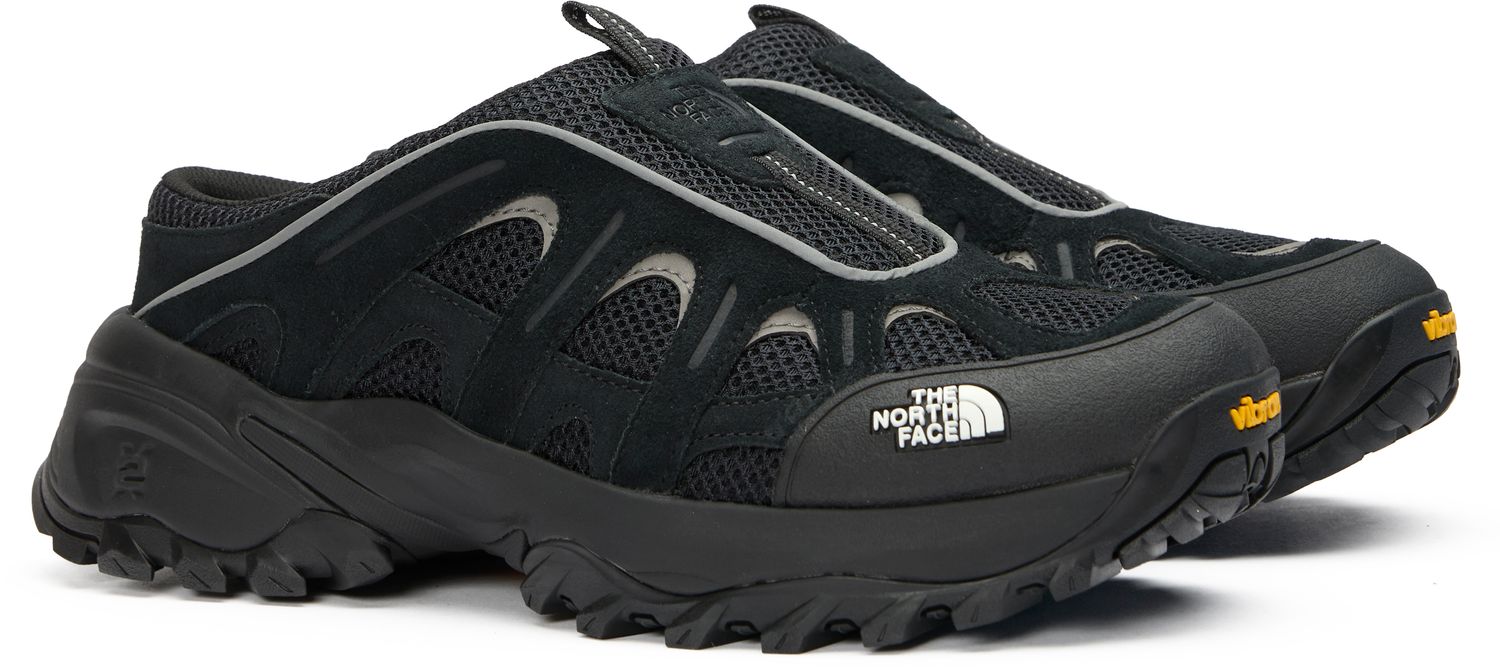
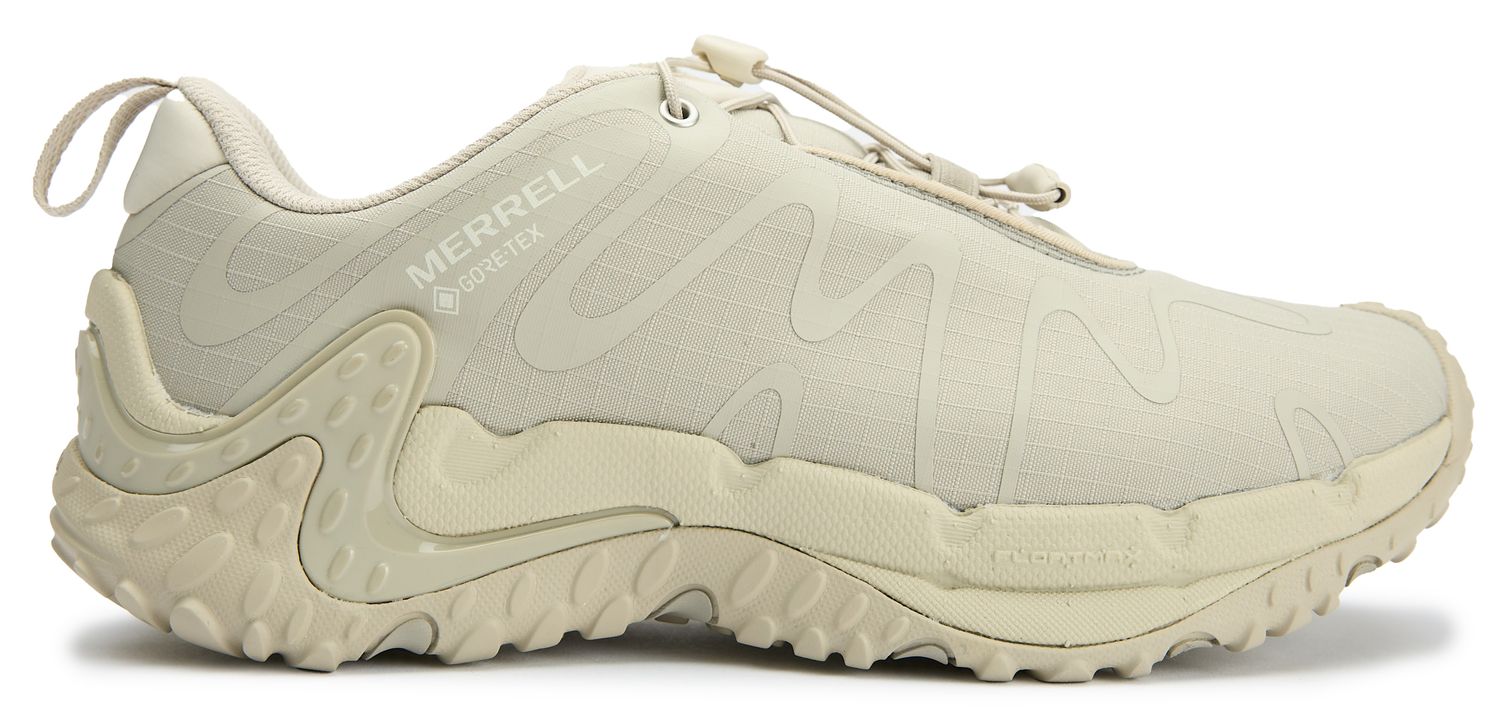
Road running trainers work on pavements, treadmills, and smooth surfaces with lighter weight and more responsive cushioning for speed. Trail running shoes handle dirt paths, rocky terrain, and muddy conditions with aggressive outsole patterns, reinforced uppers, and stability features that prevent ankle rolling on uneven ground. Hiking trainers bridge both categories with durable construction for long distances but less emphasis on speed. If you run exclusively on roads, choose lightweight running trainers from New Balance or On. For off-road adventures, Merrell and The North Face trail shoes provide necessary traction.
How do I know if I need cushioned or minimal running trainers?
Cushioned running trainers suit heavier runners, those with joint concerns, or anyone running long distances where impact absorption matters most. Minimal trainers work for lighter runners with efficient form who want ground feel and faster response. Most recreational runners benefit from moderate cushioning that balances protection with responsiveness. Men's running trainers from brands like New Balance, Fresh Foam, and On Cloud Monster offer maximum cushioning, whilst trail running shoes typically use firmer midsoles for stability on technical terrain.
What does Gore-Tex mean in hiking trainers?
Gore-Tex creates waterproof, breathable membranes that keep feet dry in wet conditions whilst allowing sweat vapour to escape. Hiking trainers with Gore-Tex handle stream crossings, morning dew, and rainy weather without becoming waterlogged like standard mesh trainers. The trade-off involves slightly reduced breathability in hot, dry conditions and higher prices. Merrell and The North Face offer both Gore-Tex and non-waterproof versions - choose waterproof for British weather and autumn/winter hiking, standard mesh for summer trail running where drainage matters more than waterproofing.
How often should I replace running trainers?
Replace men's running trainers every 300-500 miles, depending on your weight, running form, and surfaces. Heavier runners and those who heel-strike wear through cushioning faster than lighter runners with efficient midfoot strikes. Visual wear on outsoles indicates replacement time, but midsole cushioning degrades internally before showing external damage. Trail running shoes last longer mileage-wise due to less repetitive impact, but their aggressive tread patterns wear down on hard surfaces. Track your mileage and replace trainers when they feel less responsive, even if they look acceptable.
Can I use trail running shoes for road running?
Yes, though trail running shoes feel heavier and less responsive on pavements due to aggressive tread patterns and firmer midsoles designed for stability rather than speed. The deeper lugs on trail shoes wear down quickly on concrete and asphalt. If you split training between roads and trails, choose versatile hiking trainers that compromise between both - they handle occasional trail running whilst remaining comfortable for road miles. Pure road running trainers shouldn't venture onto technical trails where inadequate traction causes slipping on loose surfaces.