Women's Outdoor Boots
Women's Outdoor Boots FAQs
Understanding what separates genuine outdoor boots from fashion styles helps you choose pairs that suit your actual walking needs. These answers address the practical questions that arise most frequently.
What makes outdoor boots different from regular boots?
Outdoor boots prioritise waterproofing, grip, and ankle support over aesthetic concerns, using materials and constructions designed for wet, uneven terrain. They feature deeper tread patterns that channel mud away rather than smooth soles that slip on wet surfaces. The uppers resist water penetration through sealed seams and treated materials, whilst cushioned insoles and supportive midsoles reduce fatigue during extended walking. Leather boots designed for city wear look smart but lack the technical features outdoor boots provide for countryside conditions.
Do Panama Jack outdoor boots suit British weather?
Panama Jack outdoor boots excel in British weather, combining waterproof leather with proper tread for muddy paths and wet grass. The brand specialises in boots that handle damp conditions reliably, using constructions that resist water whilst remaining breathable enough for varied temperatures. They work brilliantly for countryside walks, dog walking, and casual outdoor activities, though serious mountain hiking requires more technical options. The robust build means they last through multiple wet seasons with proper care.
Are Dr. Martens suitable for outdoor walking?
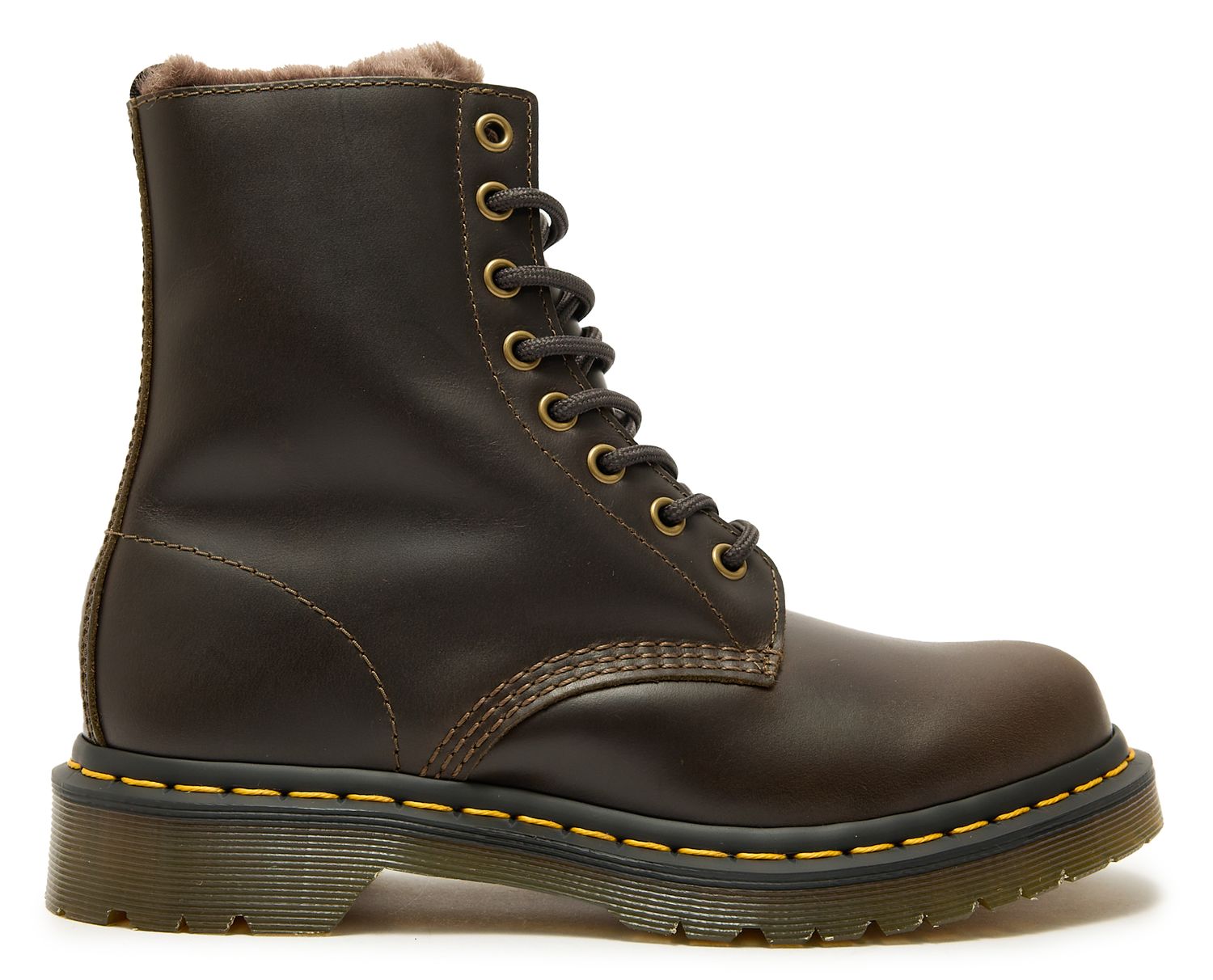
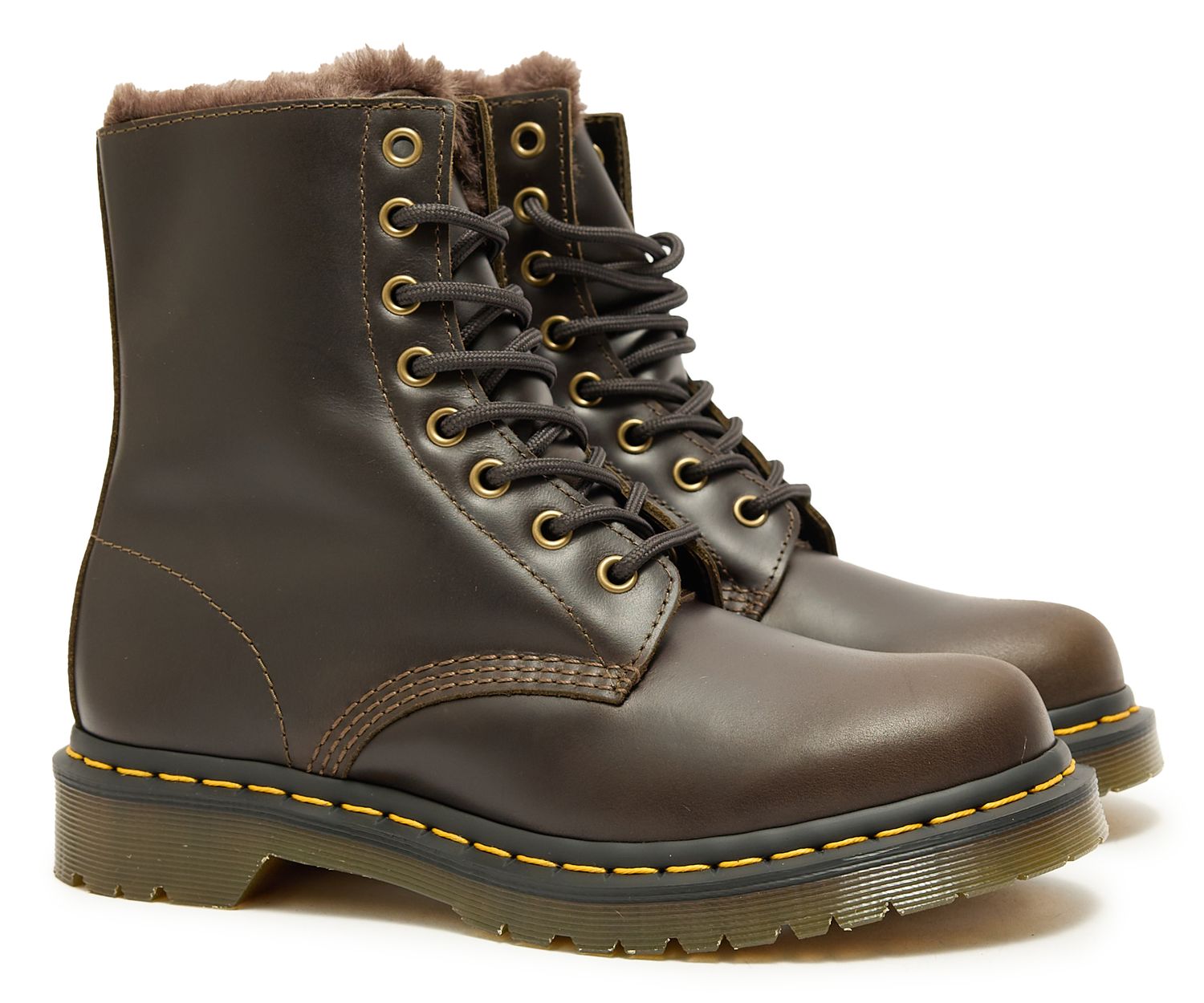
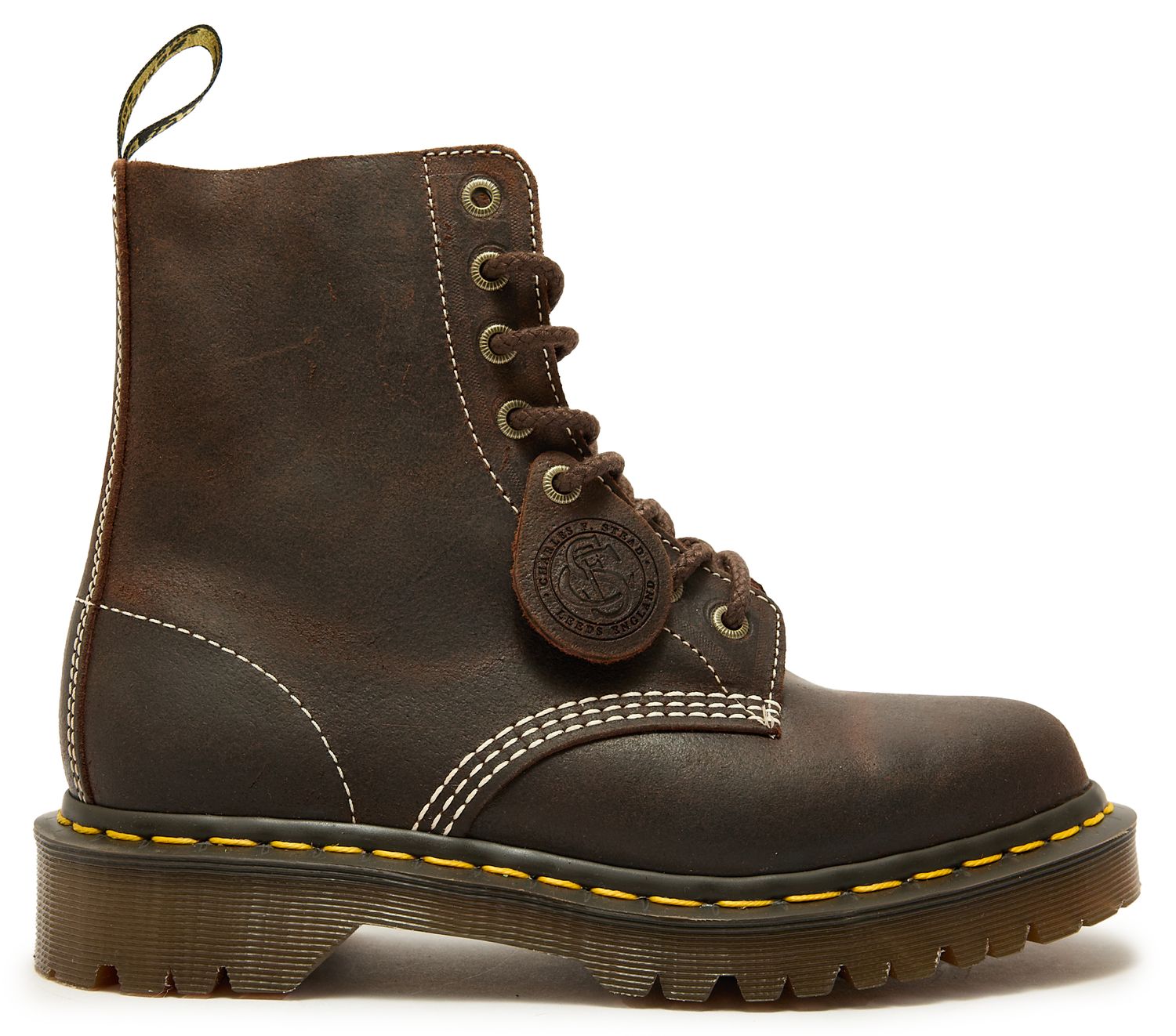
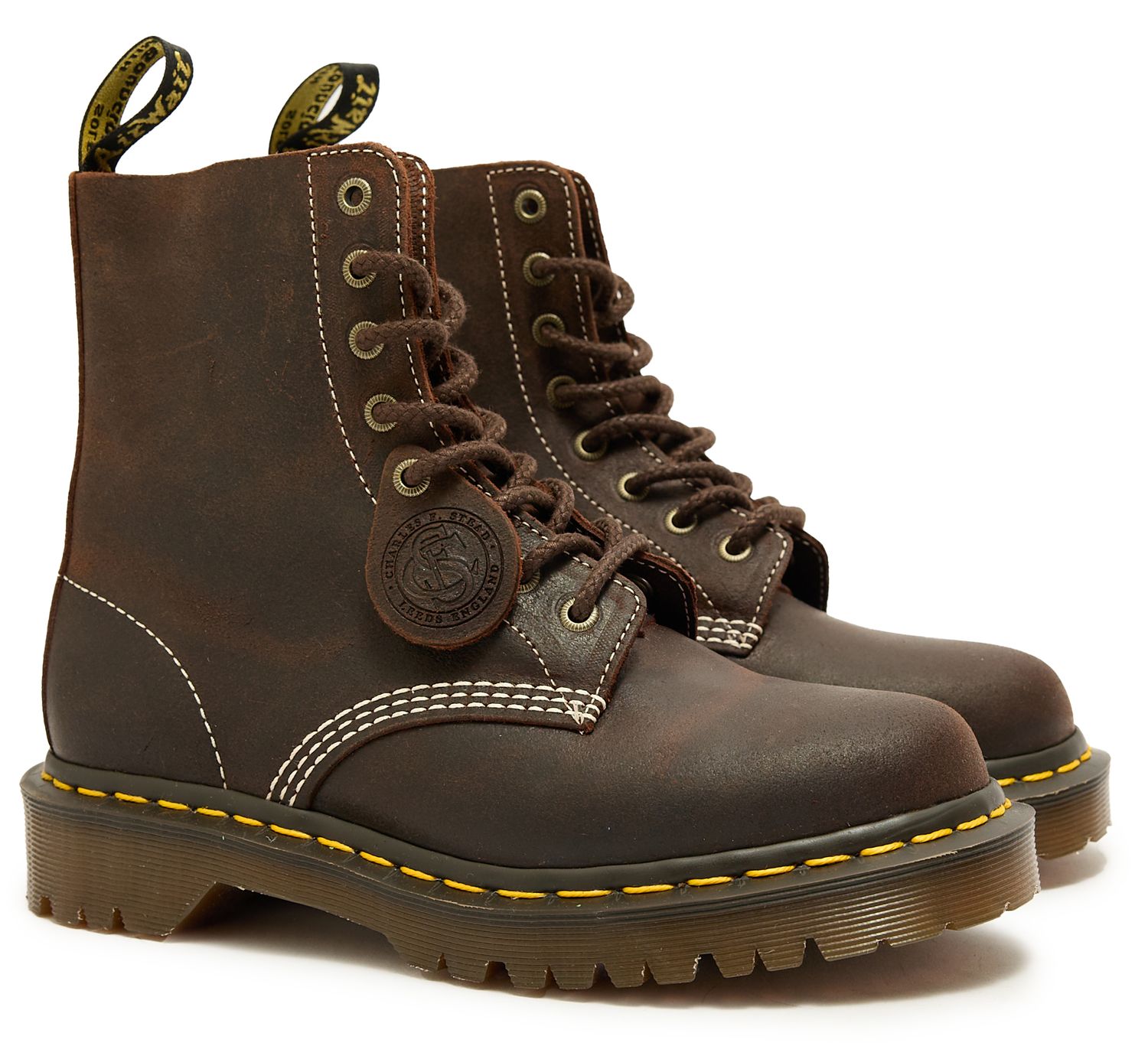
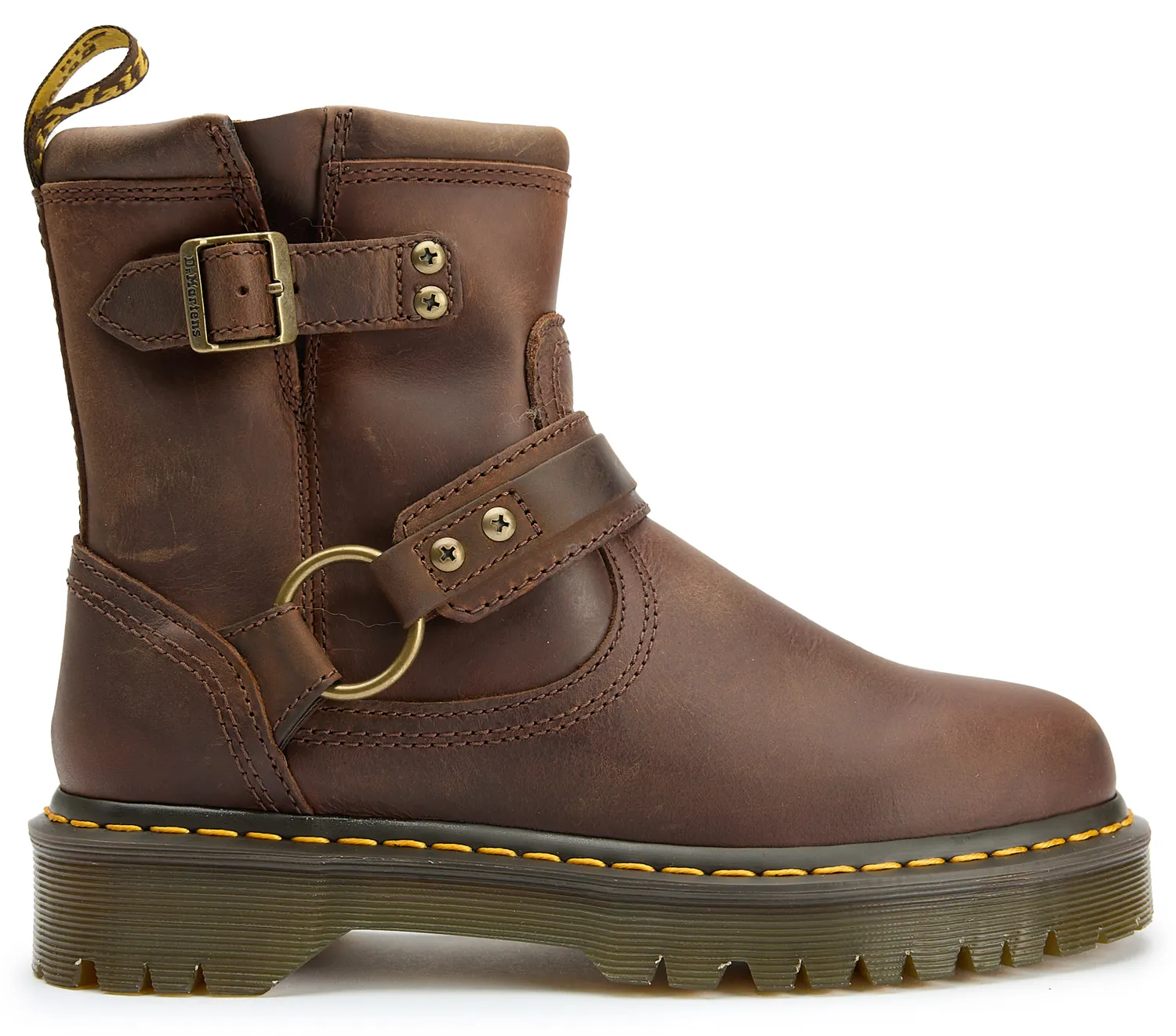
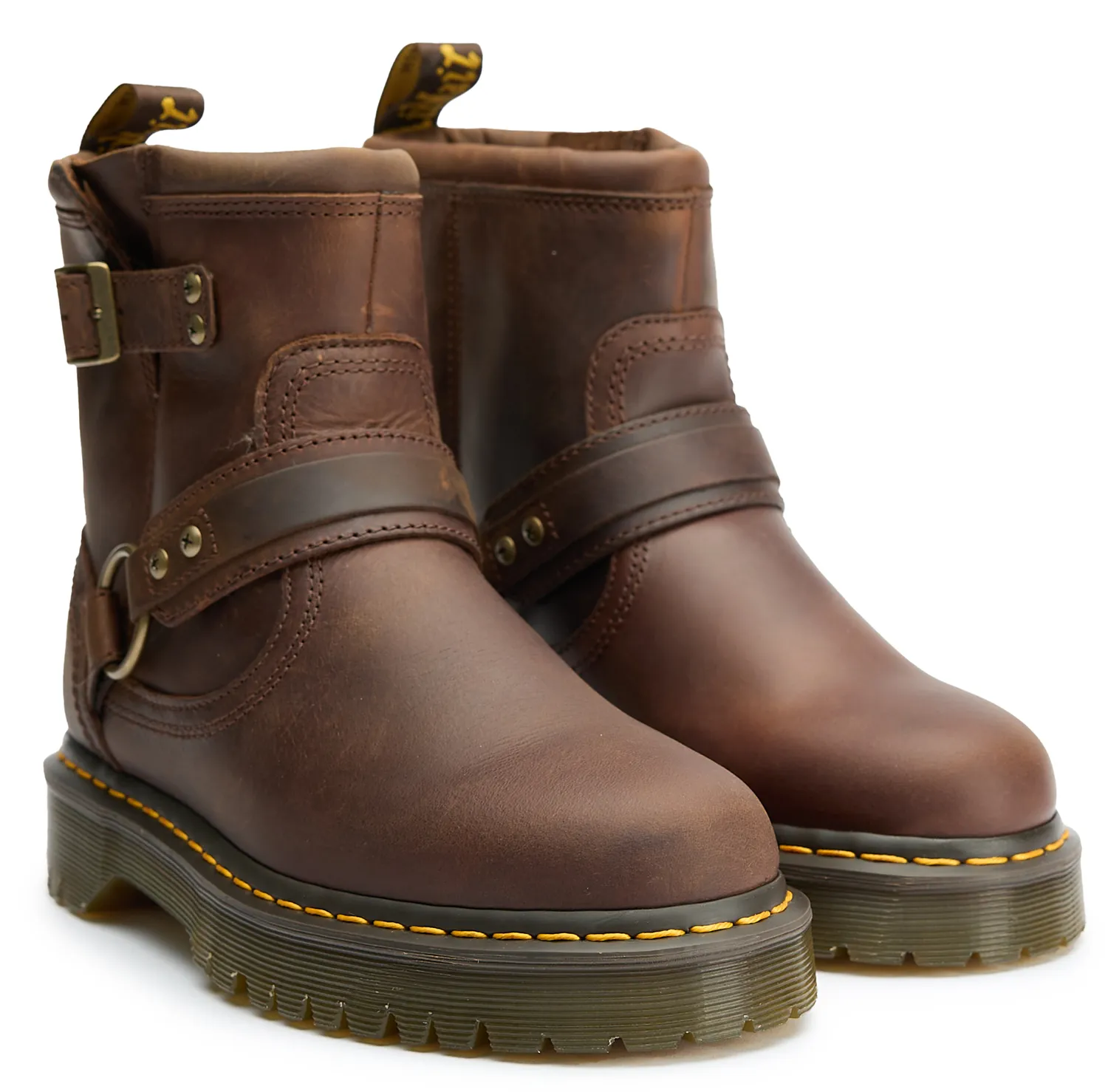
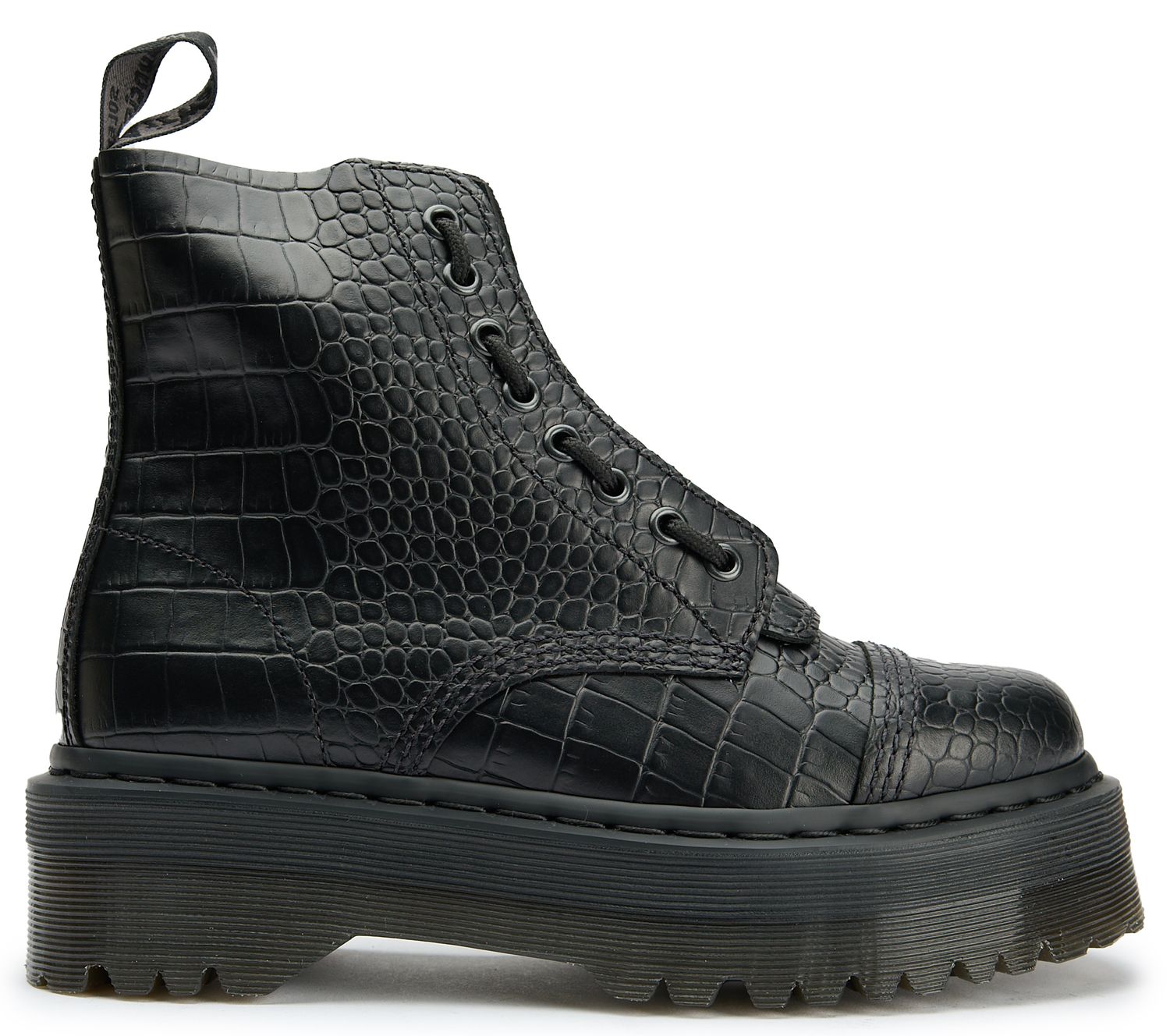
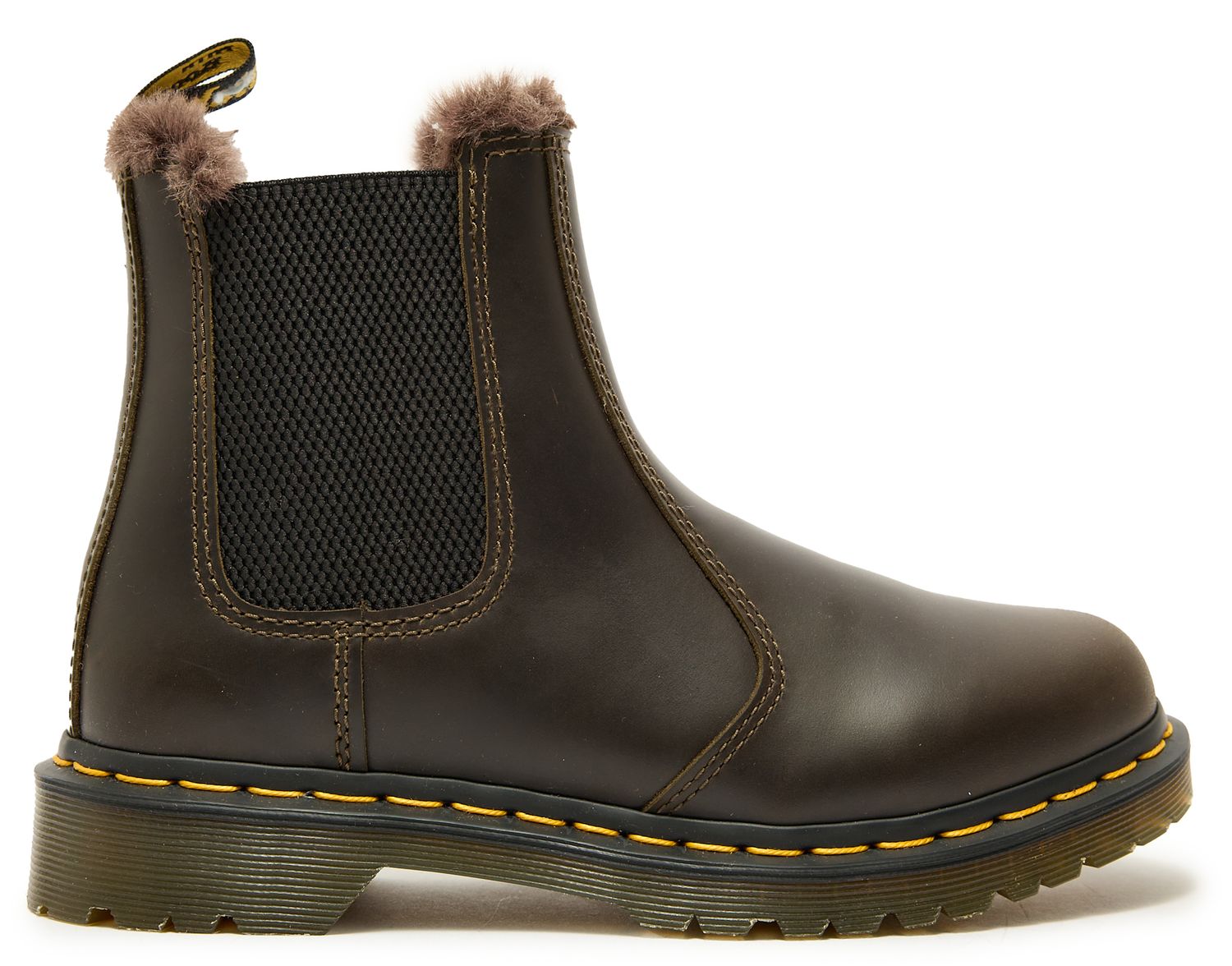
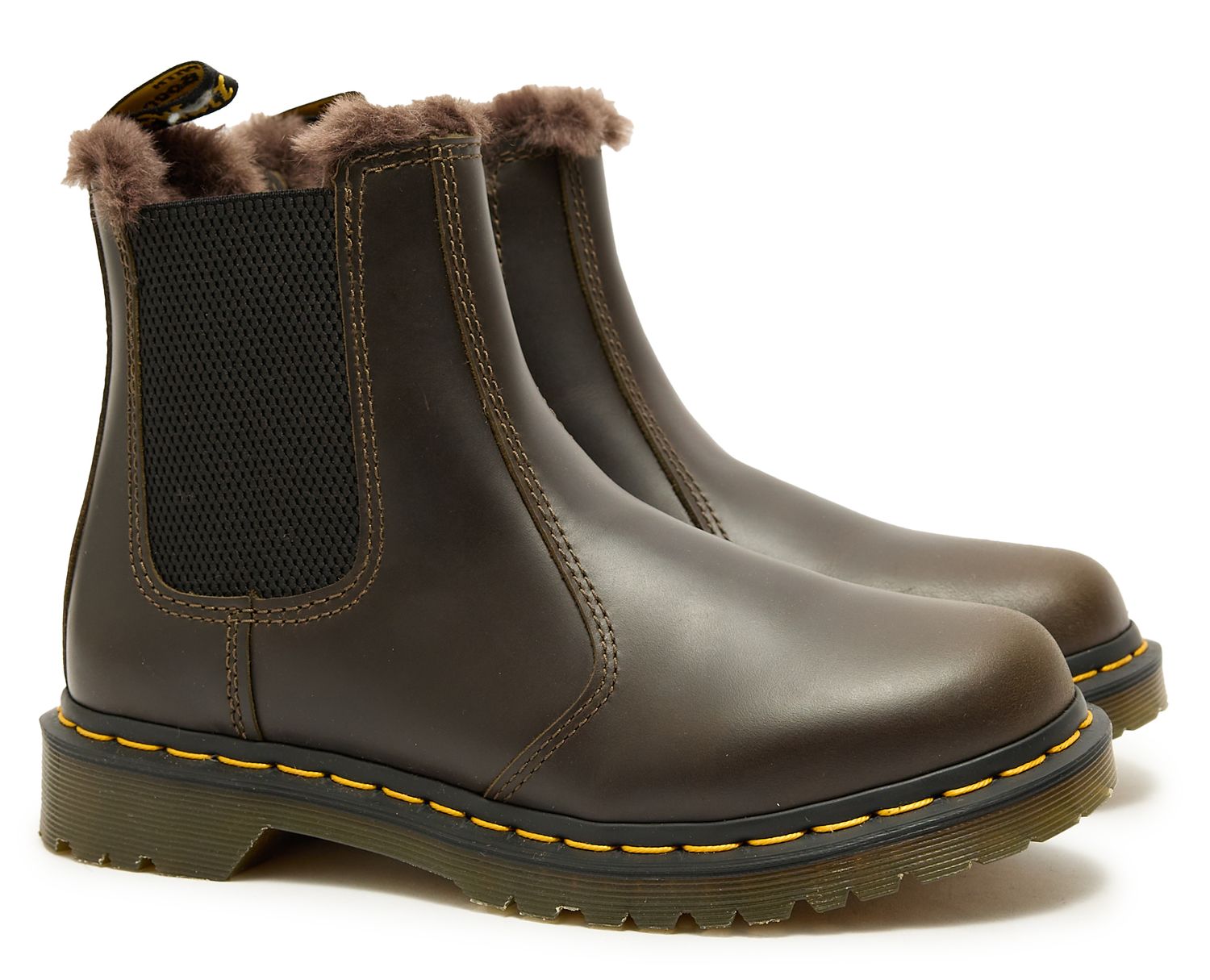
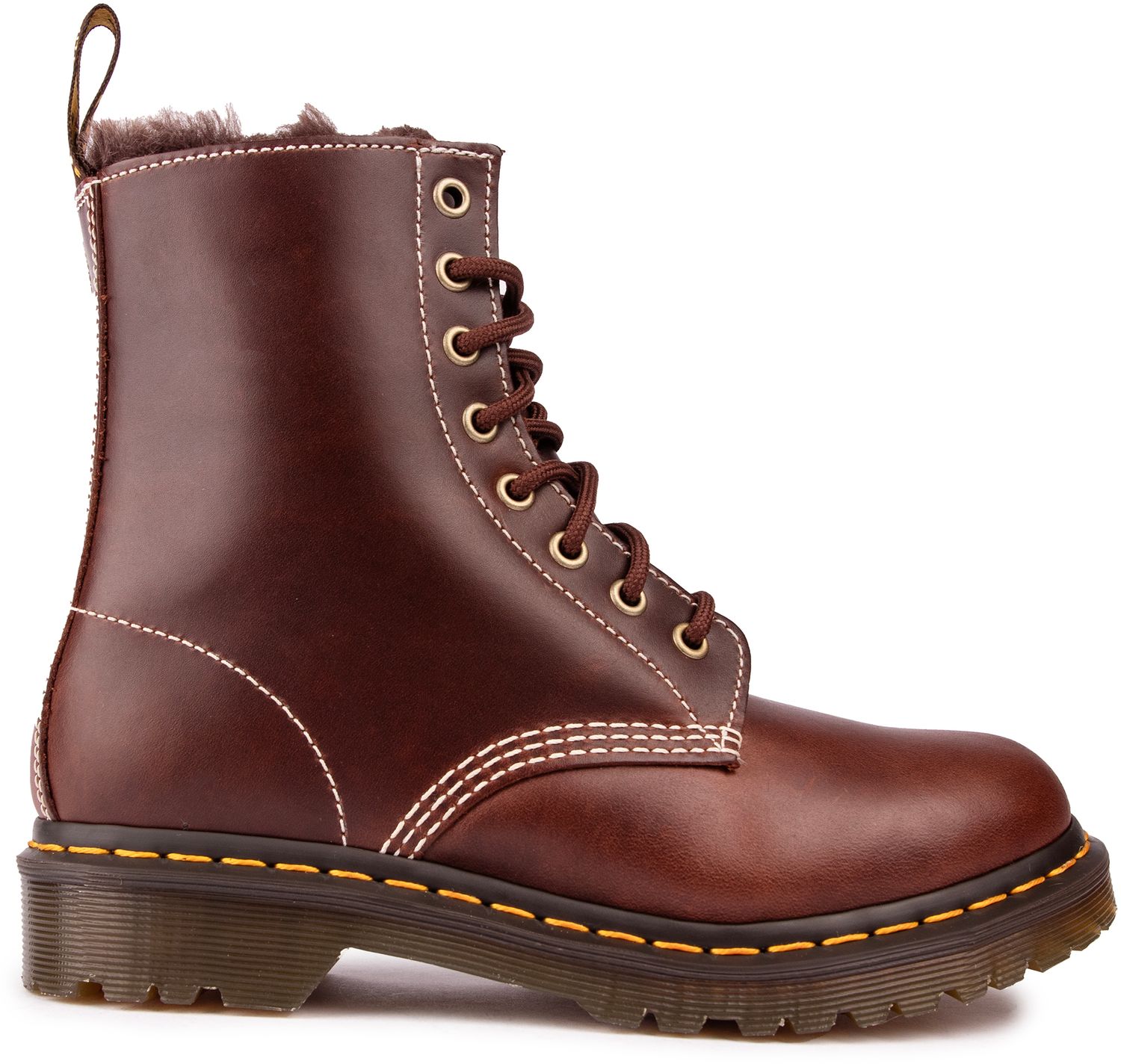
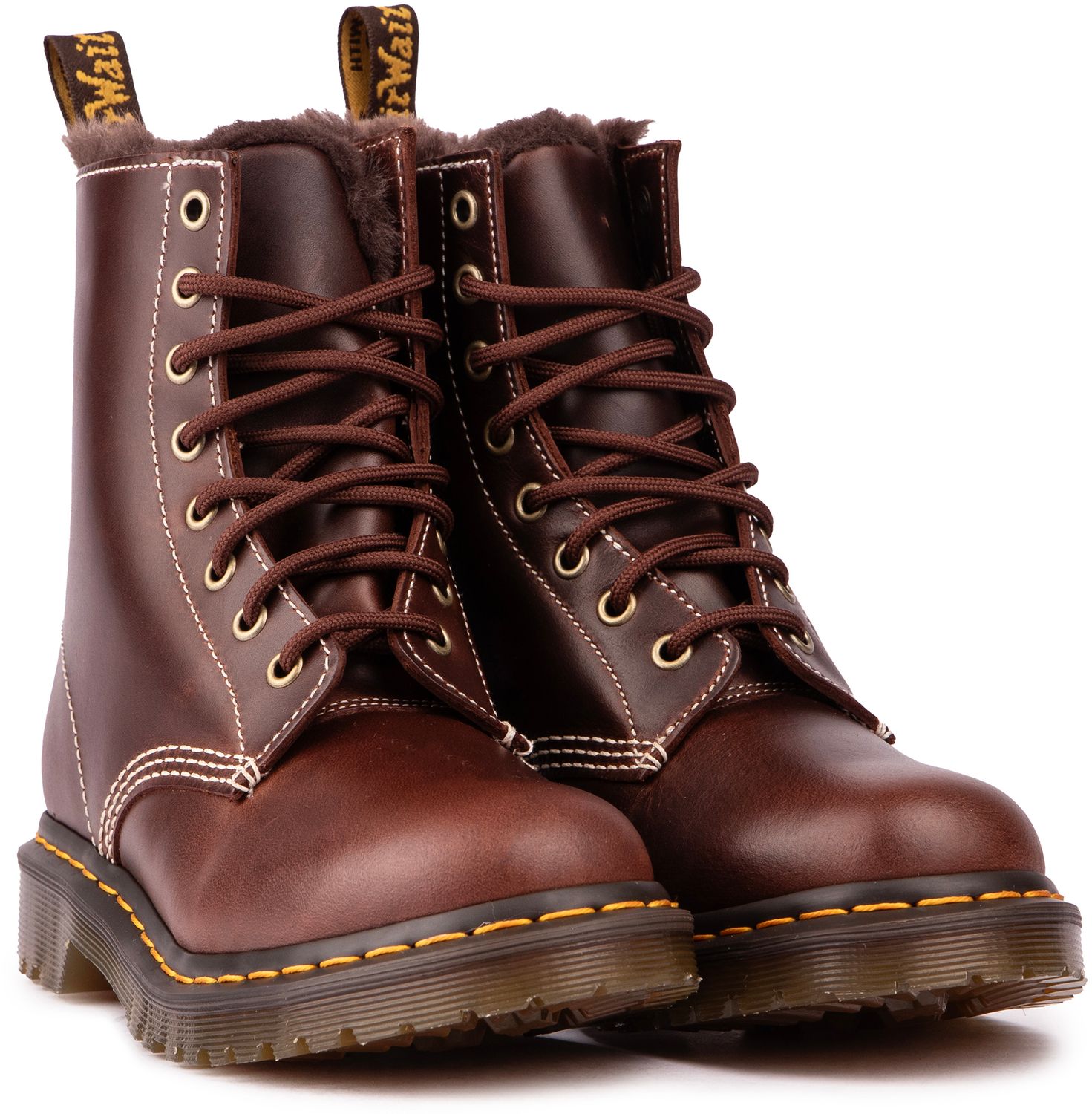
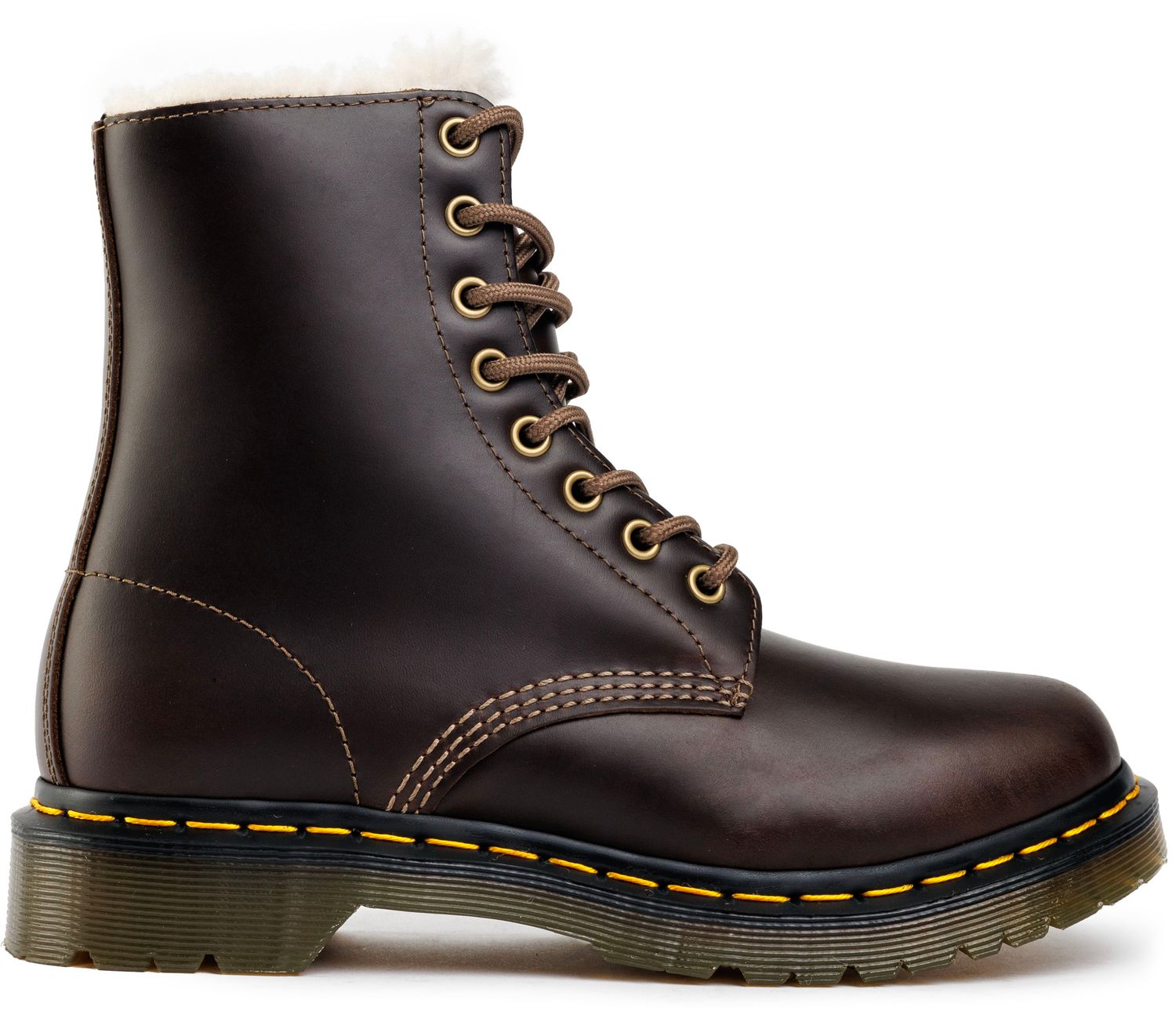
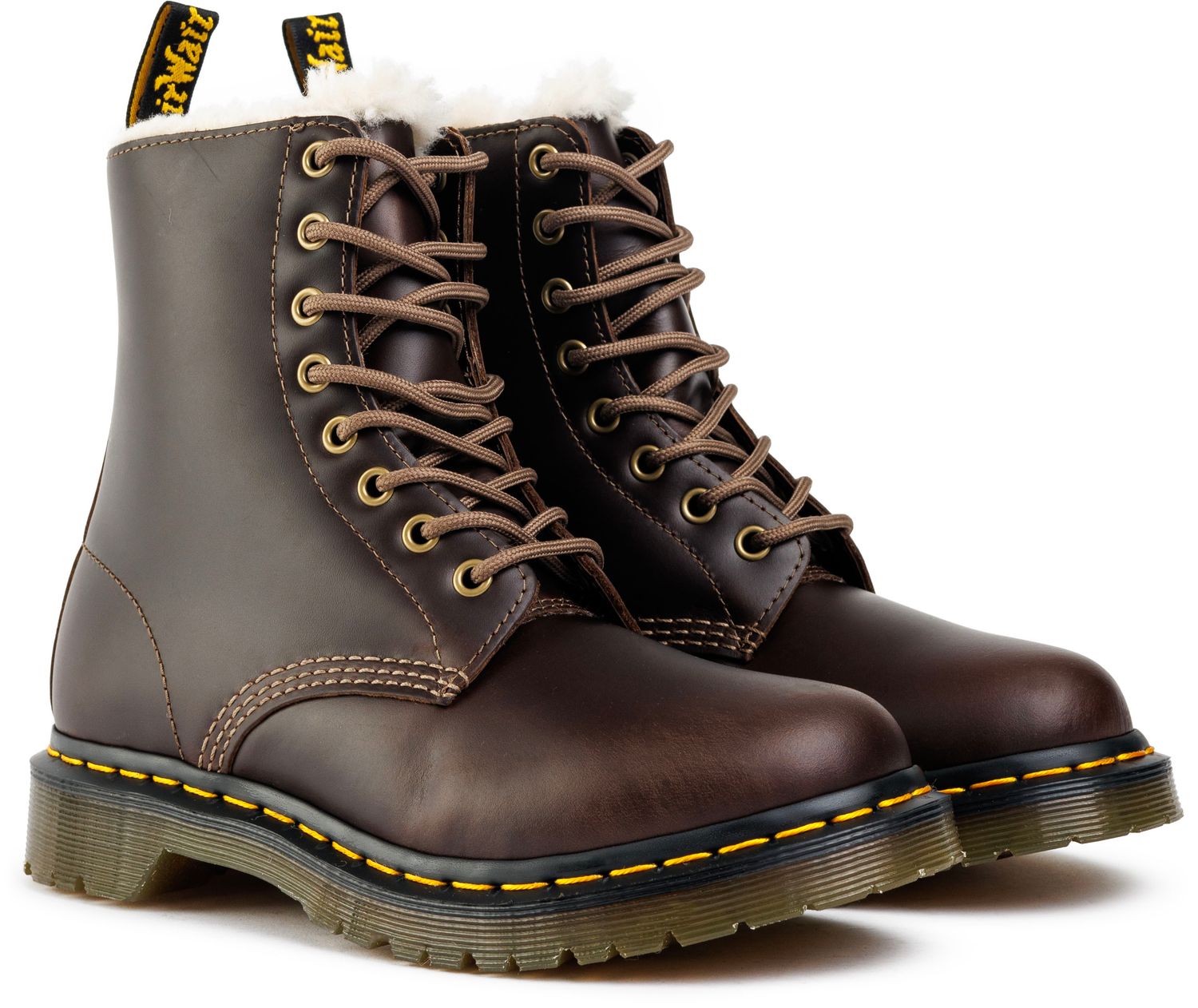
Dr Martens outdoor styles like the Sinclair and Leonora provide decent grip and weather resistance for casual outdoor use, handling muddy paths and light trails comfortably. The air-cushioned sole offers good shock absorption, though it lacks the hiking-specific support of technical walking boots. They work well for dog walks, countryside rambles, and urban outdoor activities, but aren't designed for serious mountain hiking or challenging terrain. The durable construction suits regular outdoor wear brilliantly.
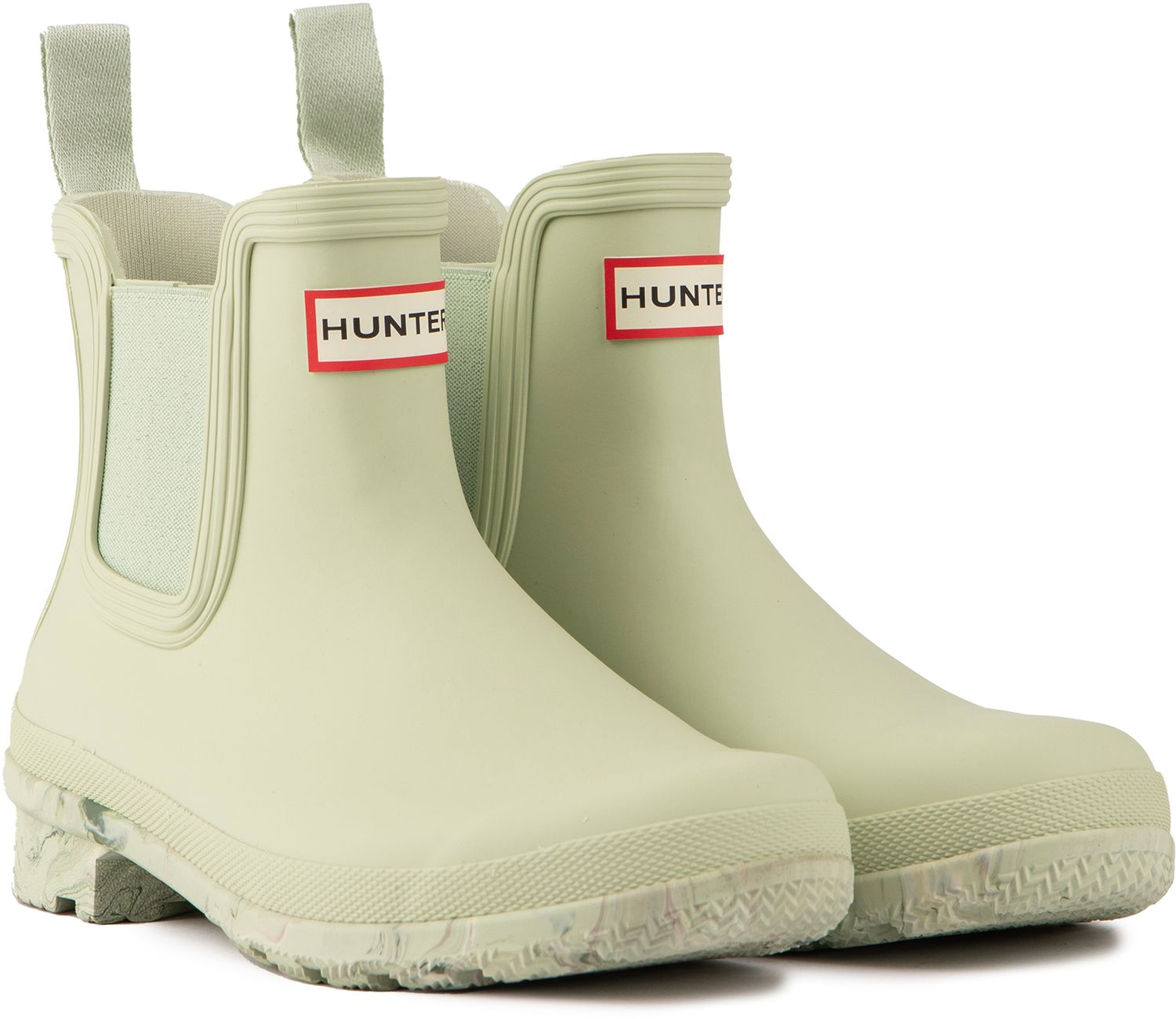
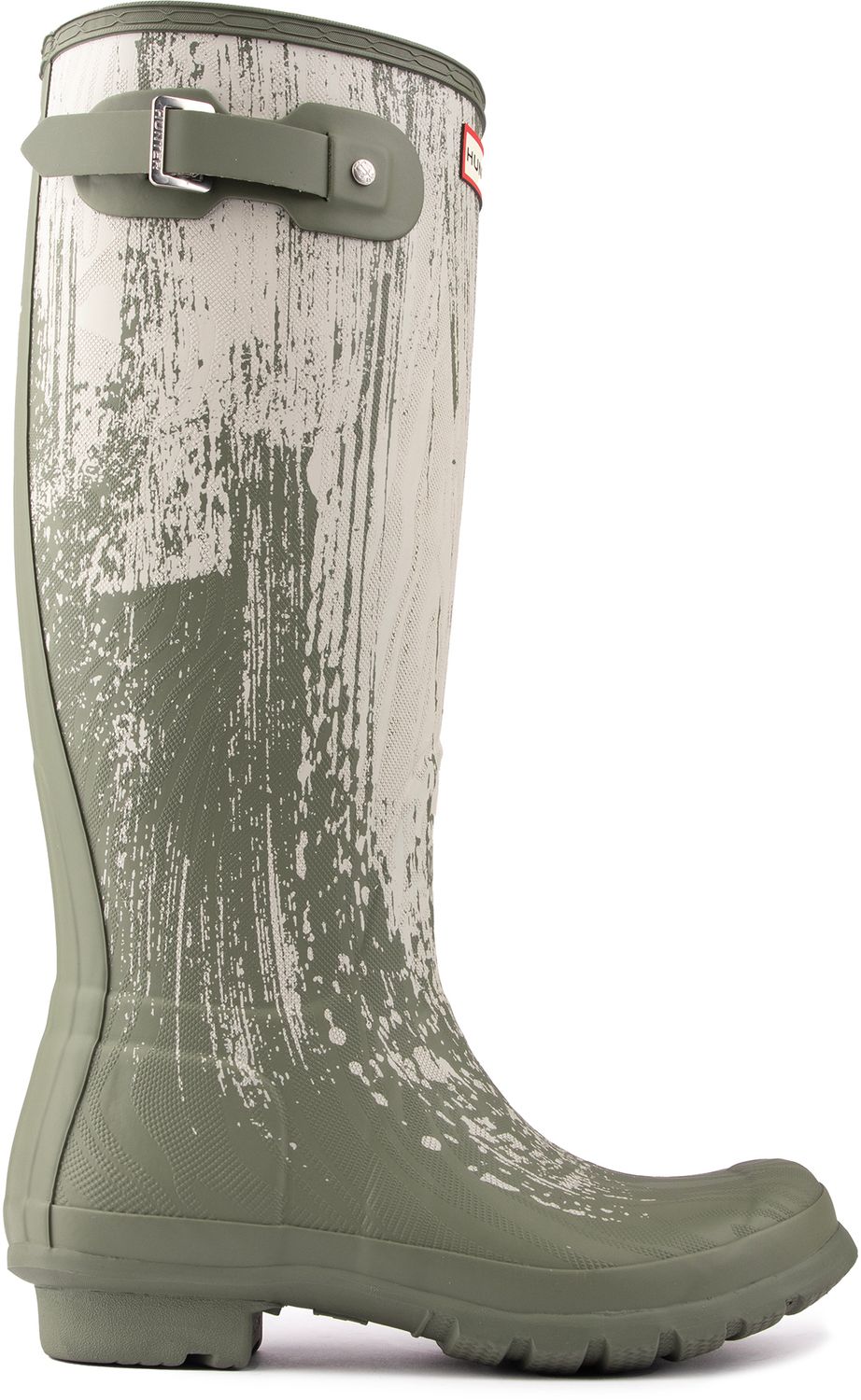
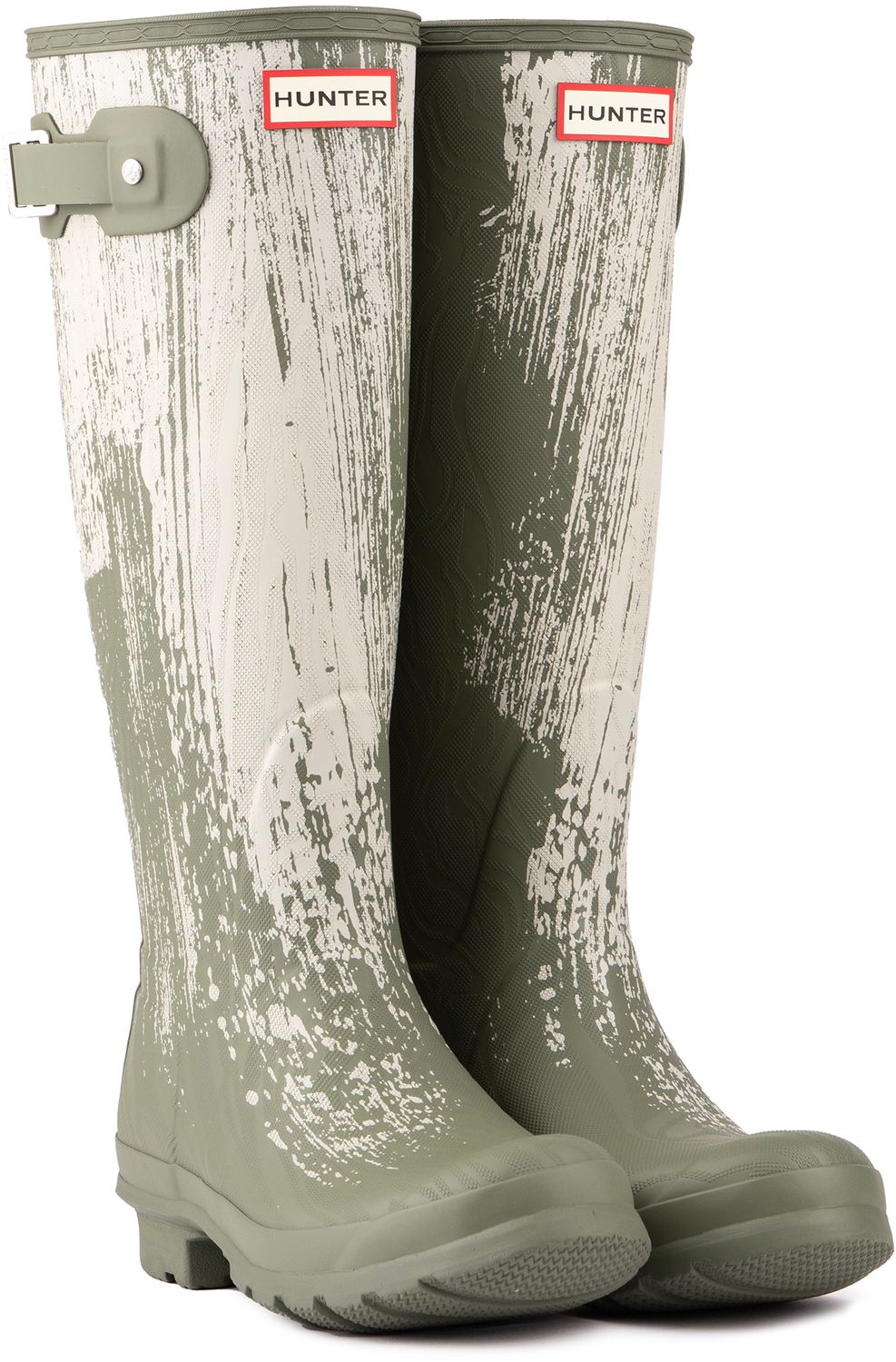
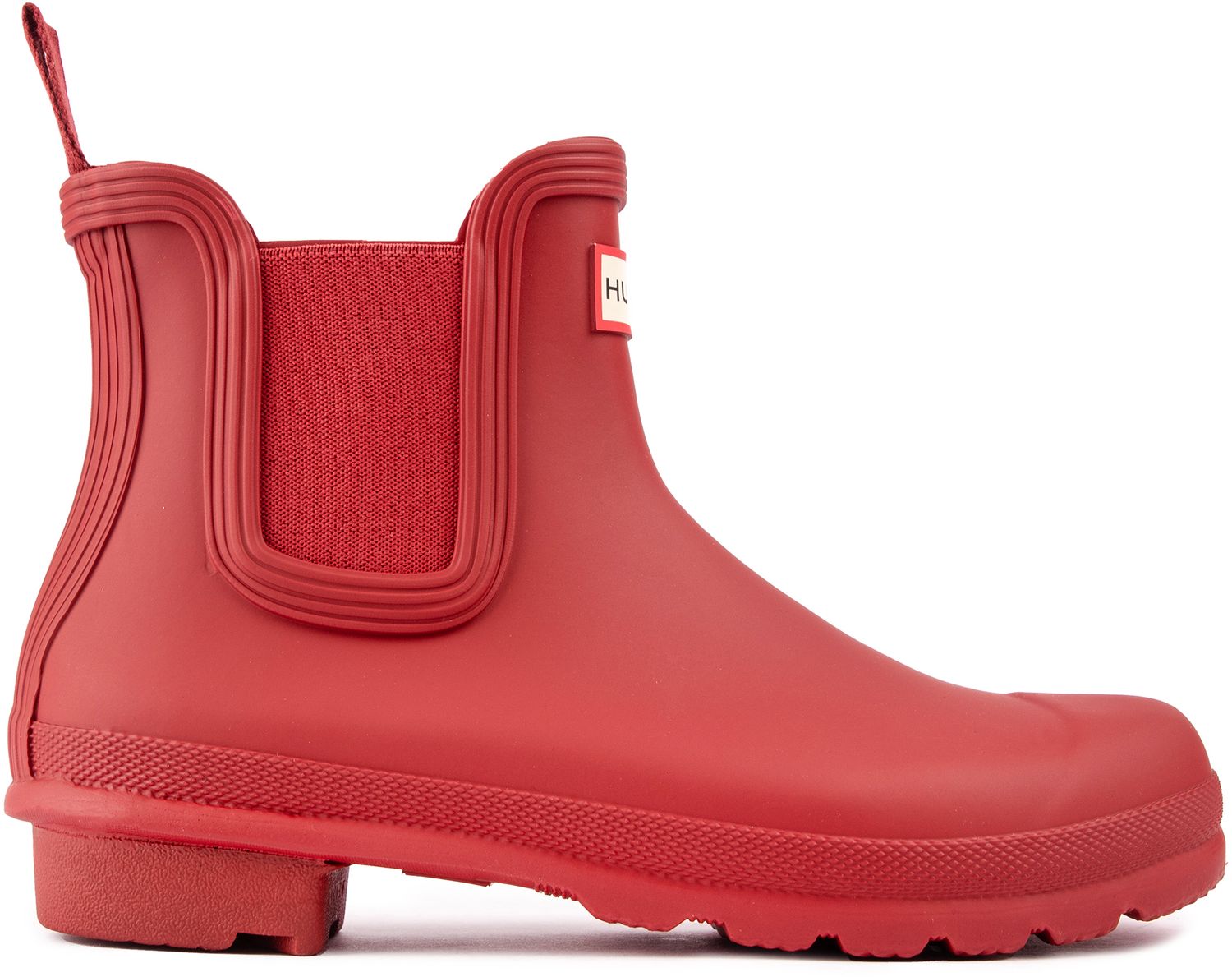
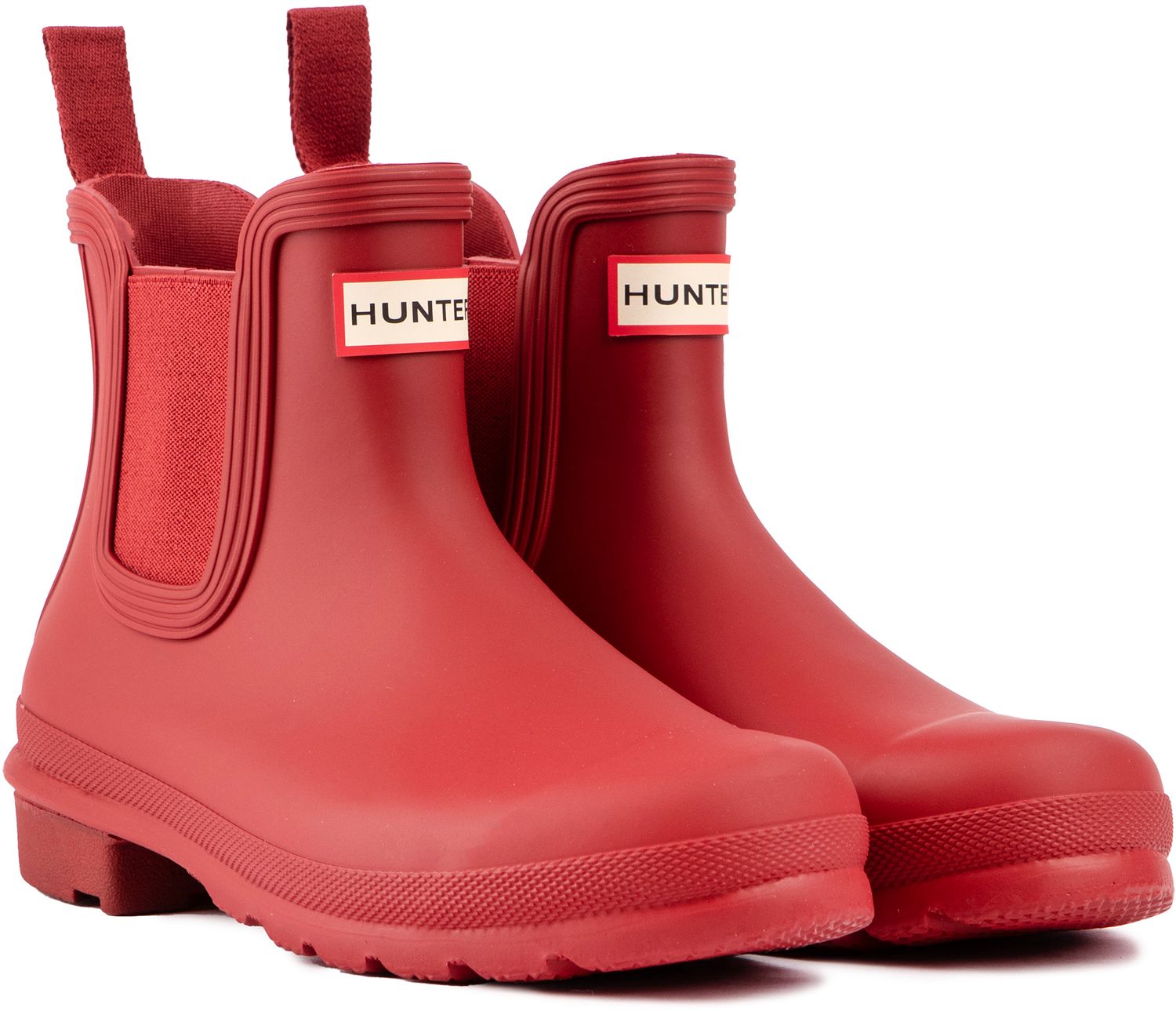
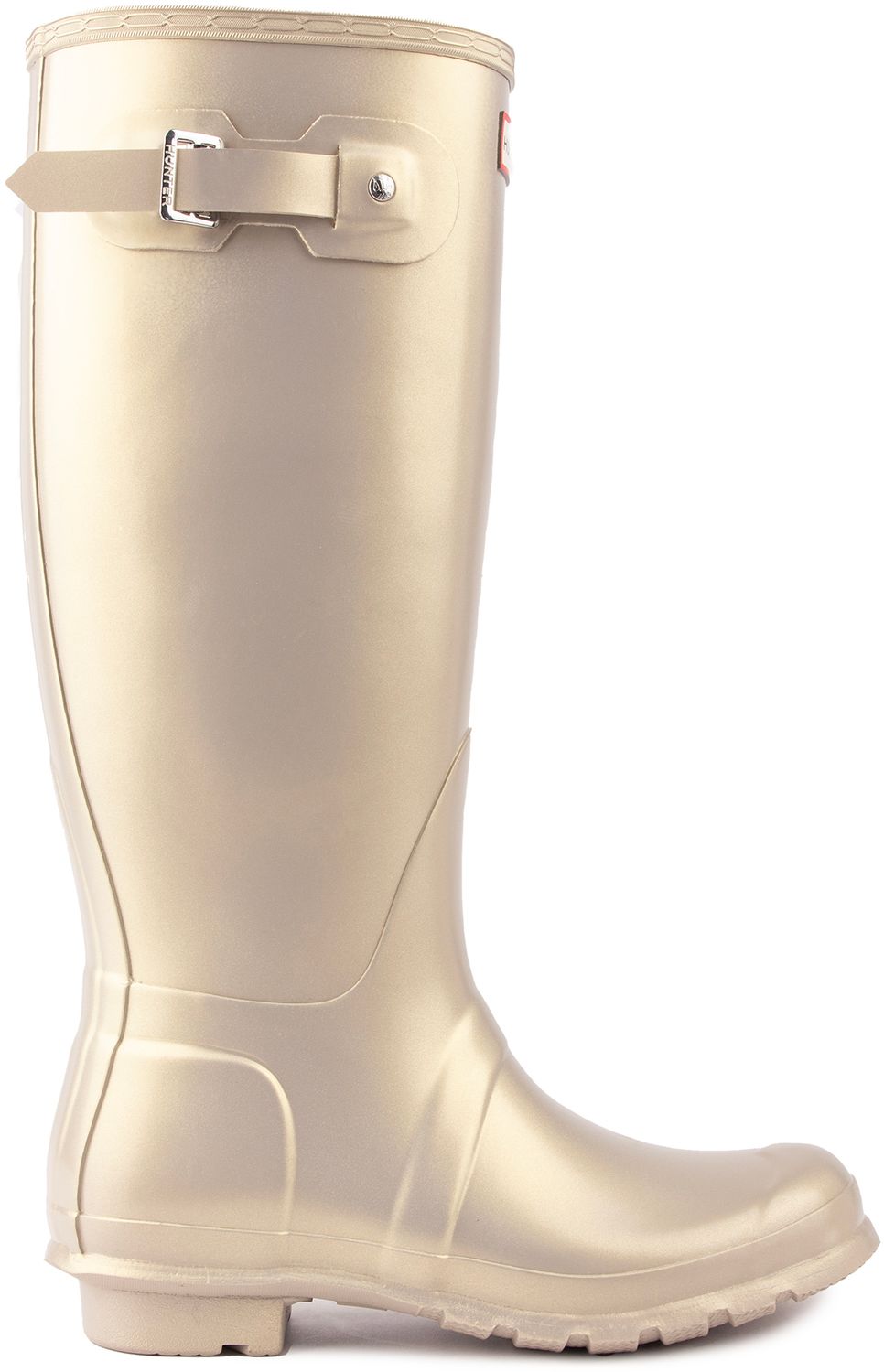
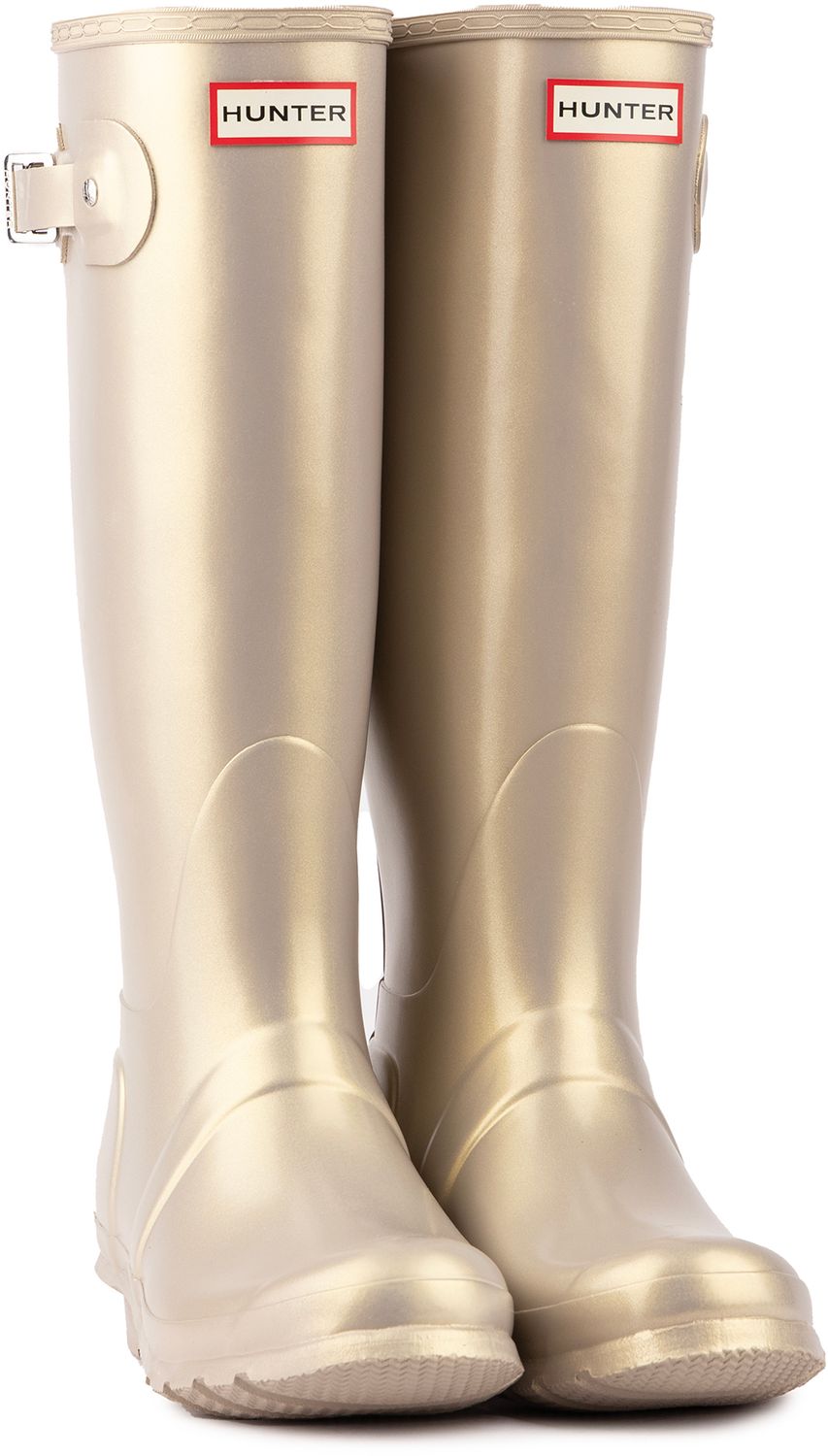
How do Hunter Wellingtons compare to hiking boots?
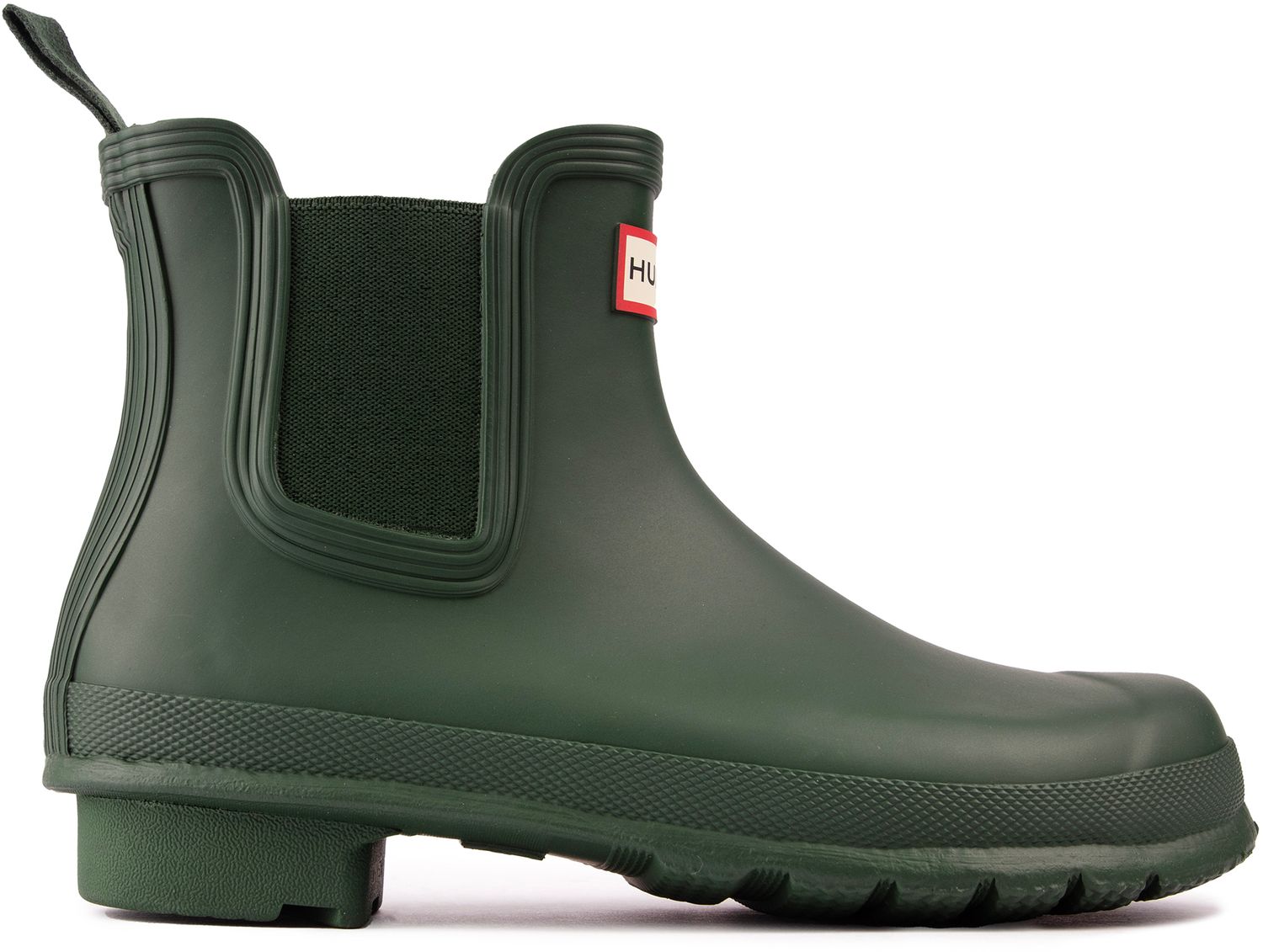
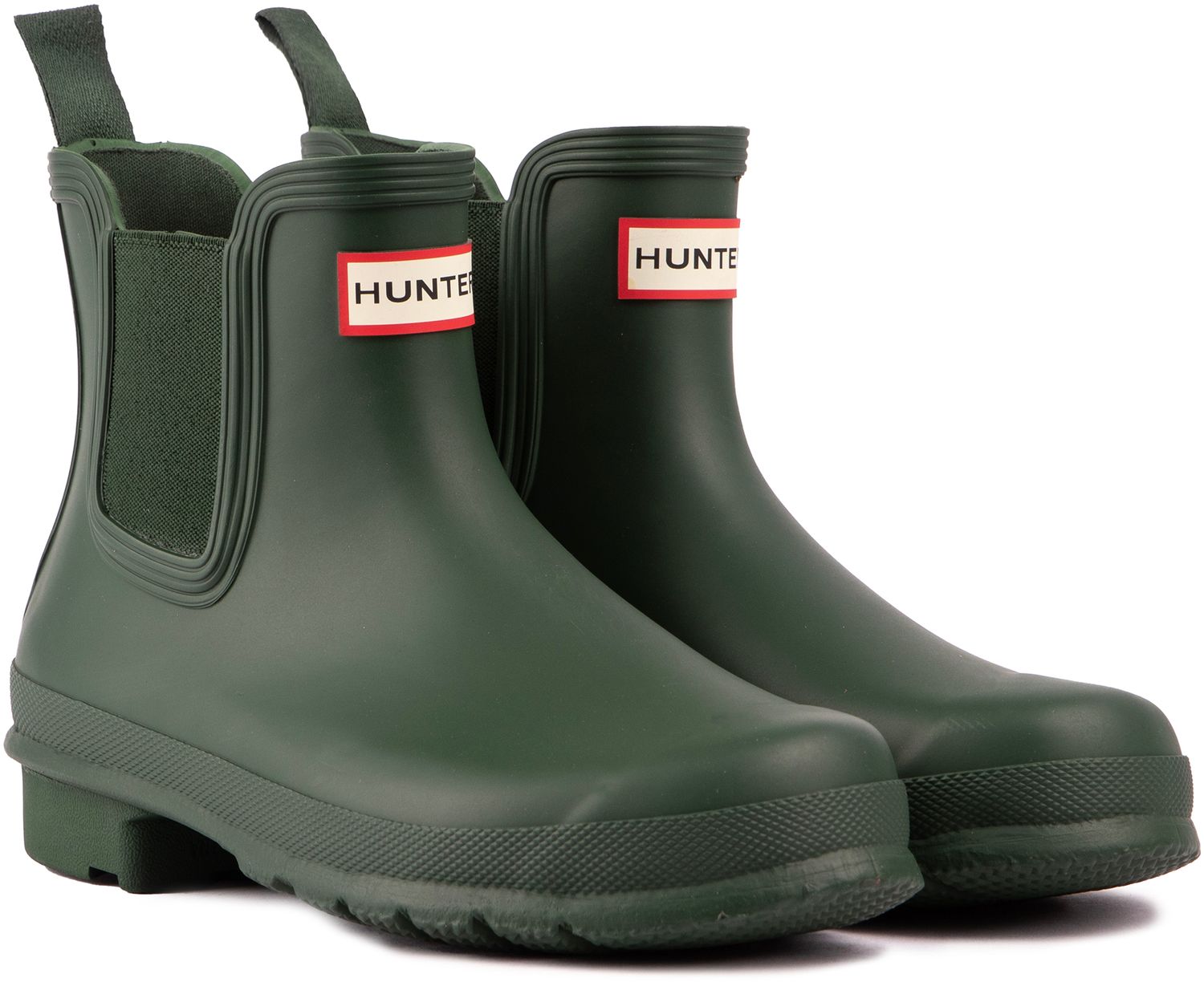
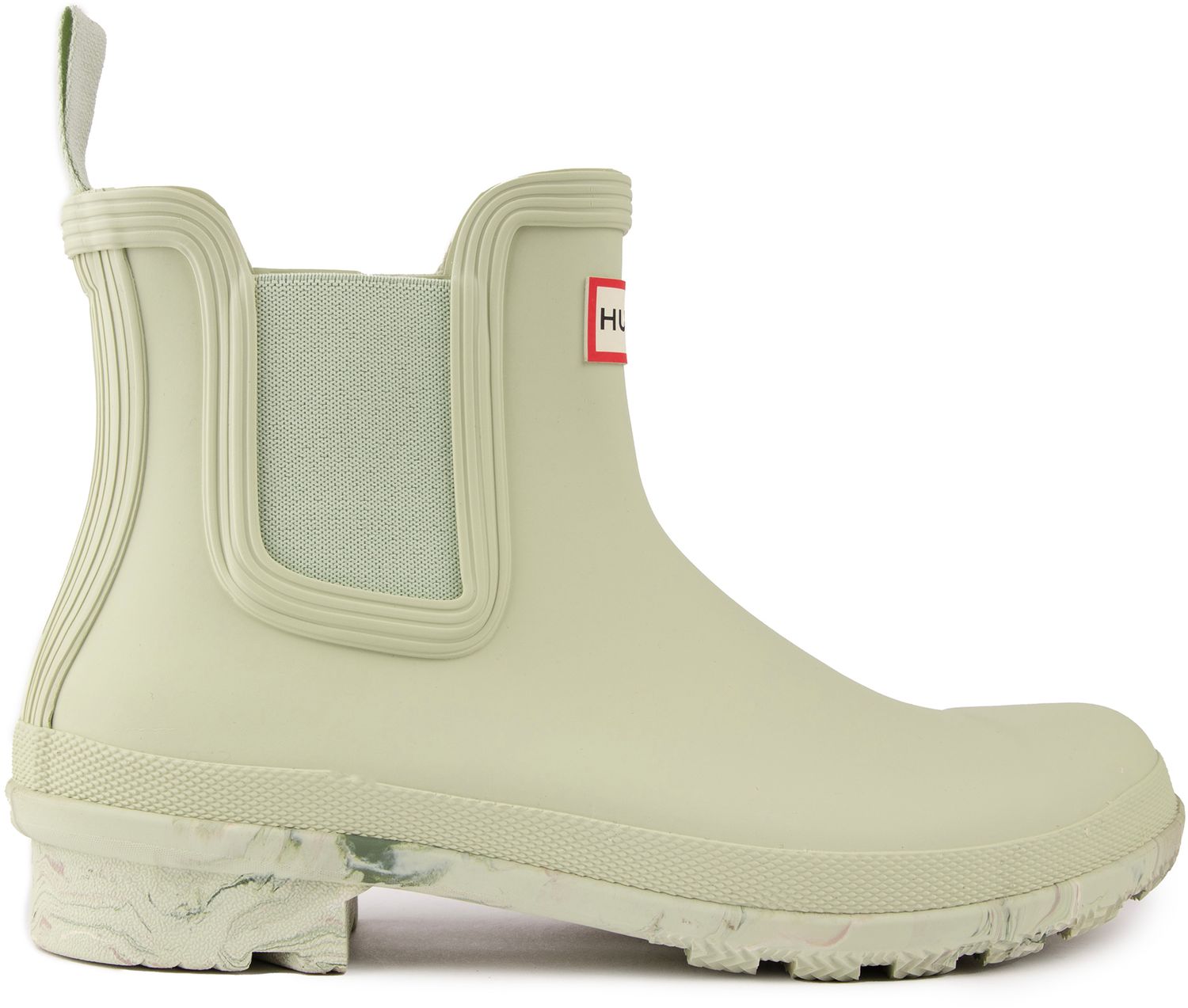
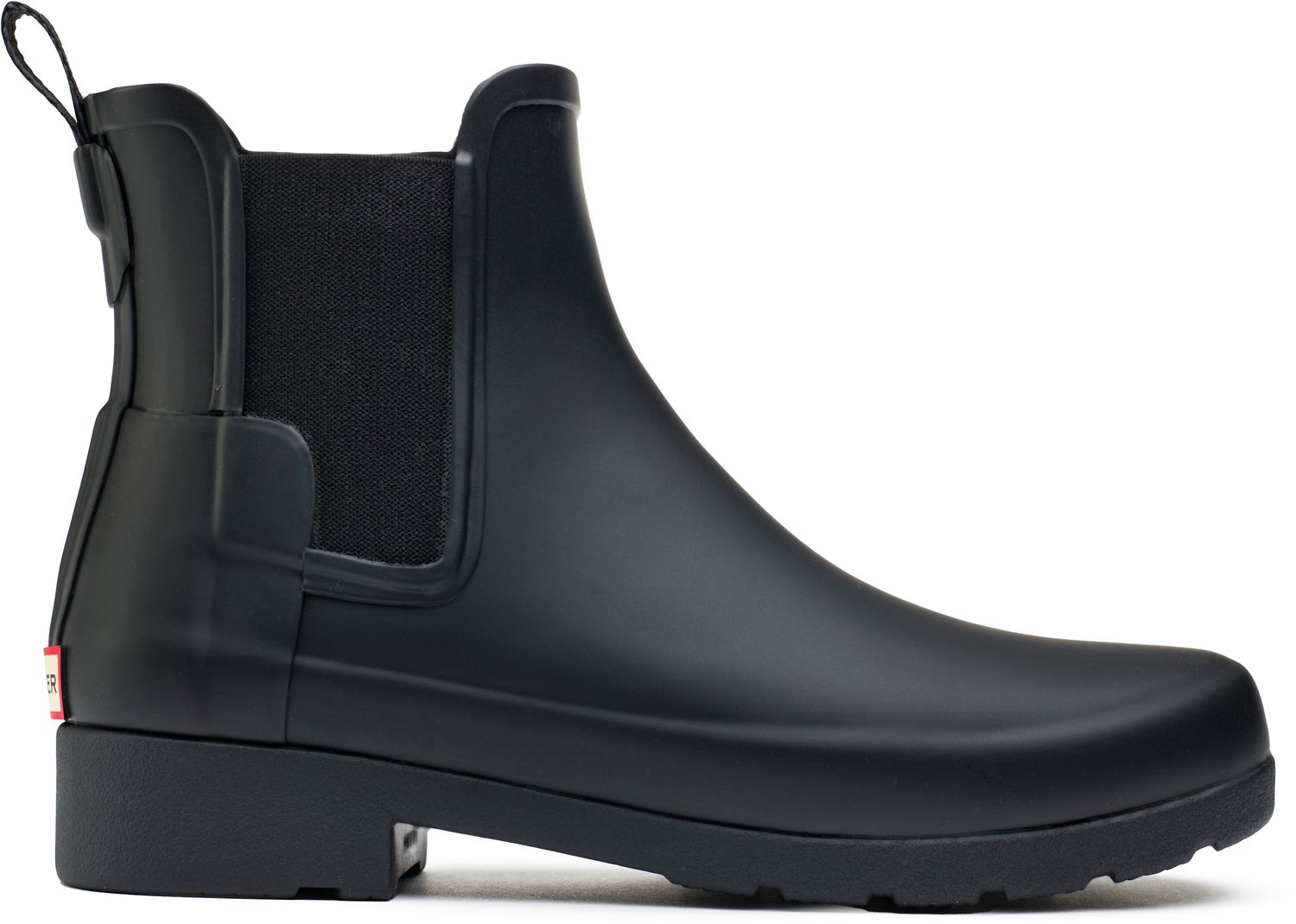
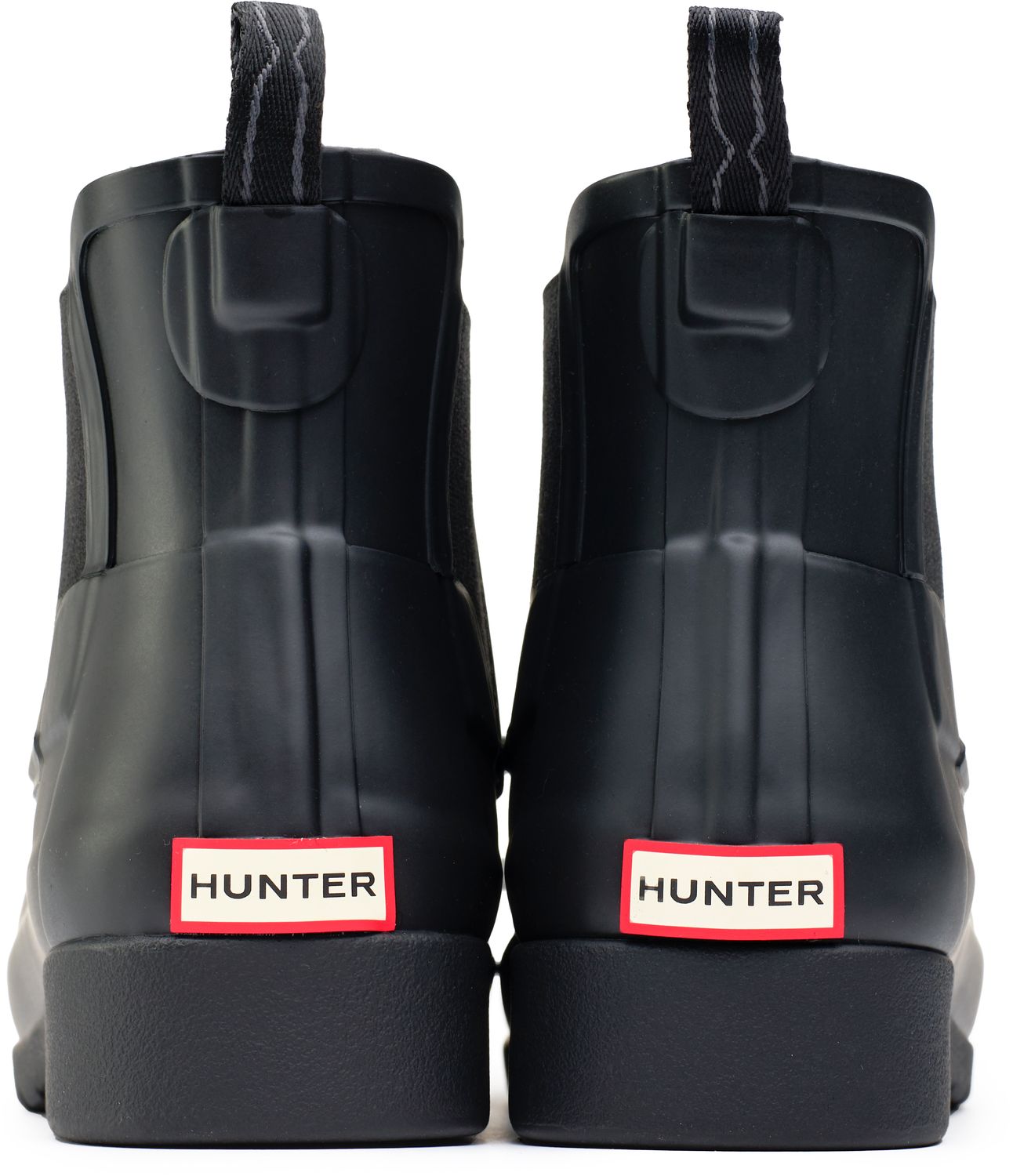
Hunter Wellingtons excel when complete waterproofing matters most, handling deep puddles, heavy rain, and muddy fields without any water penetration. However, they offer less ankle support and breathability than hiking boots, making them less comfortable for extended walks on dry trails. Hiking boots provide better cushioning and flexibility for walking, whilst wellies suit standing water and extreme mud better. Consider your primary need: if wet conditions dominate, Hunter delivers, but varied terrain suits hiking boots better.
Do vegan outdoor boots perform as well as leather?
Modern vegan outdoor boots from brands like V.GAN use synthetic materials that resist water comparably to leather, whilst requiring less maintenance. They typically dry faster after wet exposure and don't need regular conditioning treatments. Quality vegan options provide good durability for several seasons, though premium leather generally outlasts synthetics with proper care. The grip and support come from sole construction rather than upper materials, so vegan boots perform equally well for traction and comfort. They suit ethical preferences whilst delivering practical outdoor performance.
What features matter most in walking boots for women?
Proper ankle support prevents twisting on uneven ground, whilst cushioned insoles reduce fatigue during extended walks. Waterproof construction keeps feet dry without sacrificing breathability, and aggressive tread patterns provide grip on wet, muddy, or rocky surfaces. The fit around the heel should feel secure without slipping, and the toe boxes need enough room to prevent bruising on descents. Weight matters for longer walks, with lighter boots reducing leg fatigue. Consider brands like Timberland or Barbour that specialise in combining these features effectively.