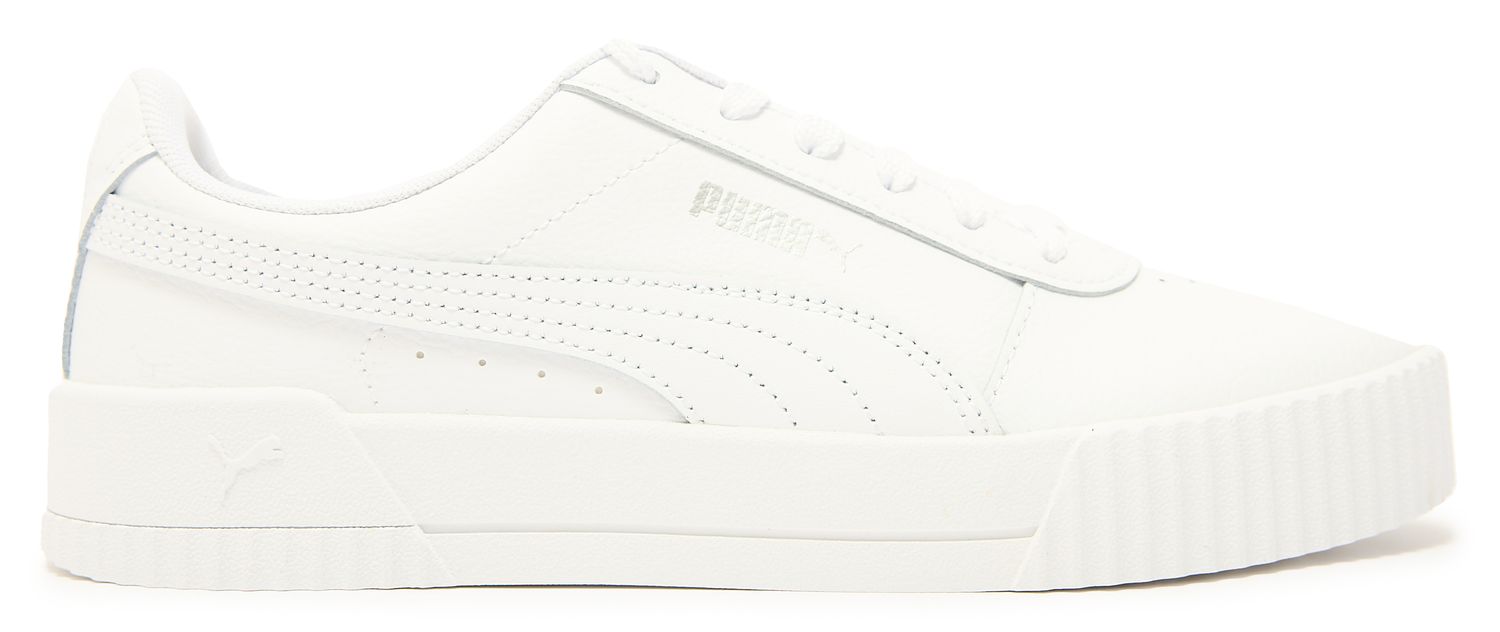
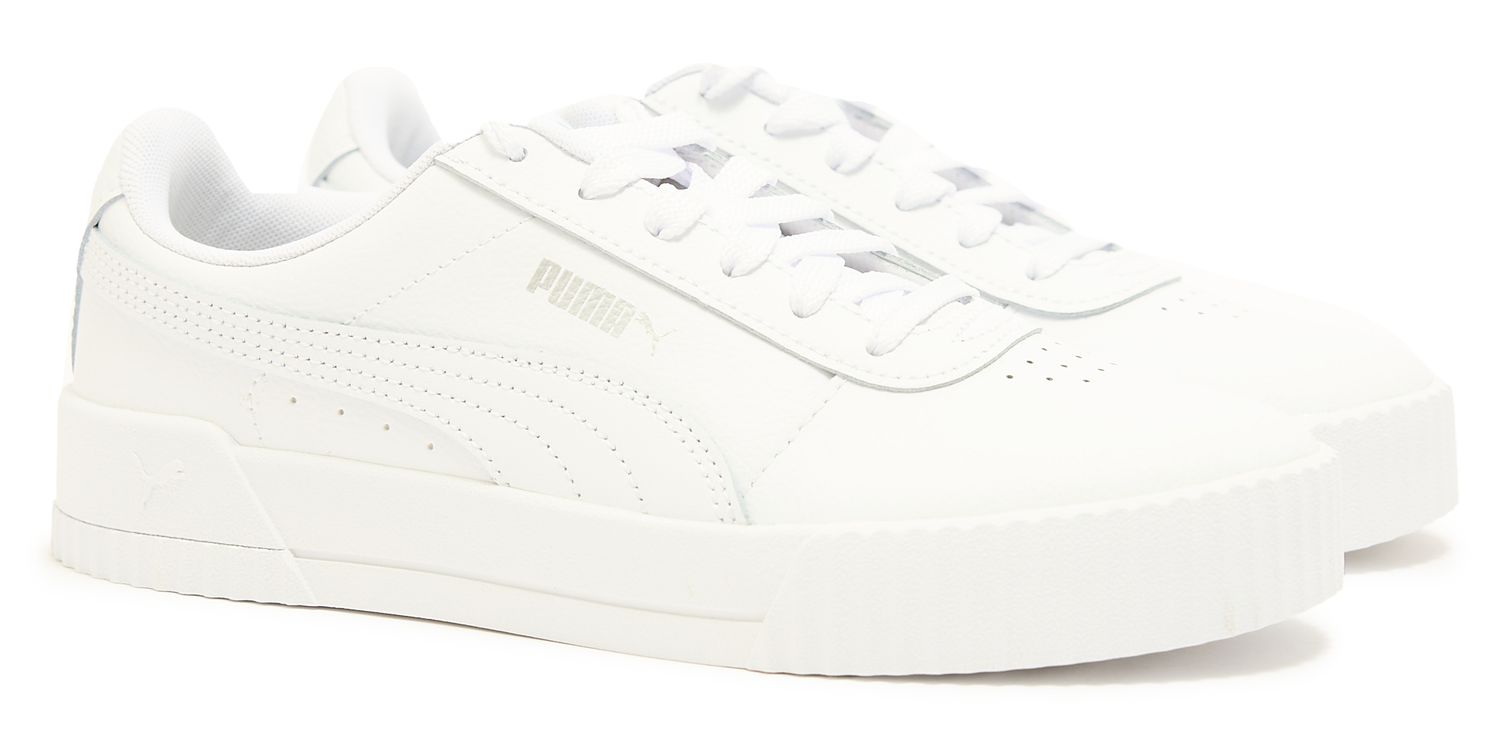
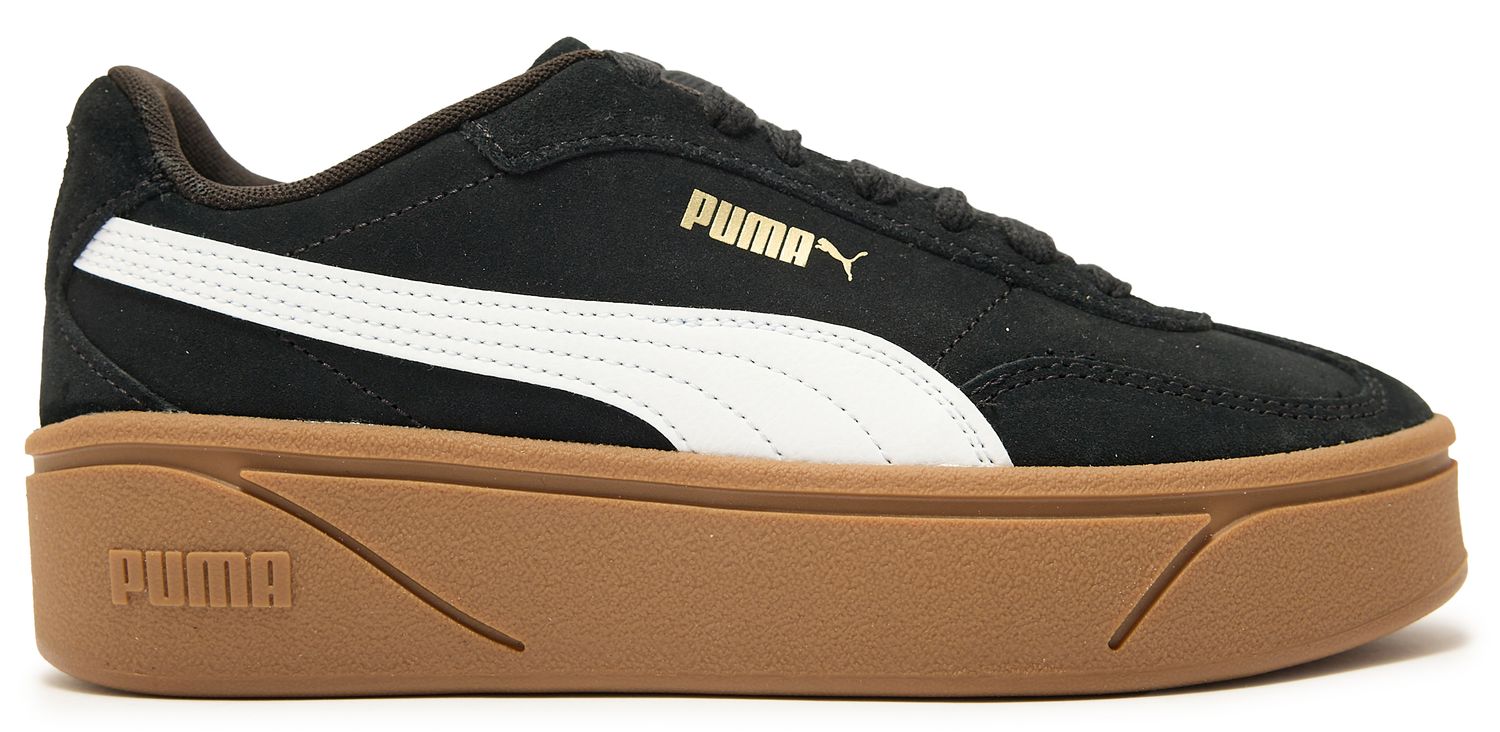
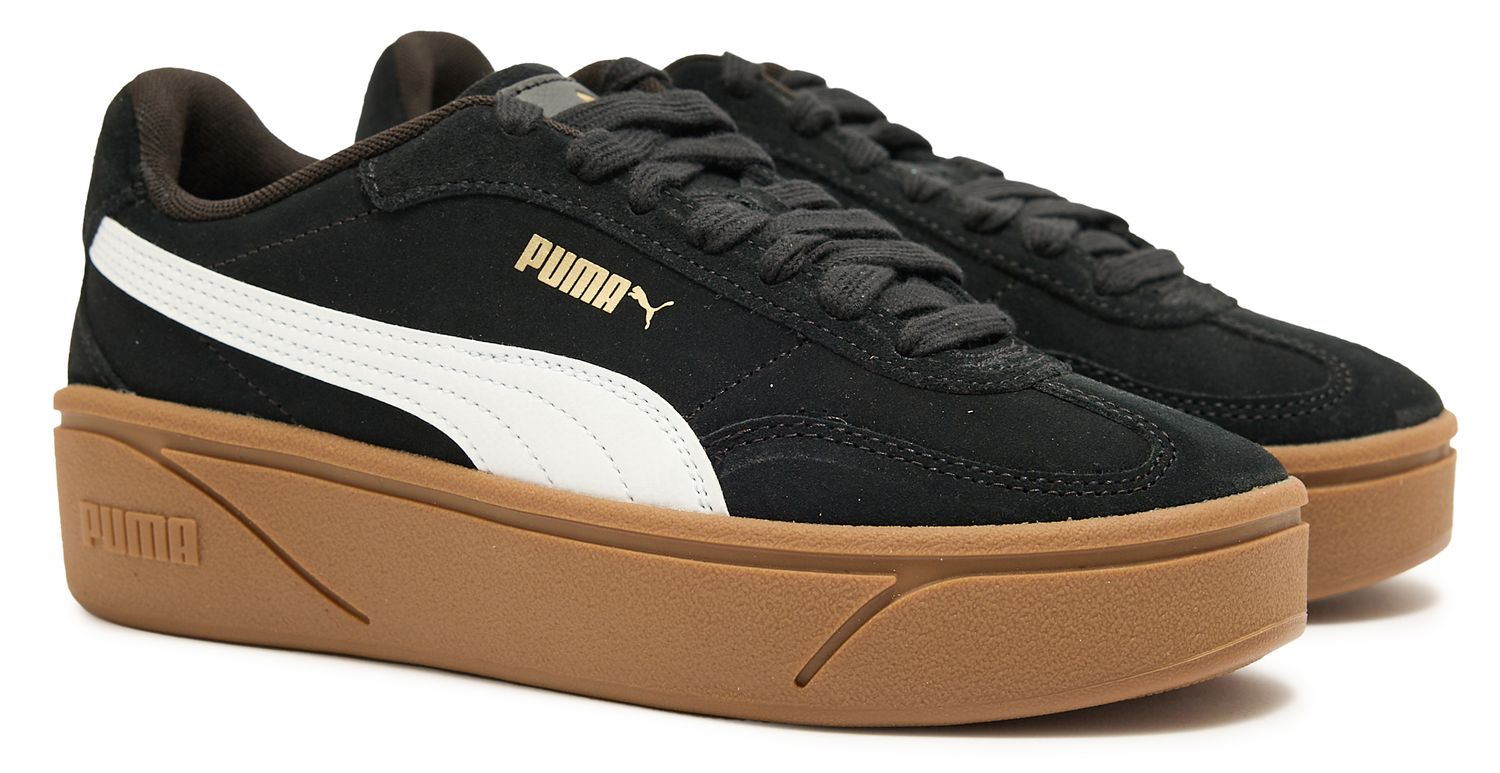
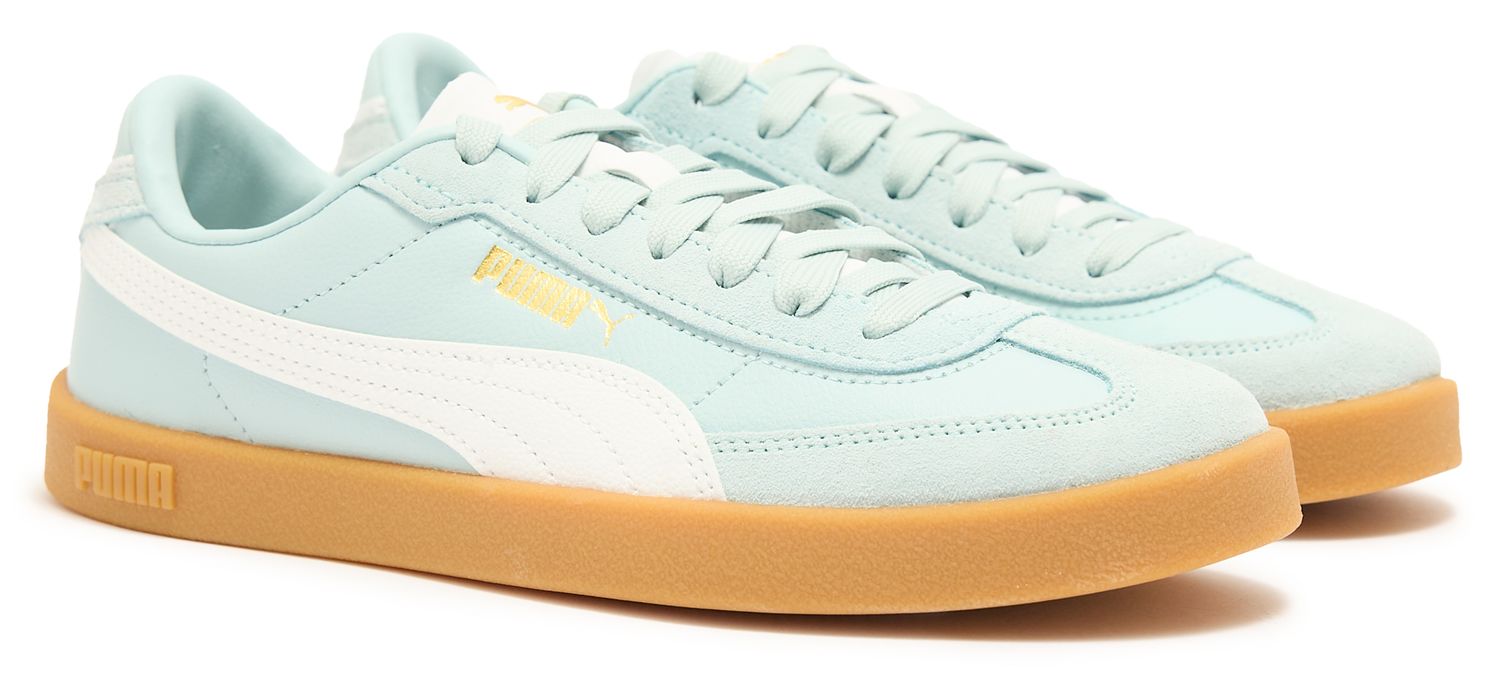
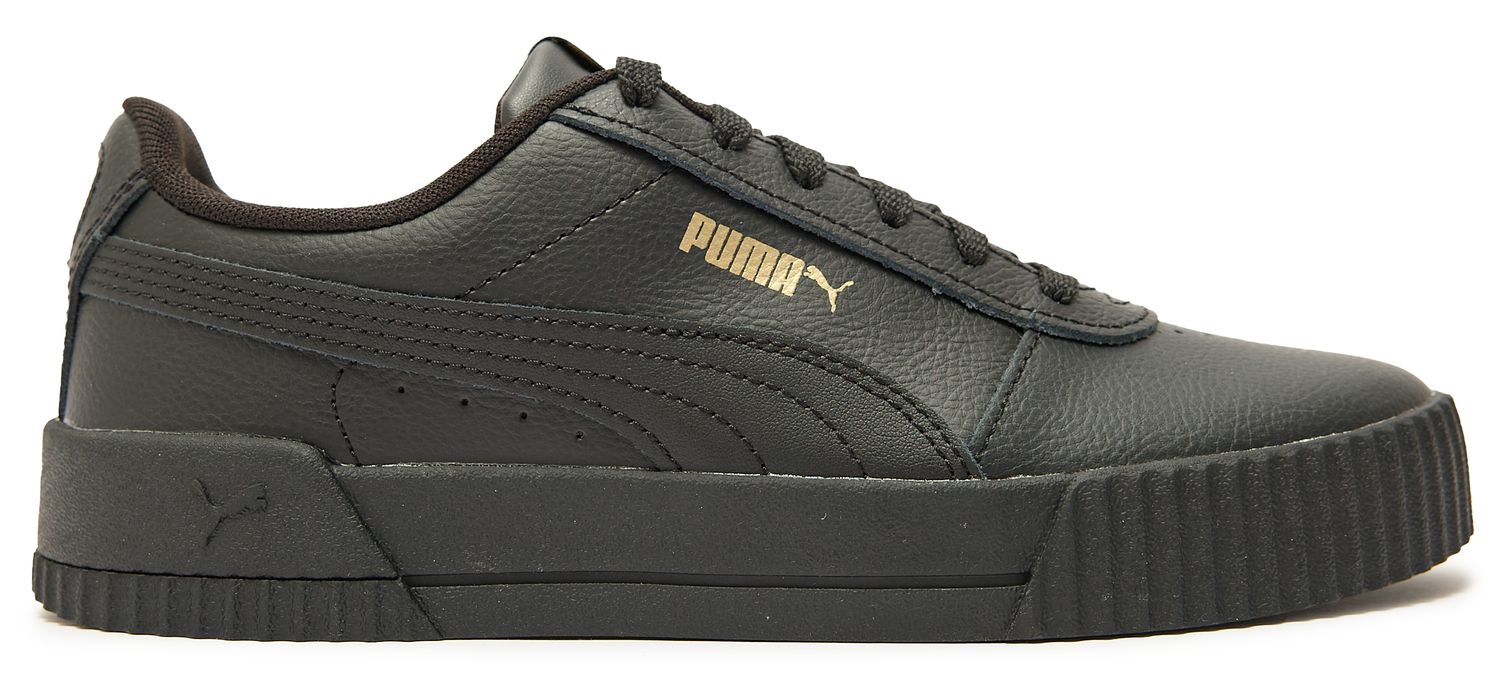
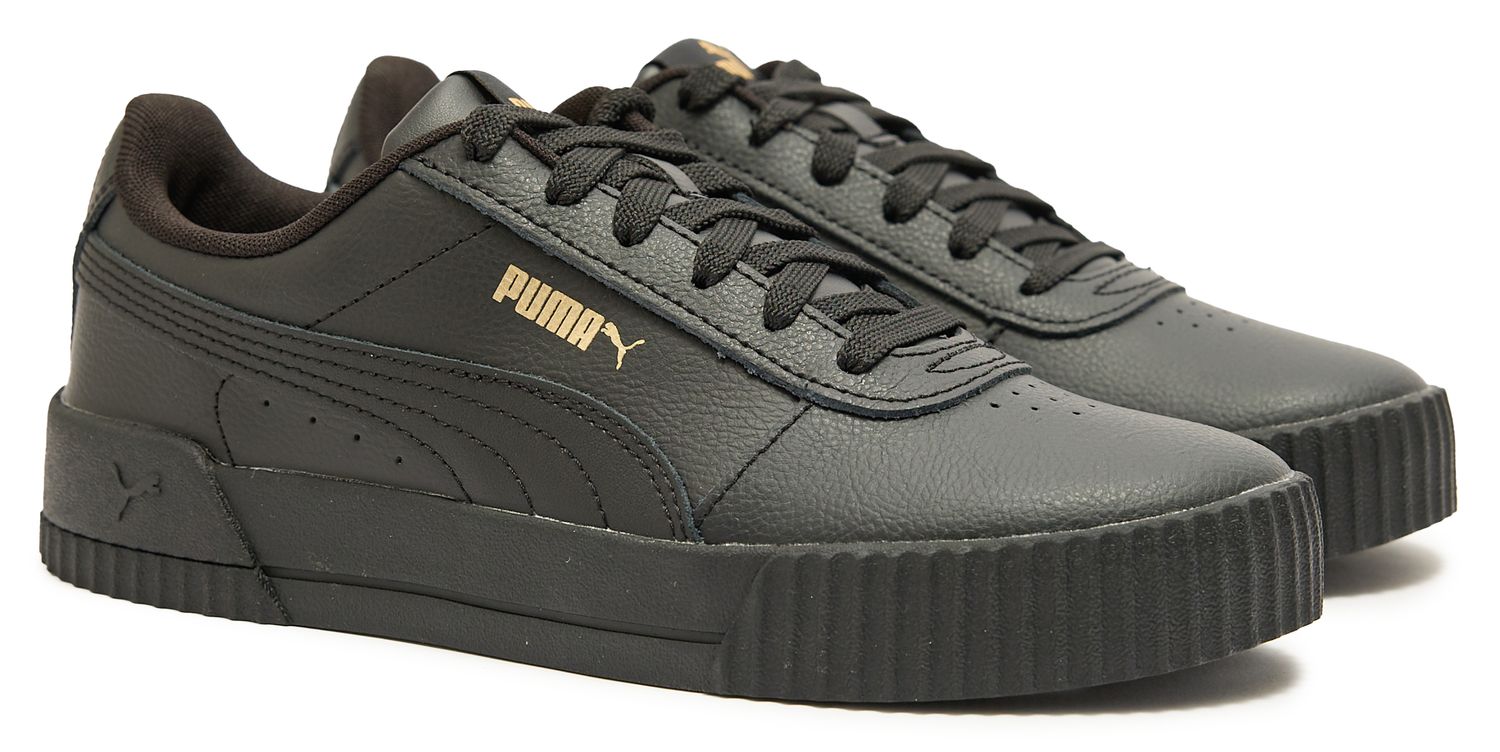
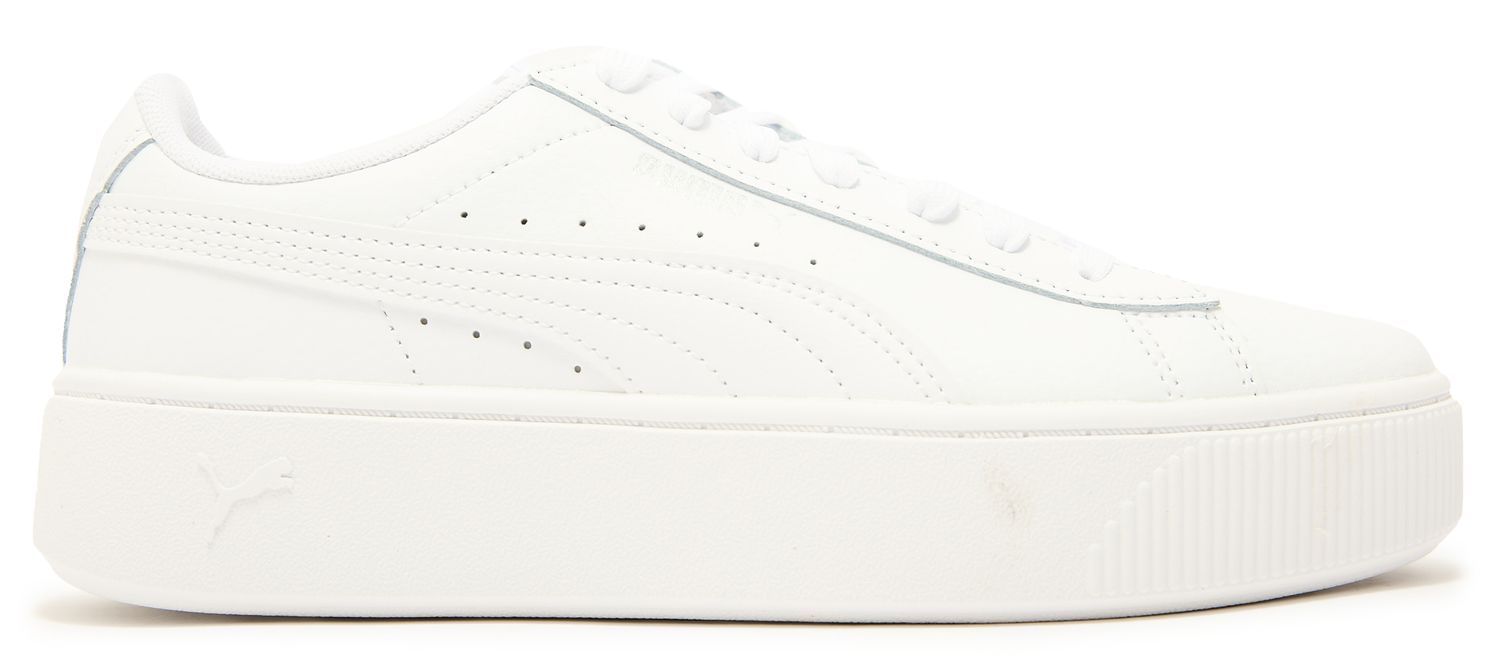
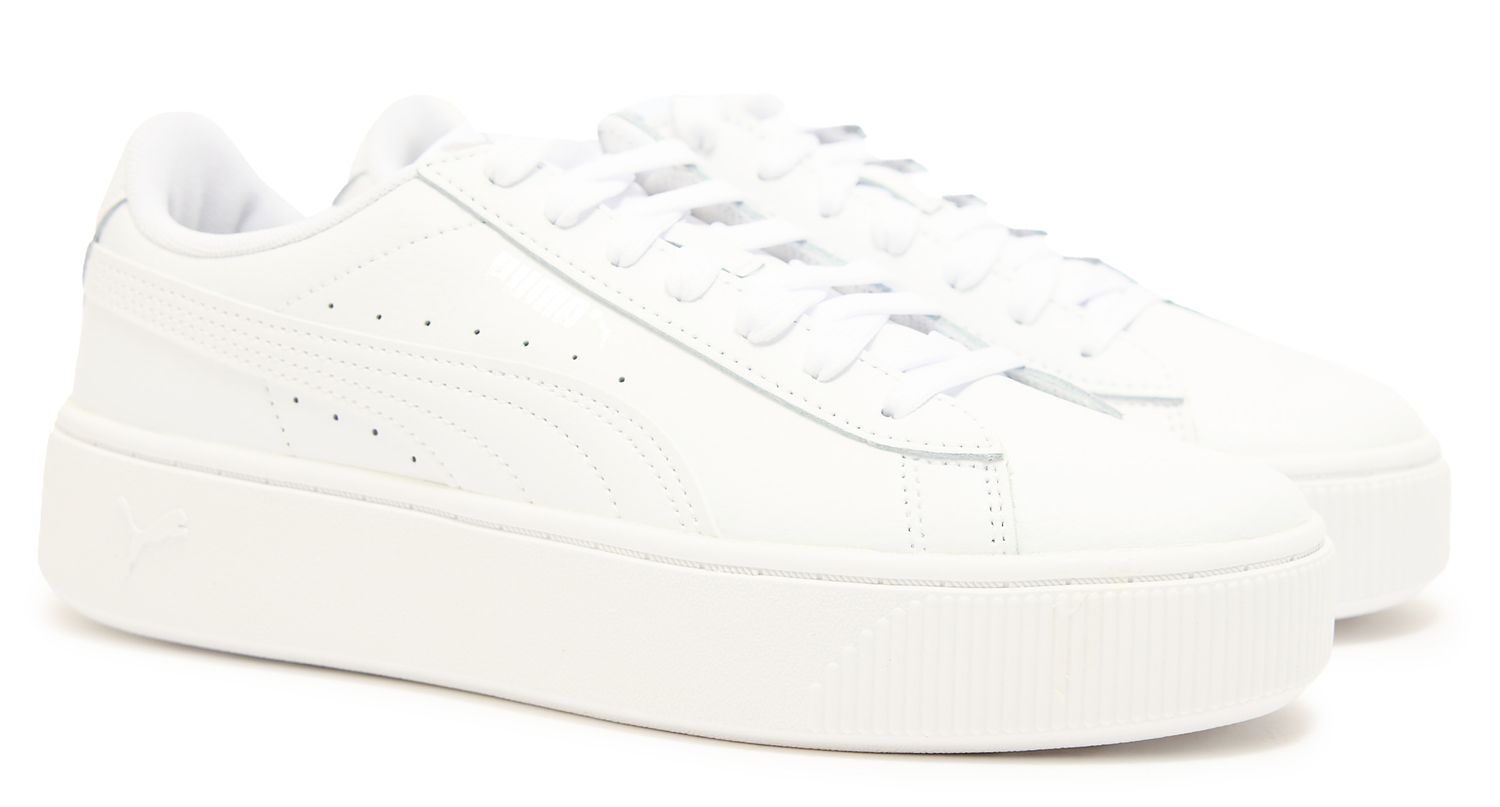
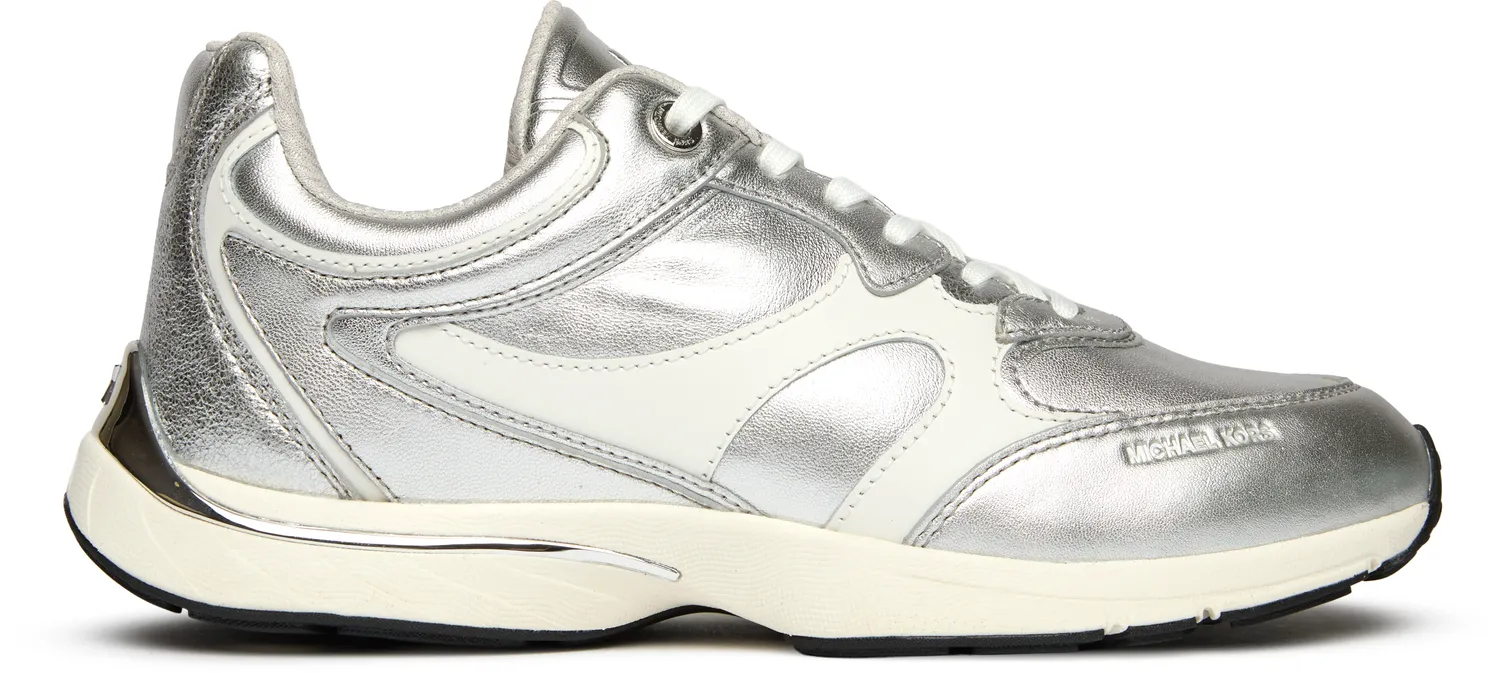
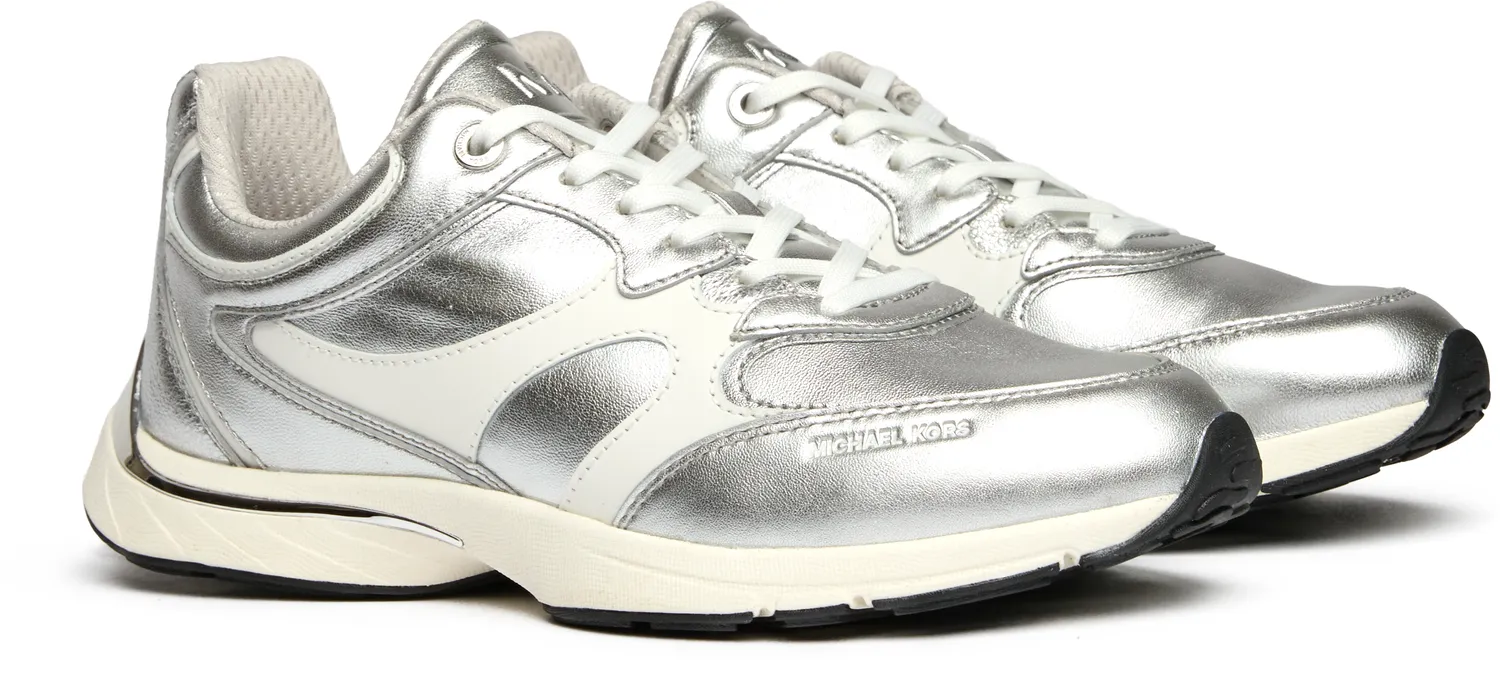
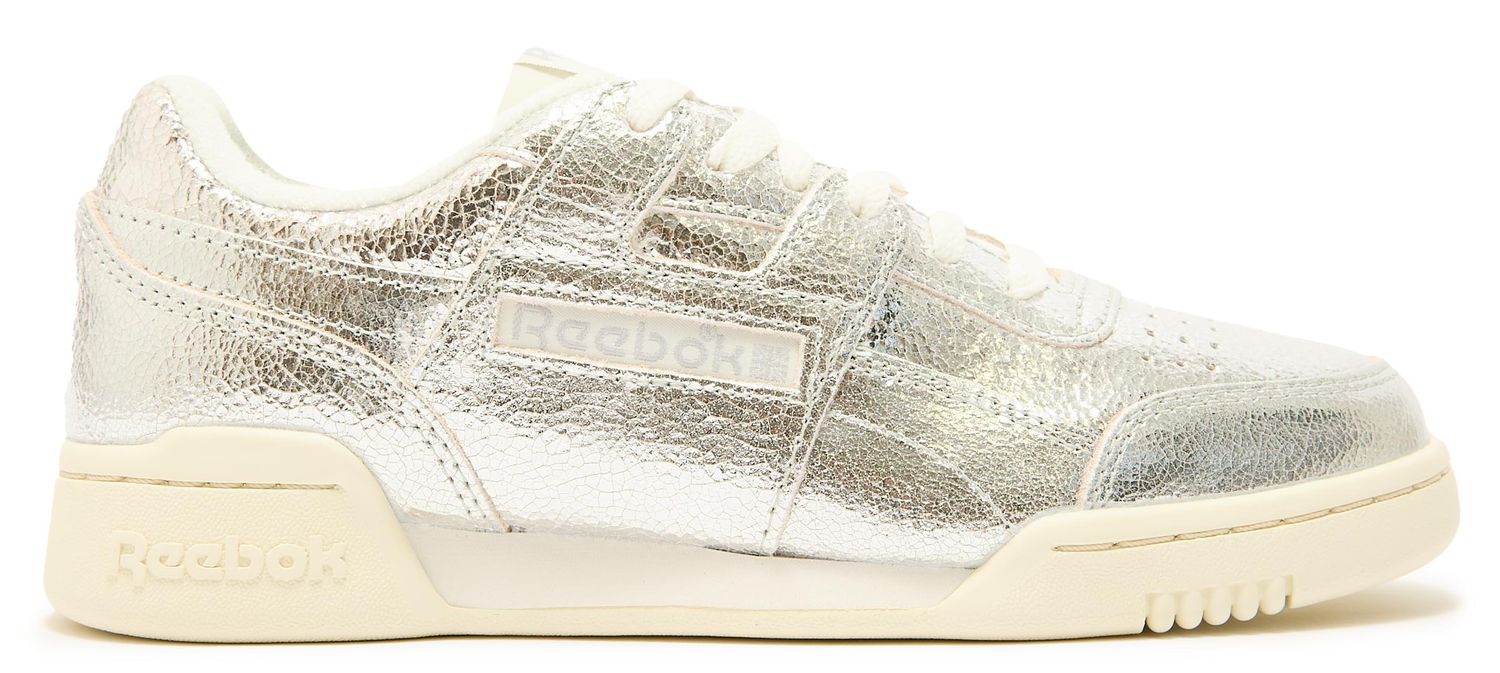
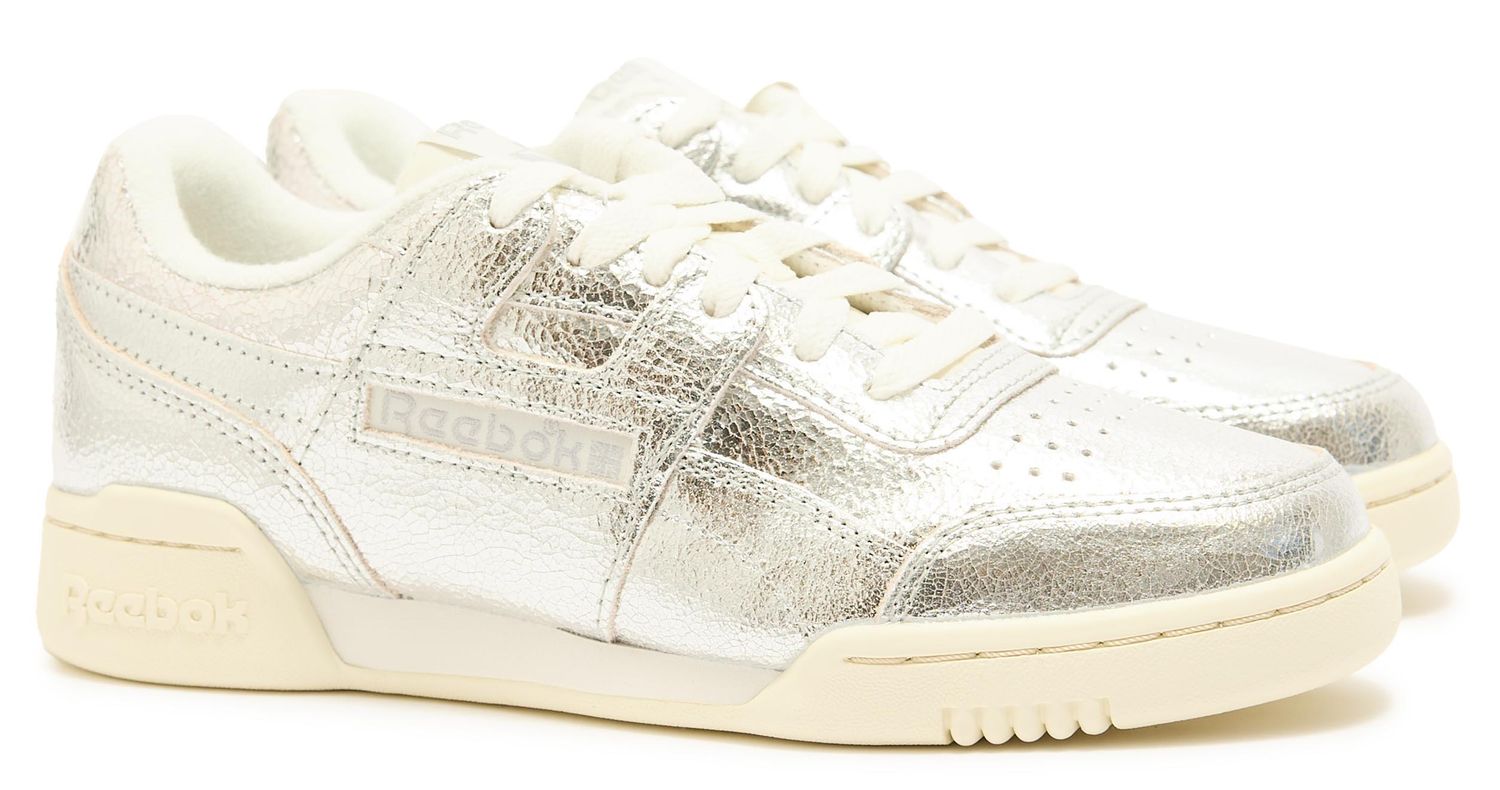
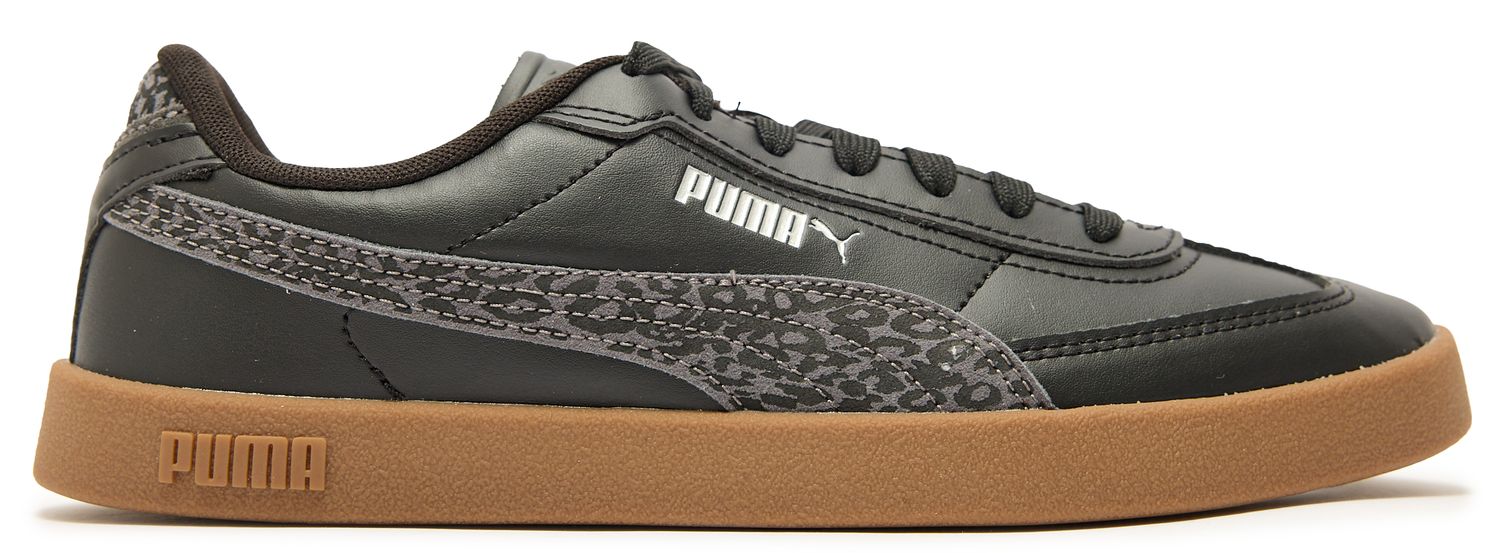
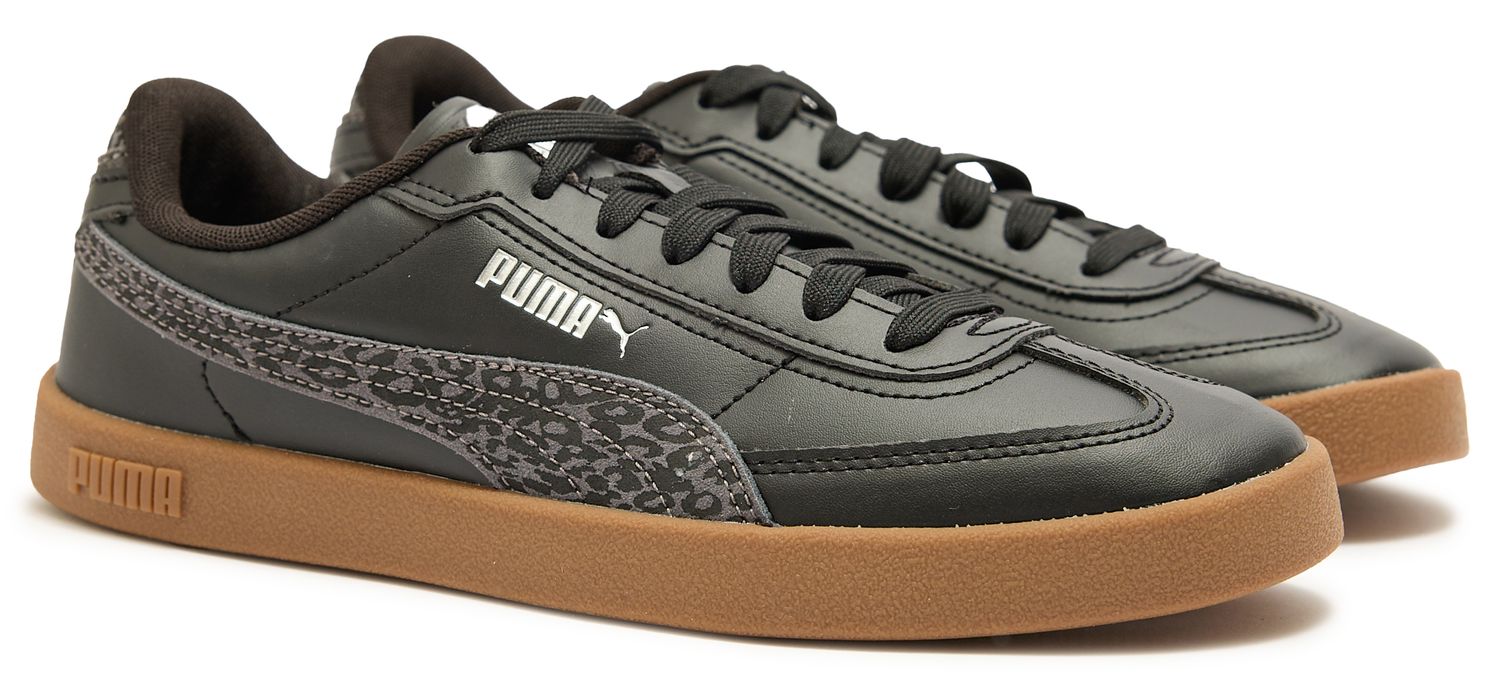
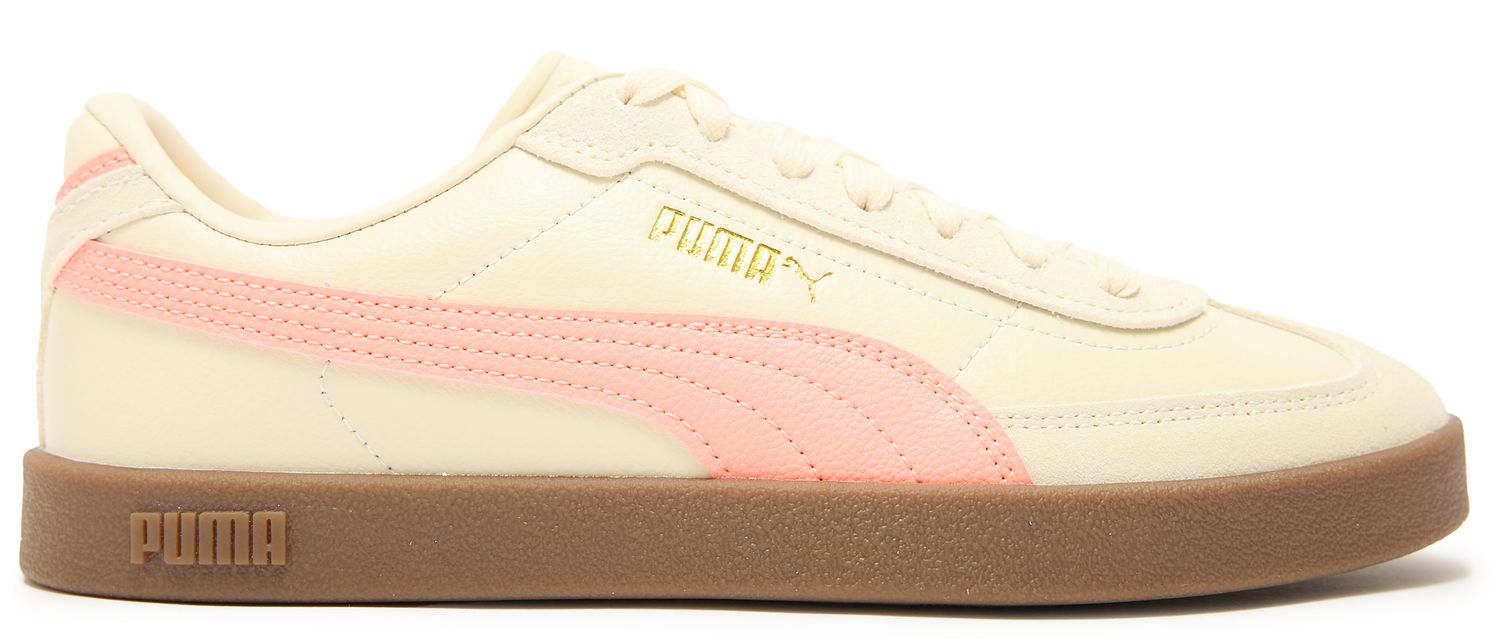
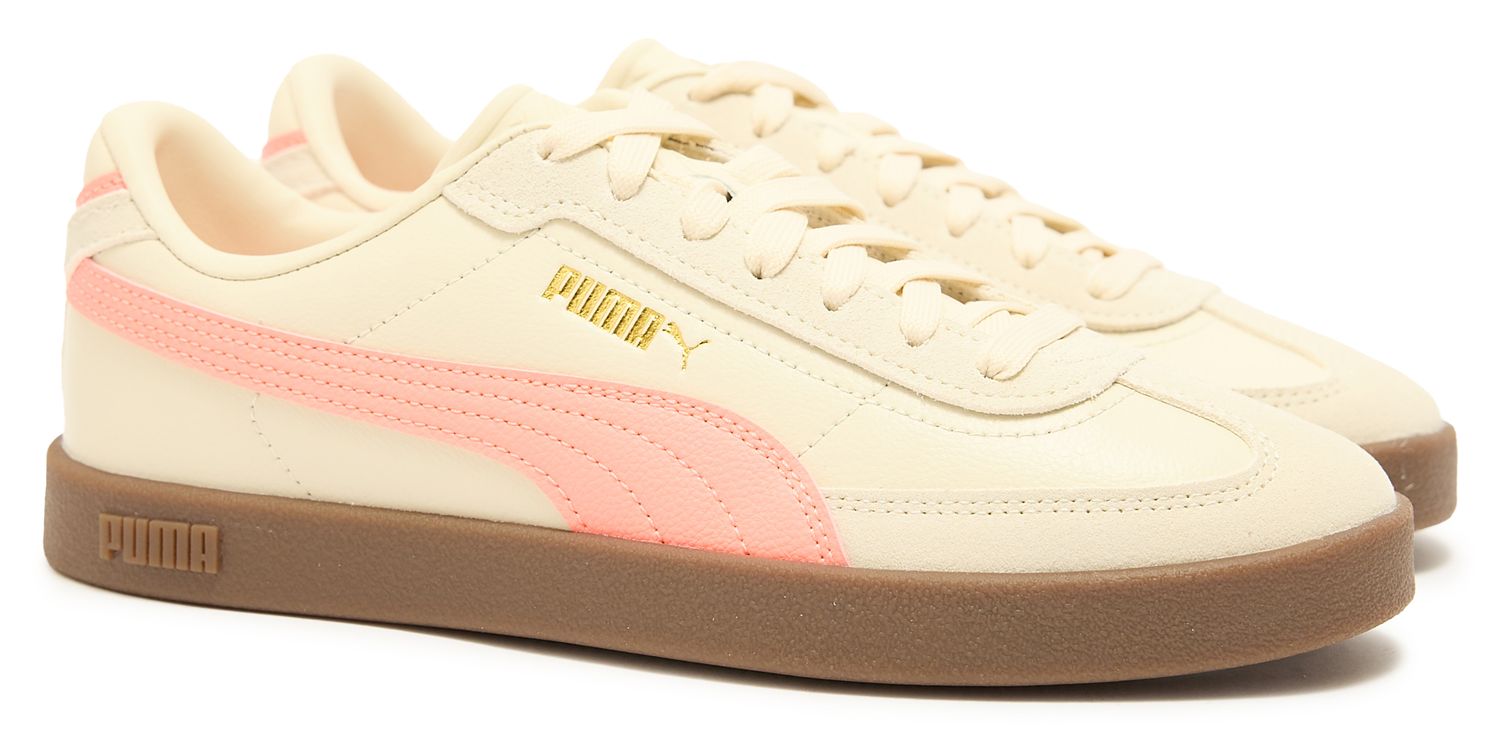
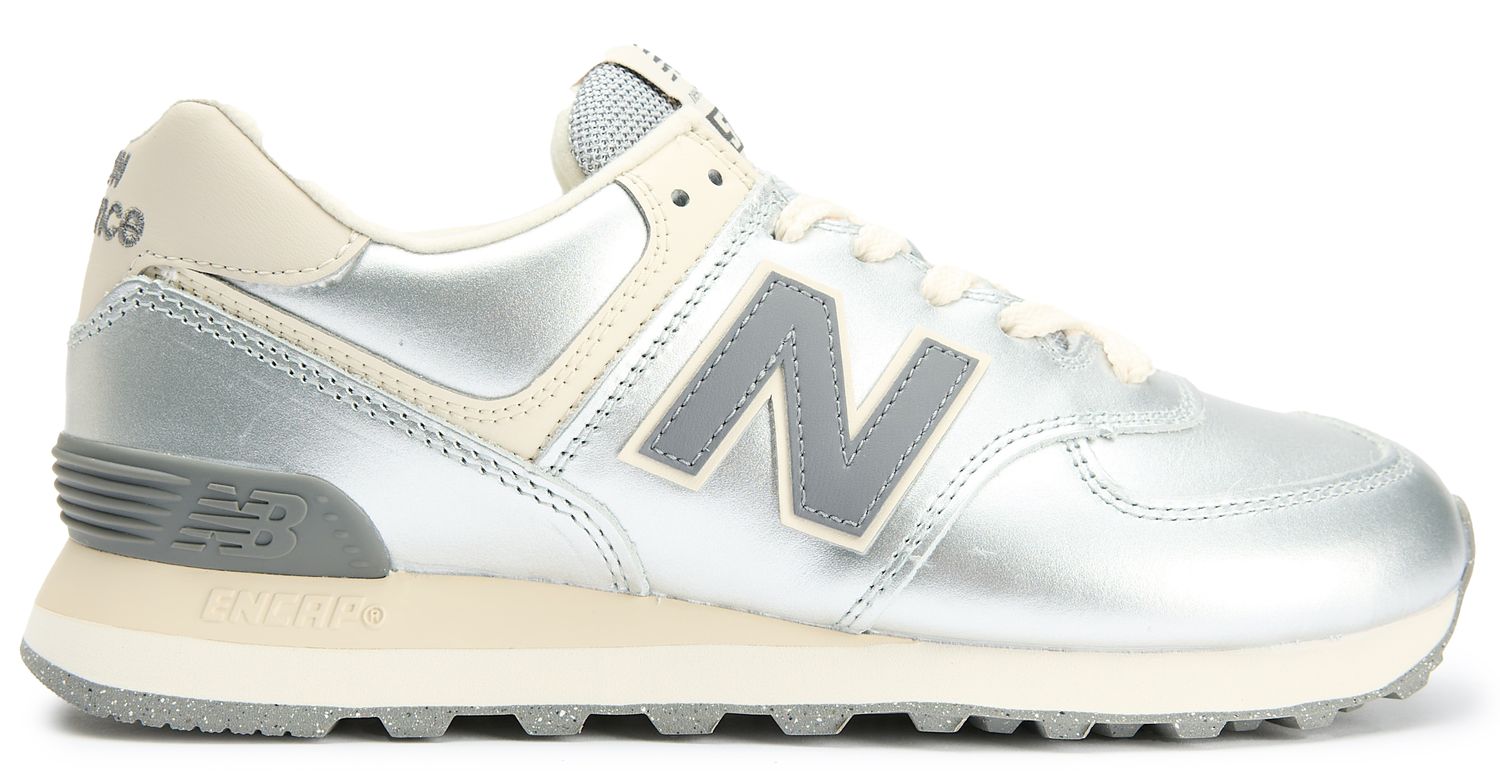
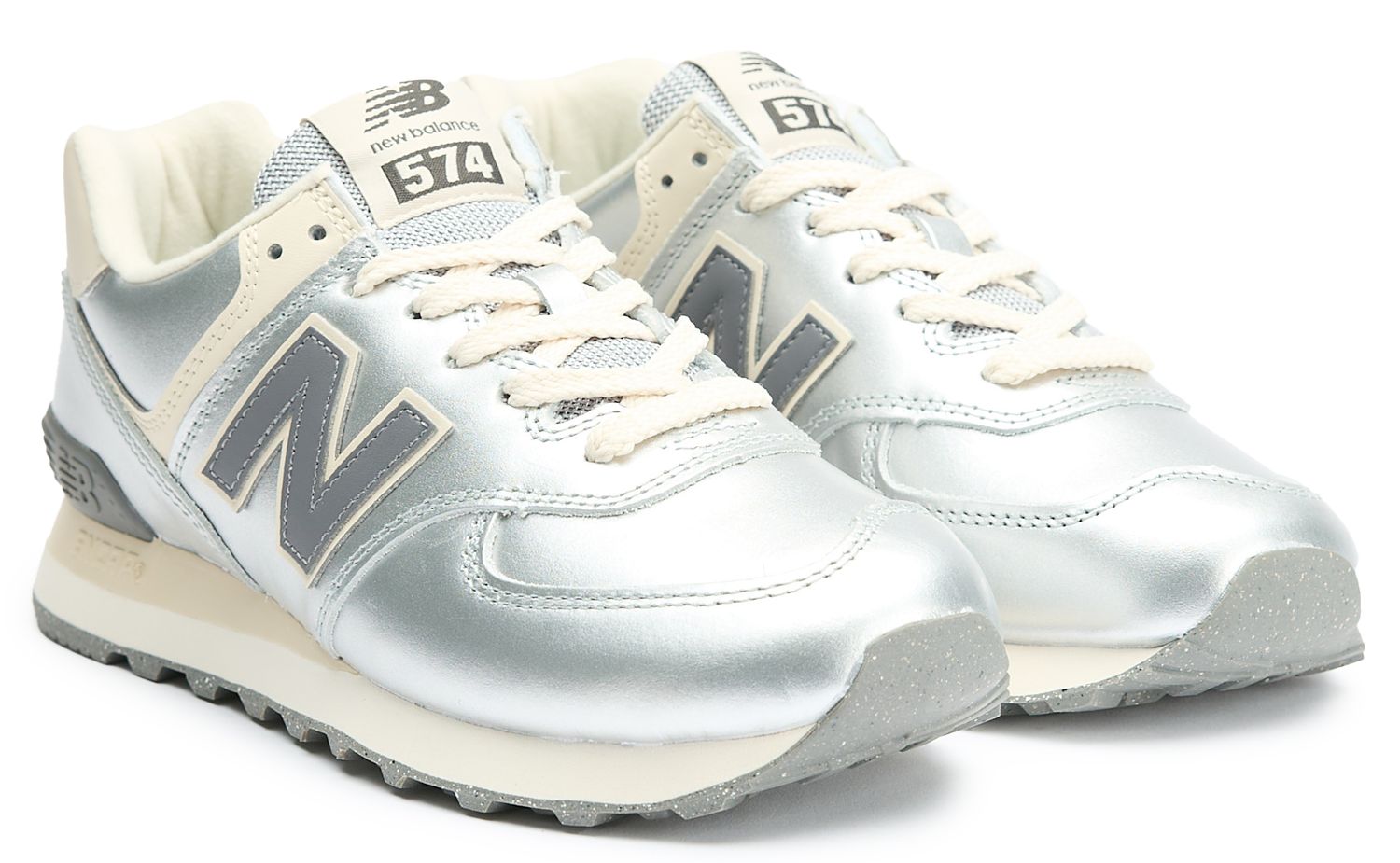
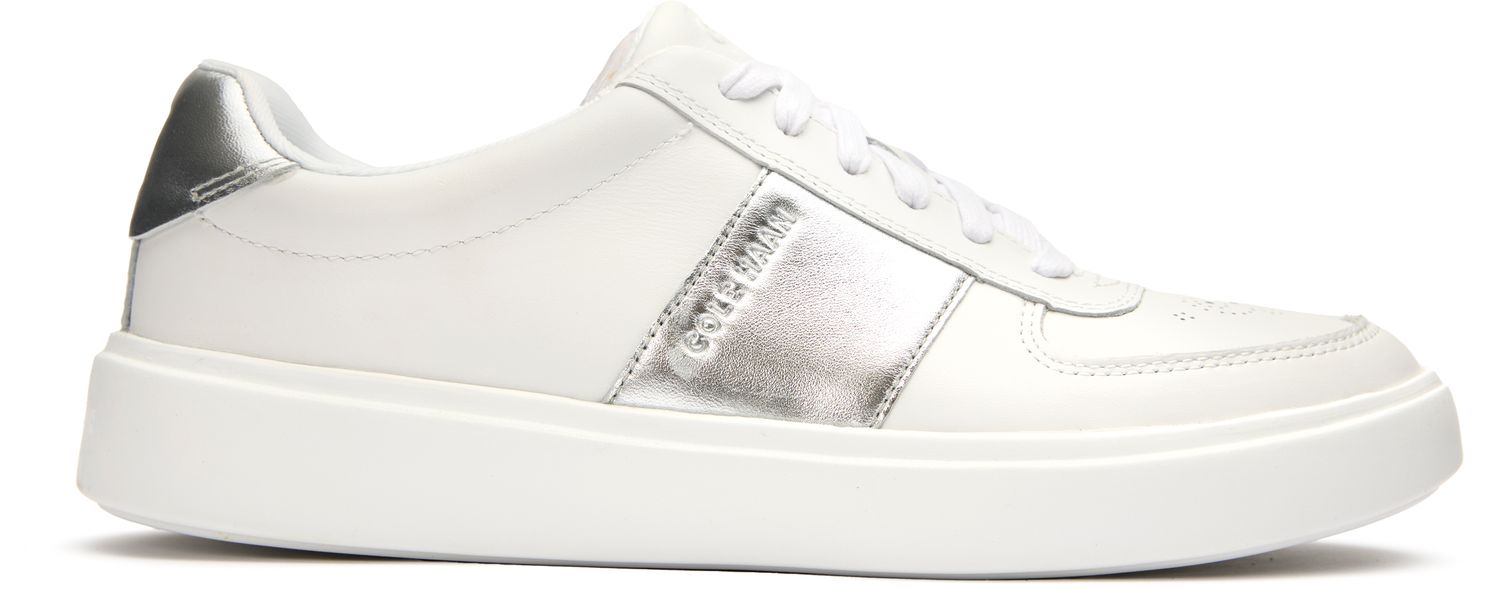
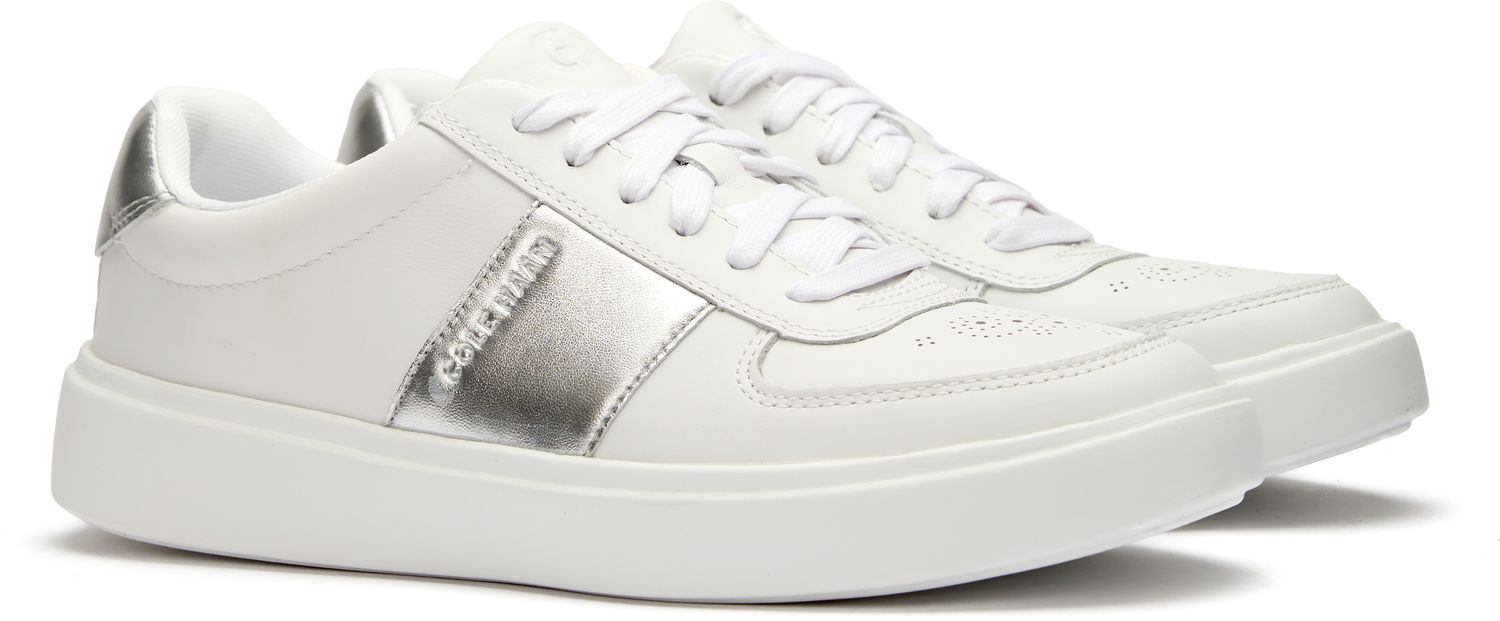
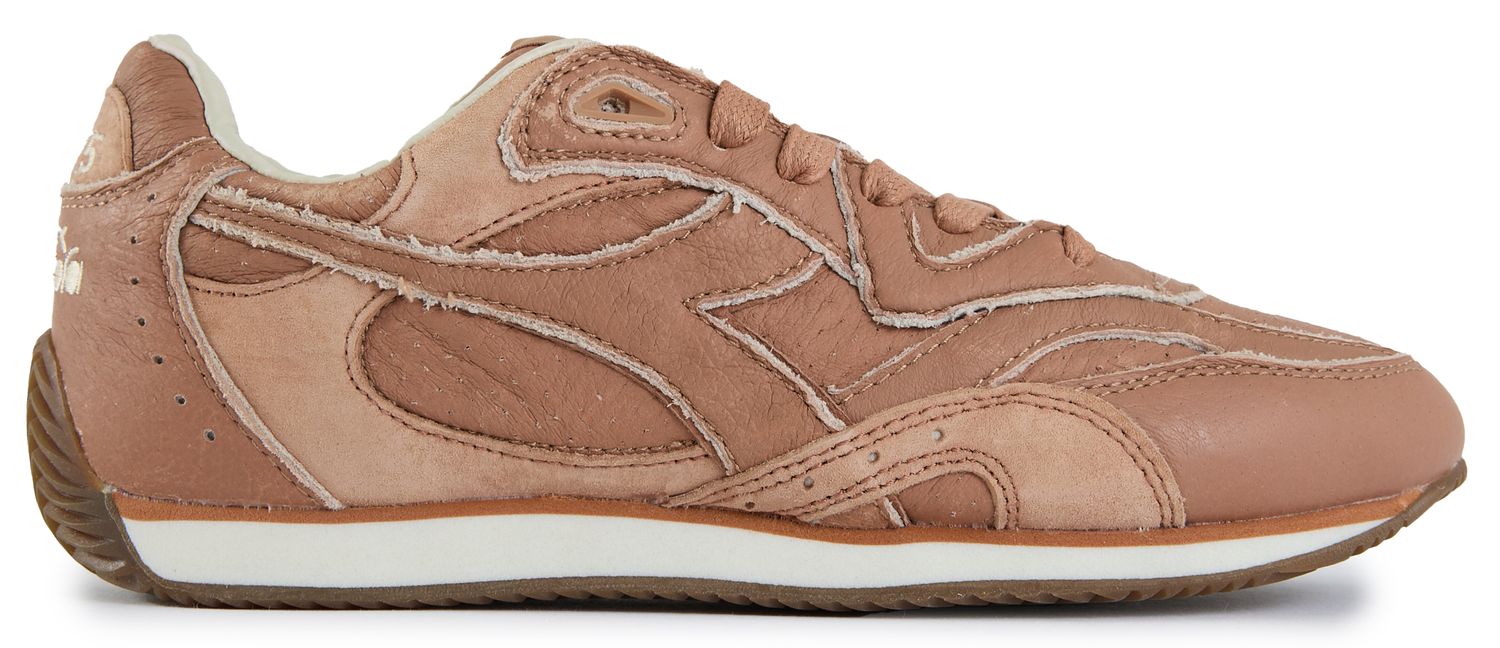
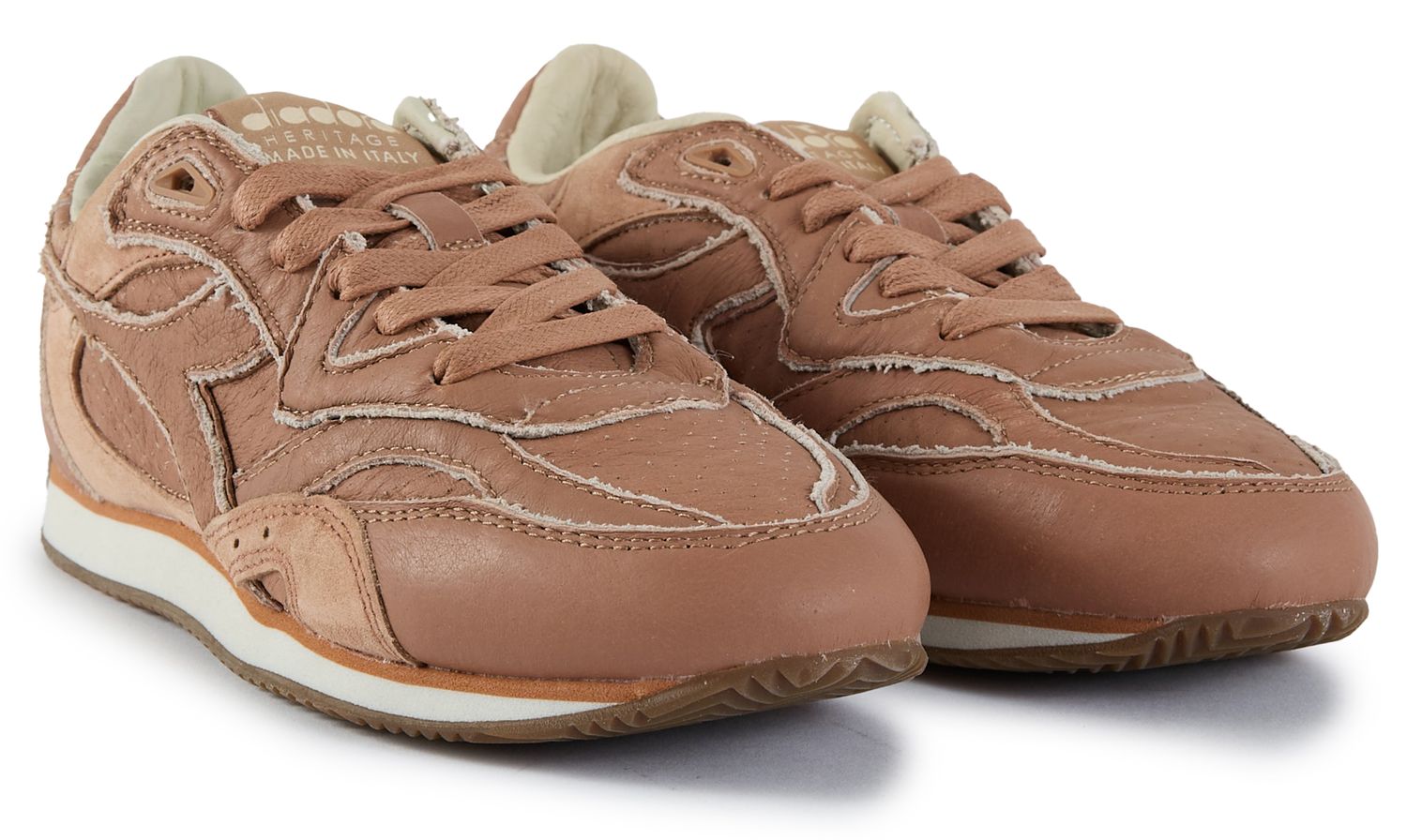
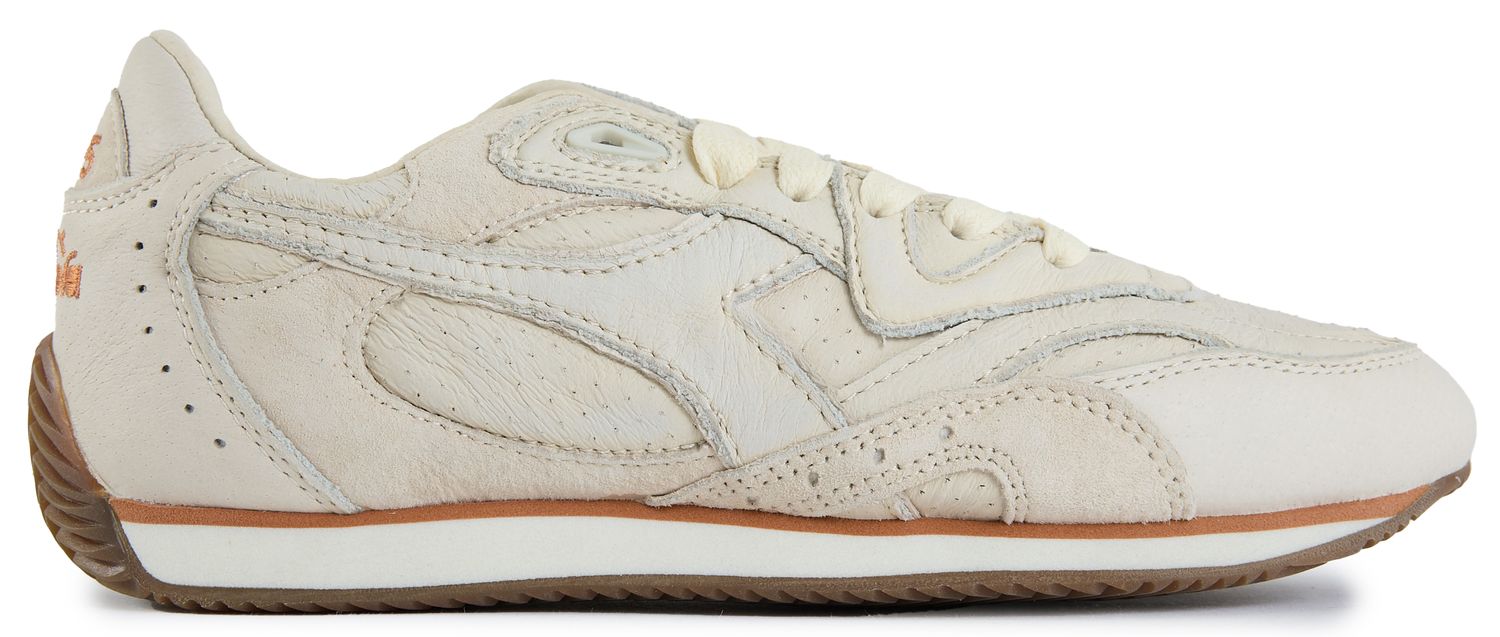
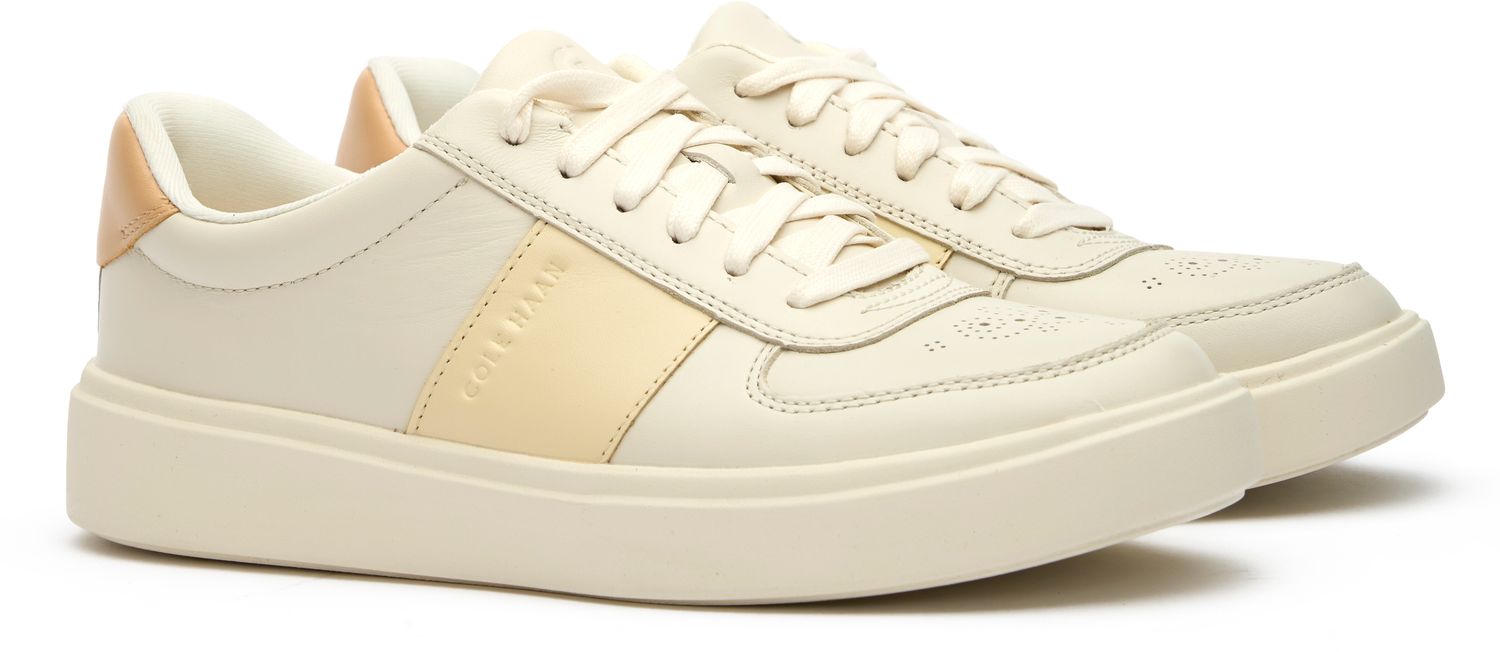
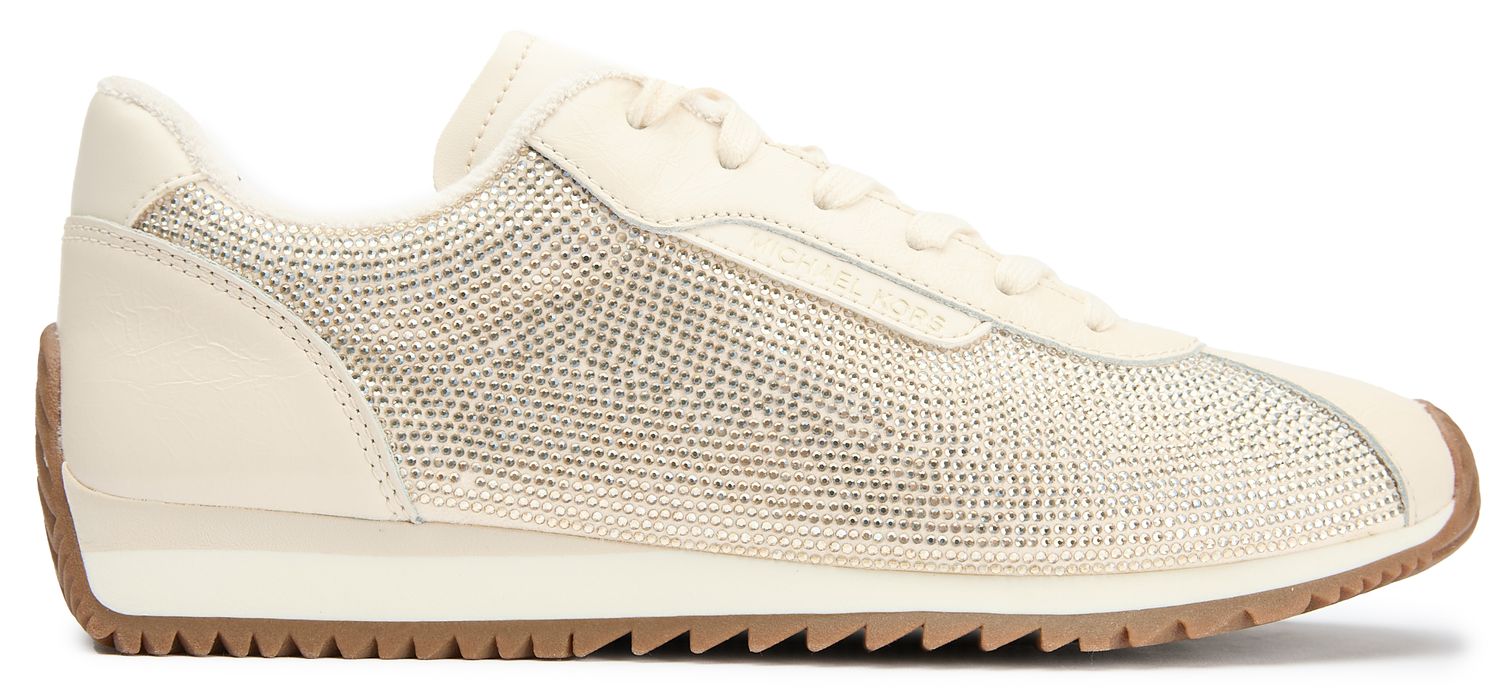
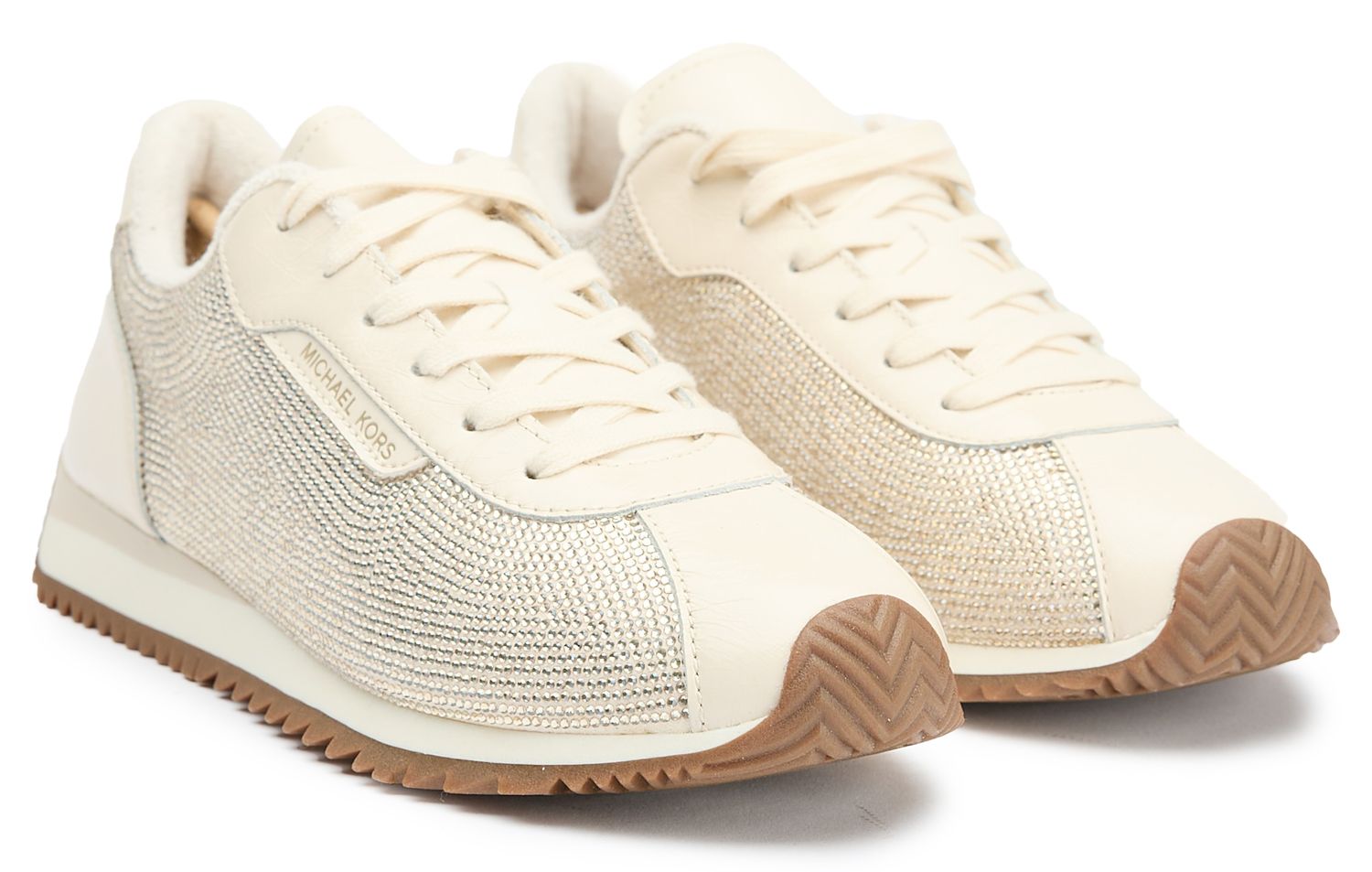
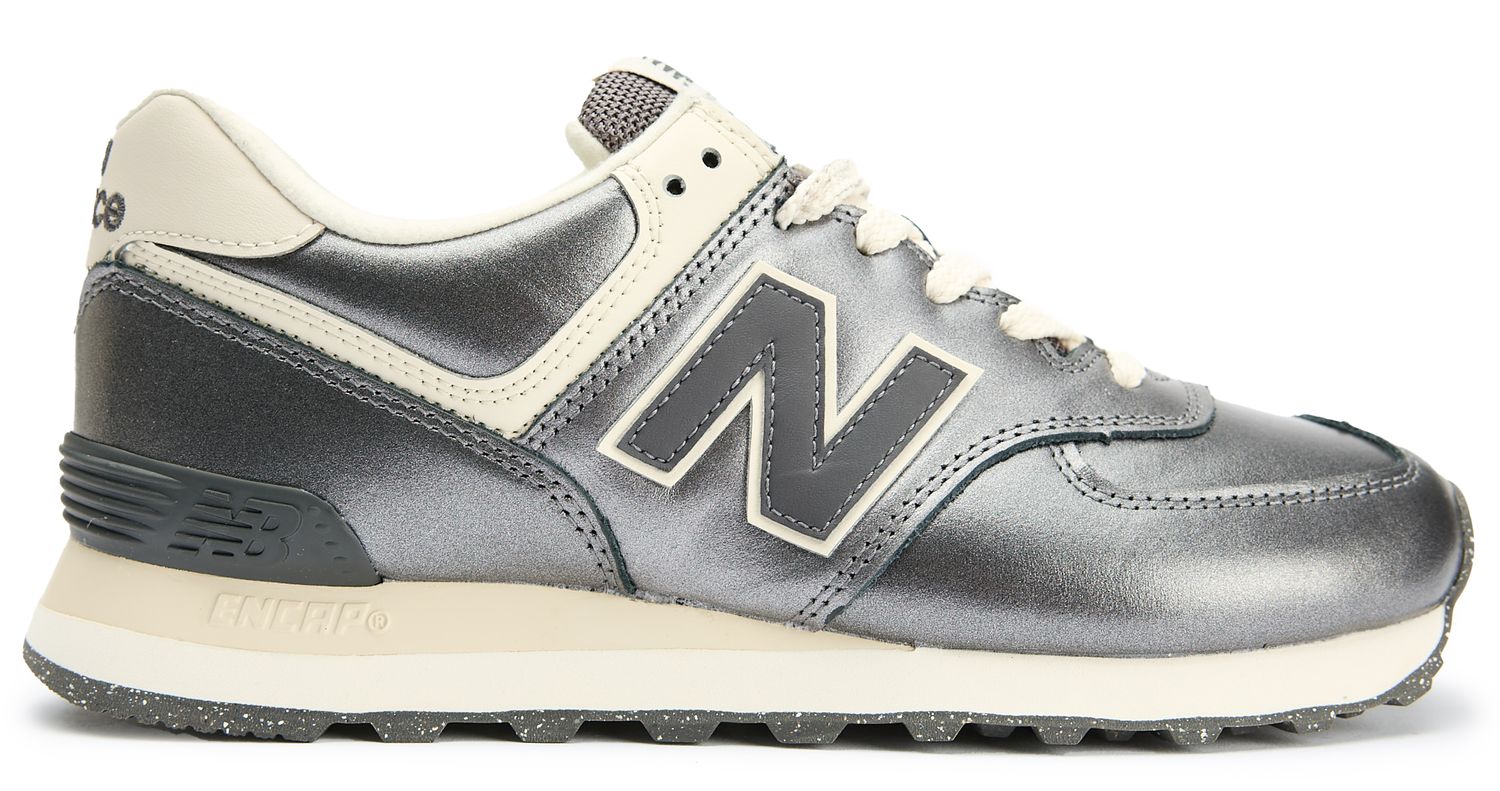
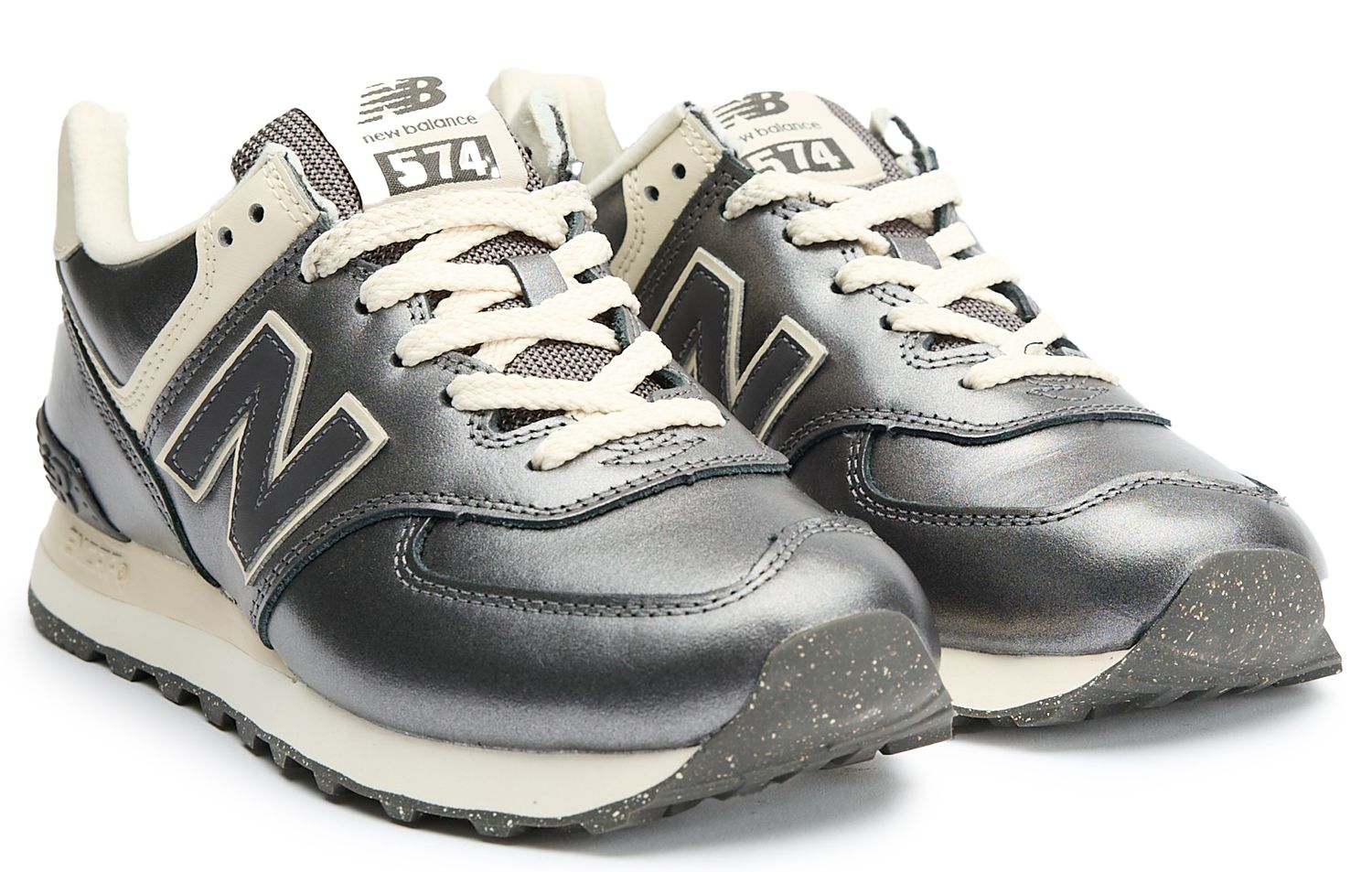
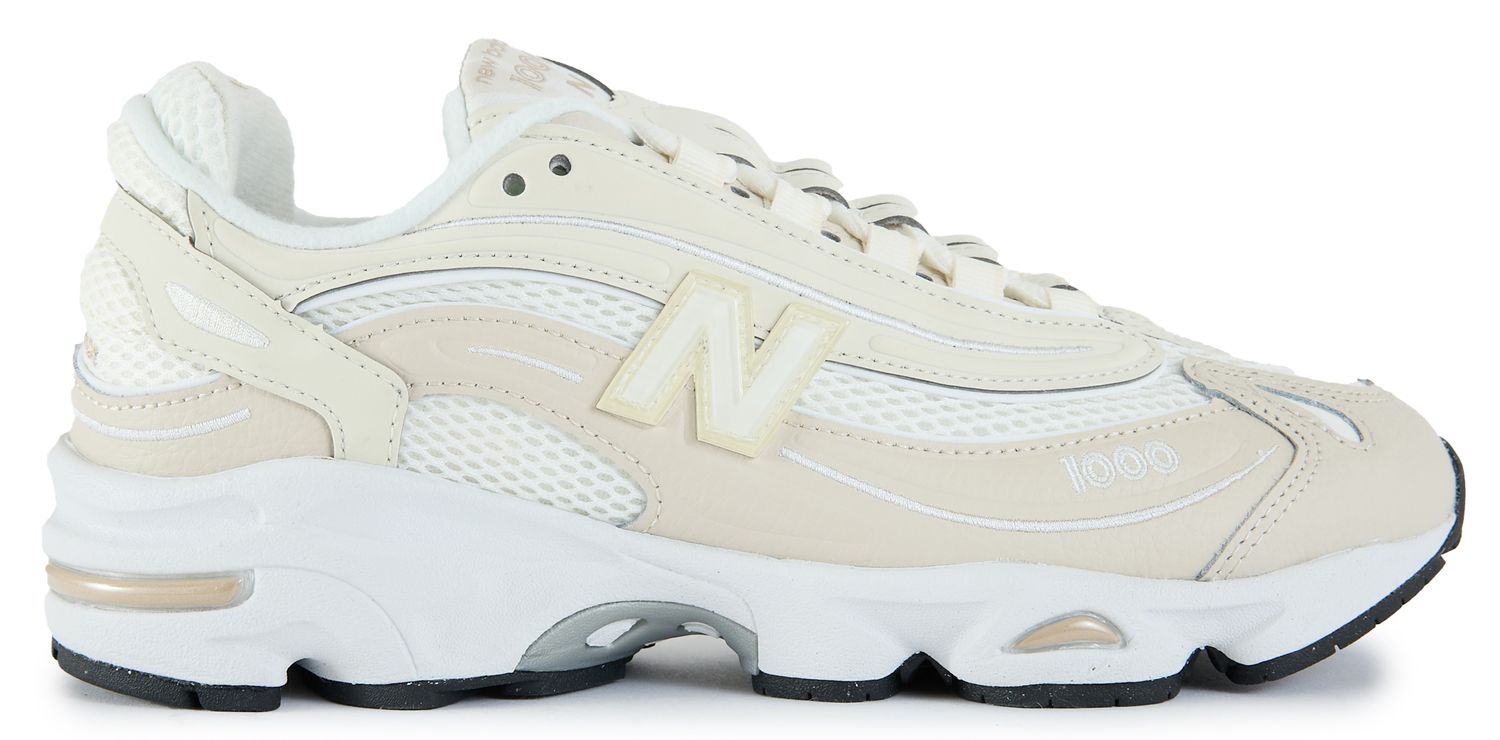
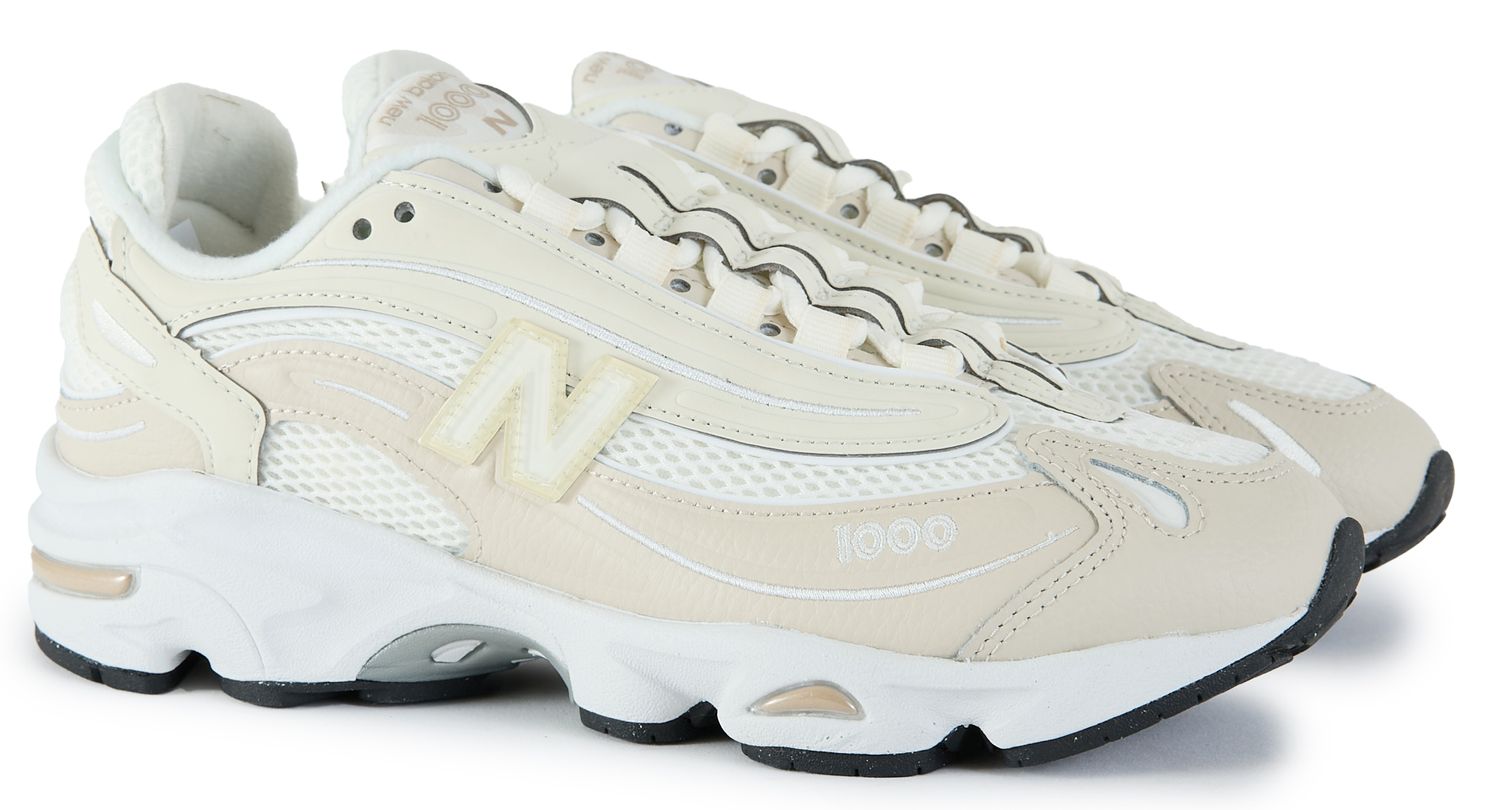
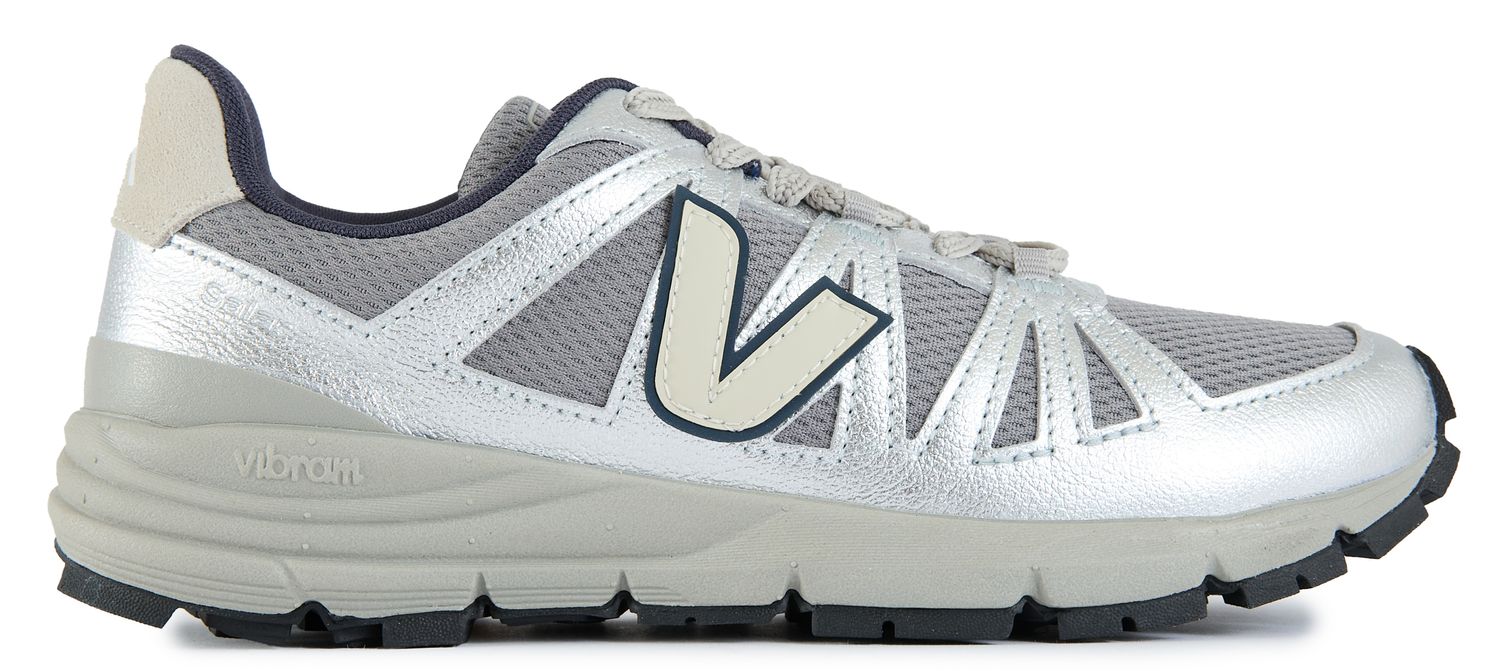
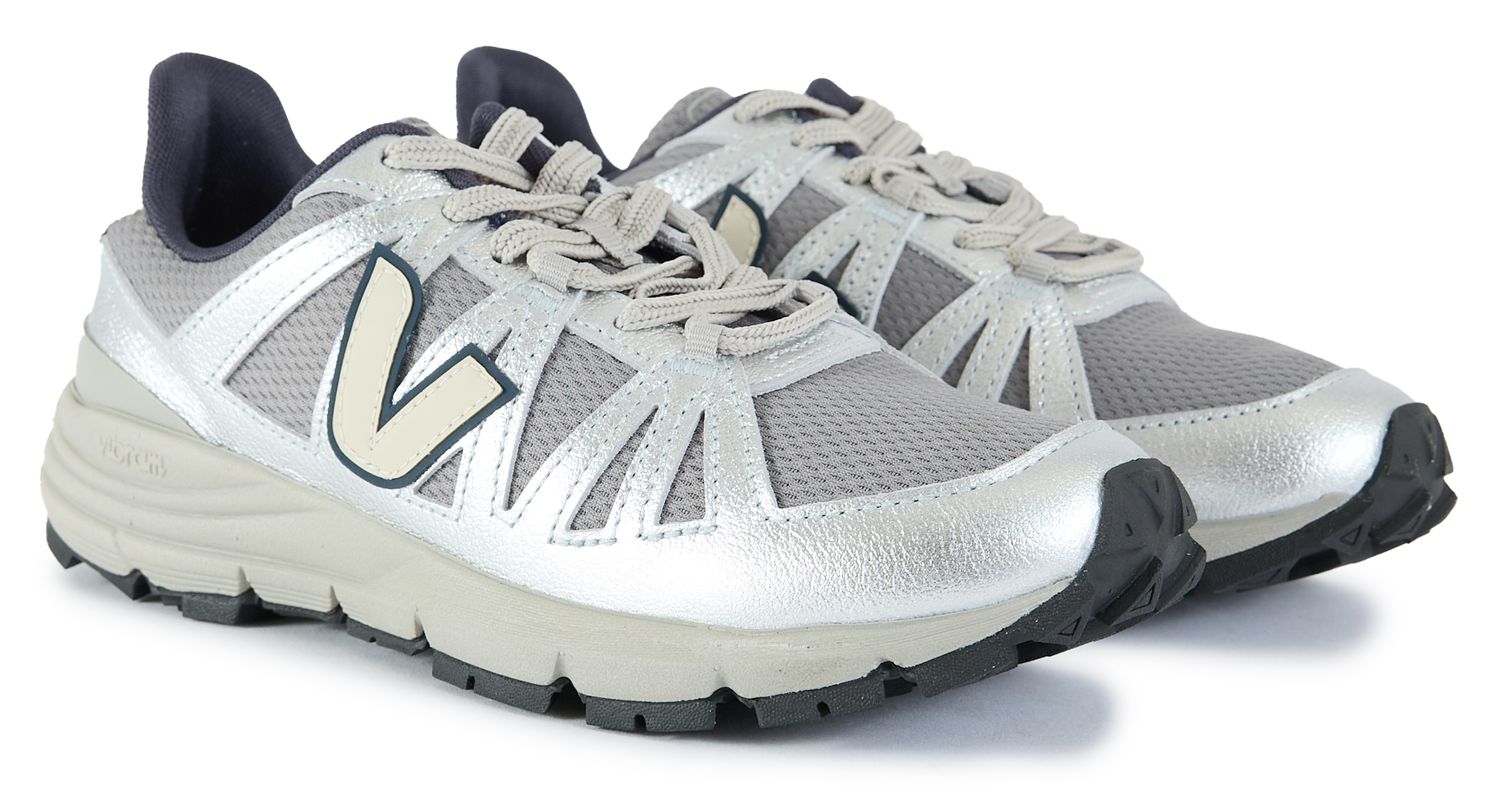
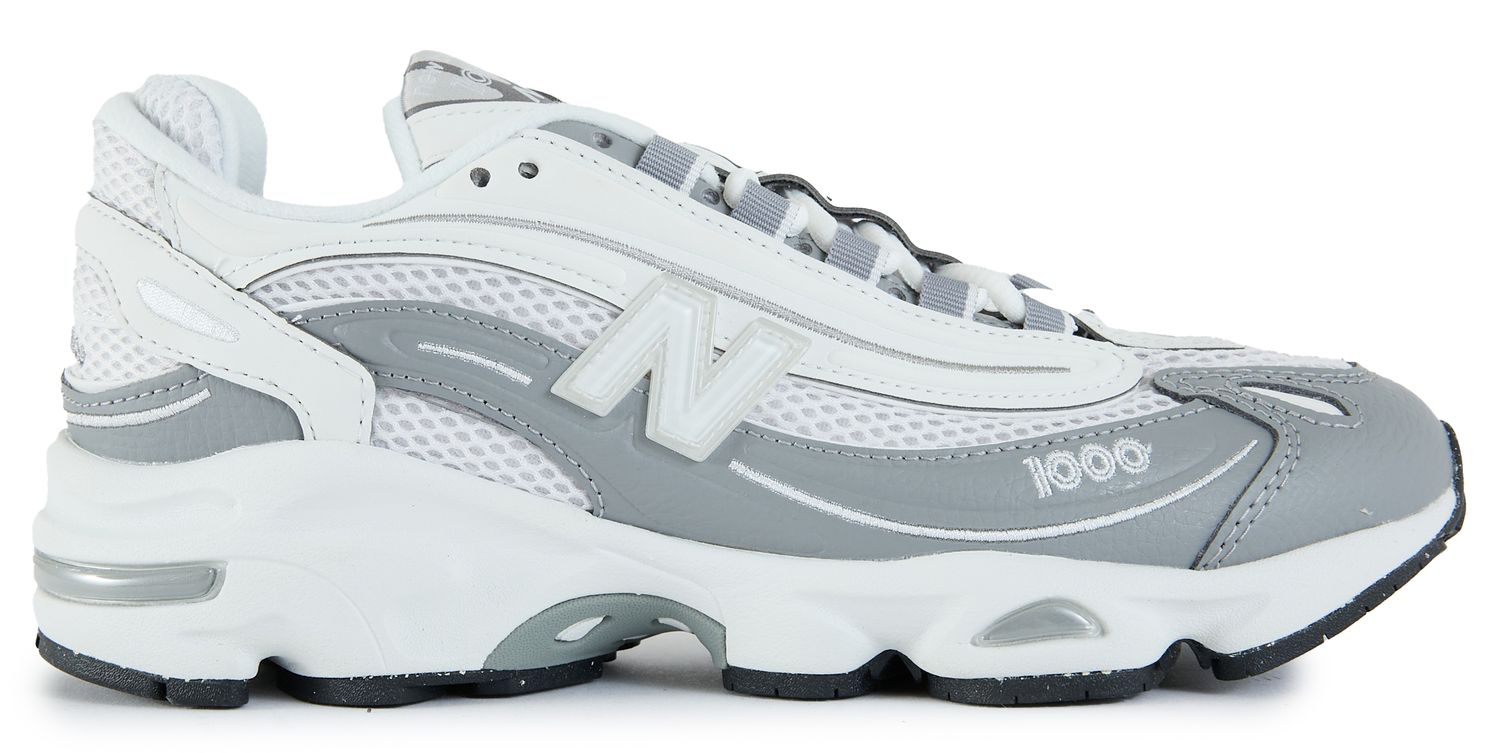
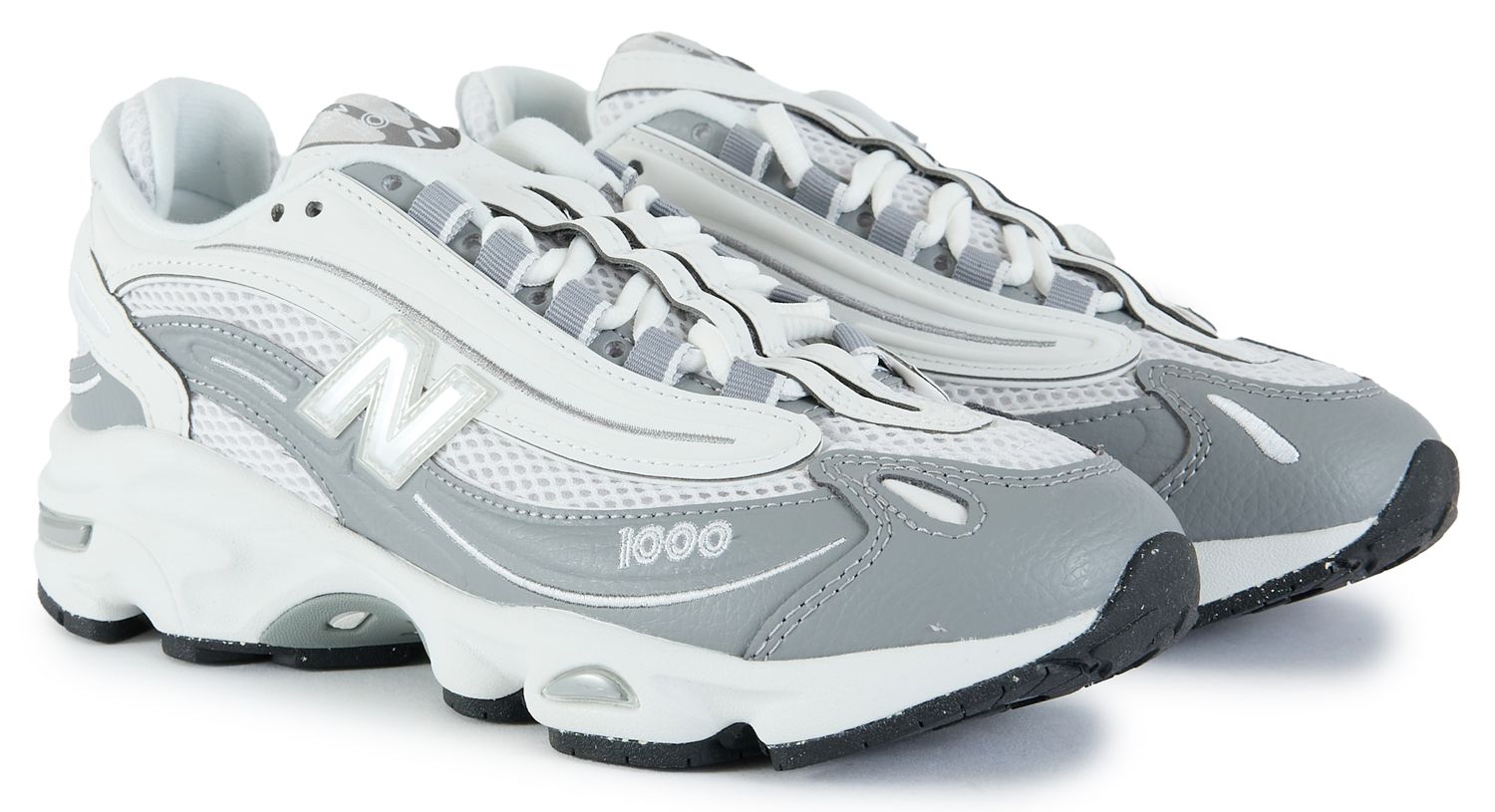
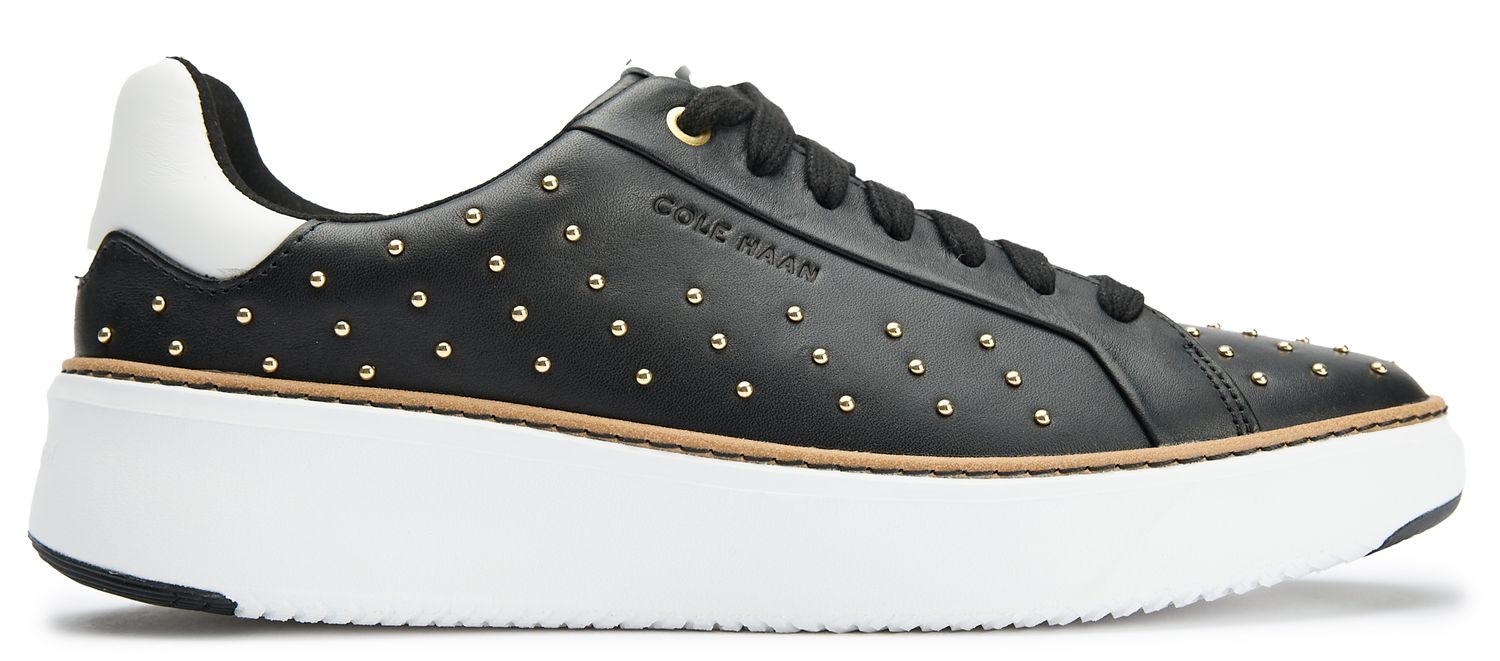
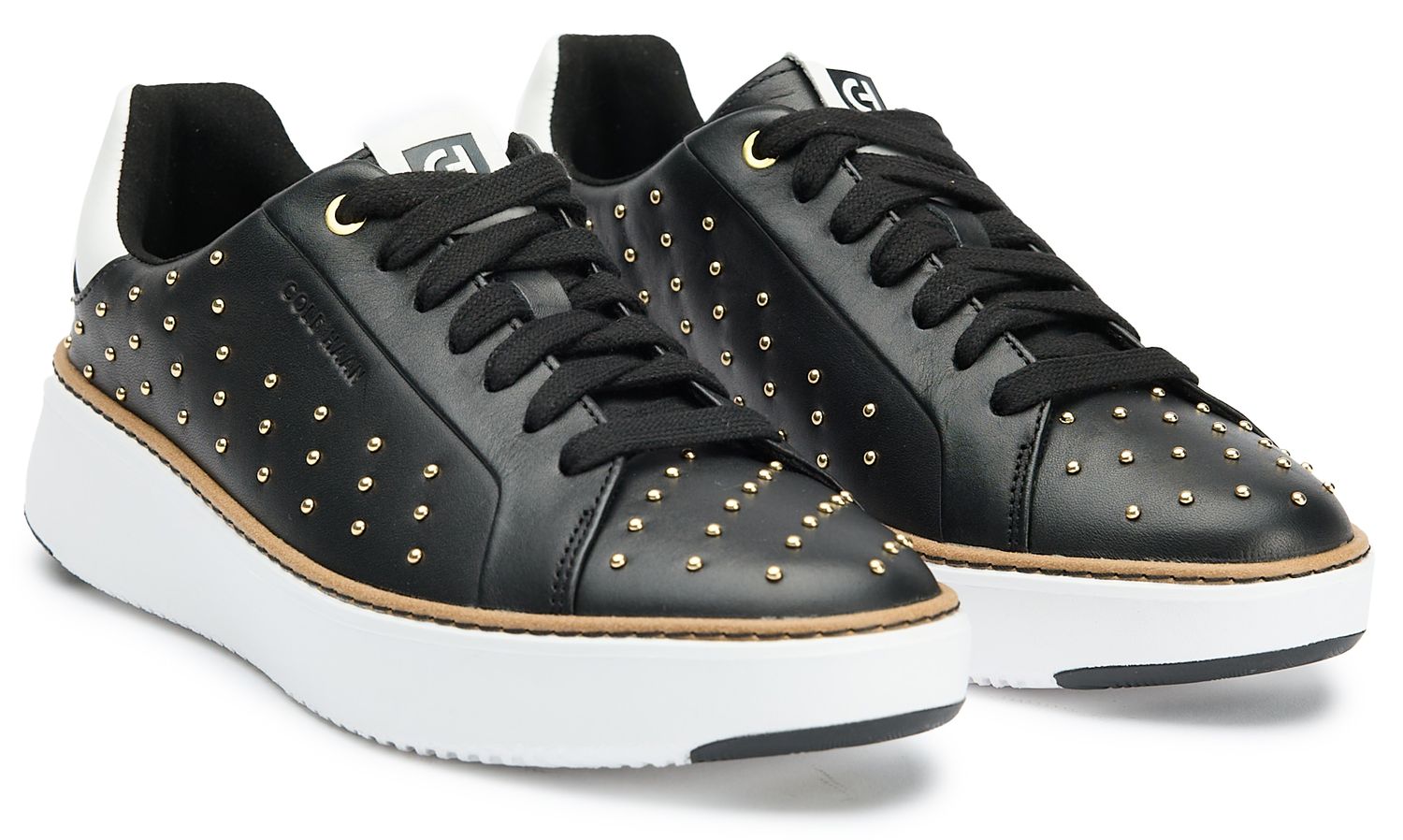
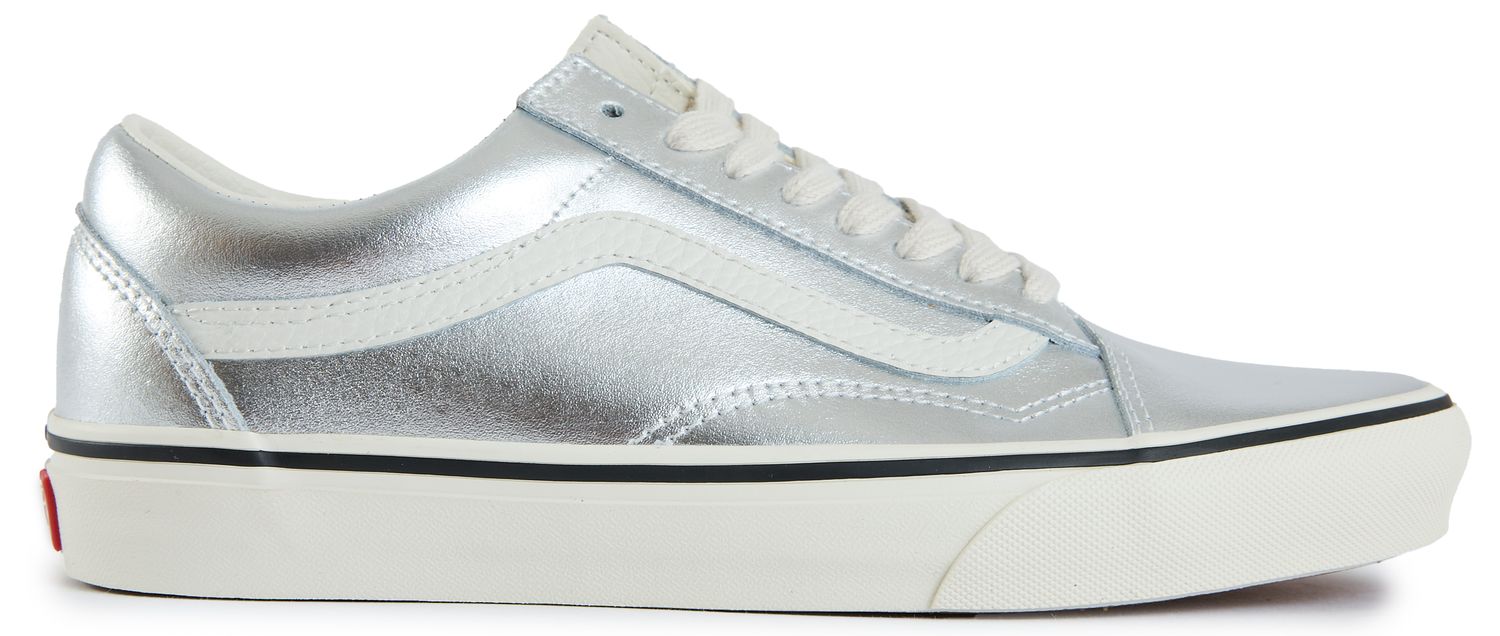
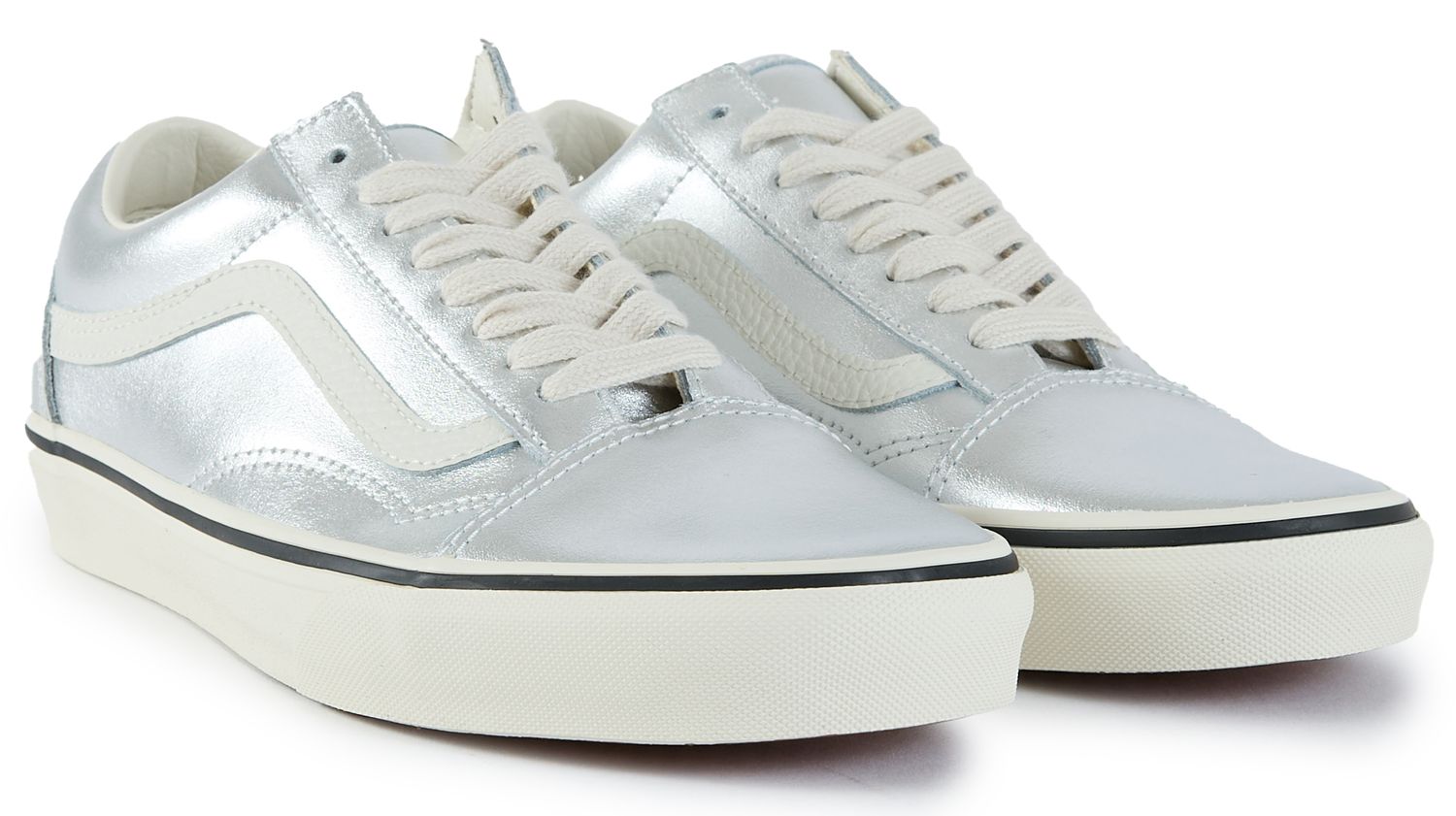
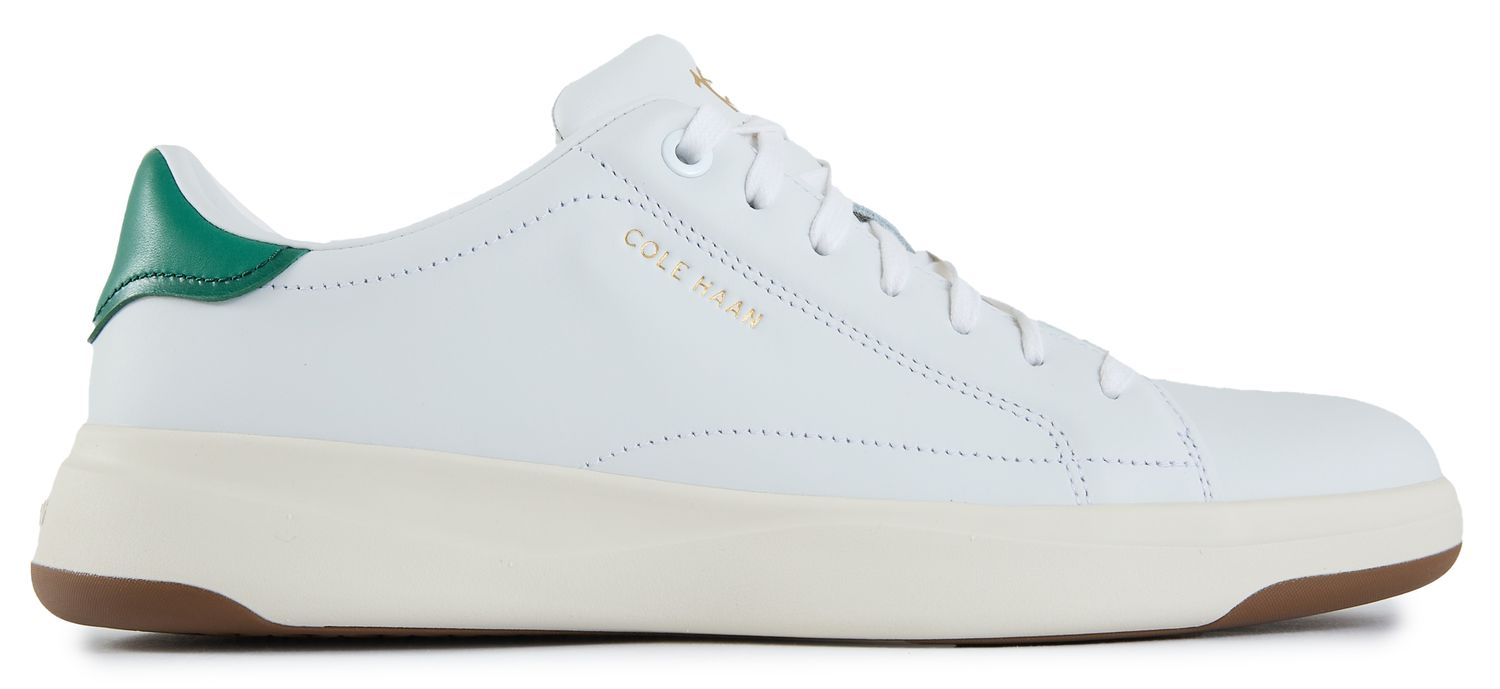
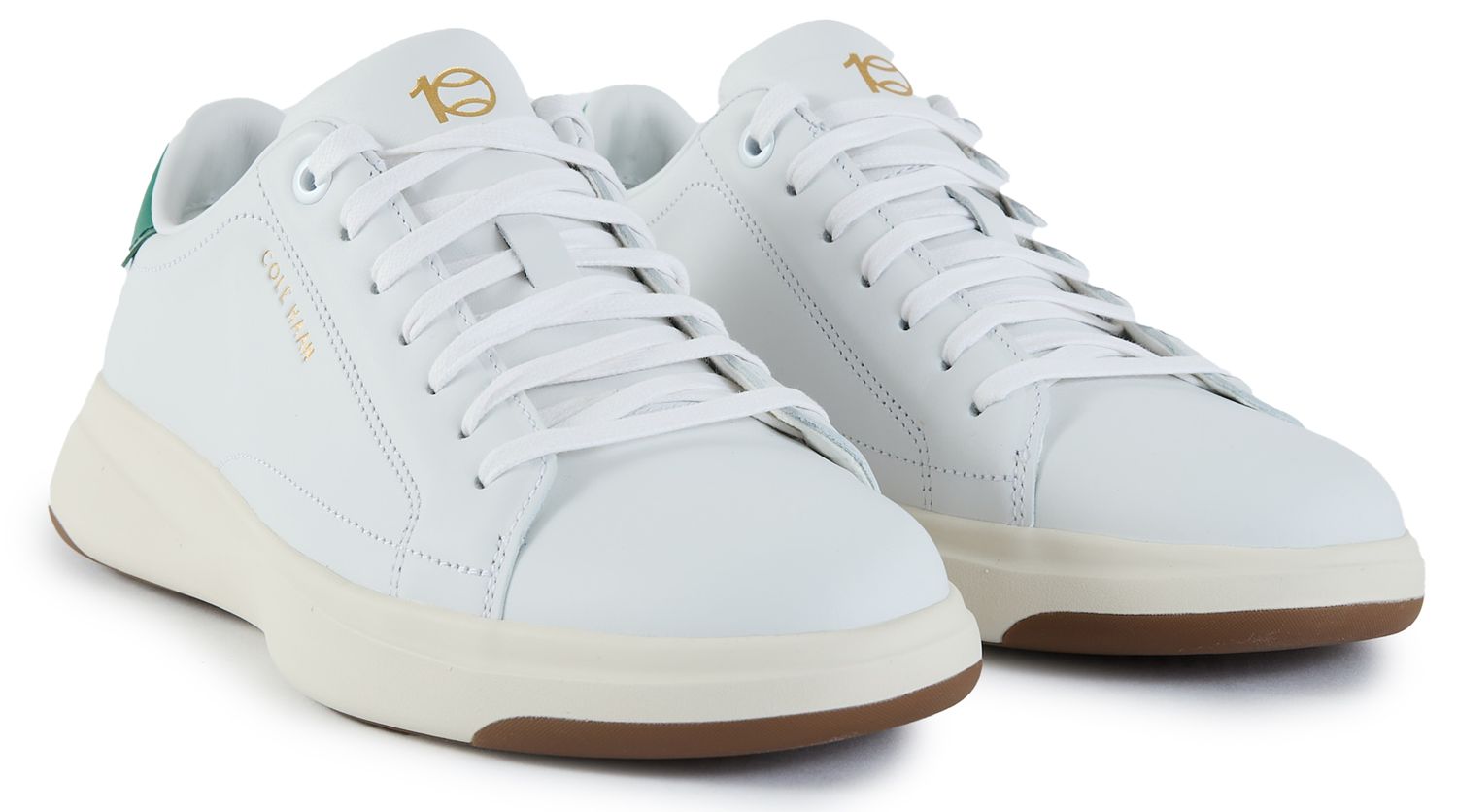
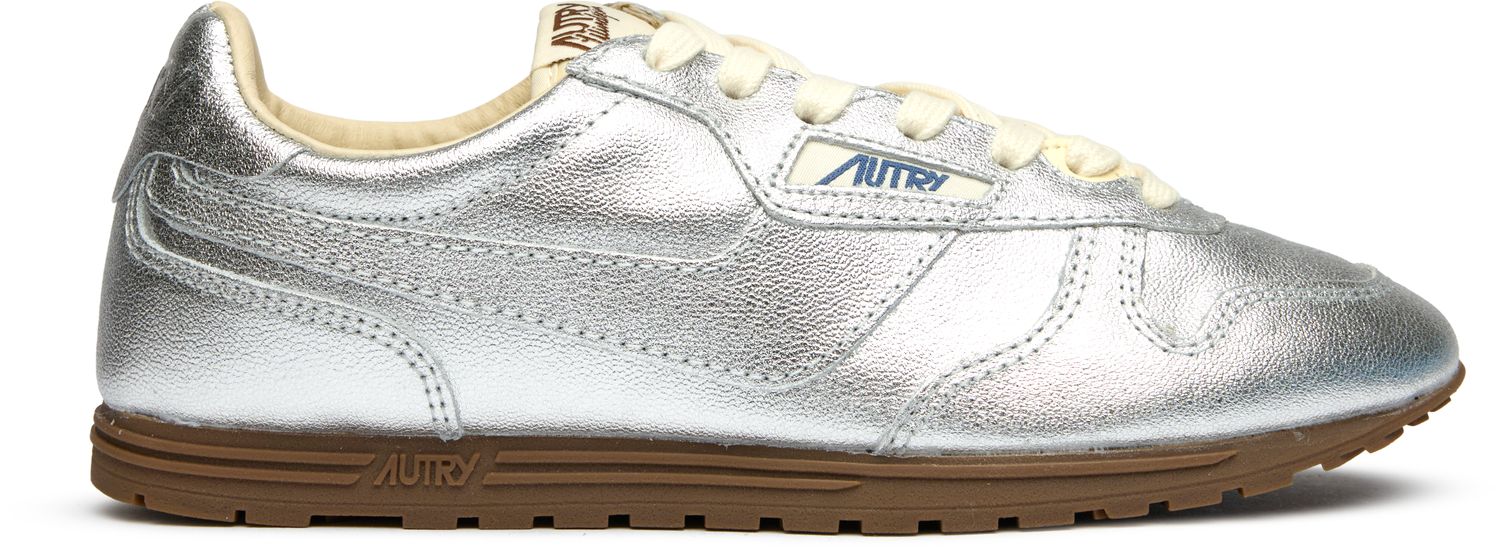
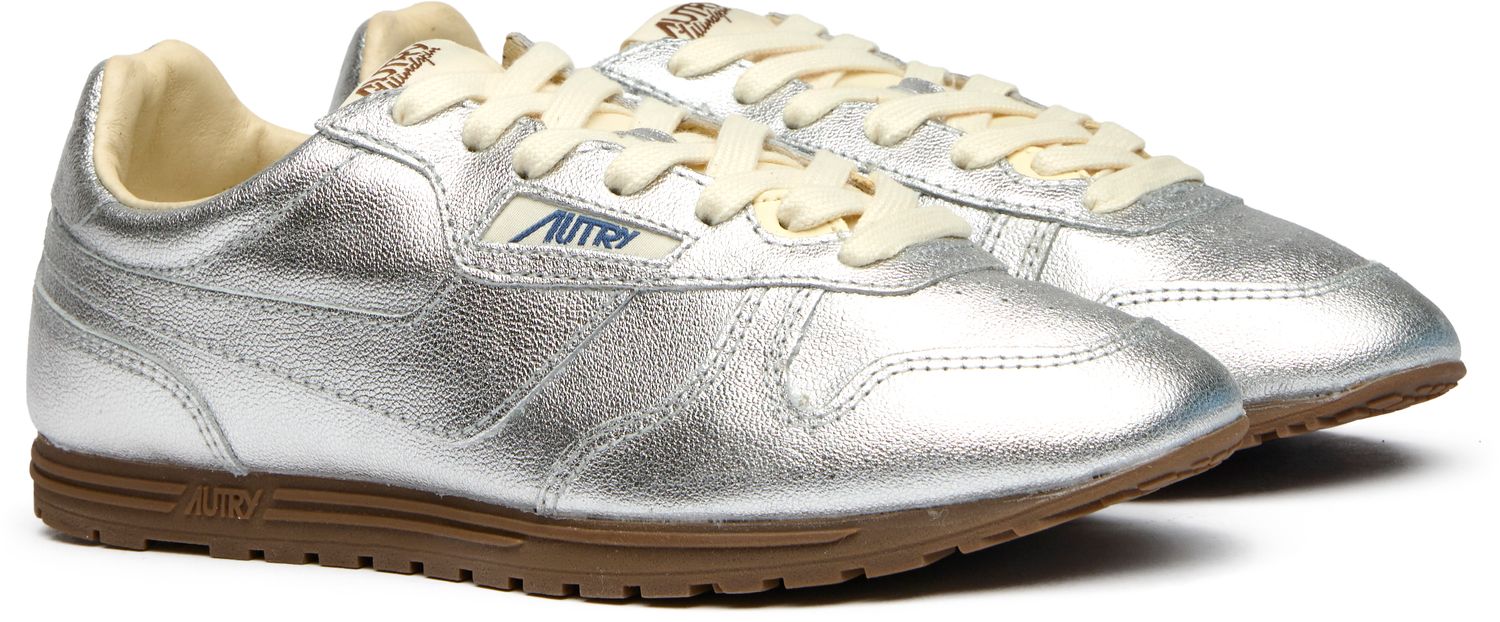
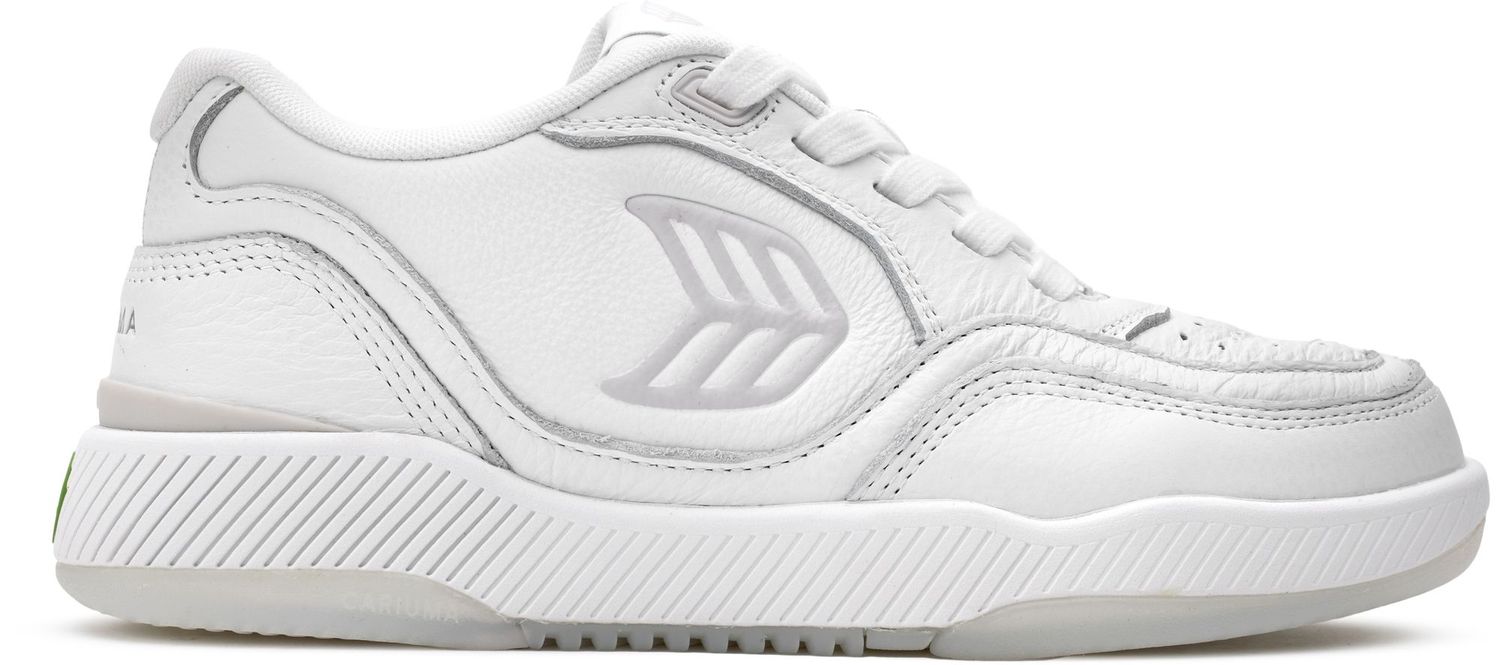
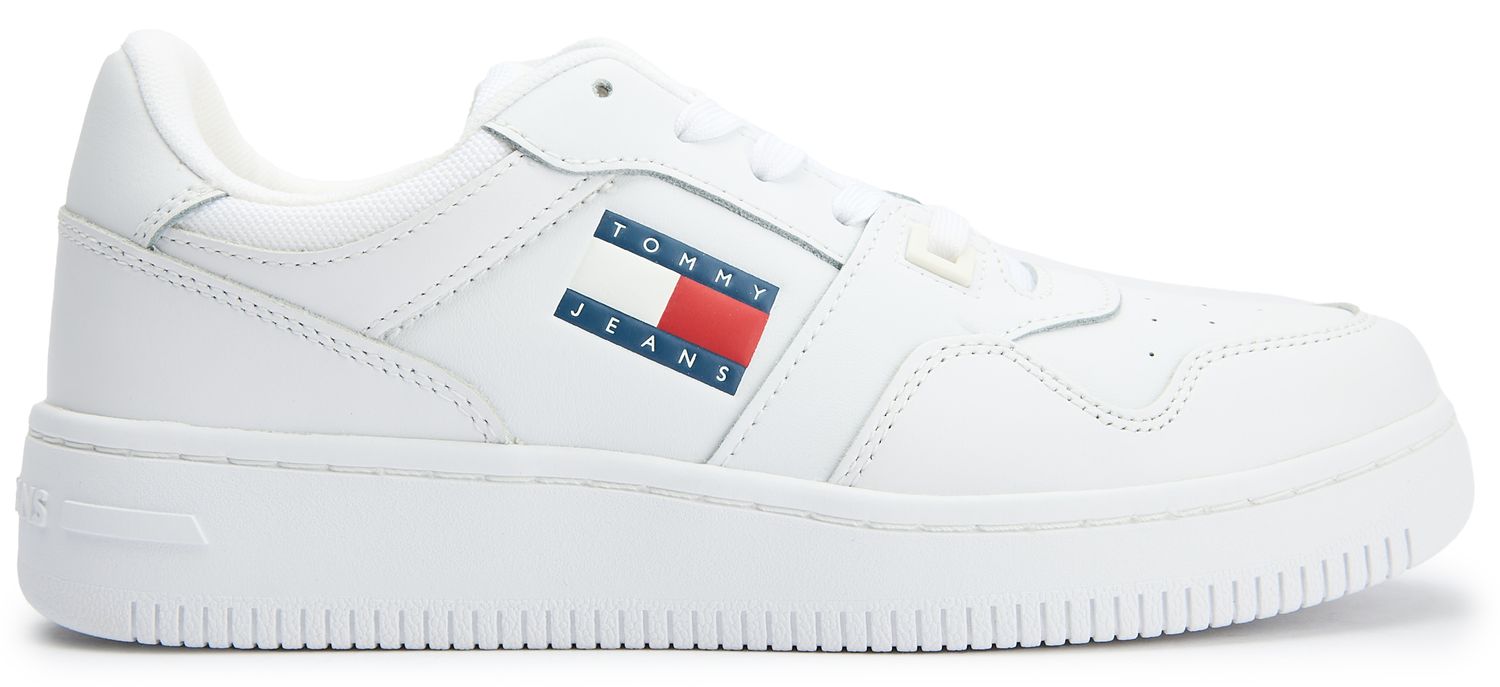
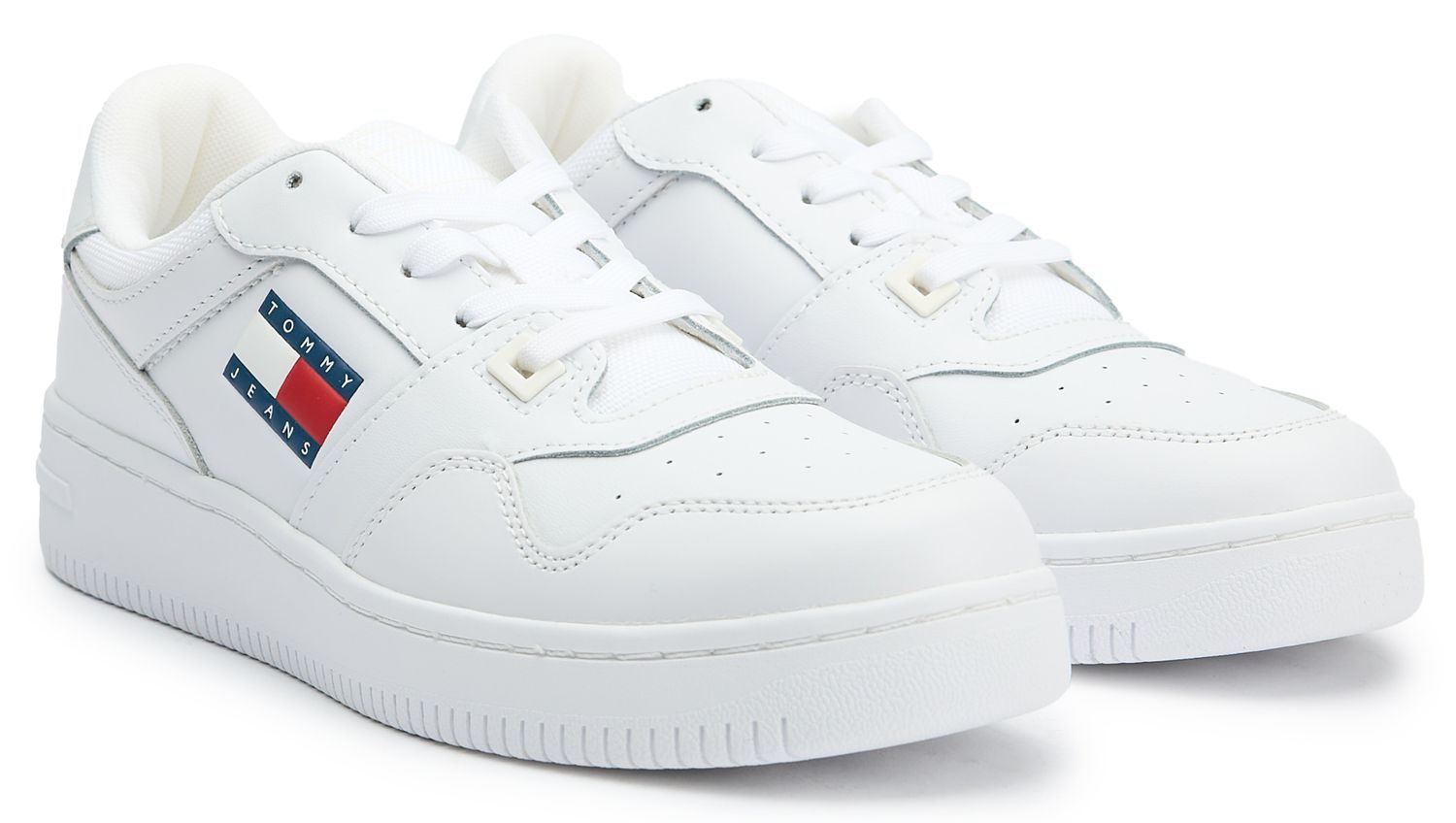
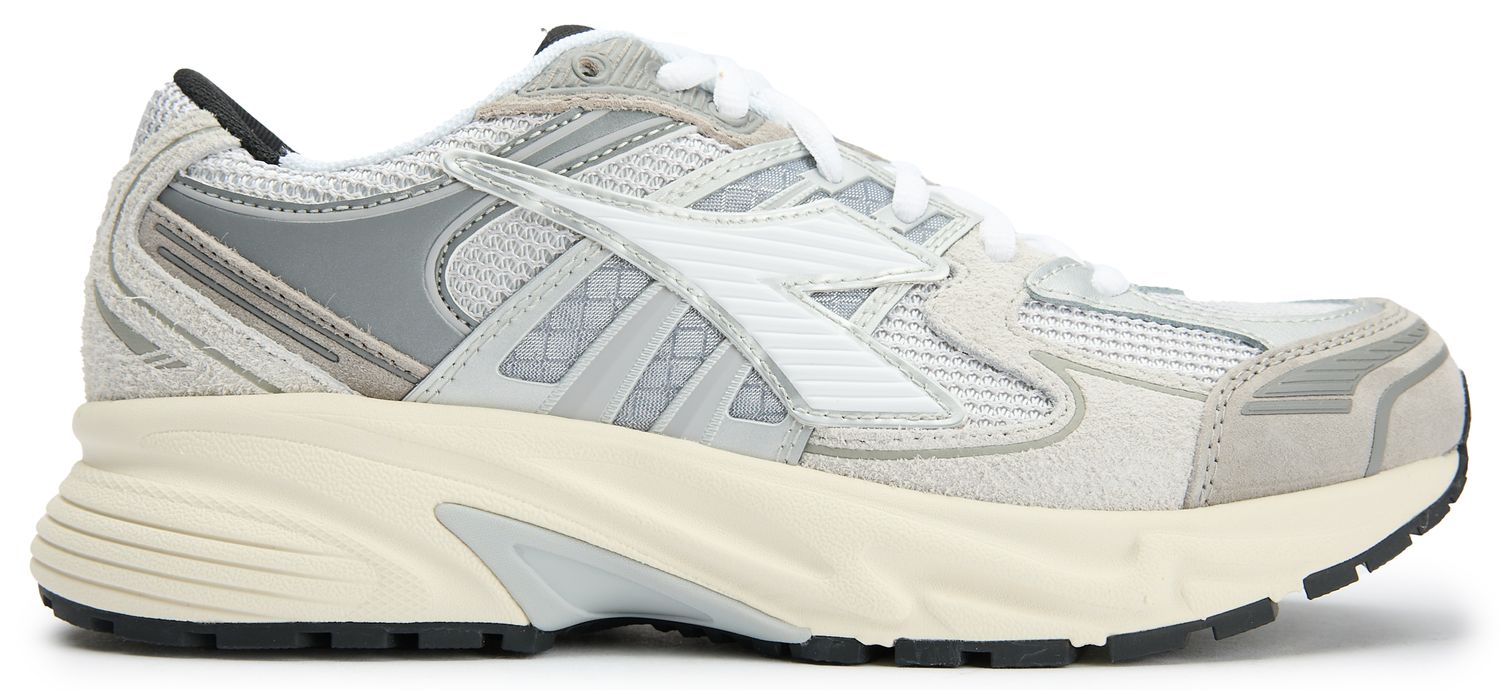
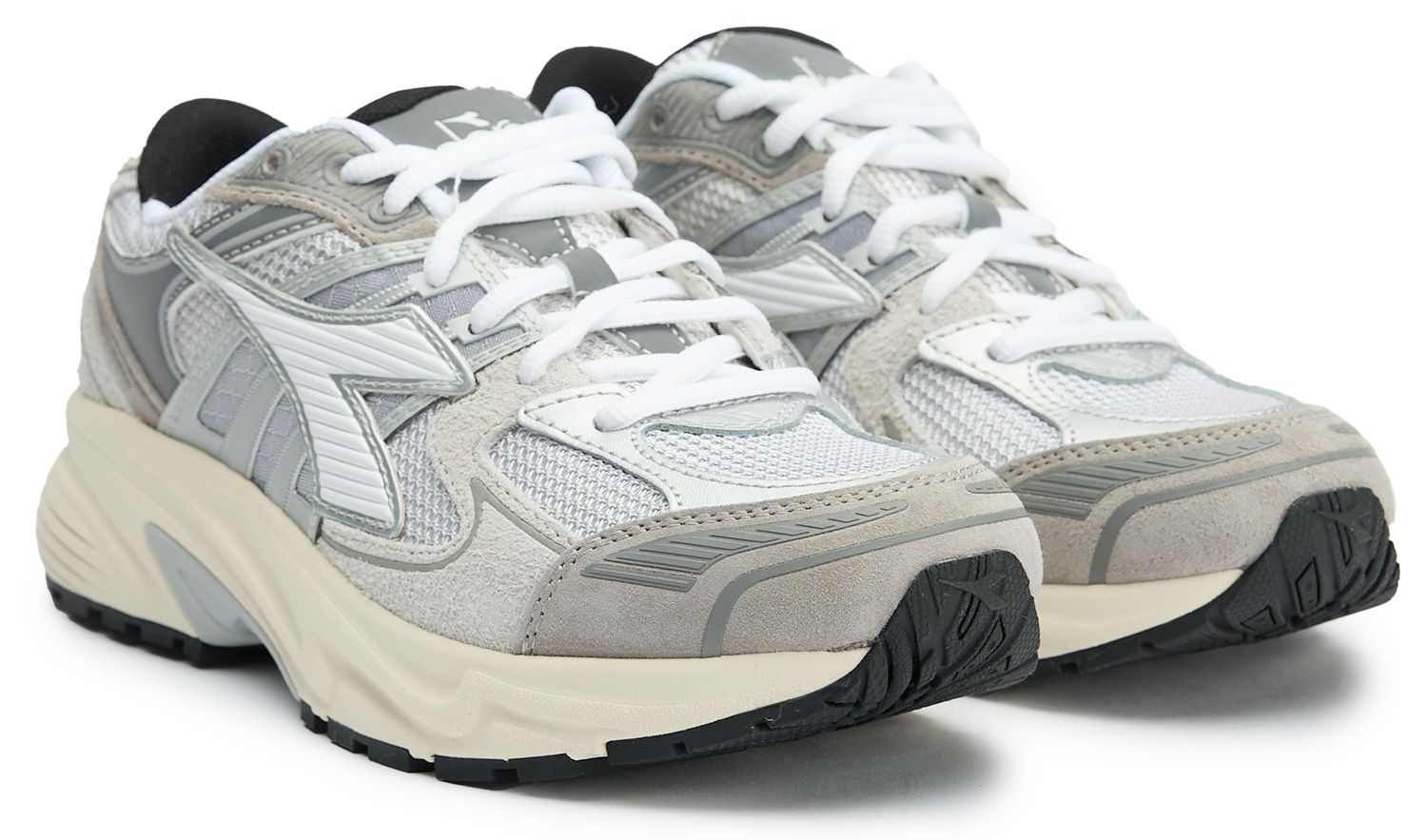
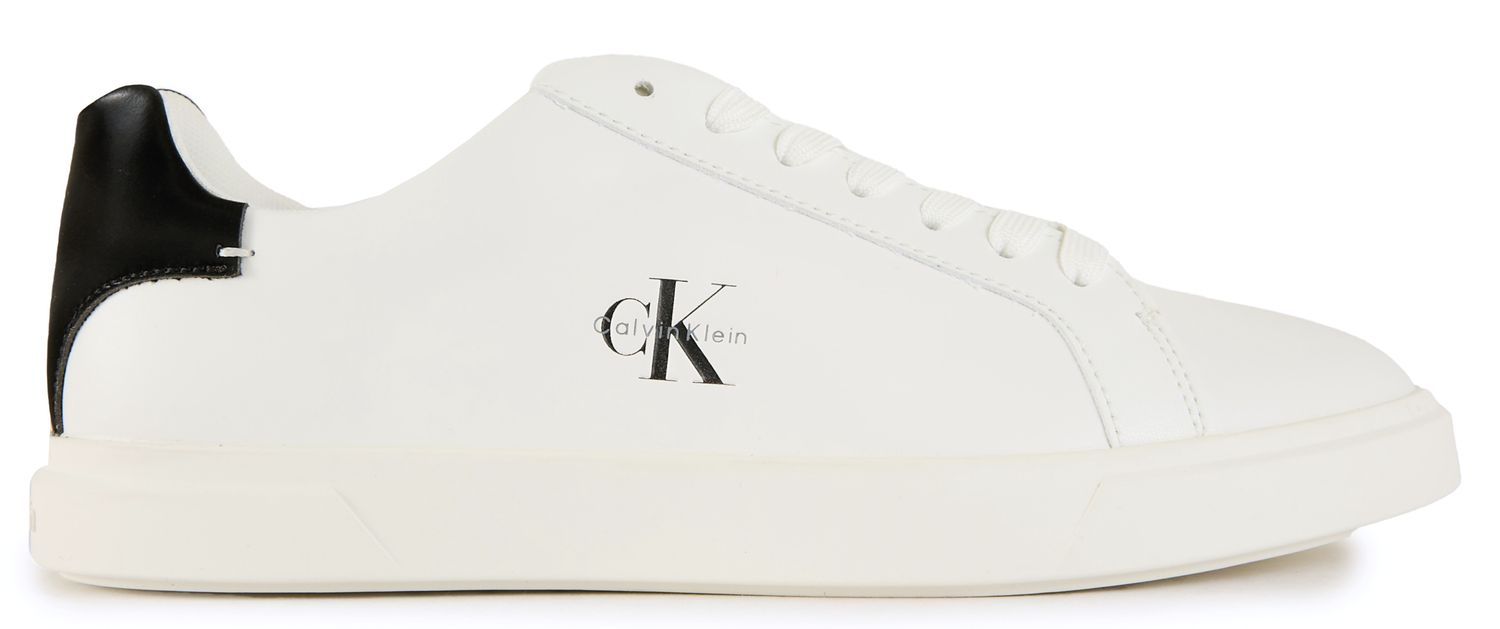
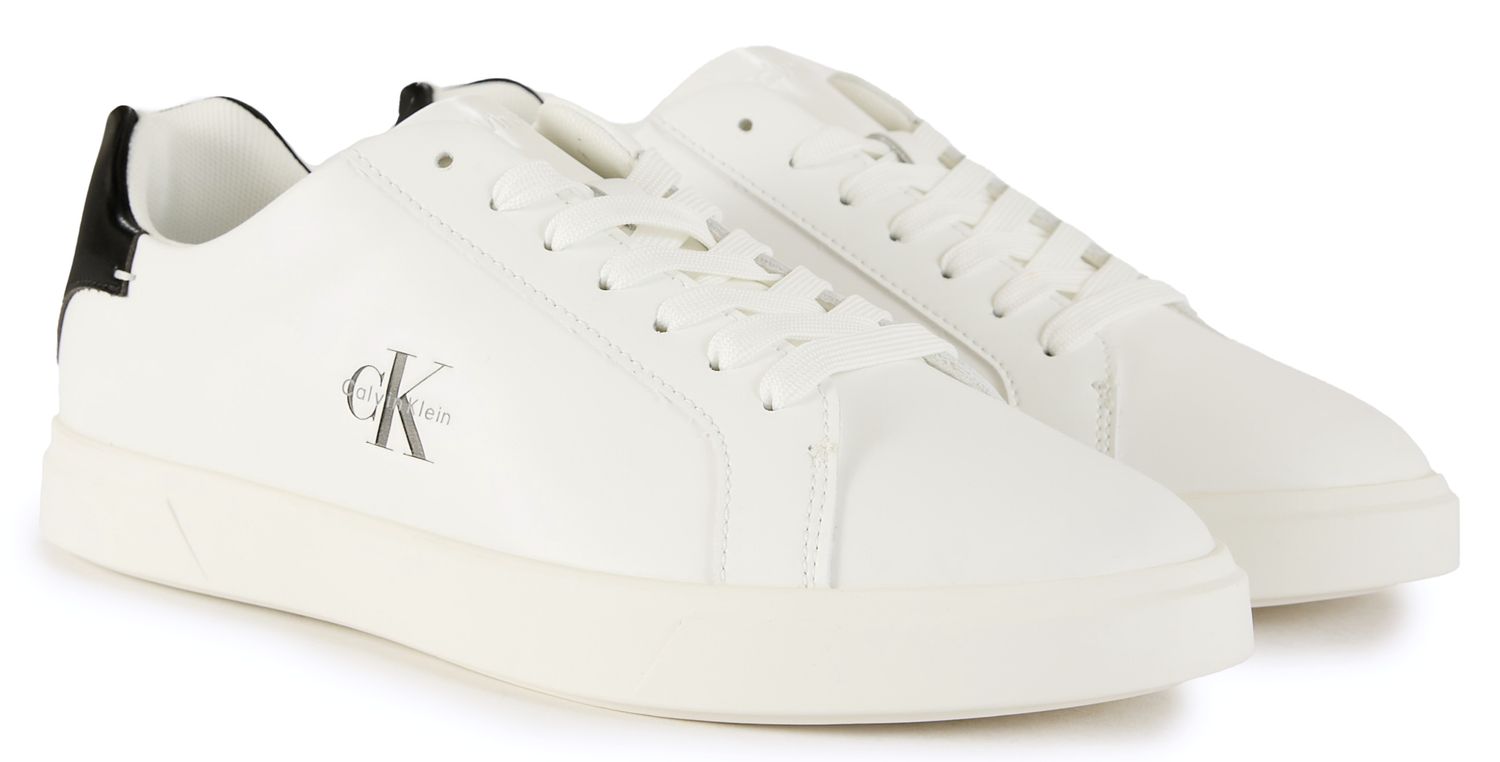
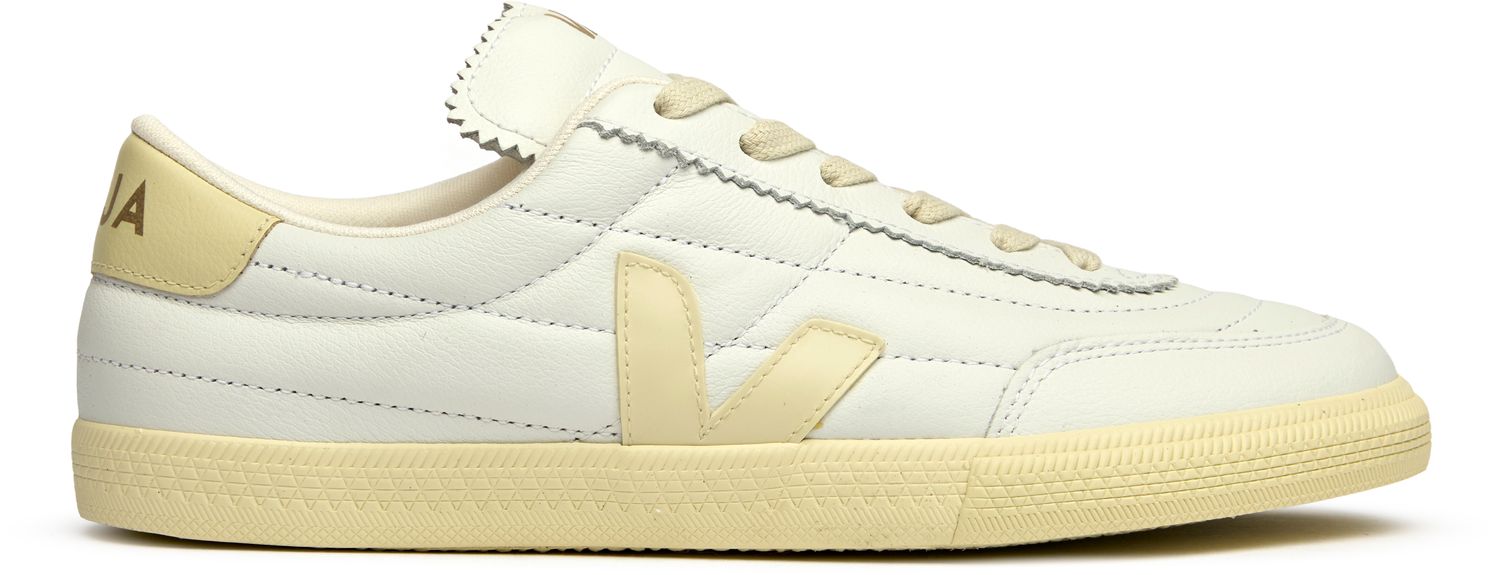
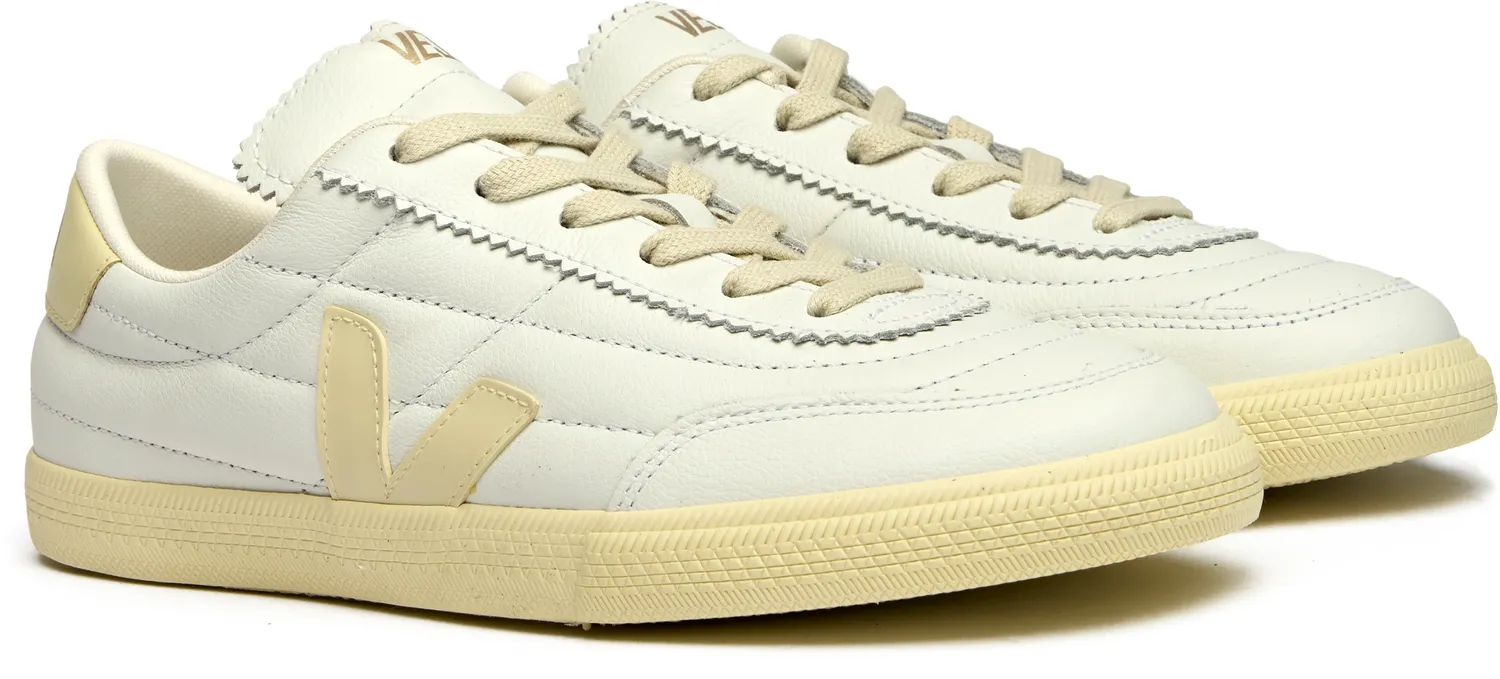
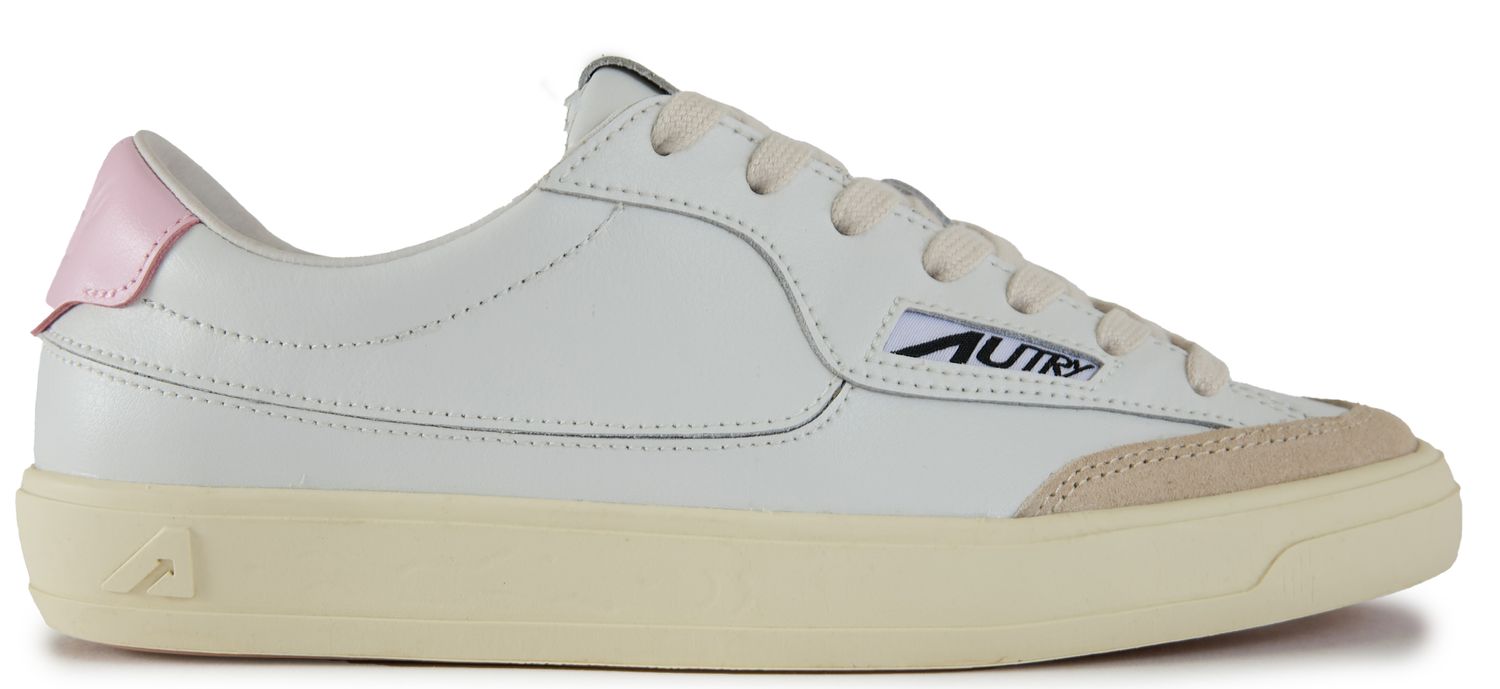
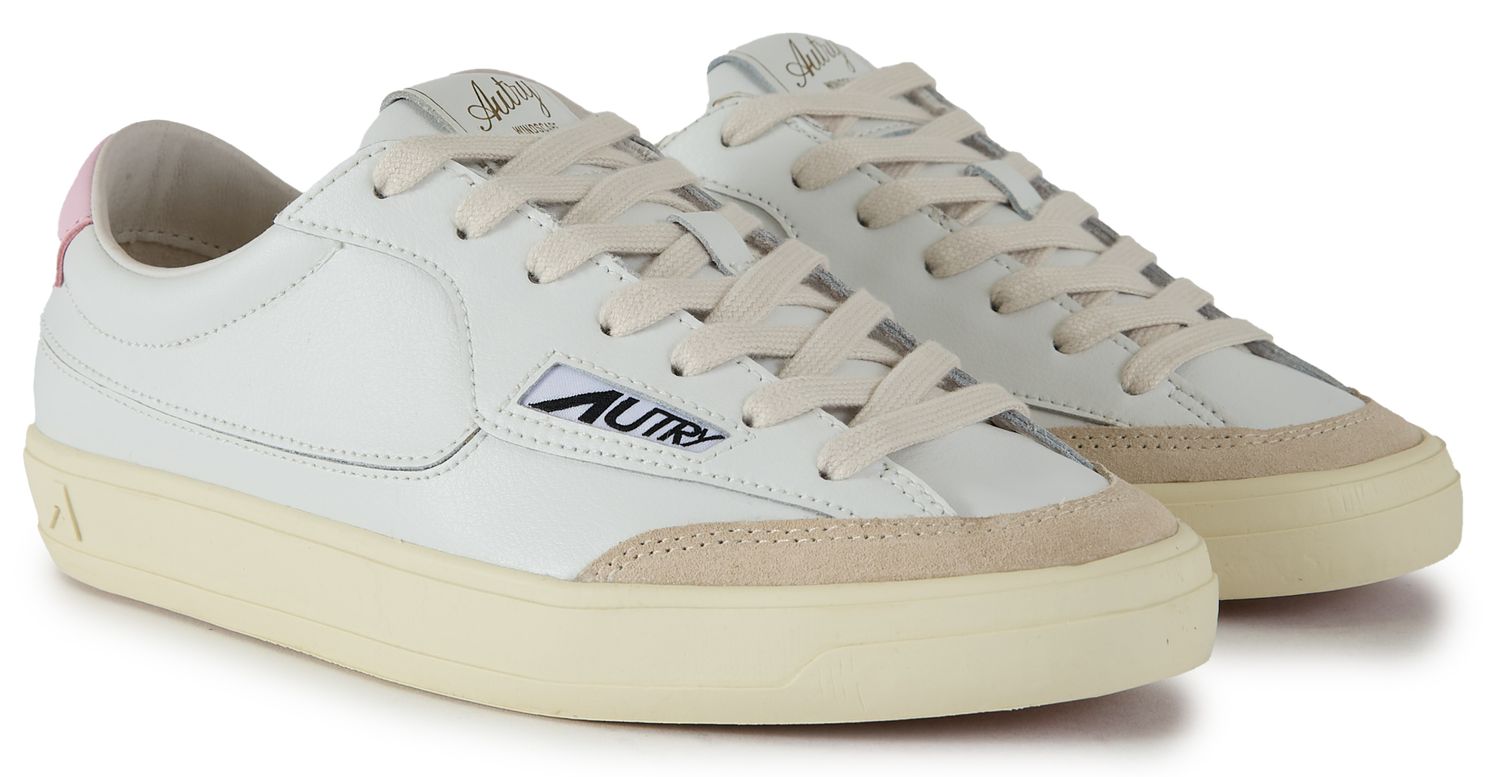
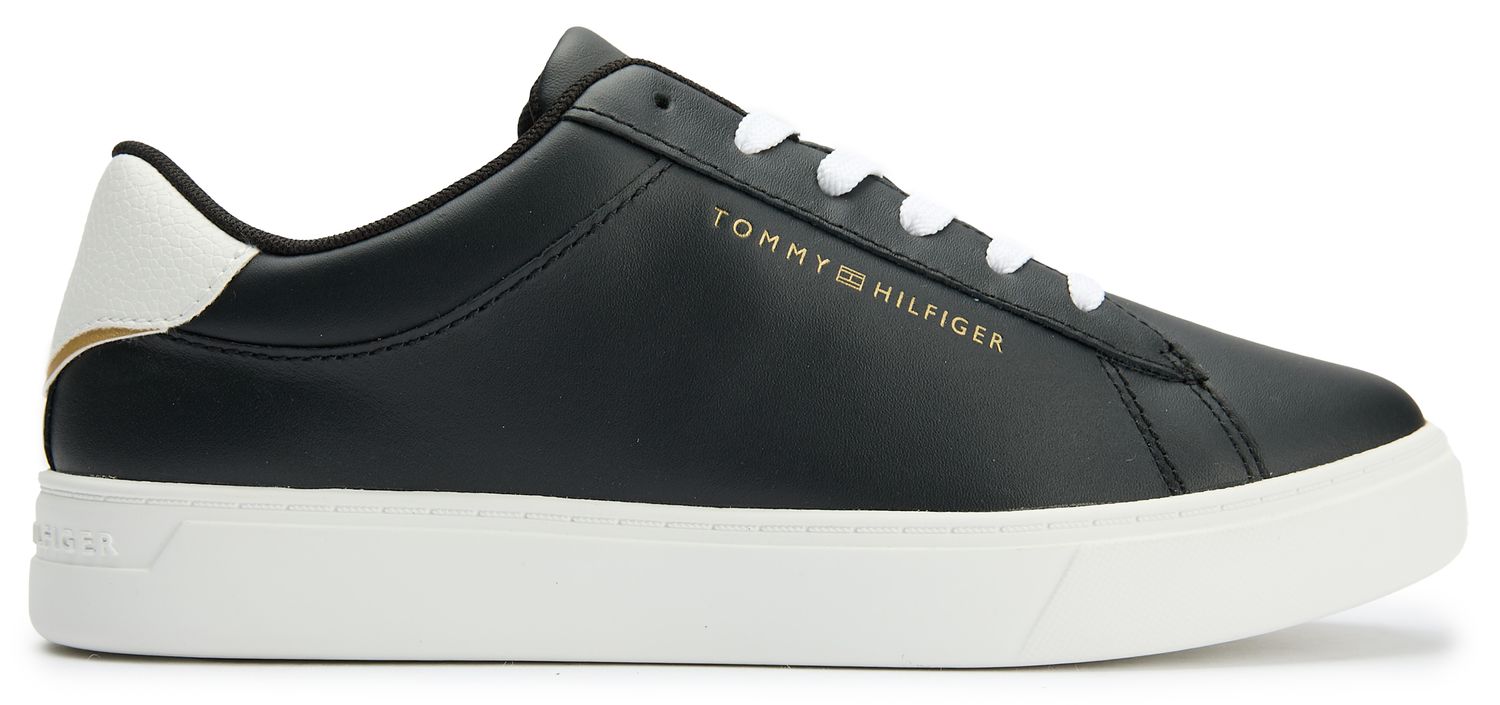
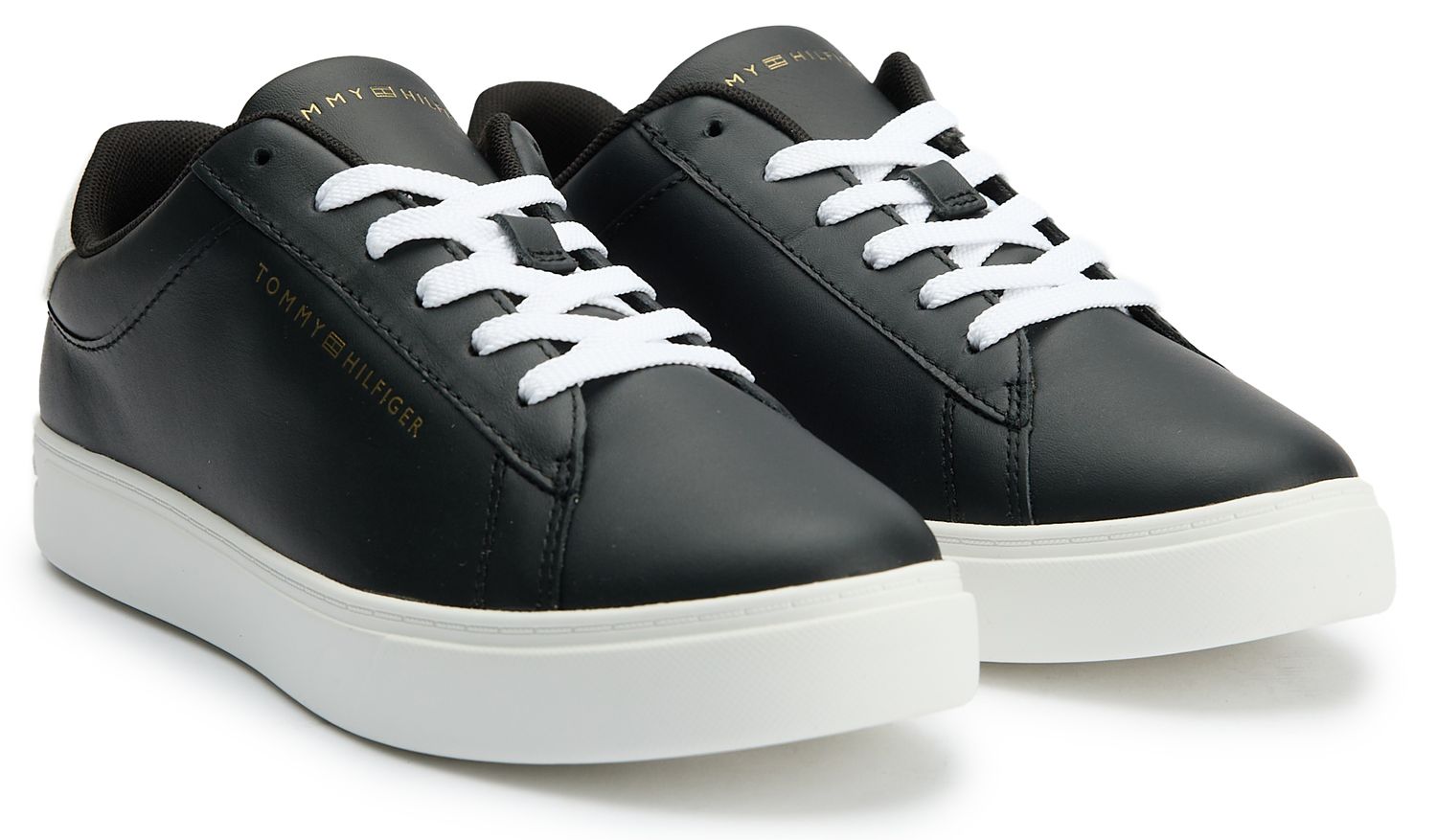
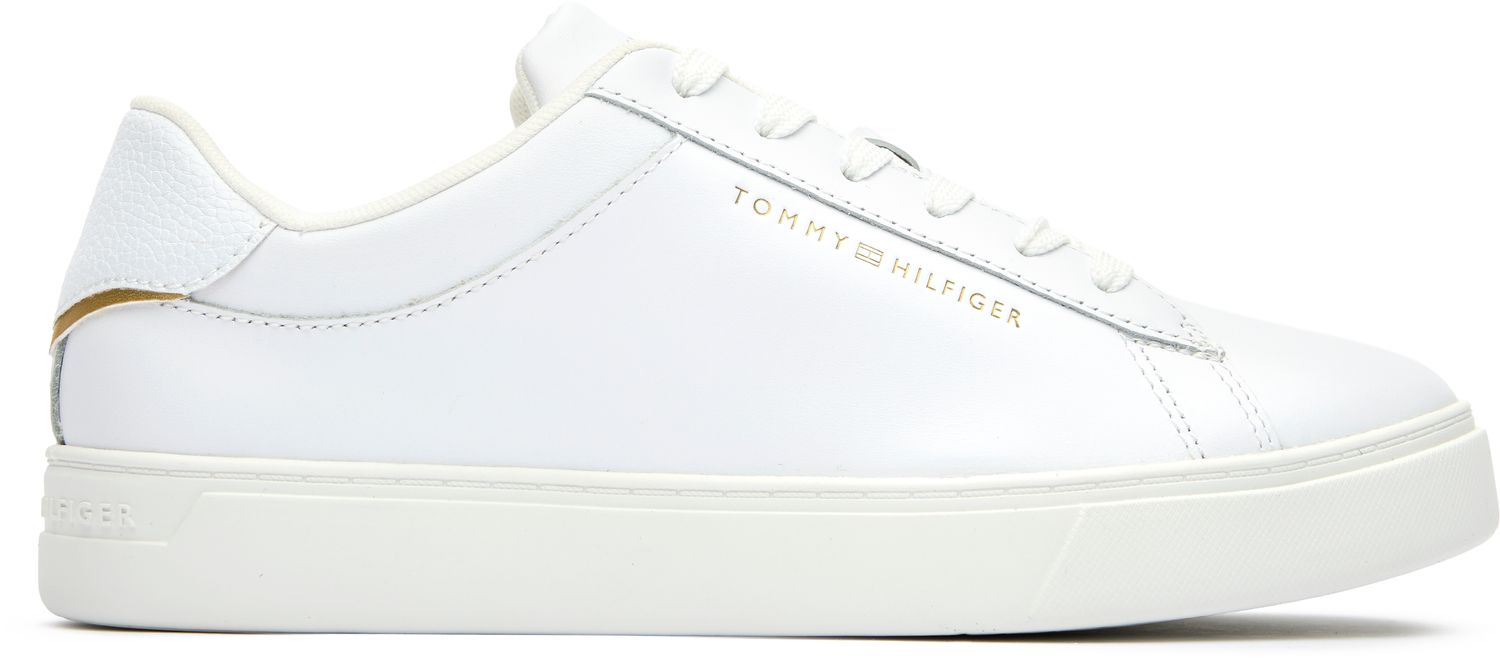
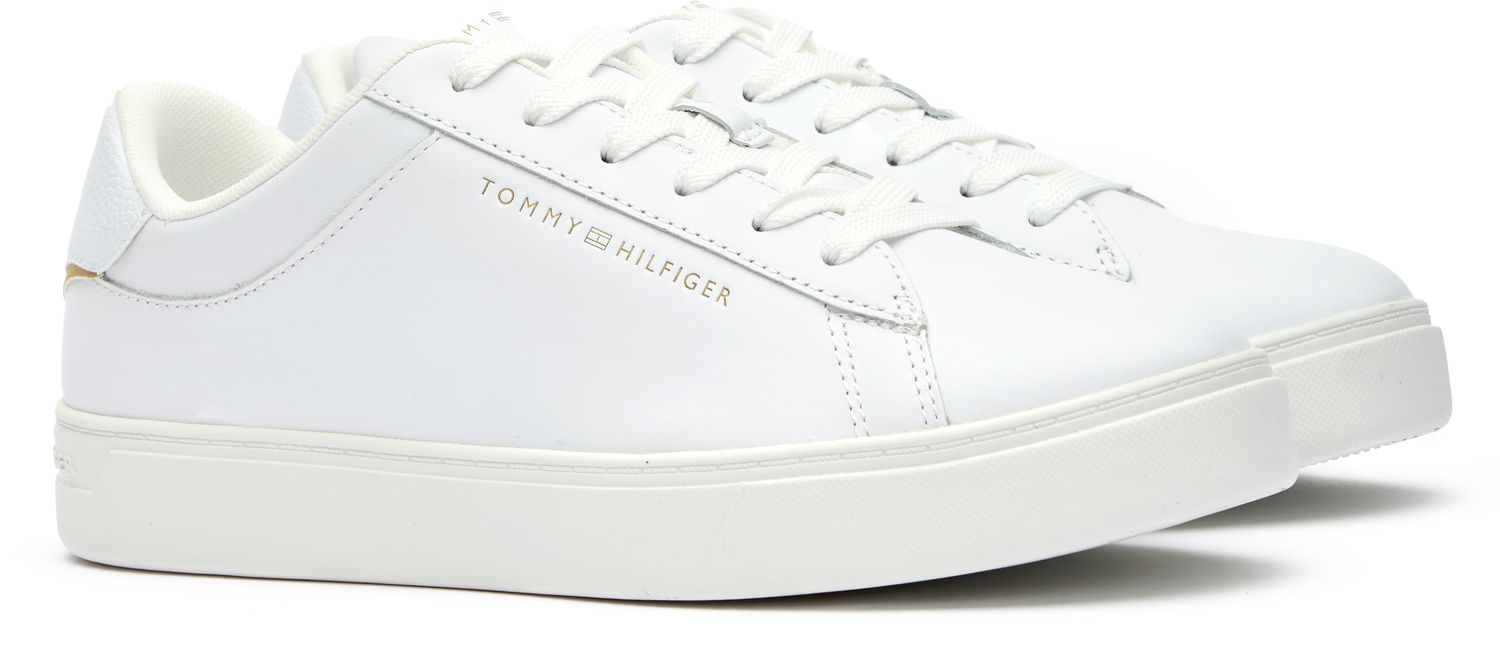
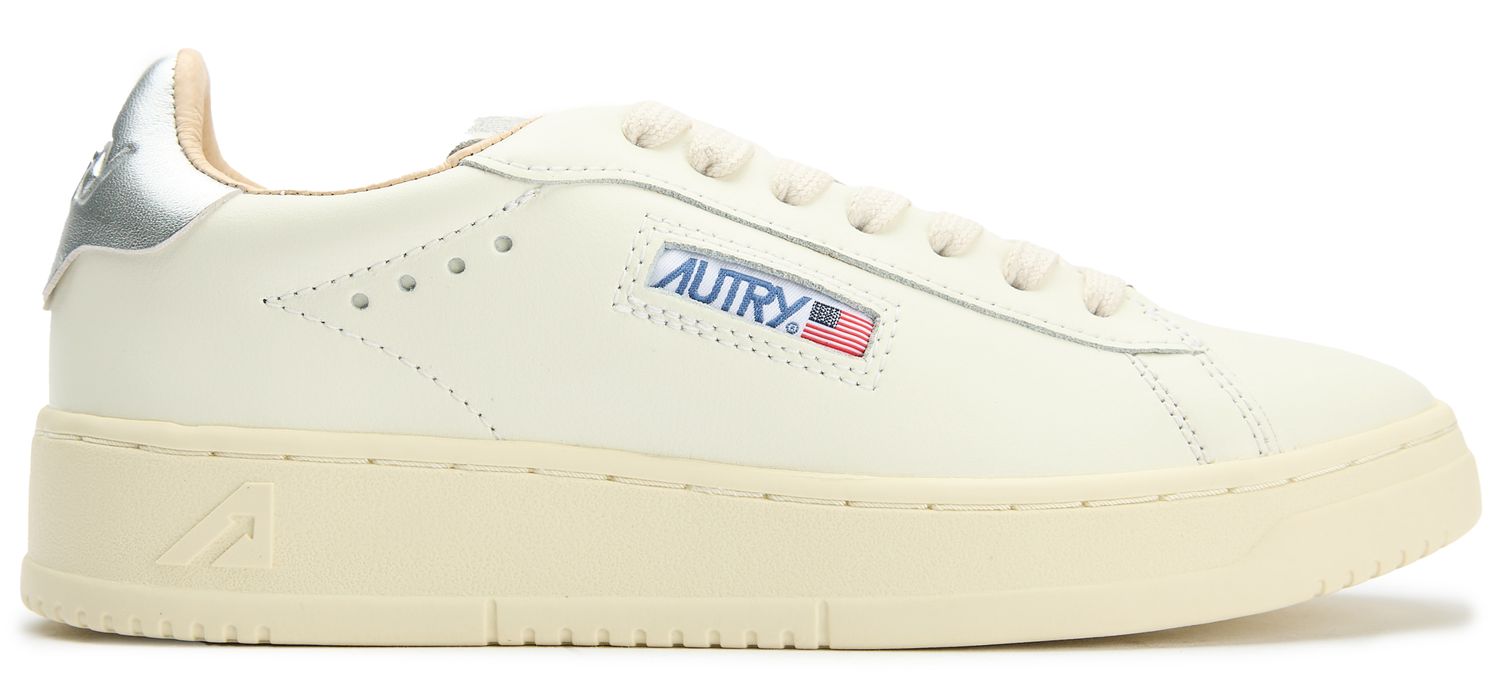
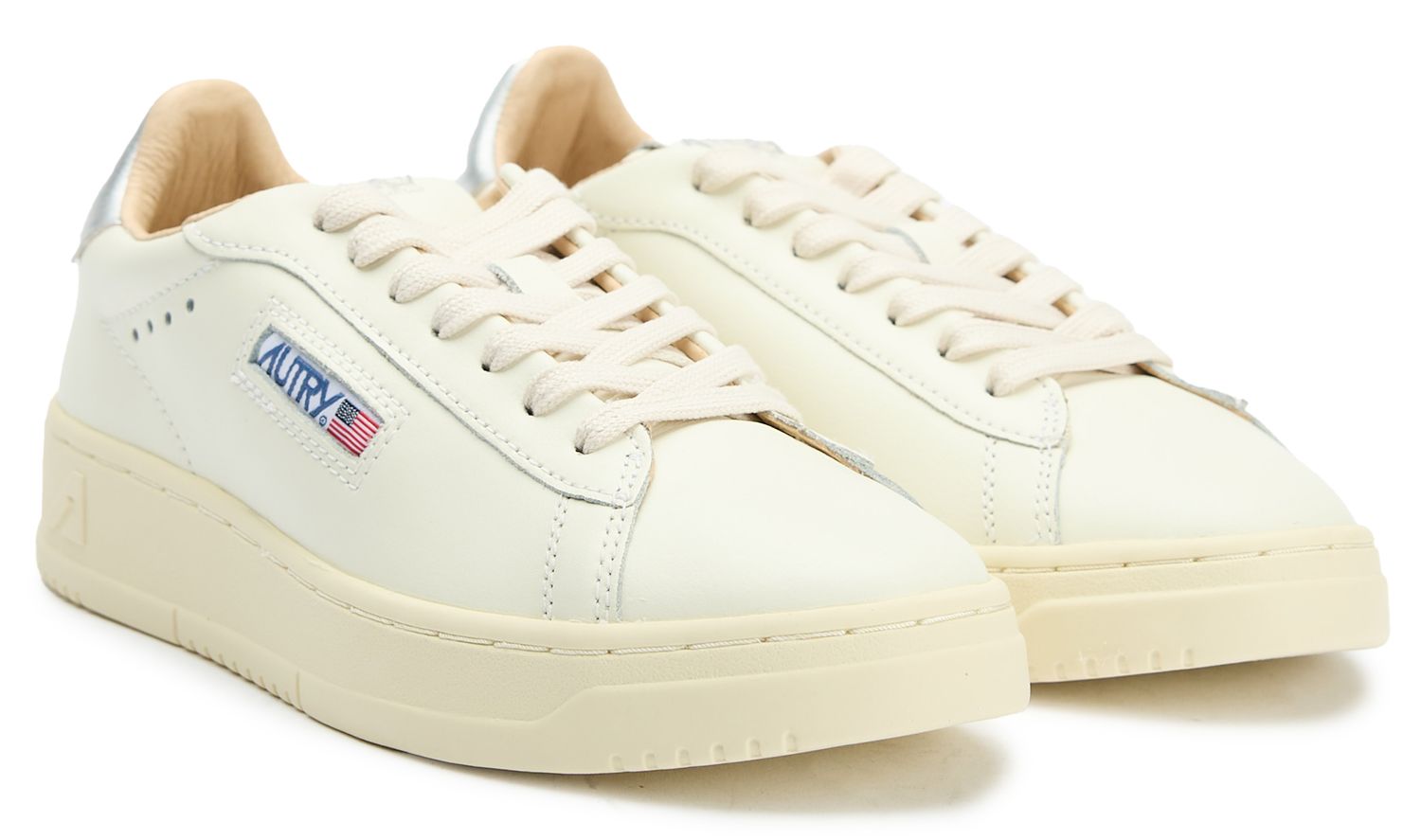
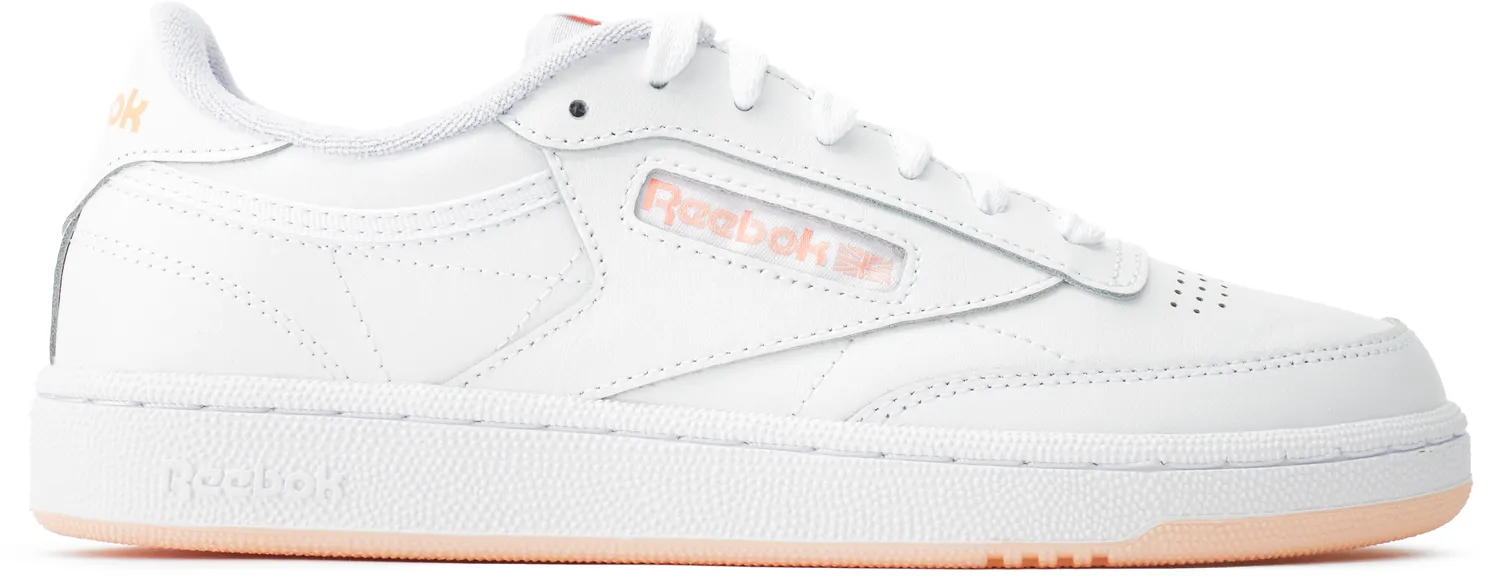
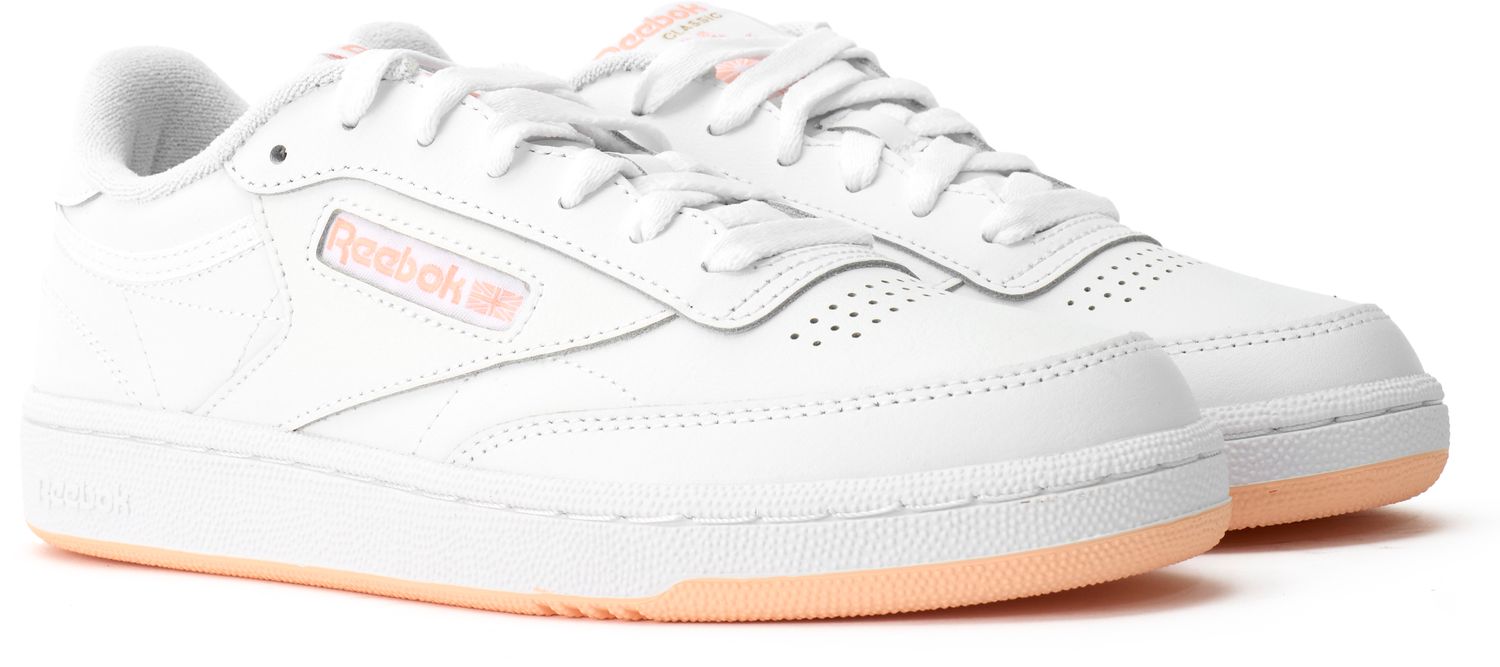
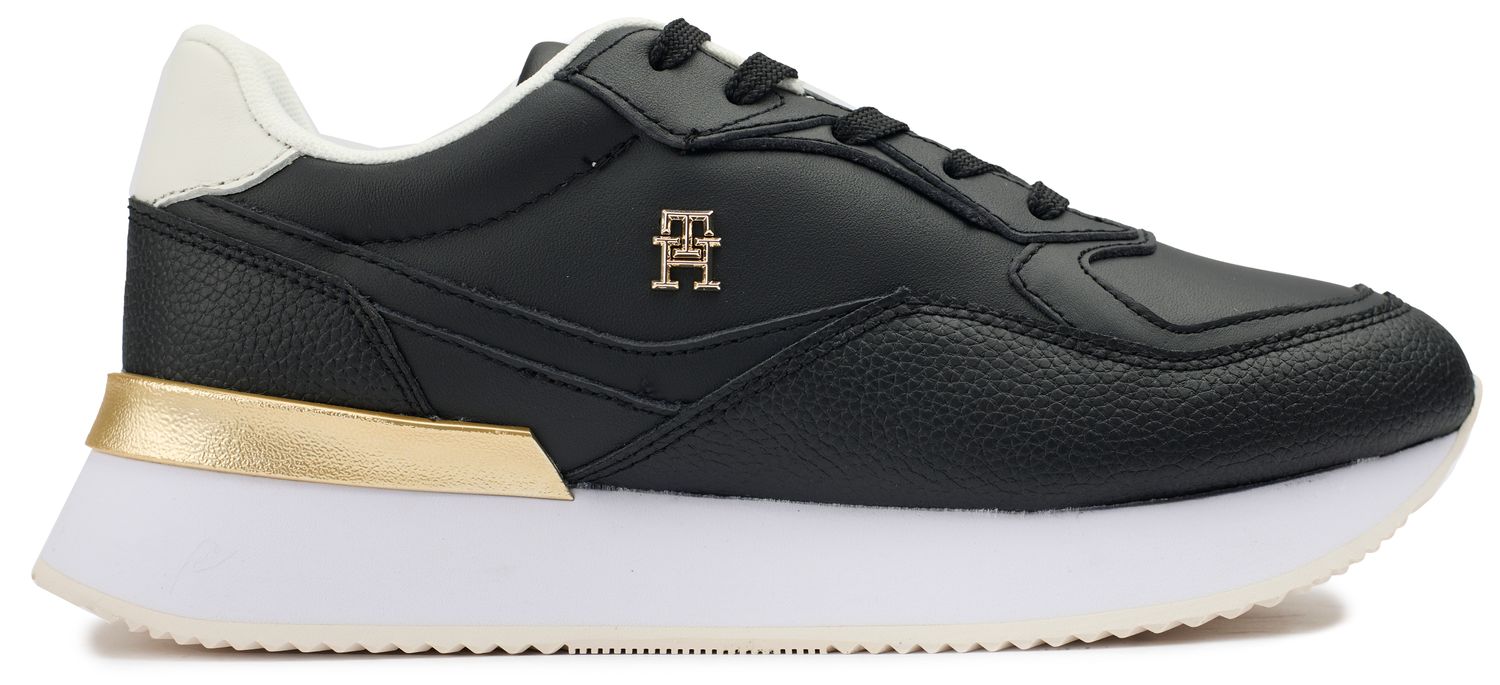
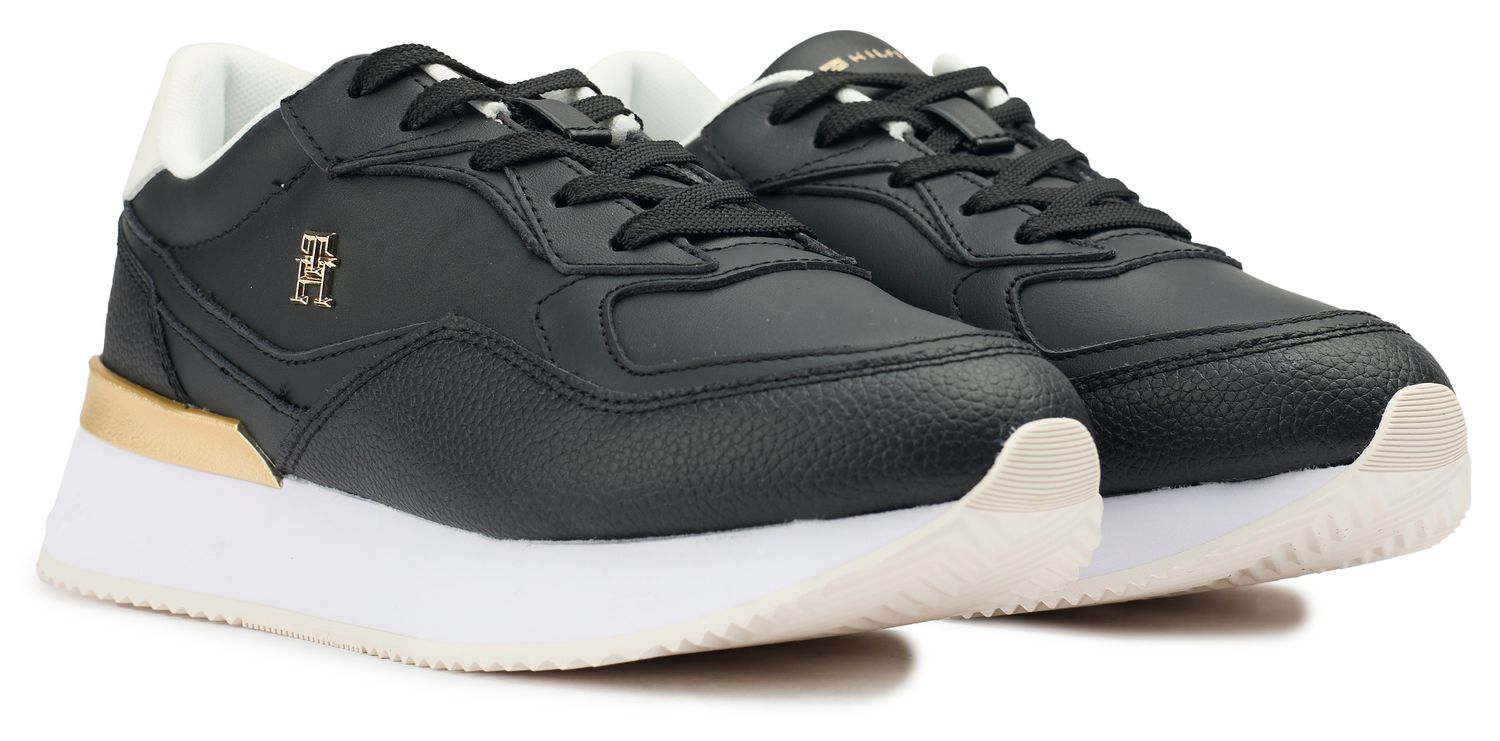
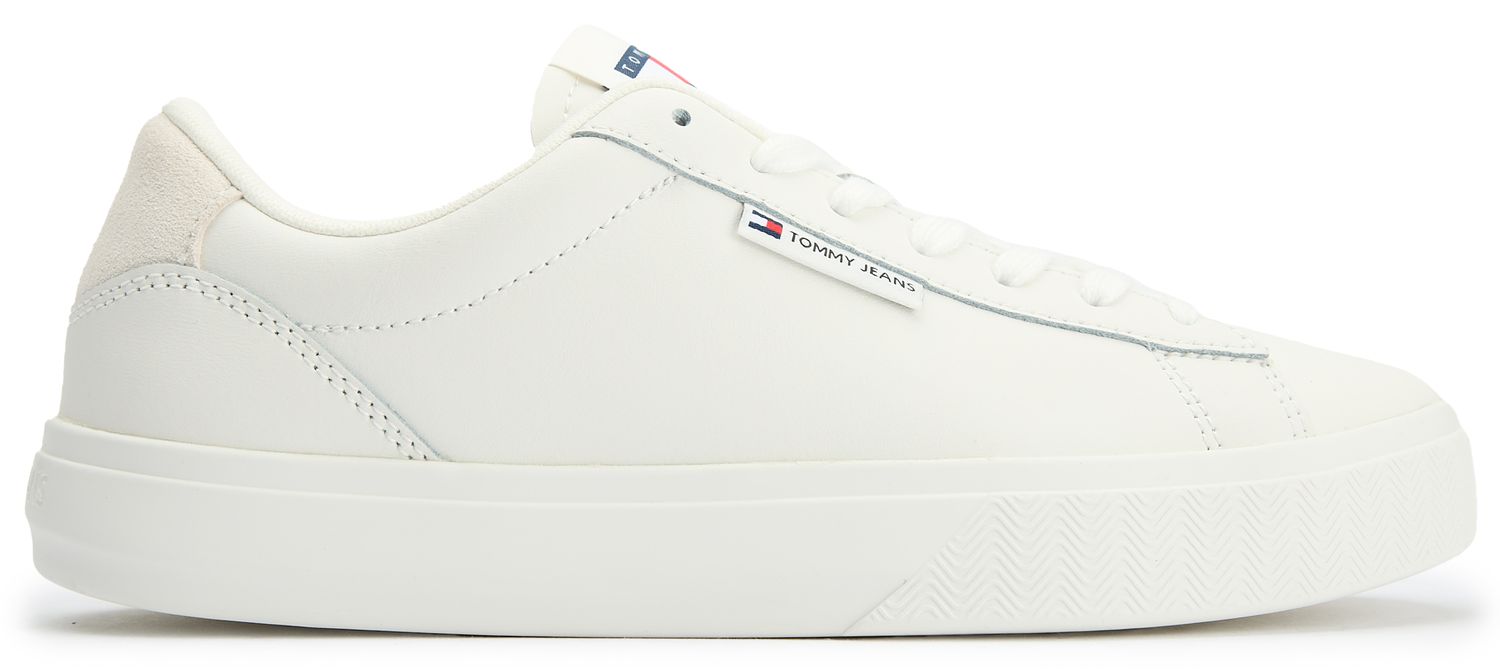
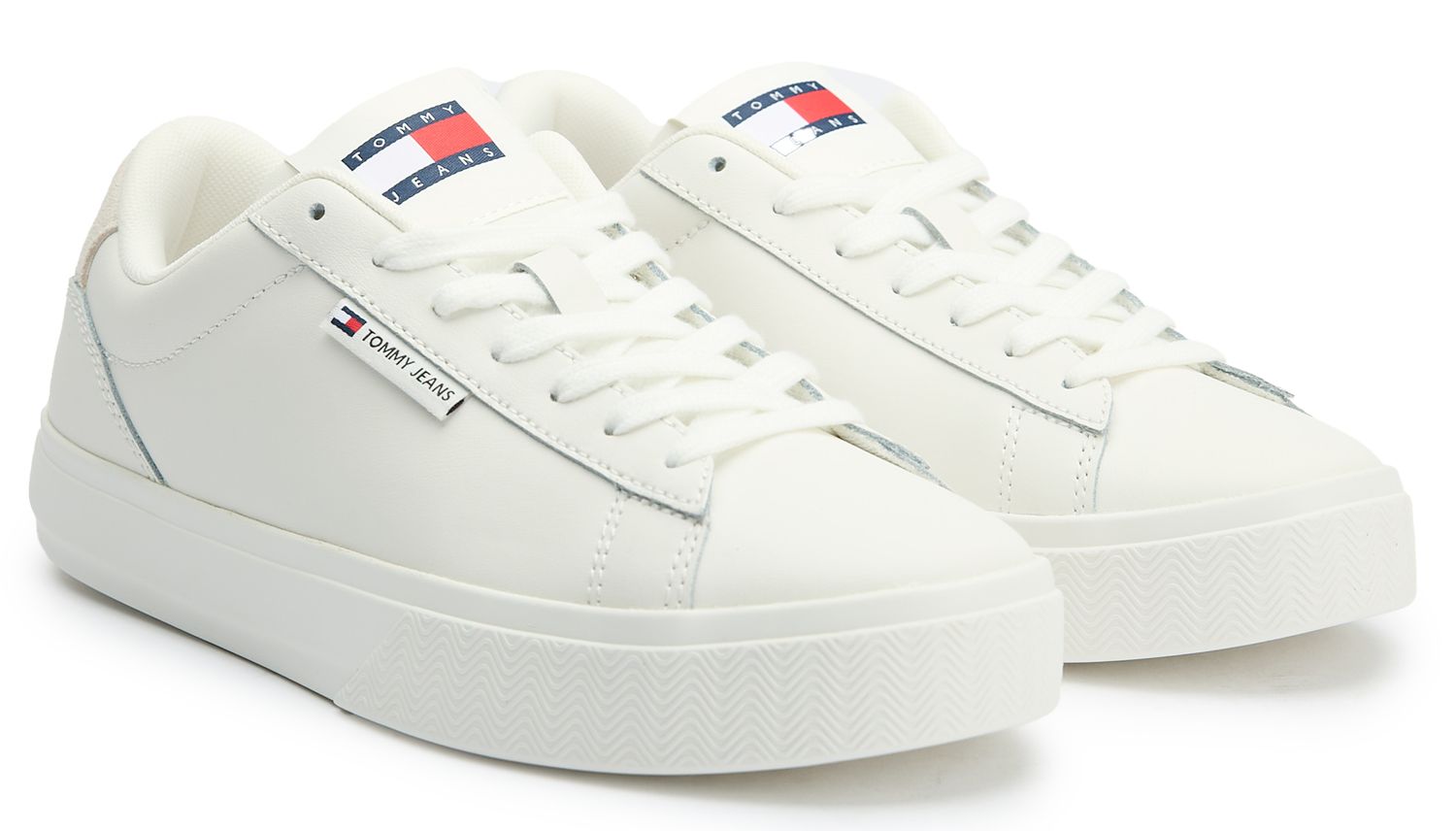
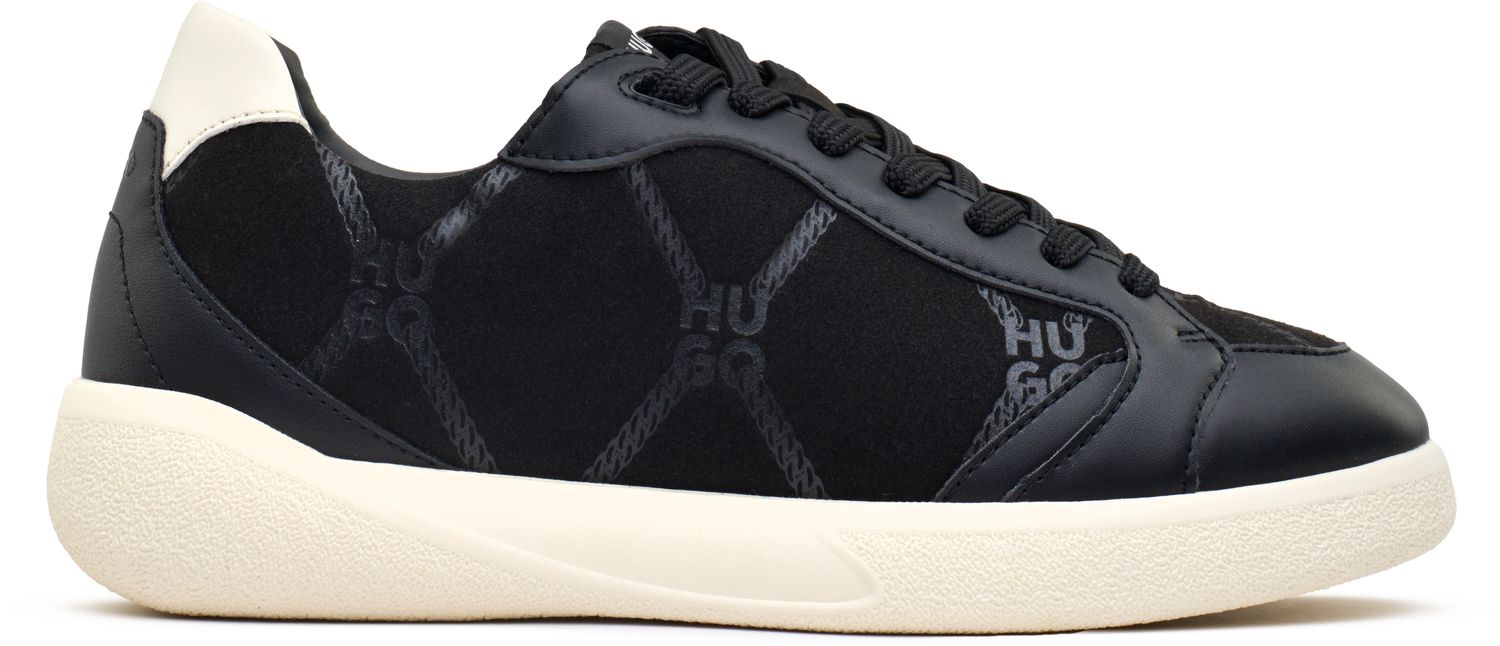
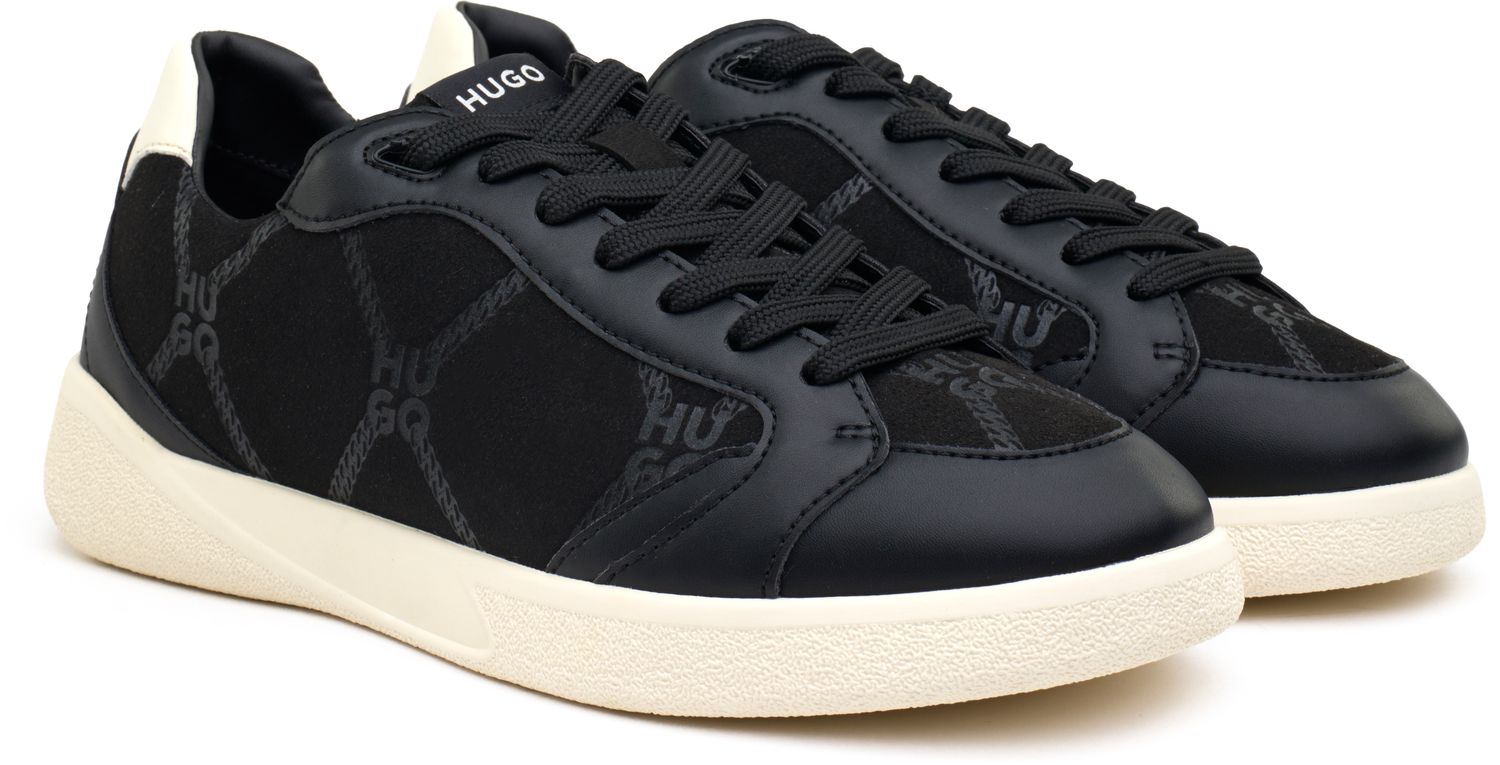
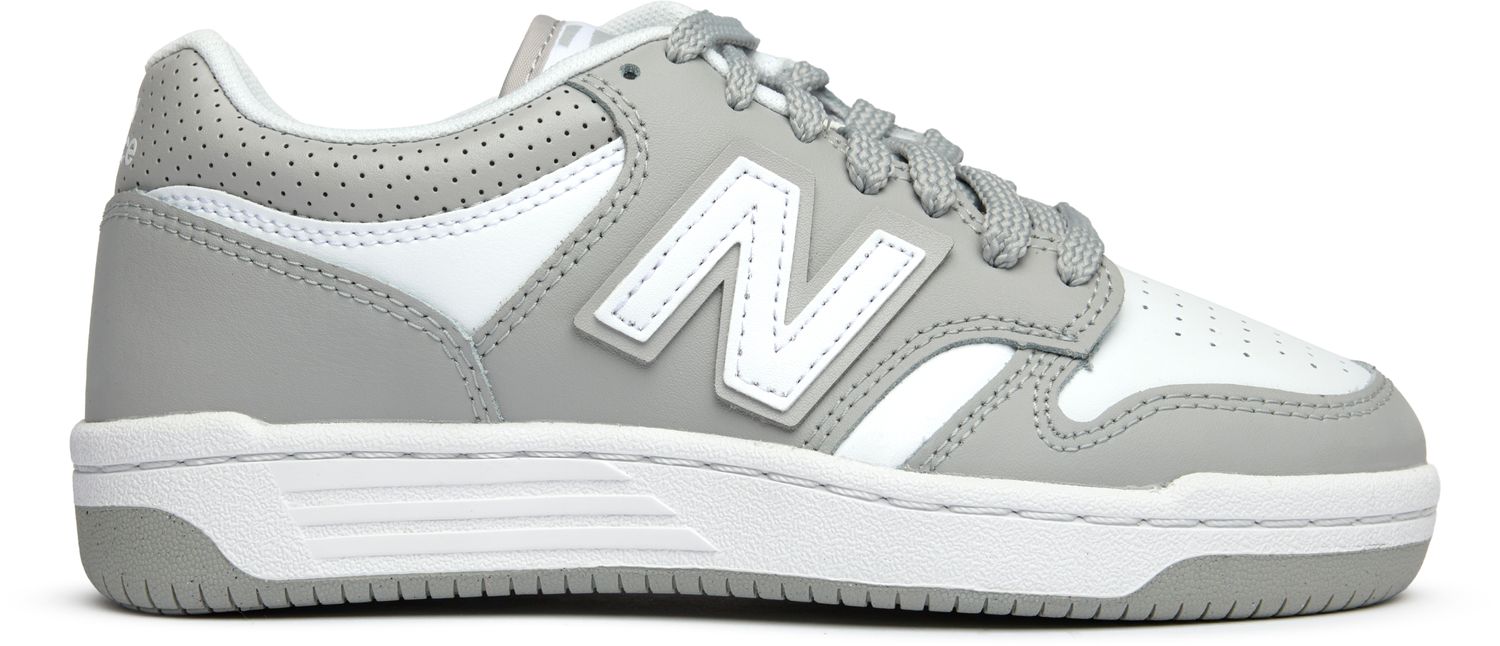
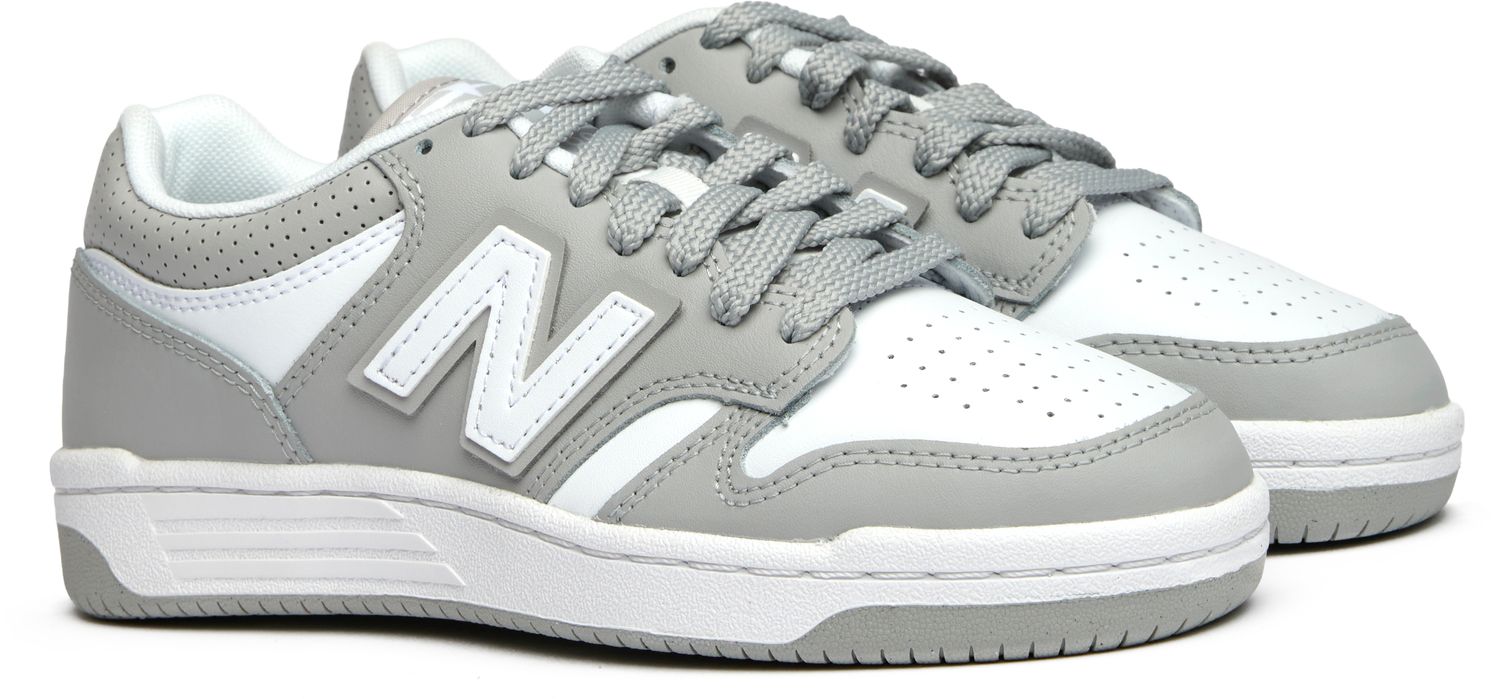
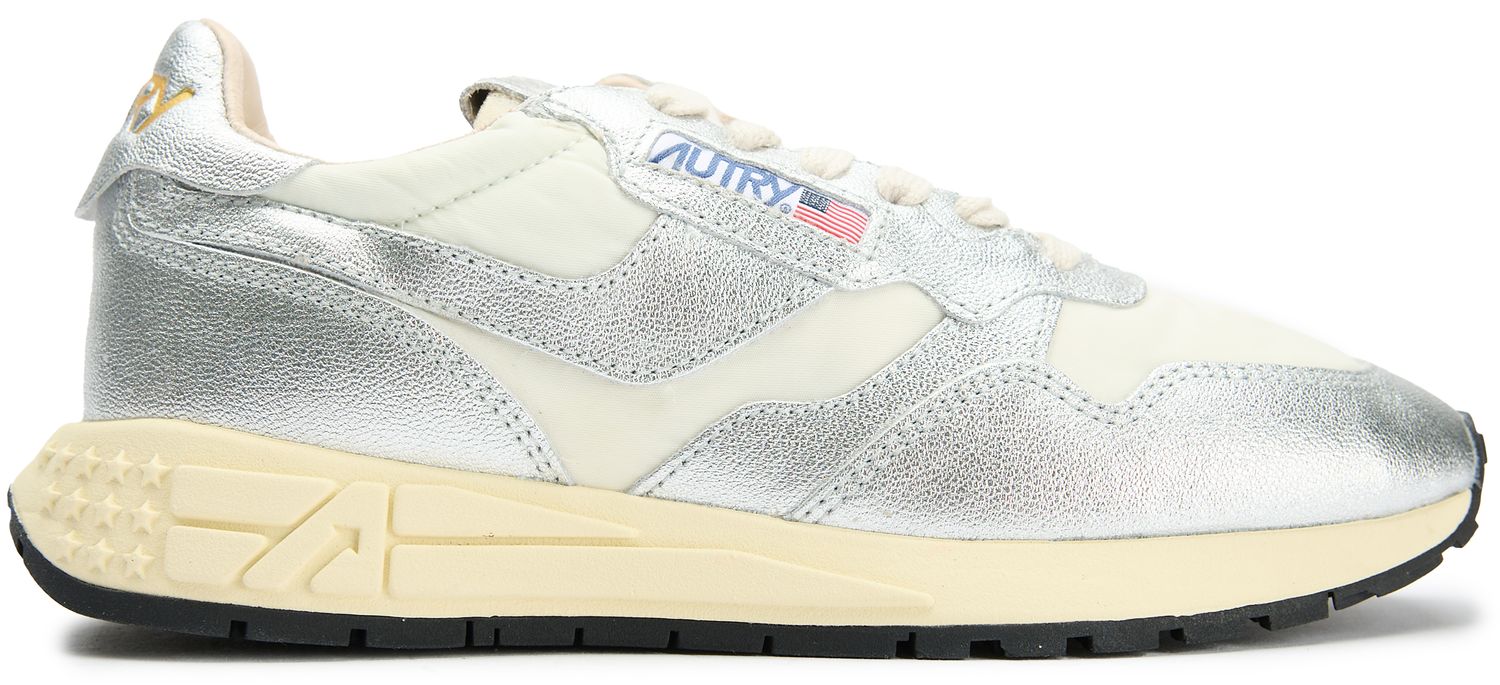
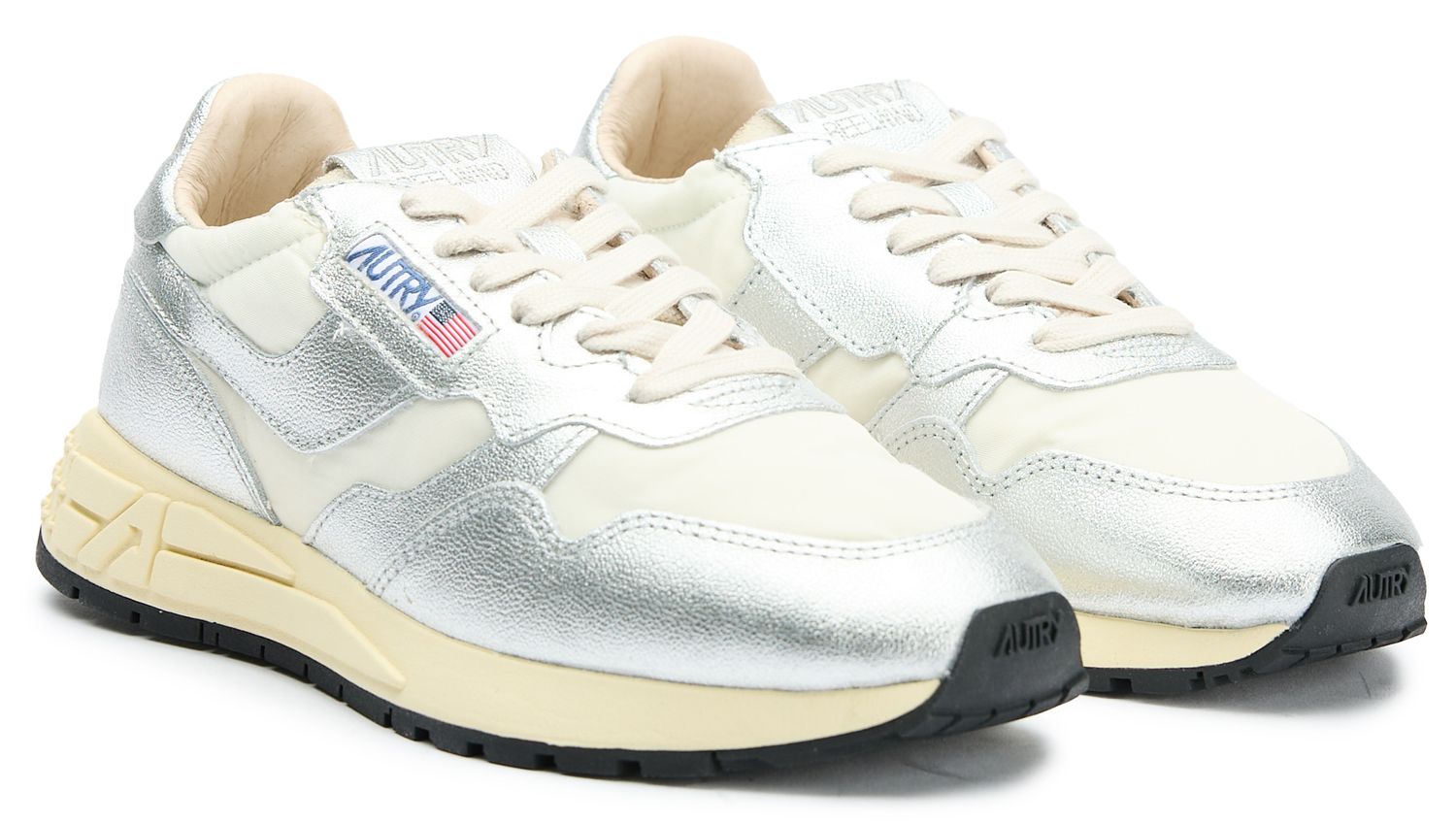
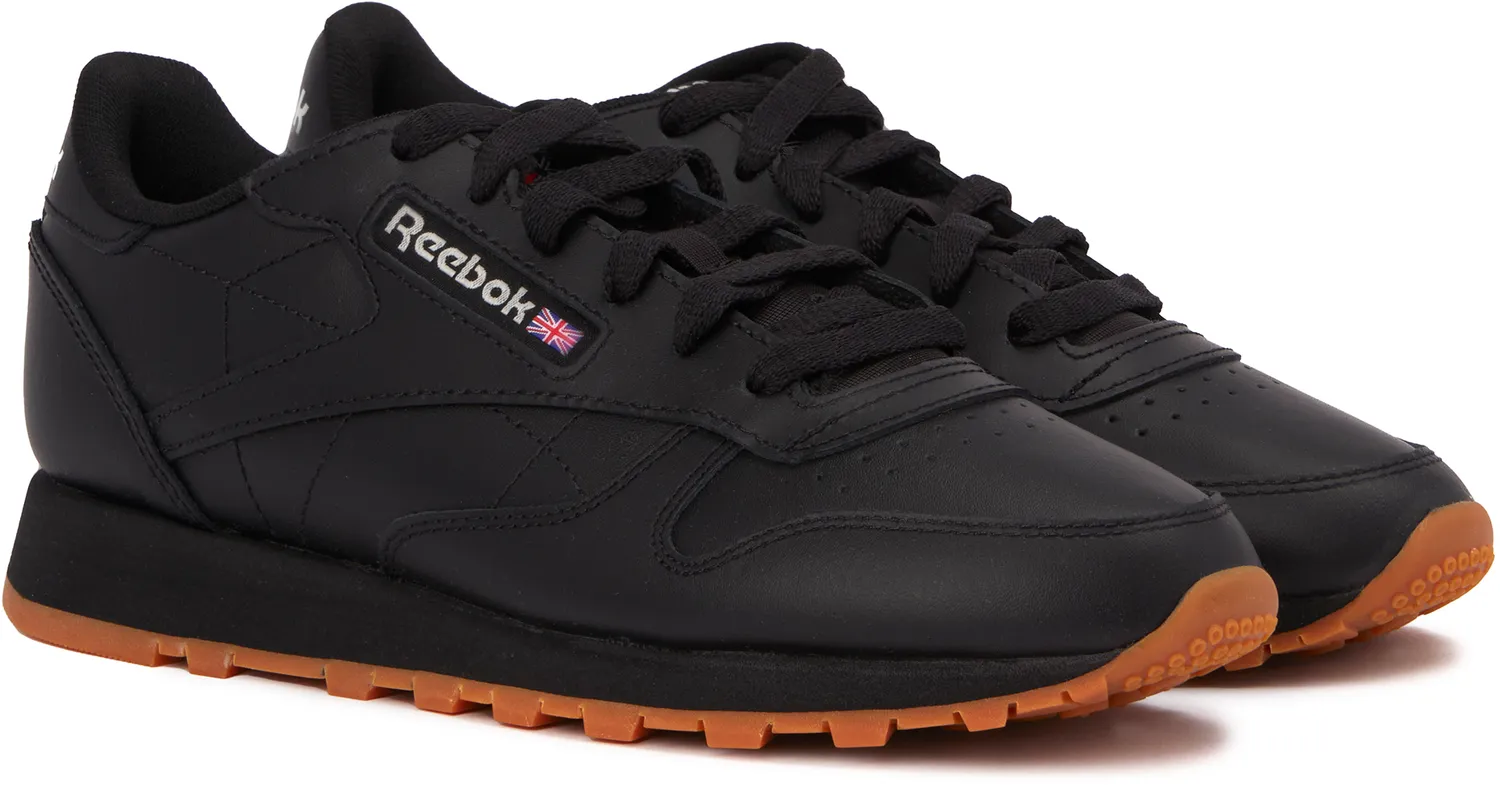
Women's Leather Sneakers
Women's Leather Trainers FAQs
Understanding leather trainers helps you choose quality pairs and maintain them properly. Whether you're wondering about care, styling, or value, we've answered the common questions.
Why choose leather over canvas trainers?
Leather trainers offer greater durability, weather resistance, and ageing characteristics compared to canvas alternatives. Quality leather stands up well to daily wear, whilst canvas tends to show wear much faster. Leather provides better structure and support, maintaining its shape even after extensive use. It handles moisture better and offers a more polished appearance suitable for smart-casual settings where canvas feels too informal.
How do I break in leather trainers?
Leather trainers typically require minimal breaking-in, softening naturally within a few wears. Start by wearing them for short periods around the house before committing to full days. Thick socks cushion pressure points if the leather feels stiff. Apply leather conditioner before first wear to soften the material slightly. Quality leather moulds to your foot shape gradually without causing significant discomfort.
Can leather trainers get wet?
Leather trainers handle light rain reasonably well when properly treated with waterproof spray. Apply protector before first wear and reapply every few weeks for the best protection. Wipe wet trainers immediately with a dry cloth and stuff with newspaper to absorb internal moisture. Air dry away from direct heat sources, which can crack leather. Avoid wearing leather trainers in heavy downpours, as excessive water can cause lasting damage. For truly wet conditions, switch to wellies or other waterproof footwear instead.
How do I clean white leather trainers?
Clean white leather trainers regularly to prevent dirt from setting permanently. Use a soft cloth dampened with mild soap solution, working gently across the surface. Magic erasers remove scuffs from rubber toe caps effectively. For stubborn marks, specialist leather cleaners work better than household products. Apply leather conditioner after cleaning to maintain suppleness. Remove laces before cleaning to reach tongue areas properly. Consider a protective spray to help guard against future staining, and store them in dust bags when you're not wearing them.
Do leather trainers work for exercise?
Leather trainers handle walking, light gym sessions, and general fitness adequately, though dedicated performance footwear offers better technical features for serious training. Leather provides less breathability than modern mesh constructions, potentially causing overheating during intense cardio. However, leather offers good lateral support and durability for strength training and everyday movement. For hiking and outdoor adventures, proper outdoor boots provide better ankle protection and grip on varied terrain.
Are expensive leather trainers worth the investment?
Premium leather trainers can justify higher costs through better materials, construction quality, and longevity. Expensive pairs typically use full-grain leather that develops a beautiful patina rather than deteriorating. Better stitching helps soles stay attached through years of wear. Quality brands often offer replaceable insoles and better arch support. Cheaper leather trainers may use corrected-grain leather that cracks sooner. Consider cost per wear rather than initial price: a quality pair that lasts can cost less over time than replacing budget options every year.