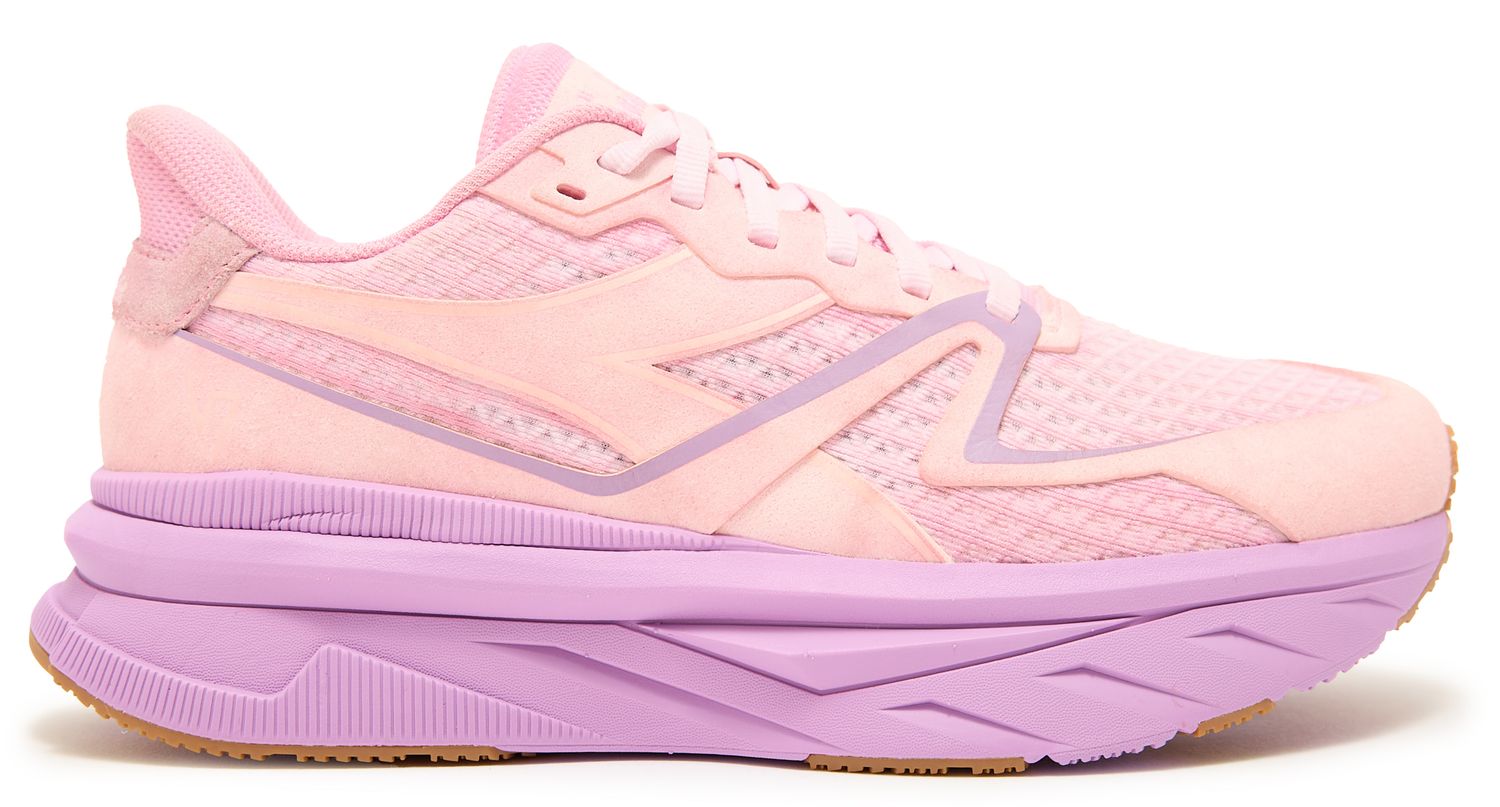
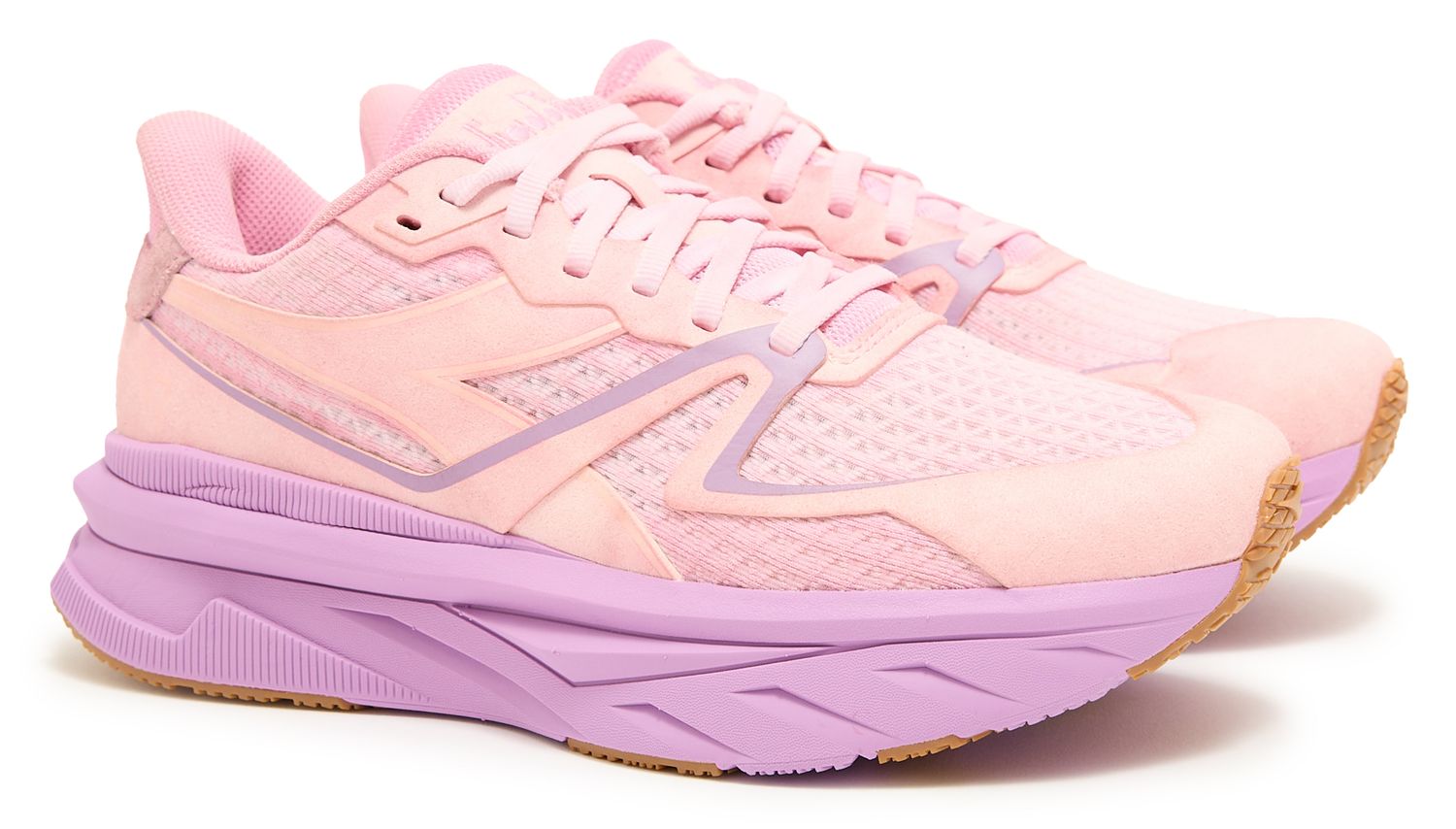
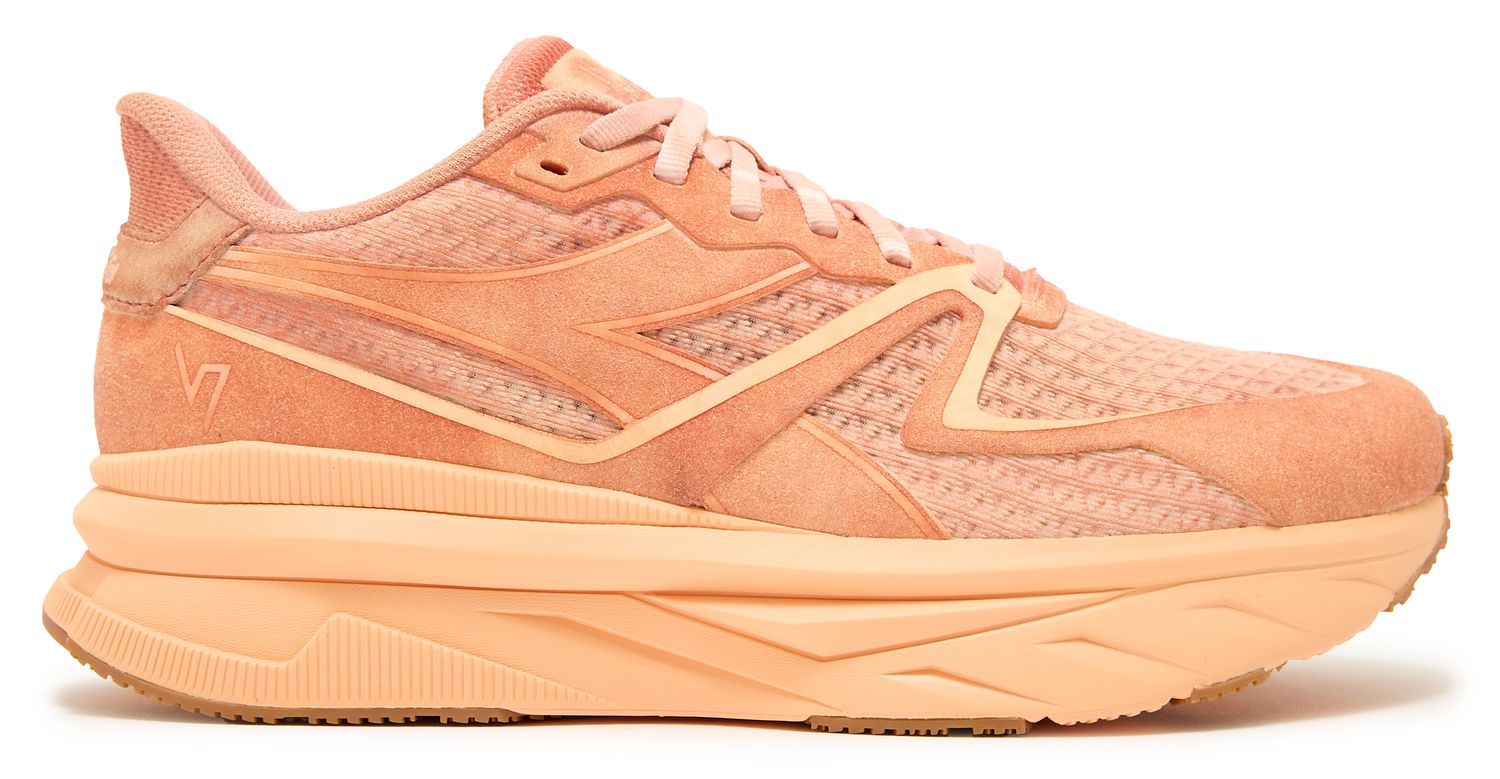
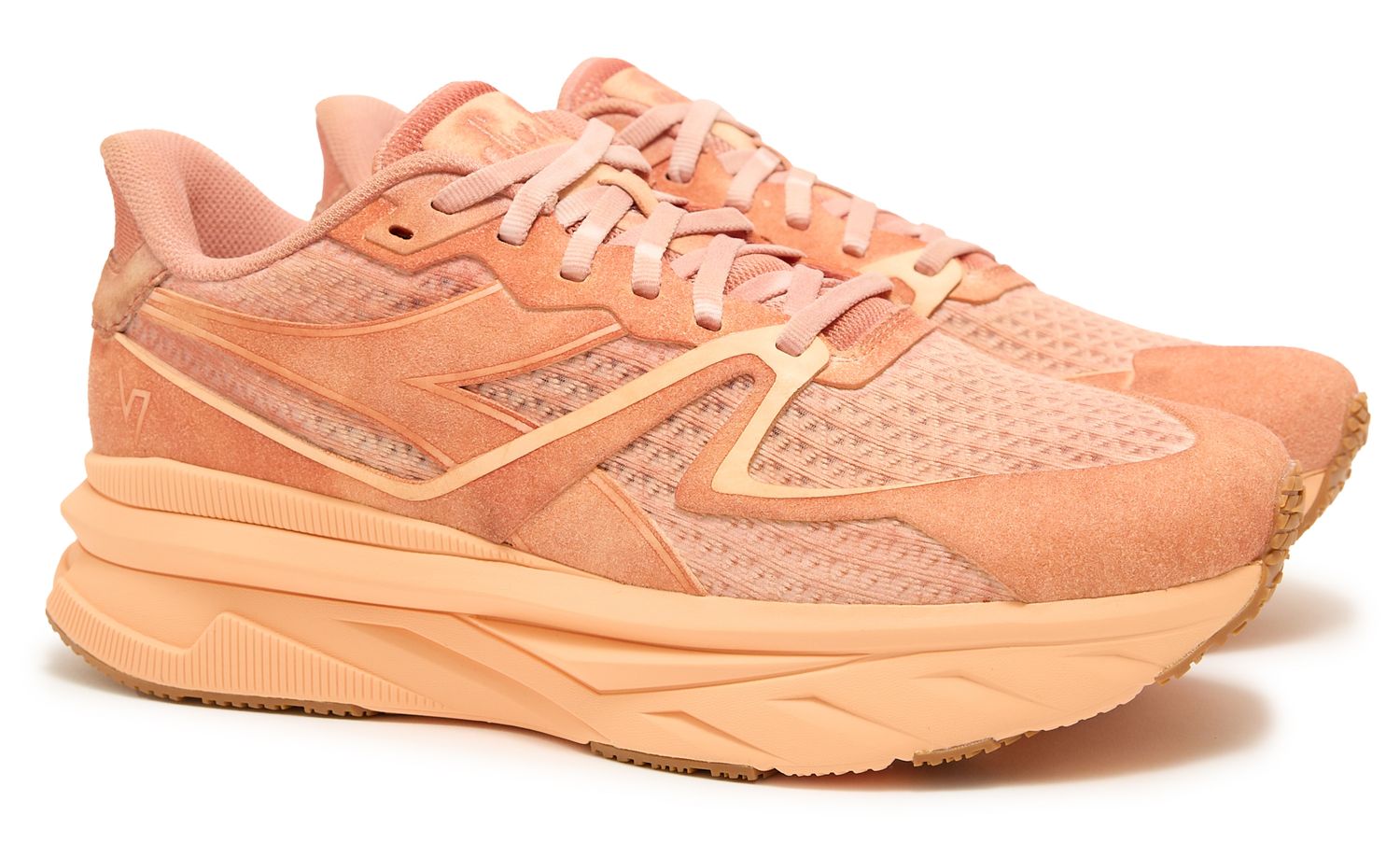
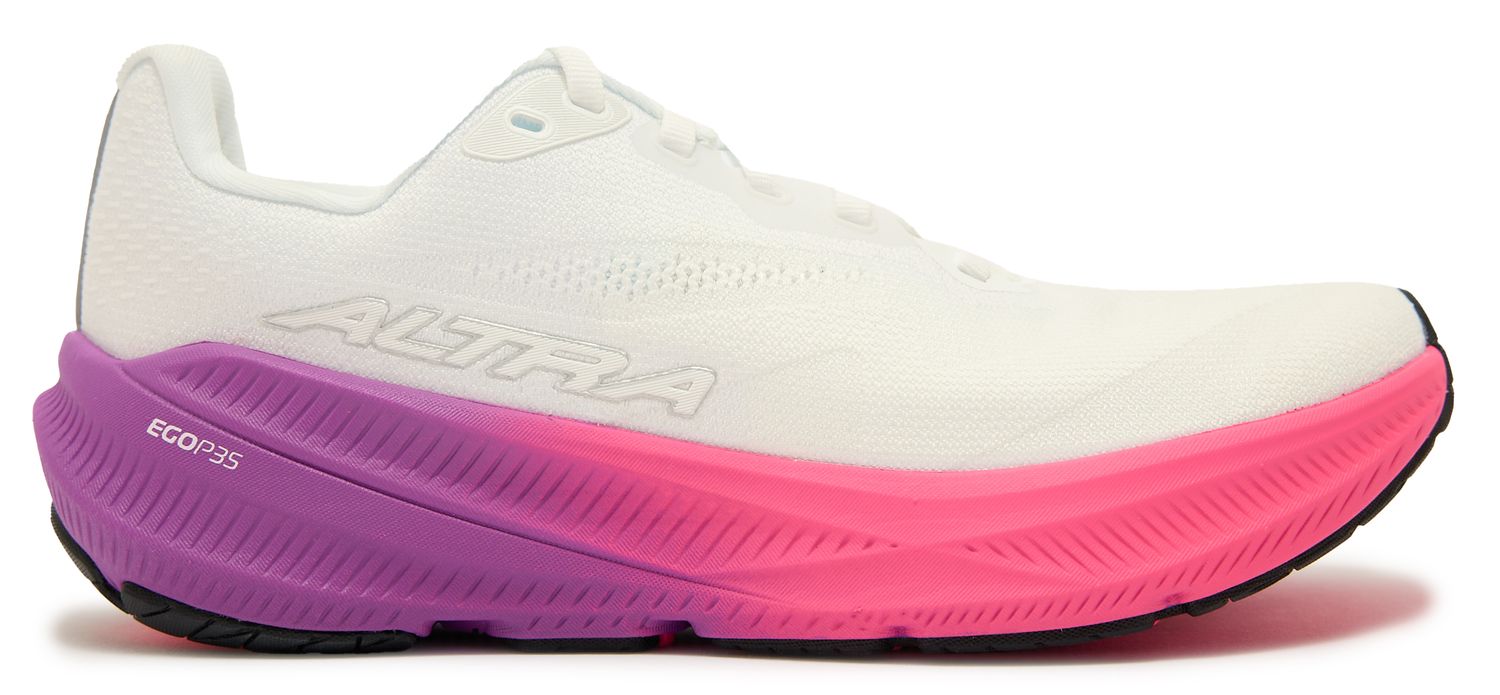
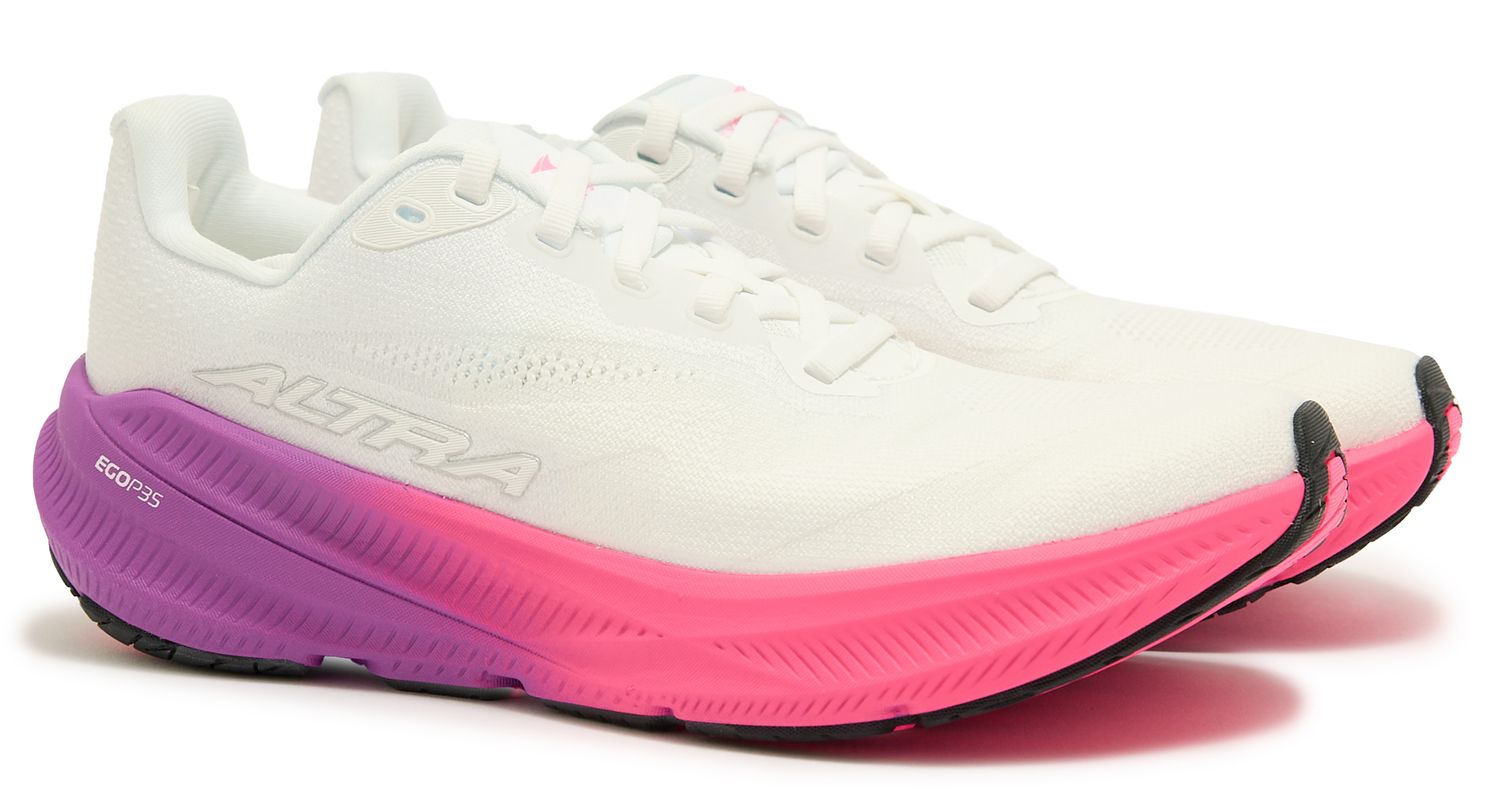
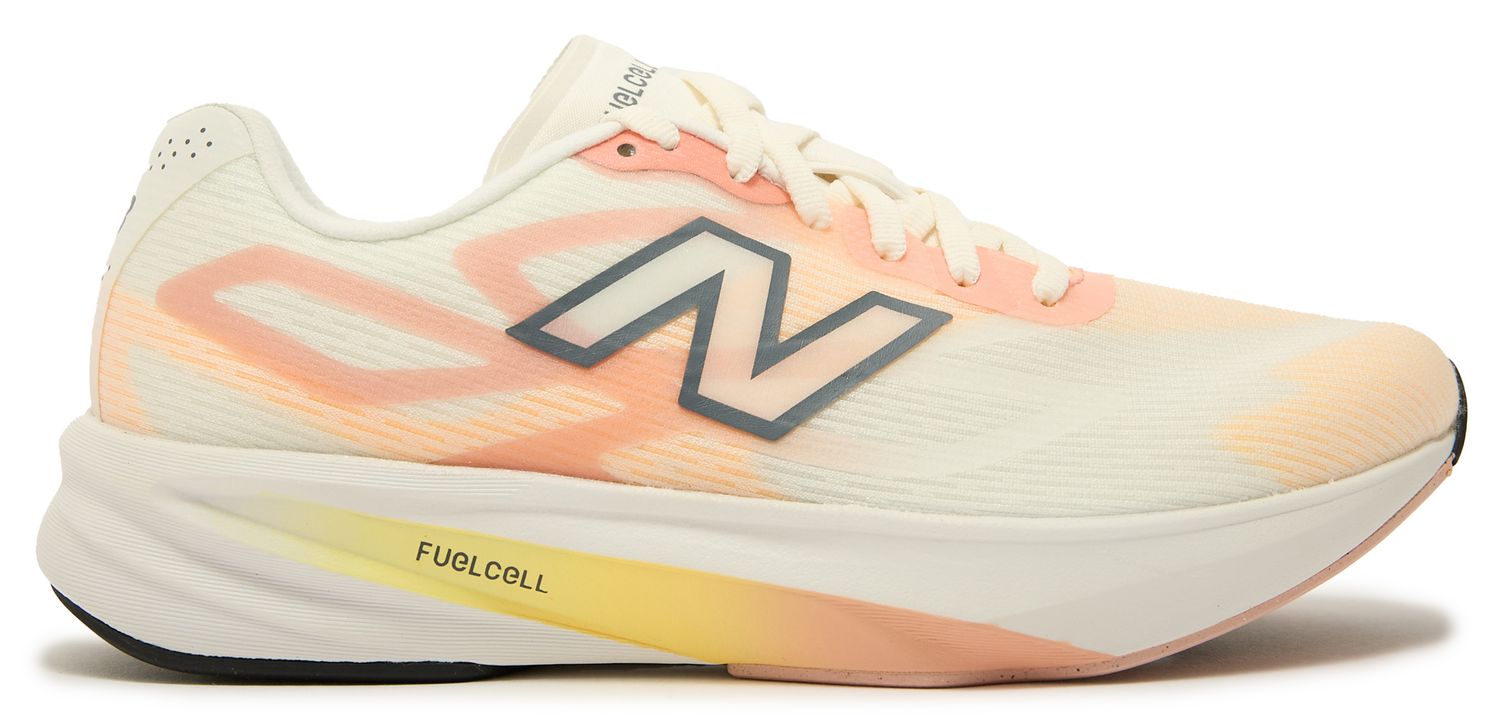
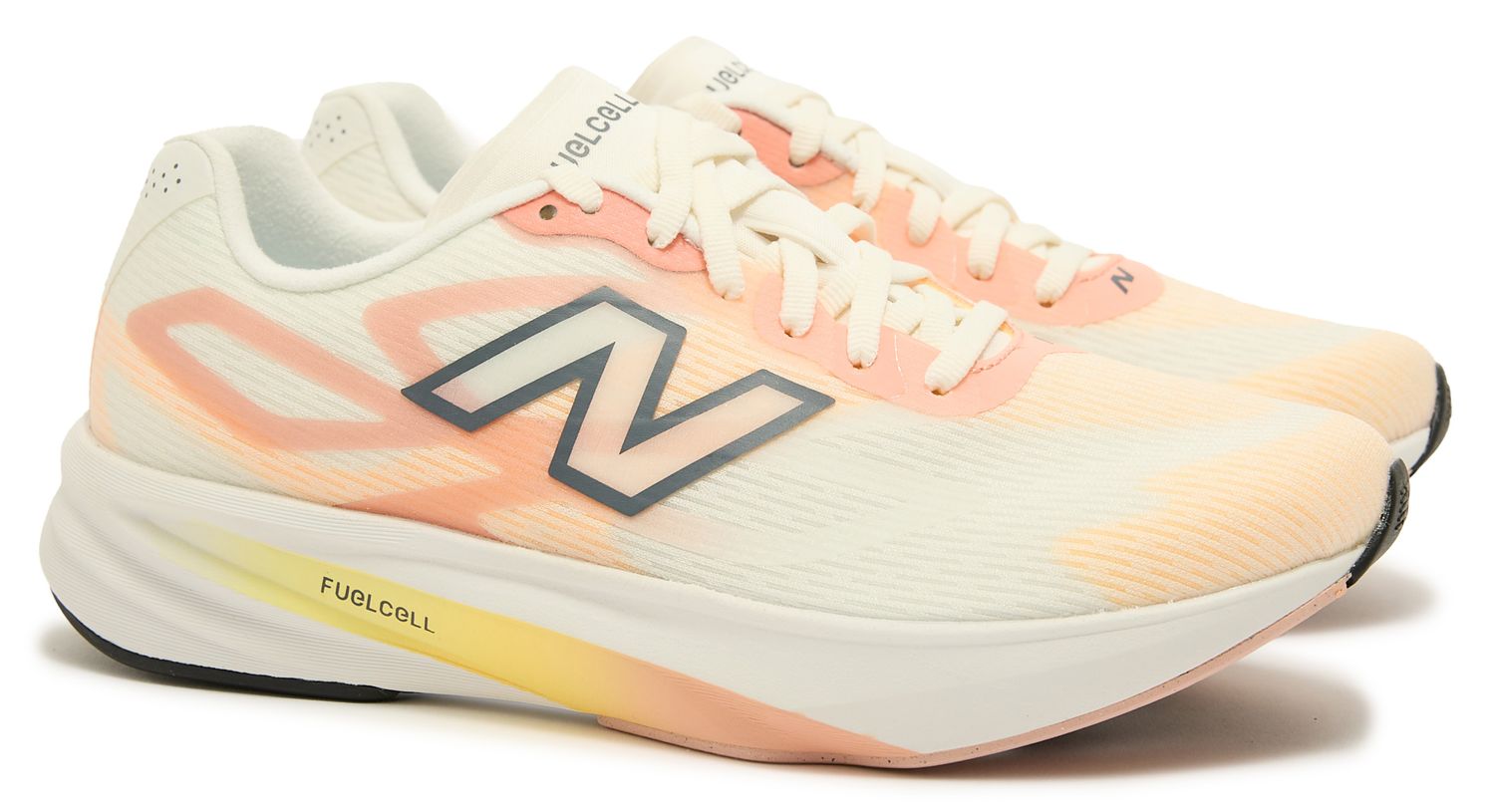
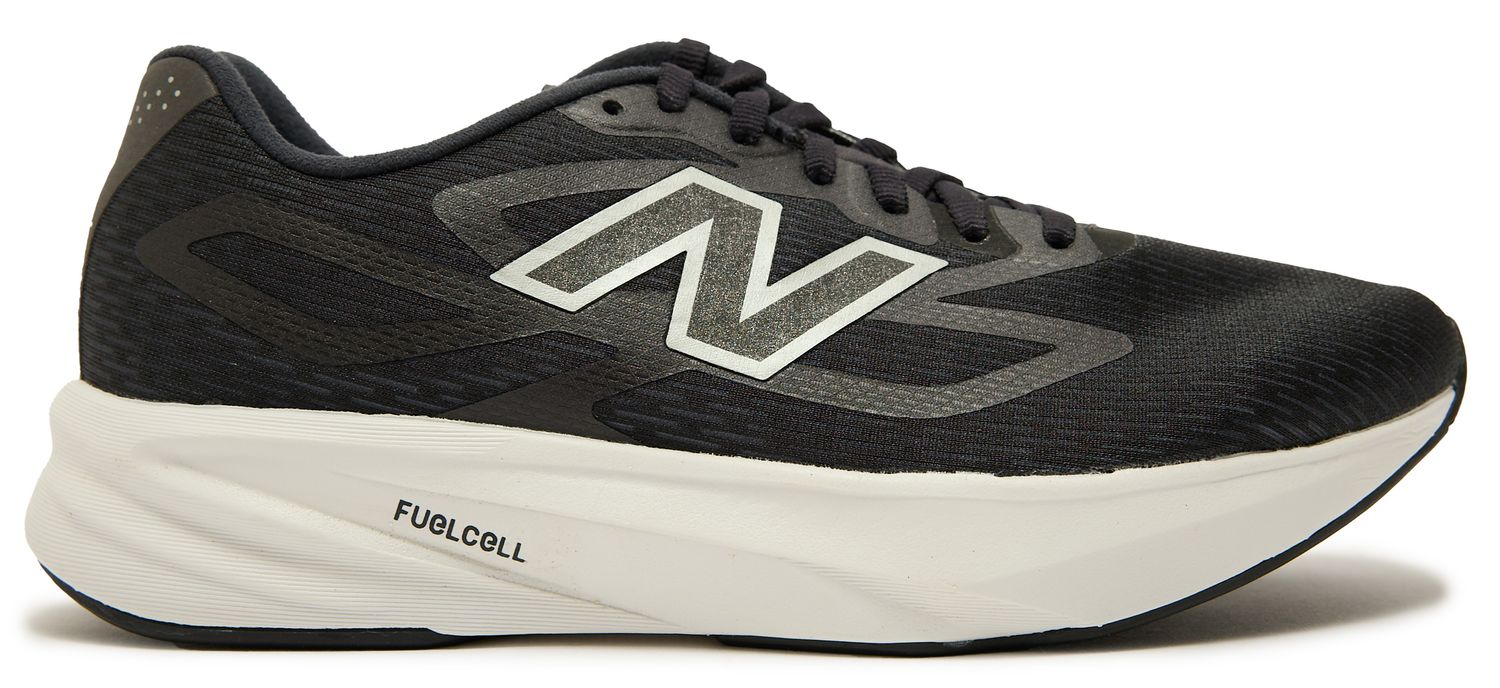
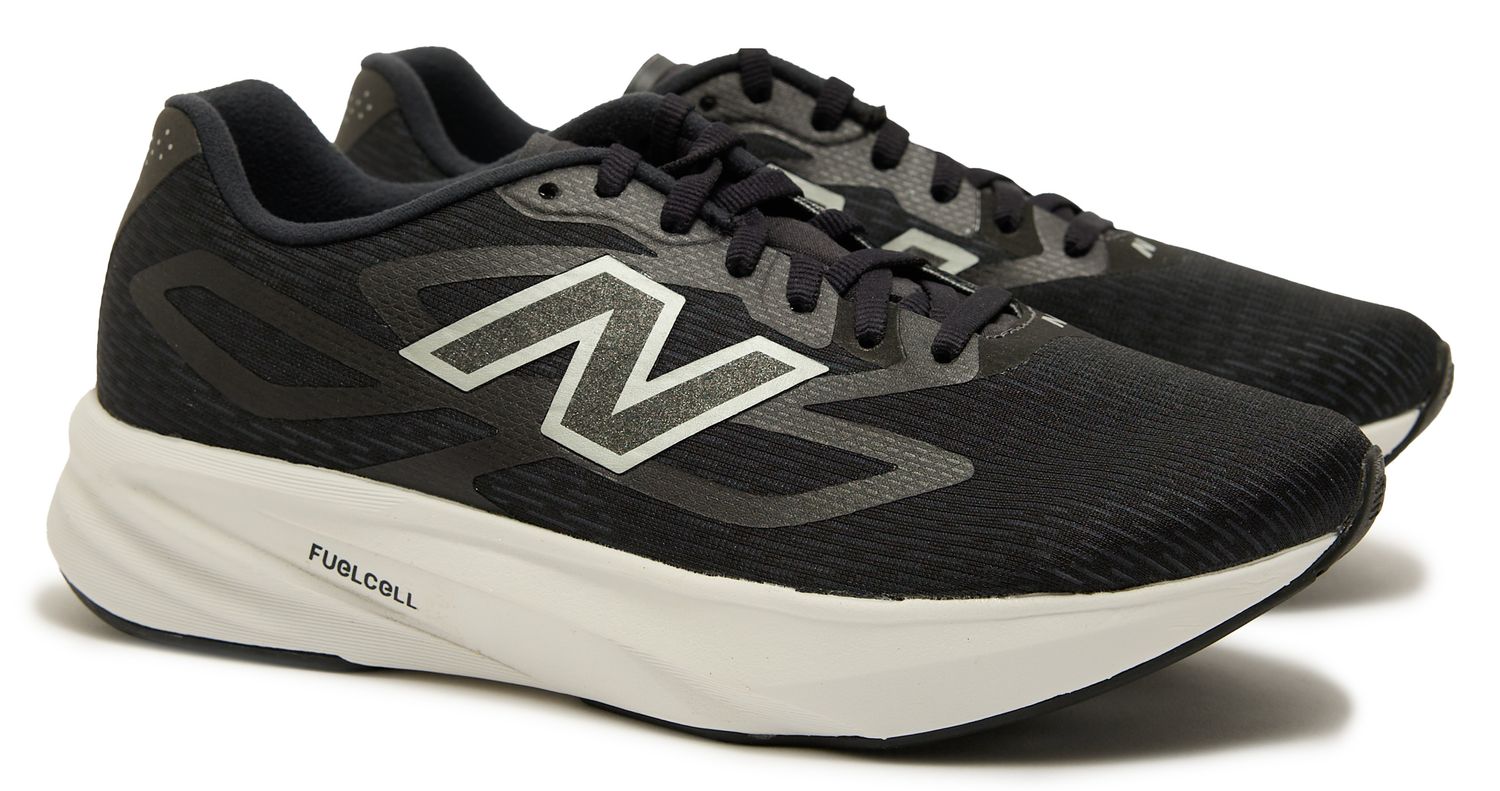
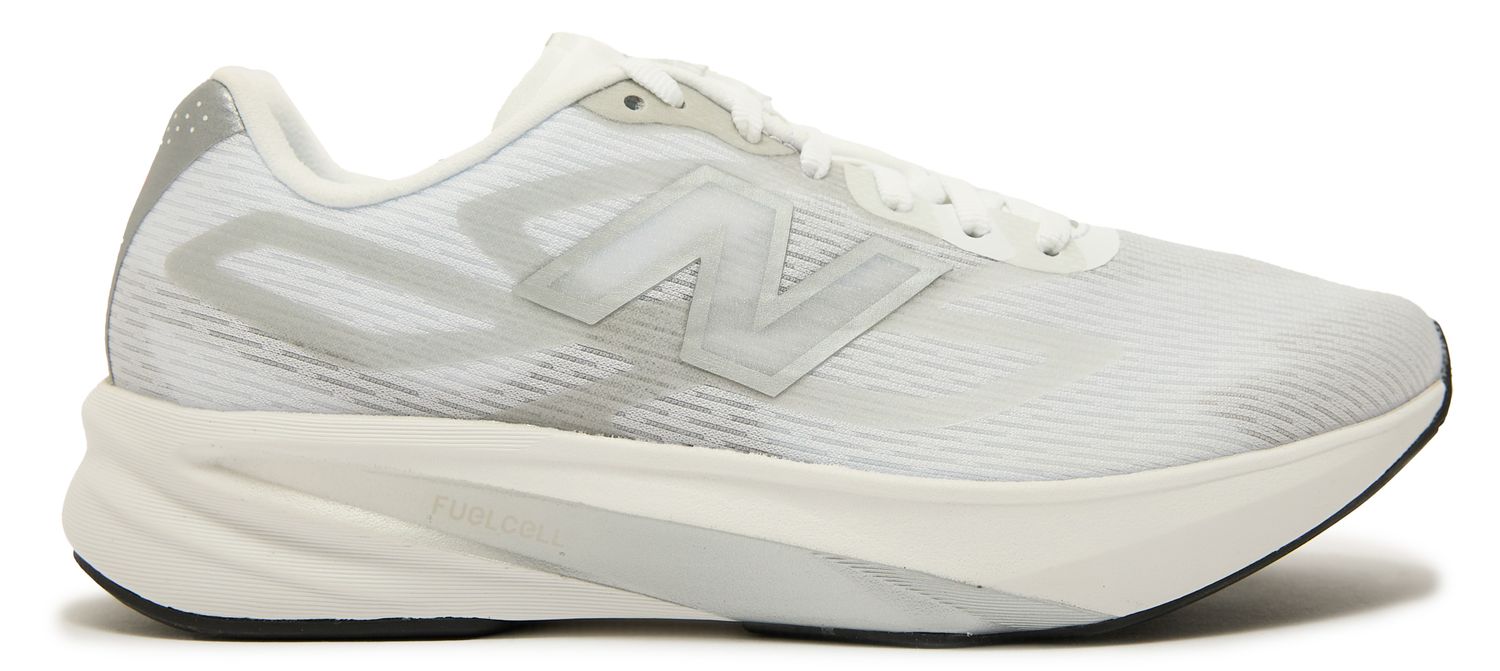
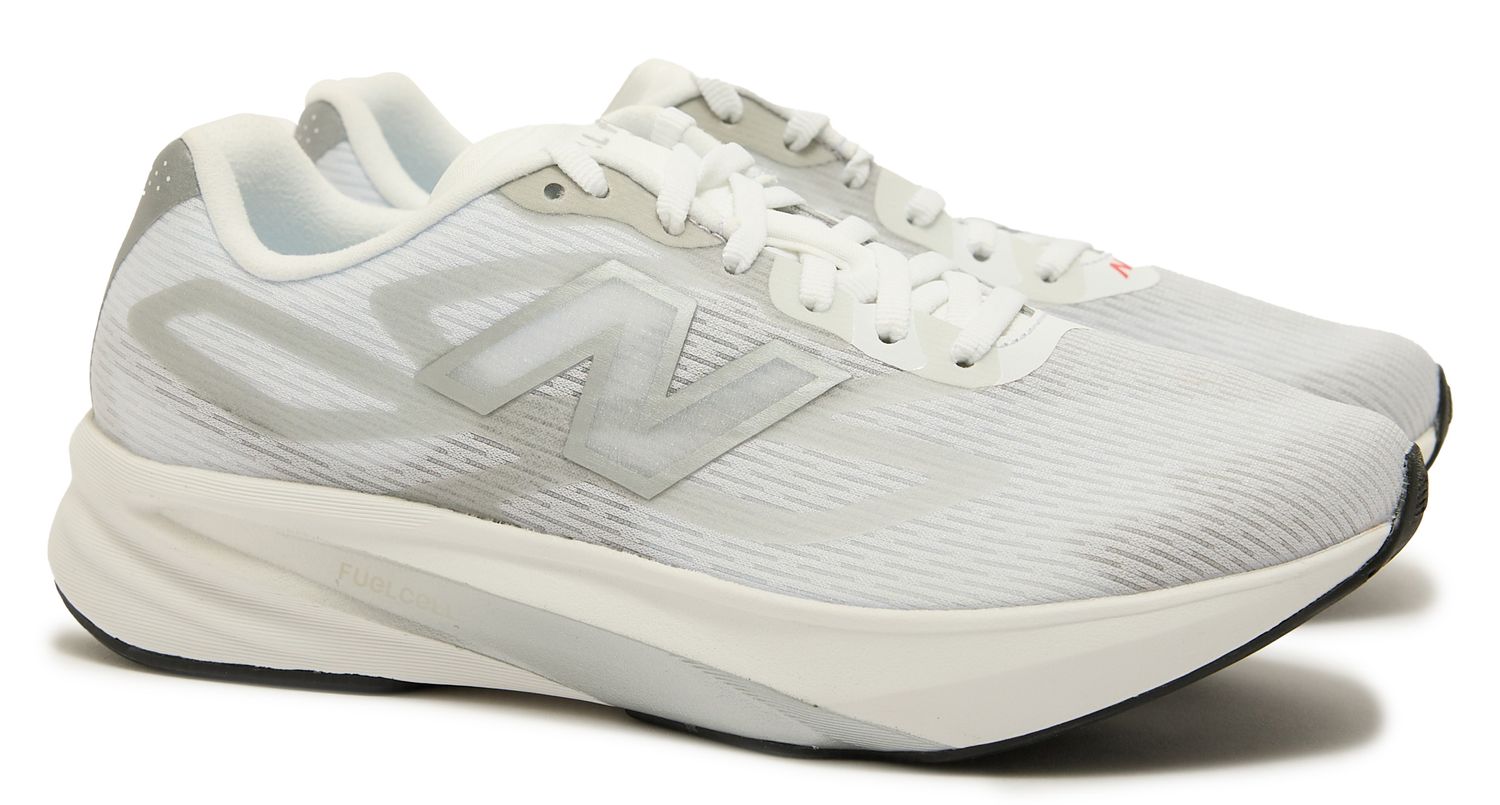
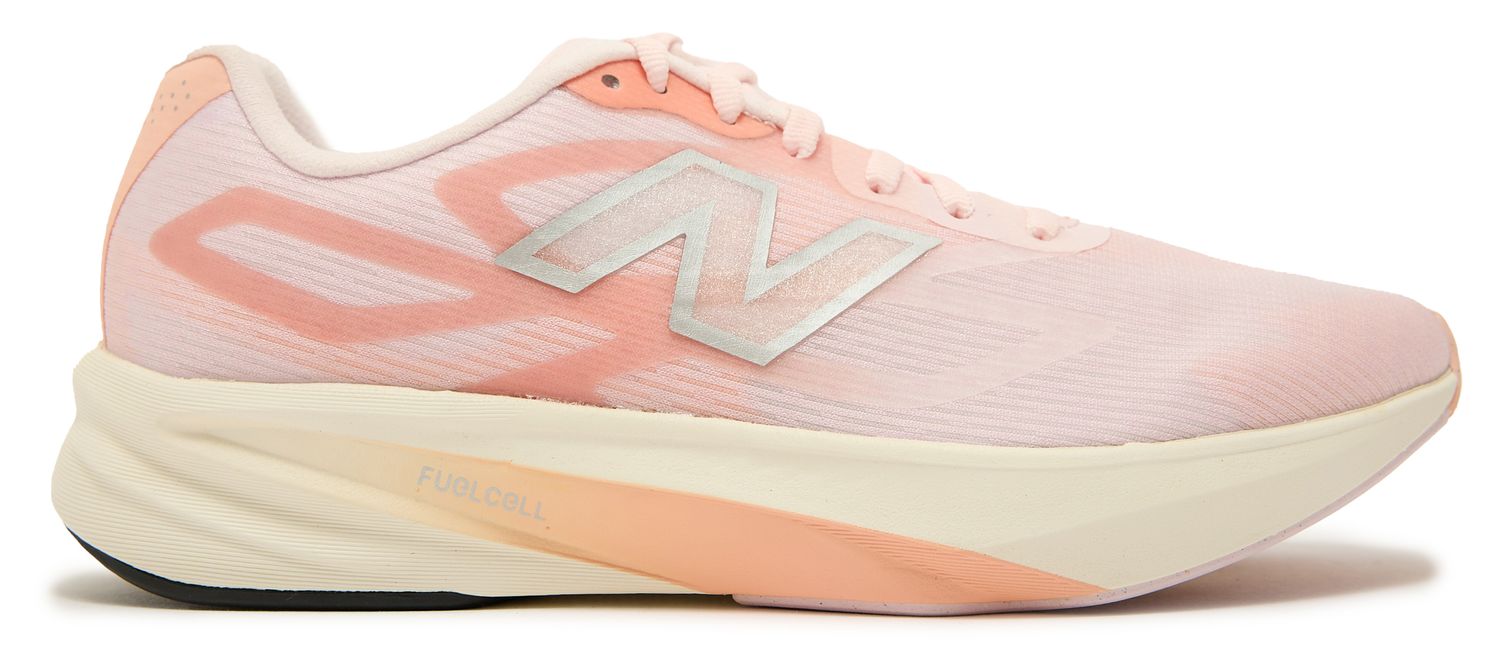
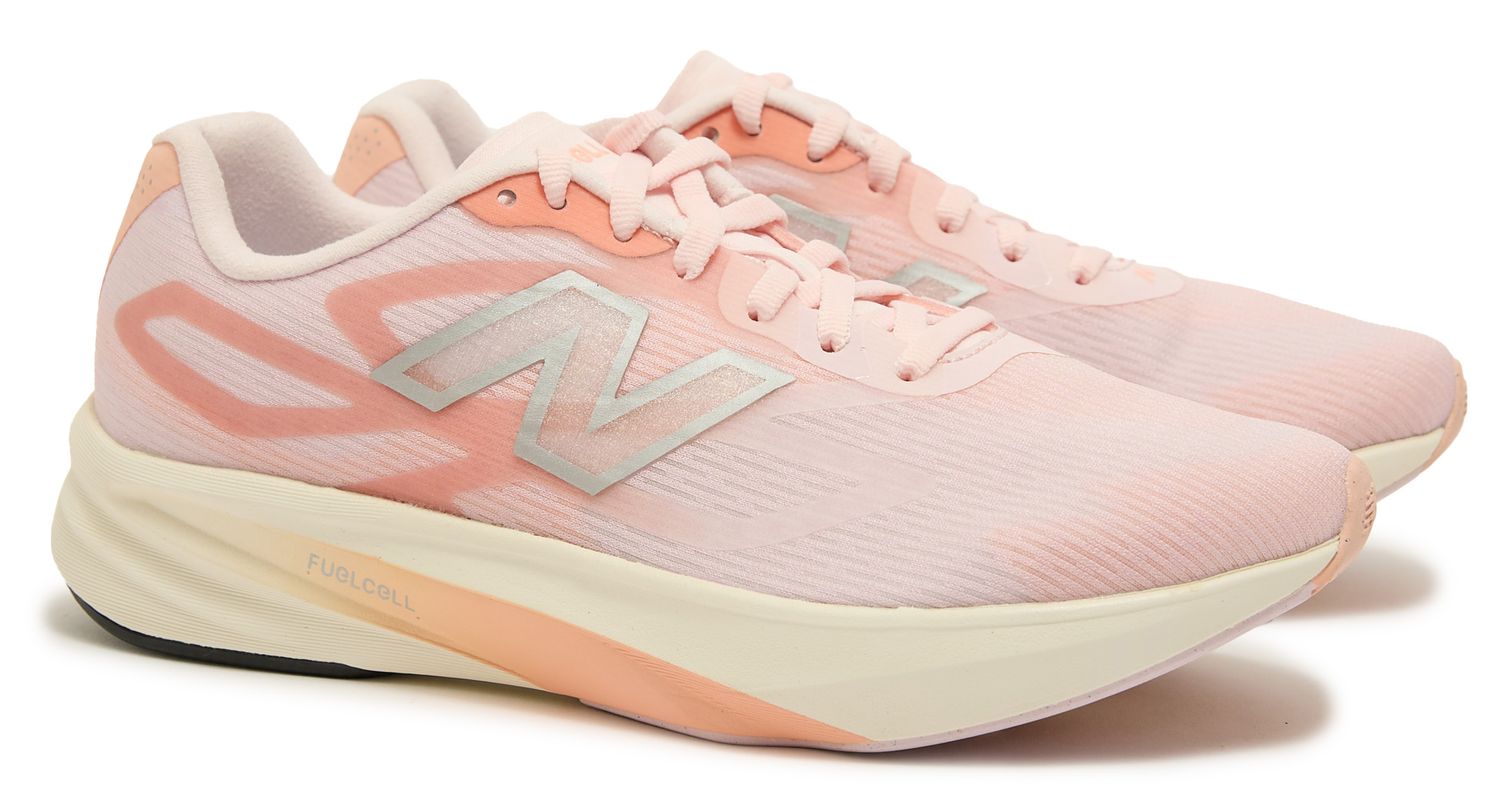
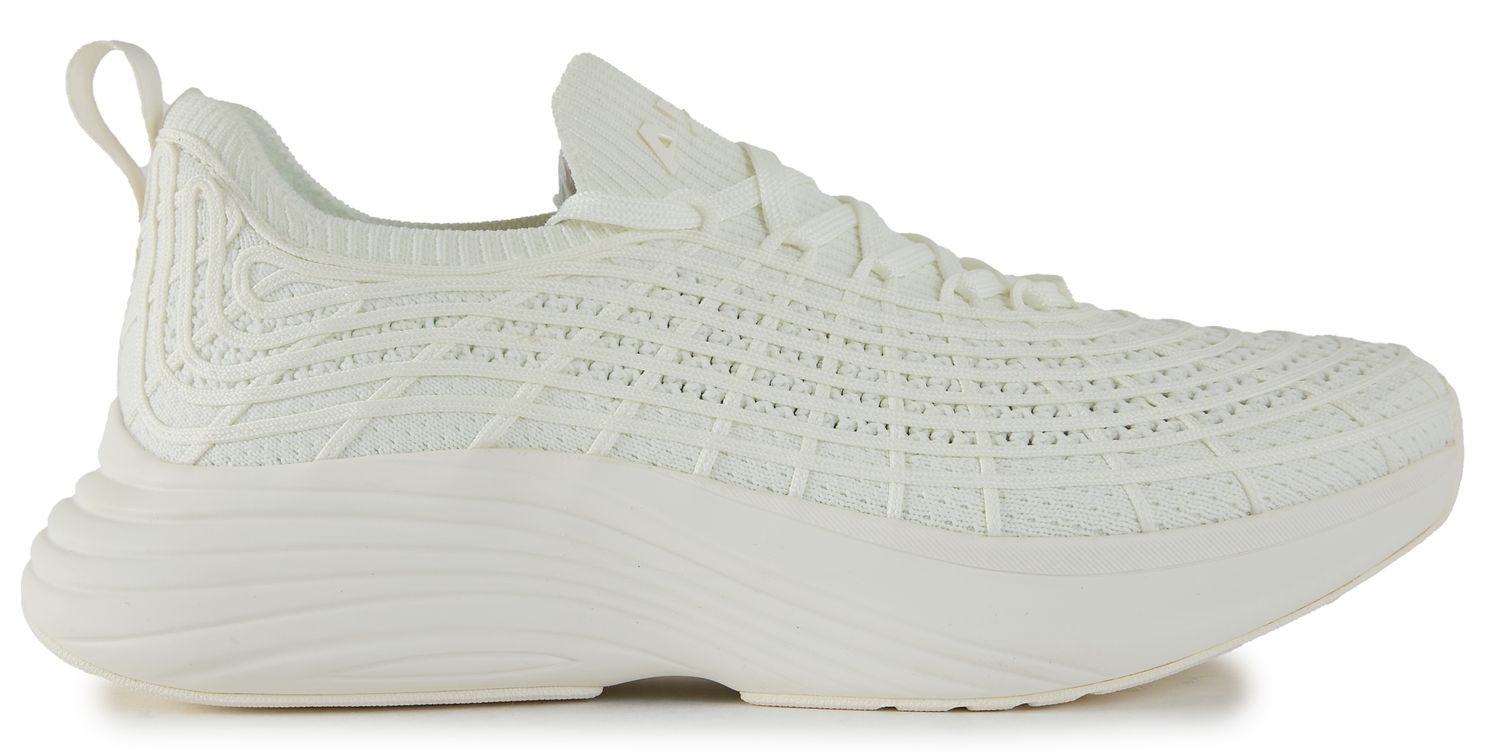
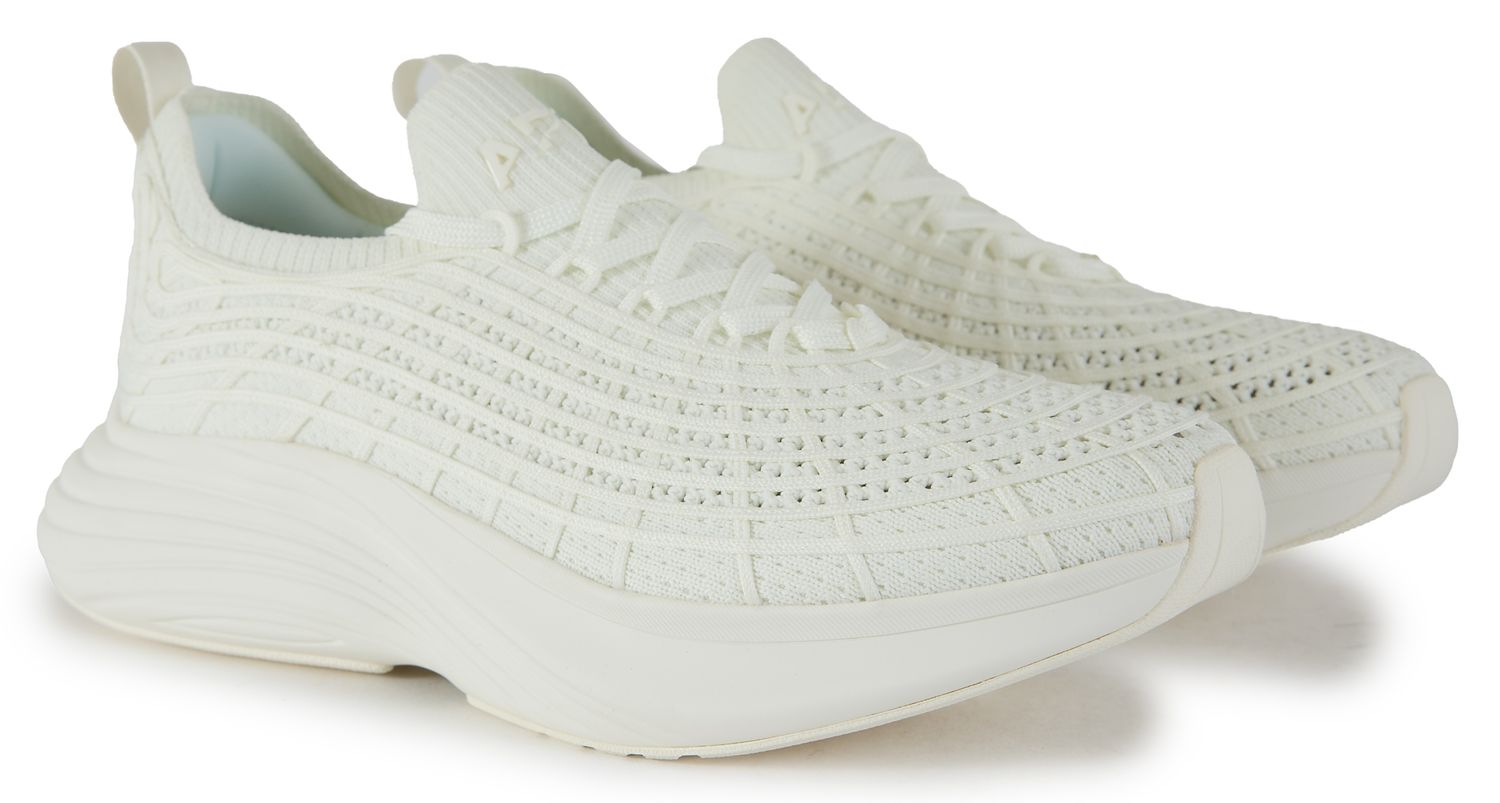
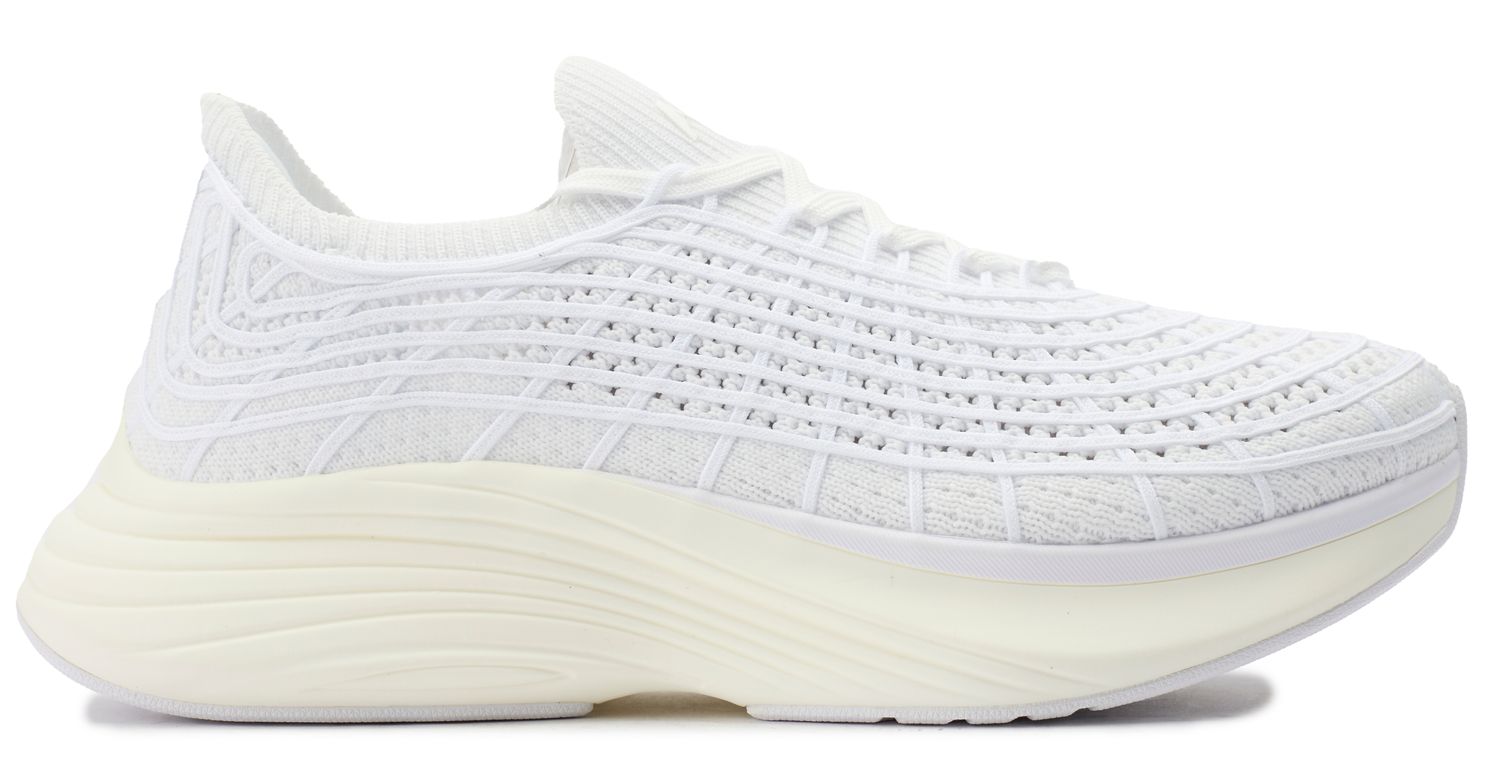
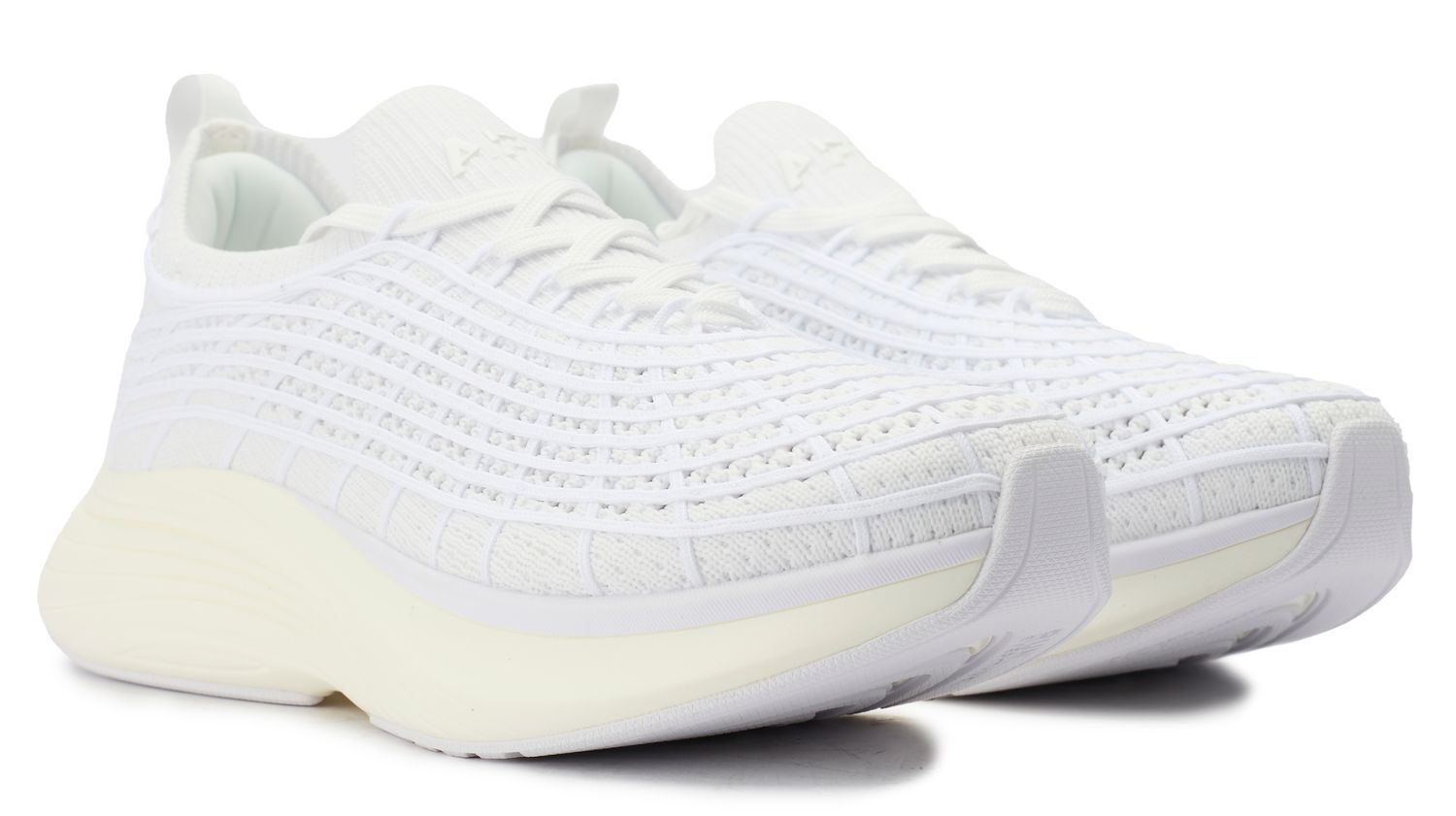
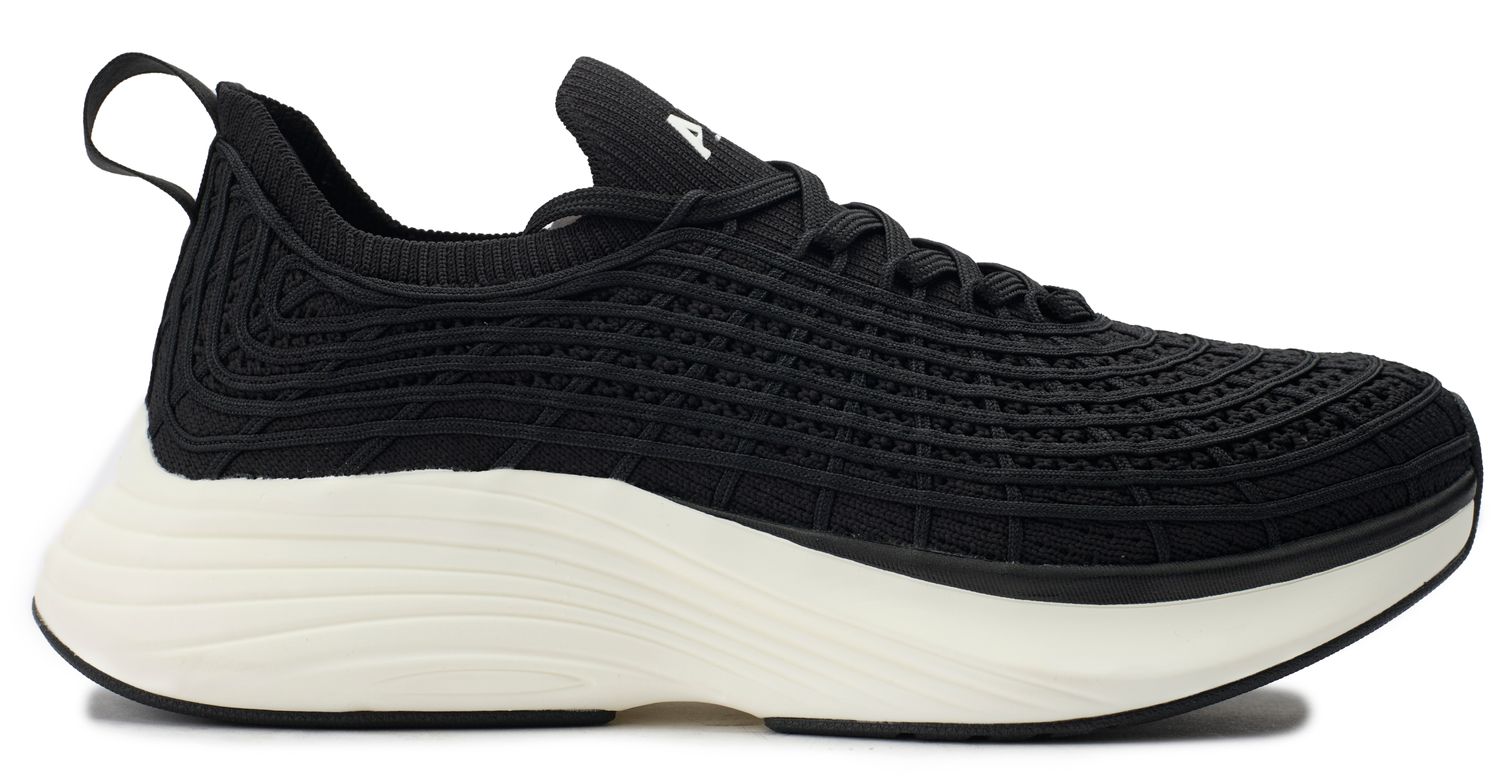
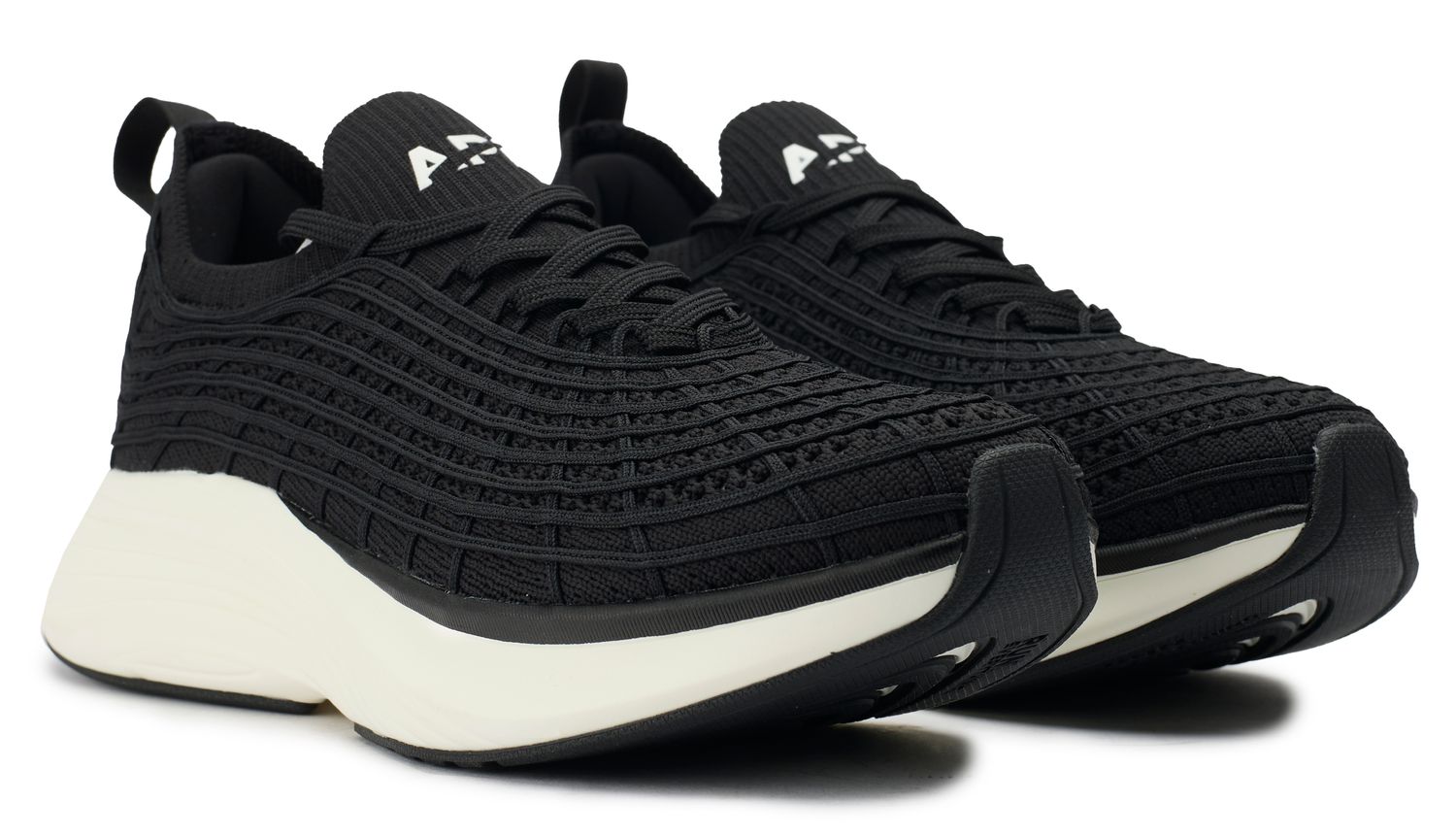
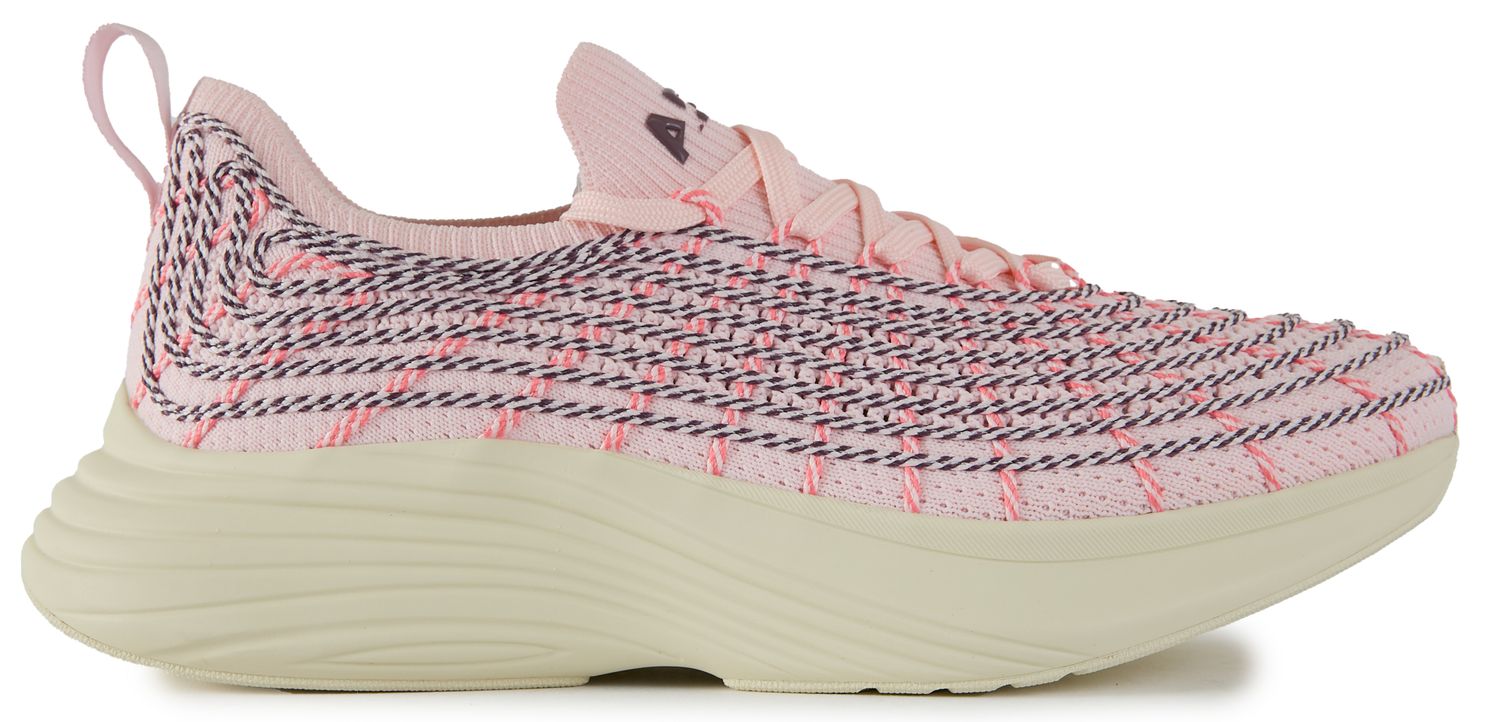
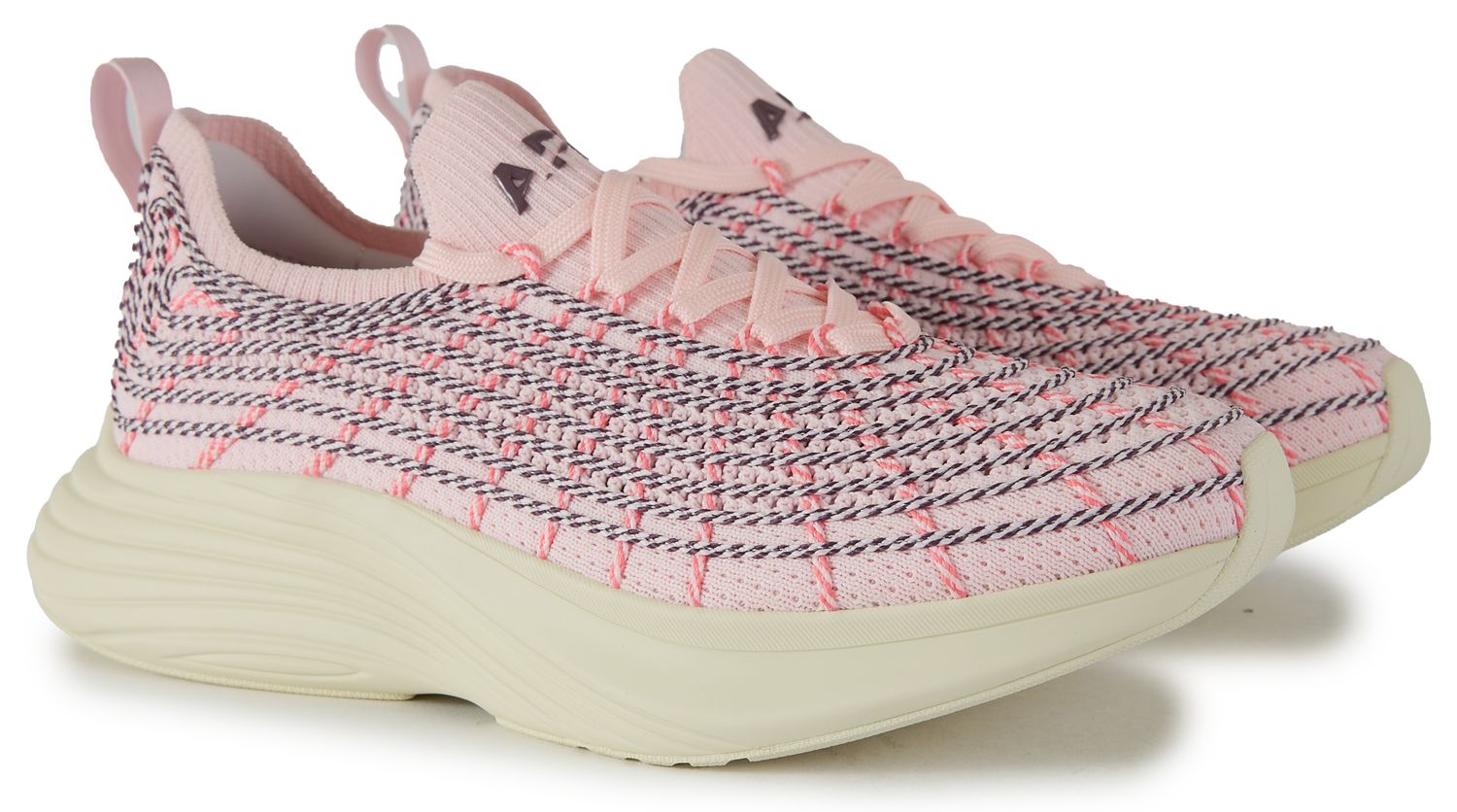
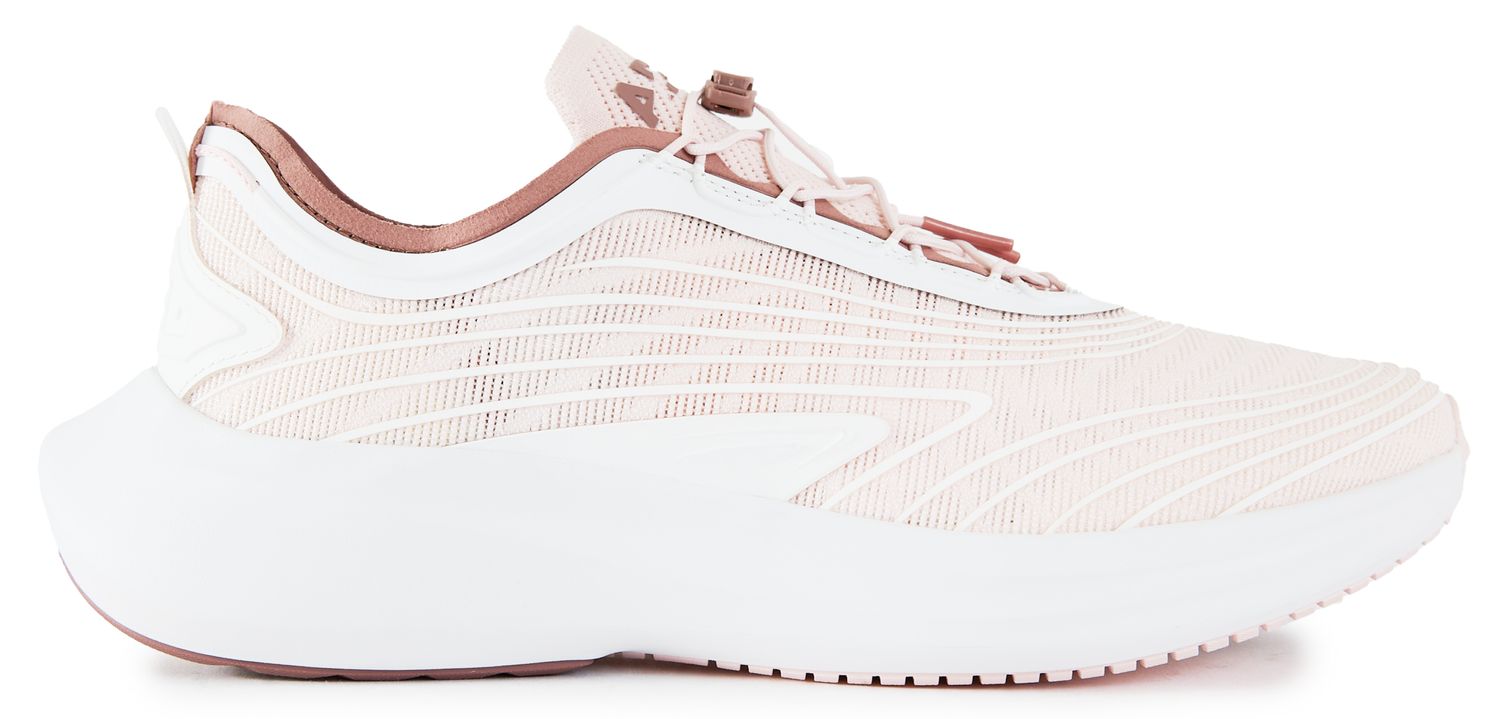
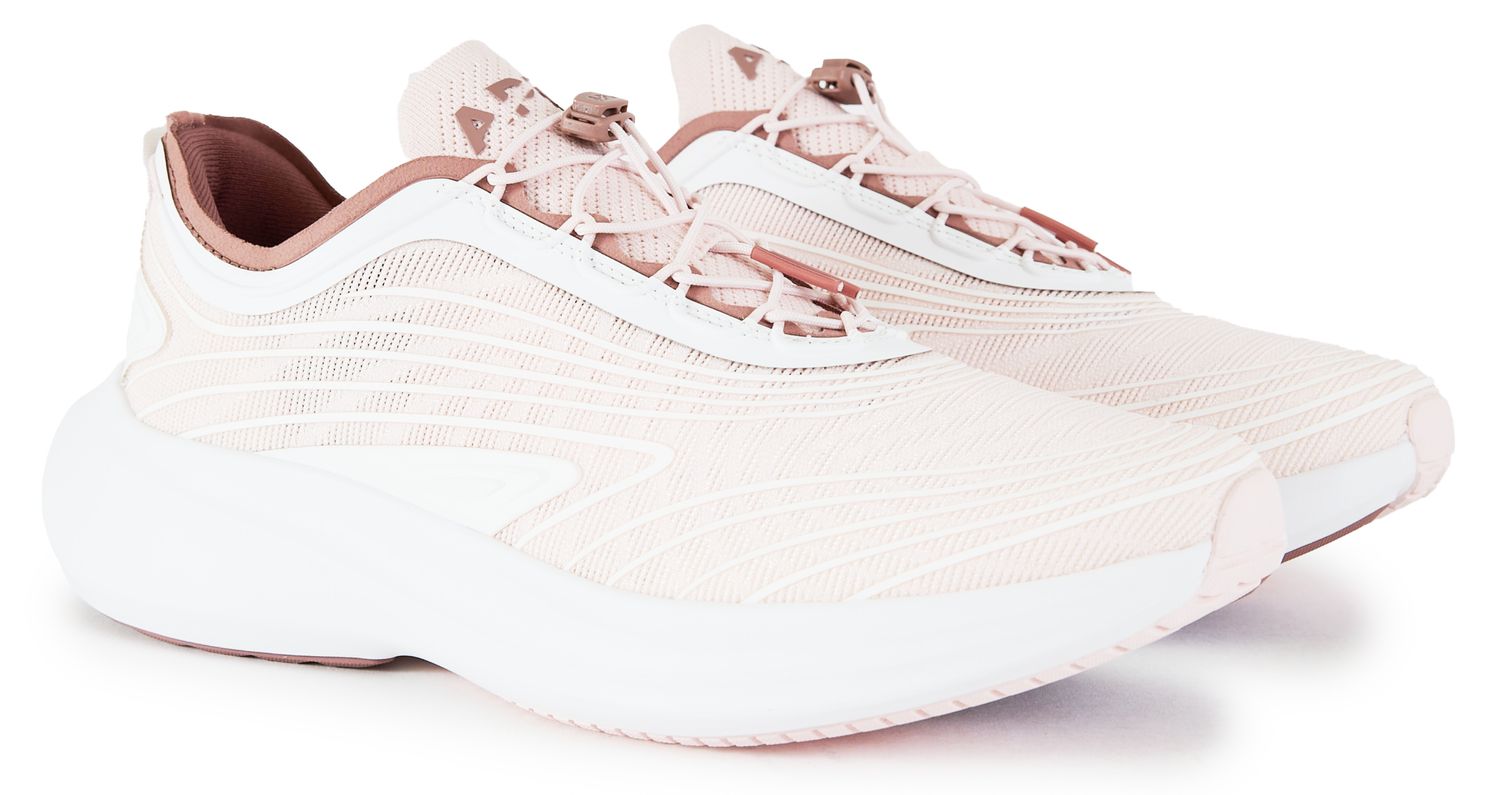
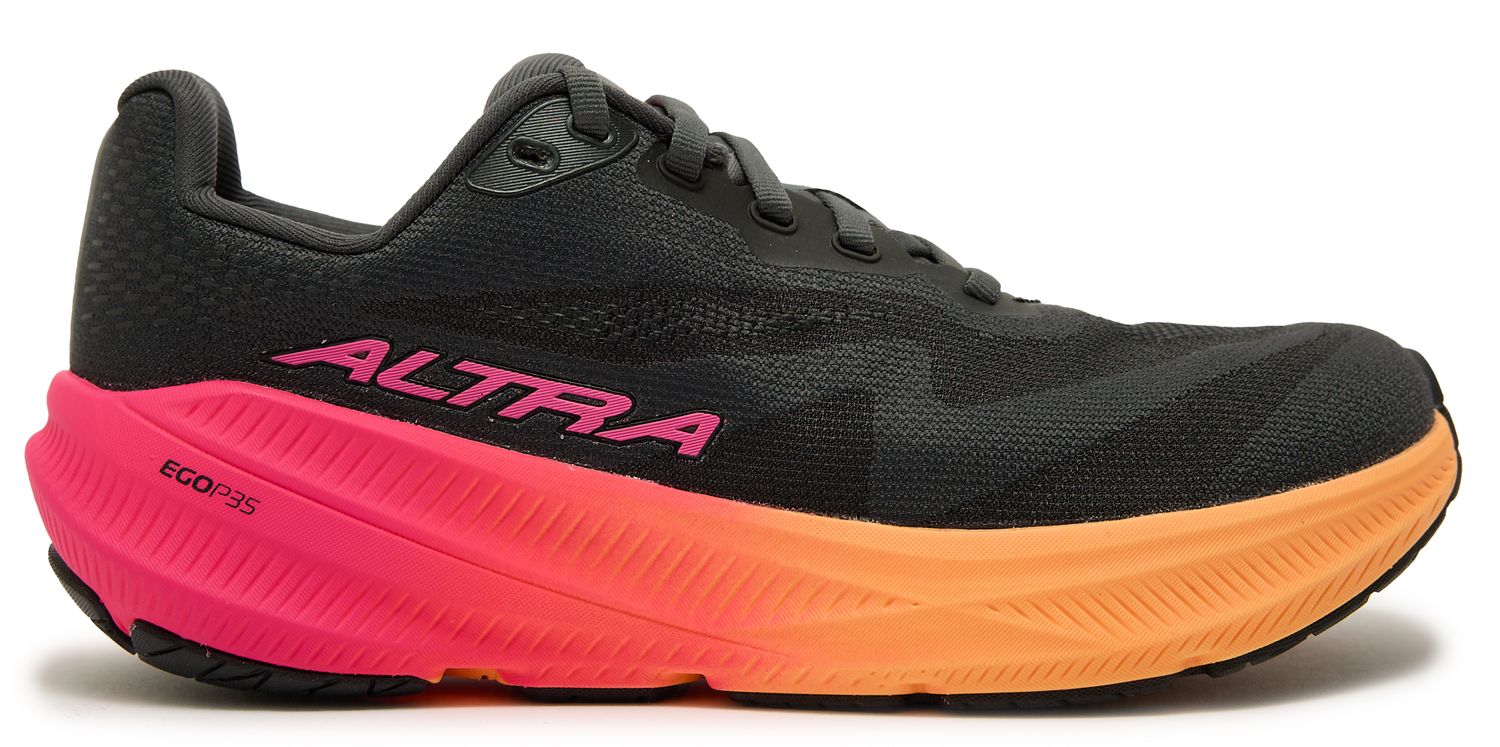
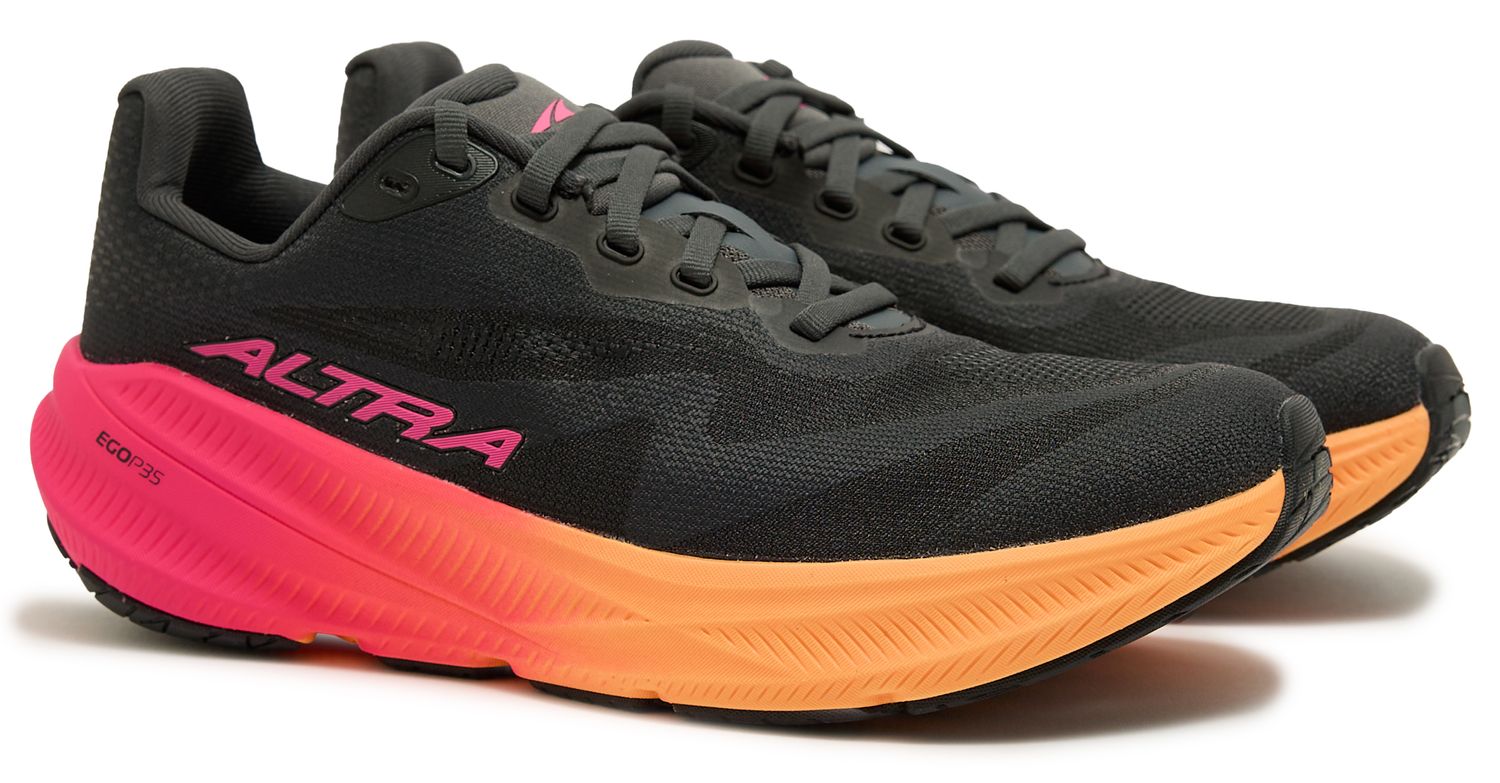
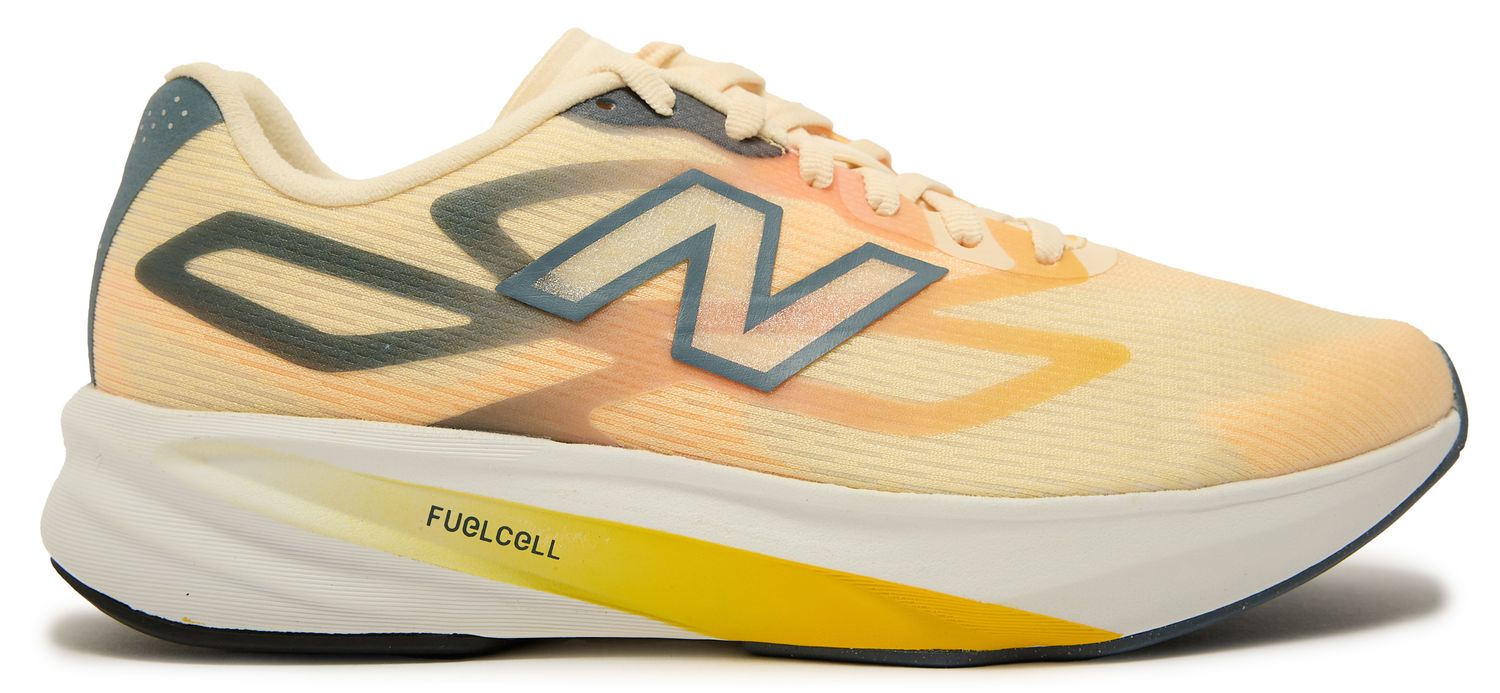
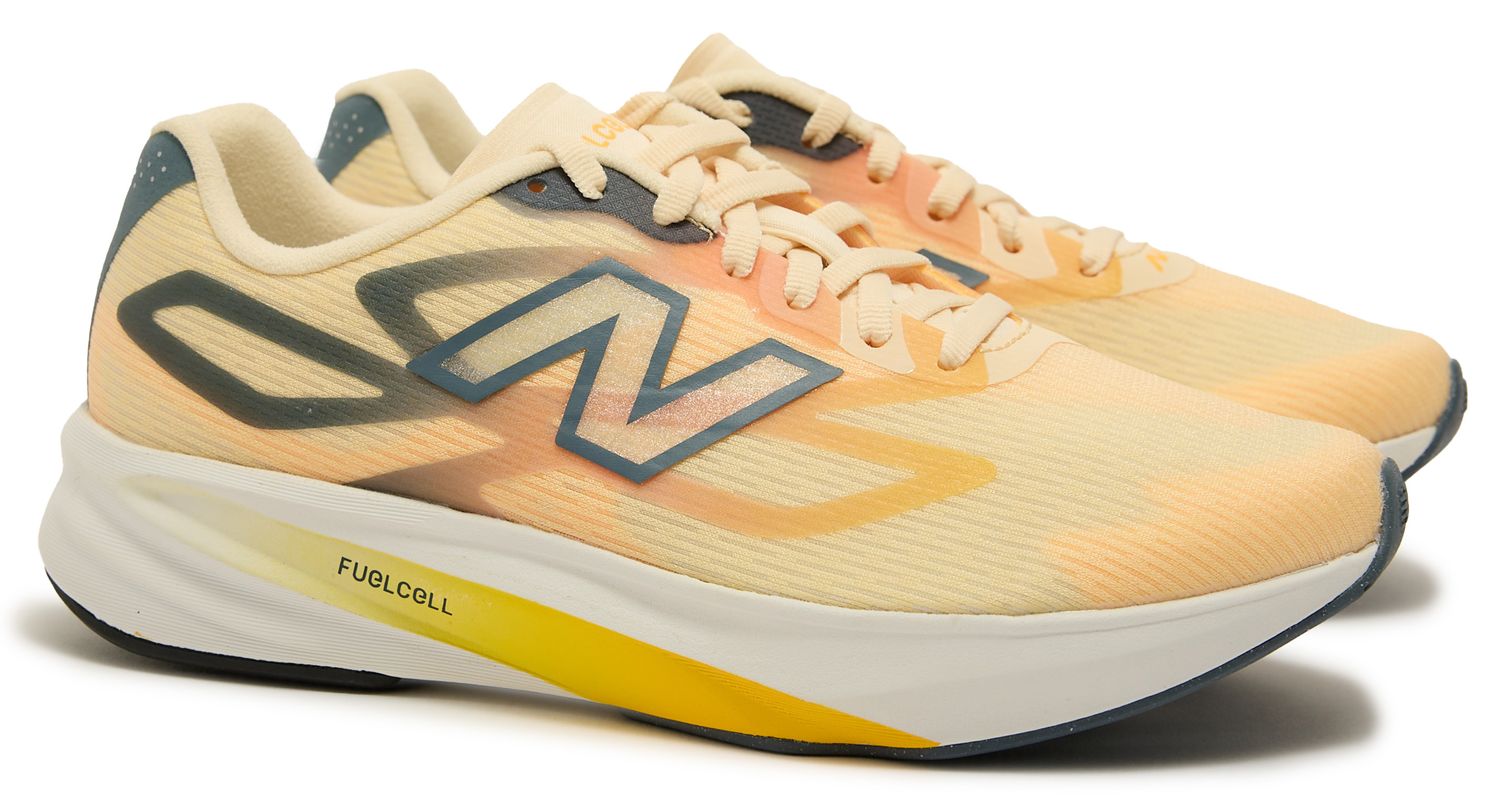
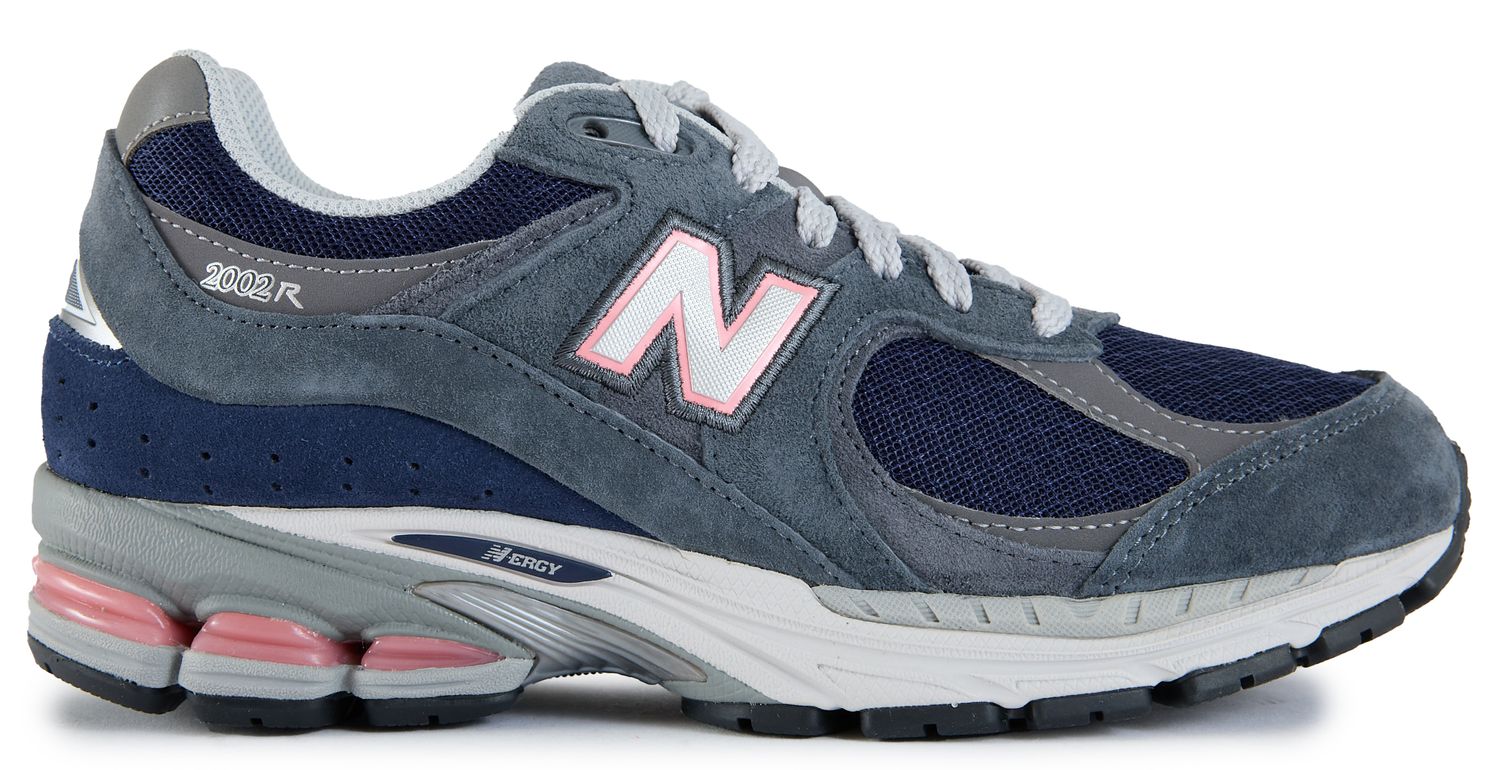
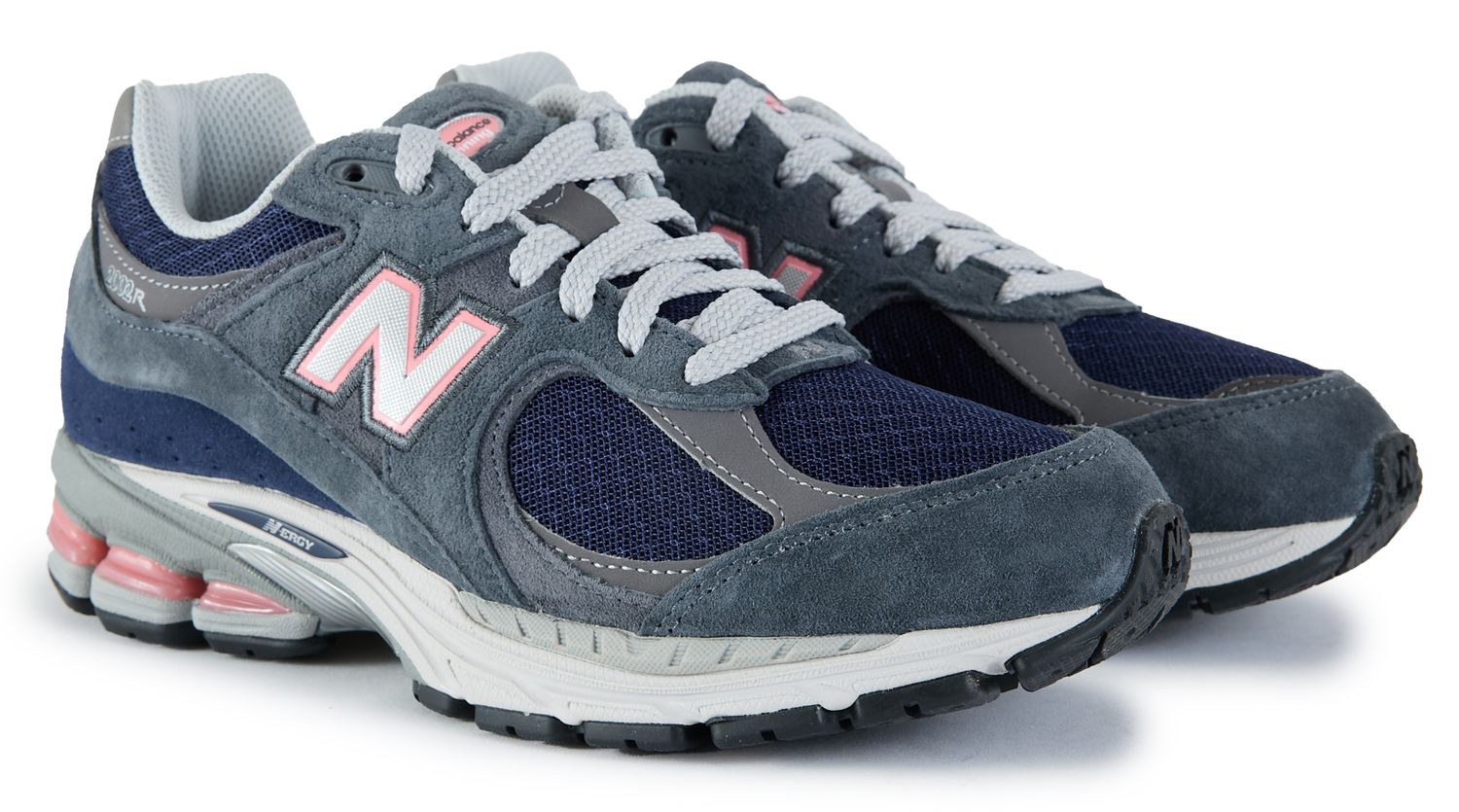
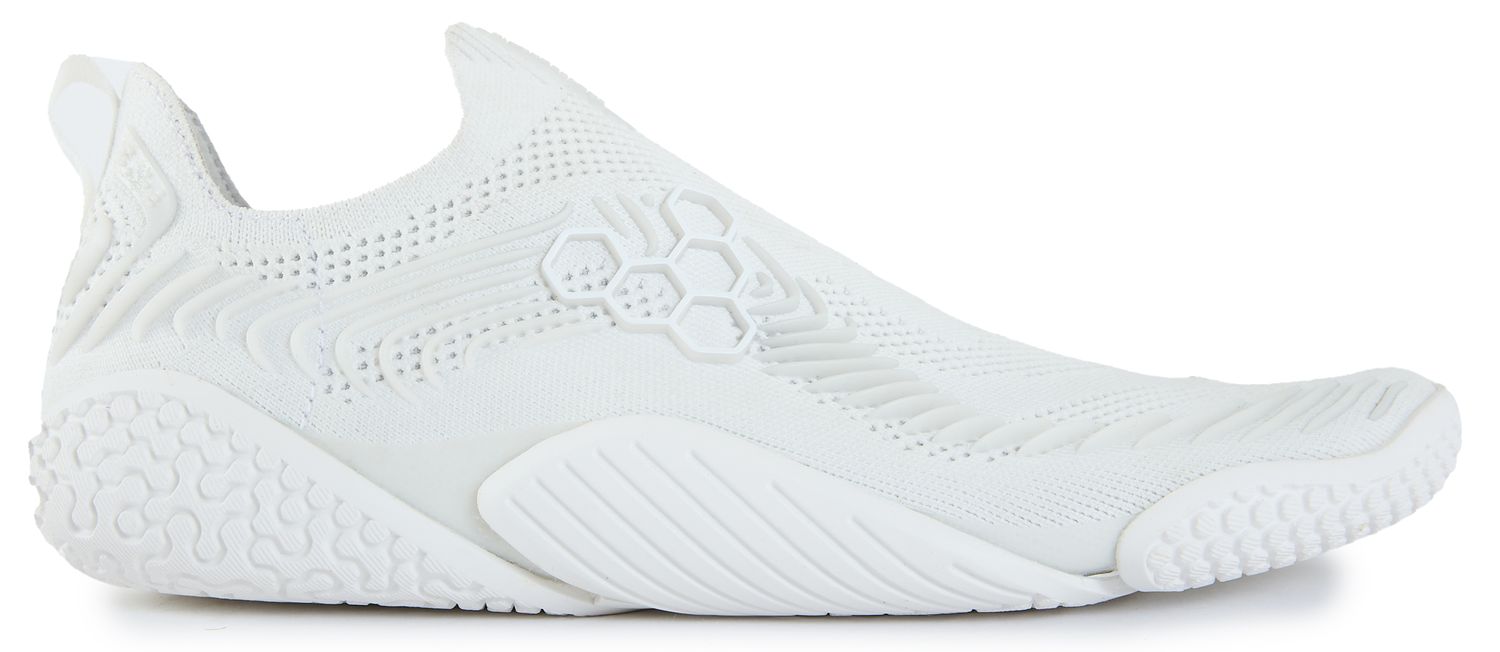
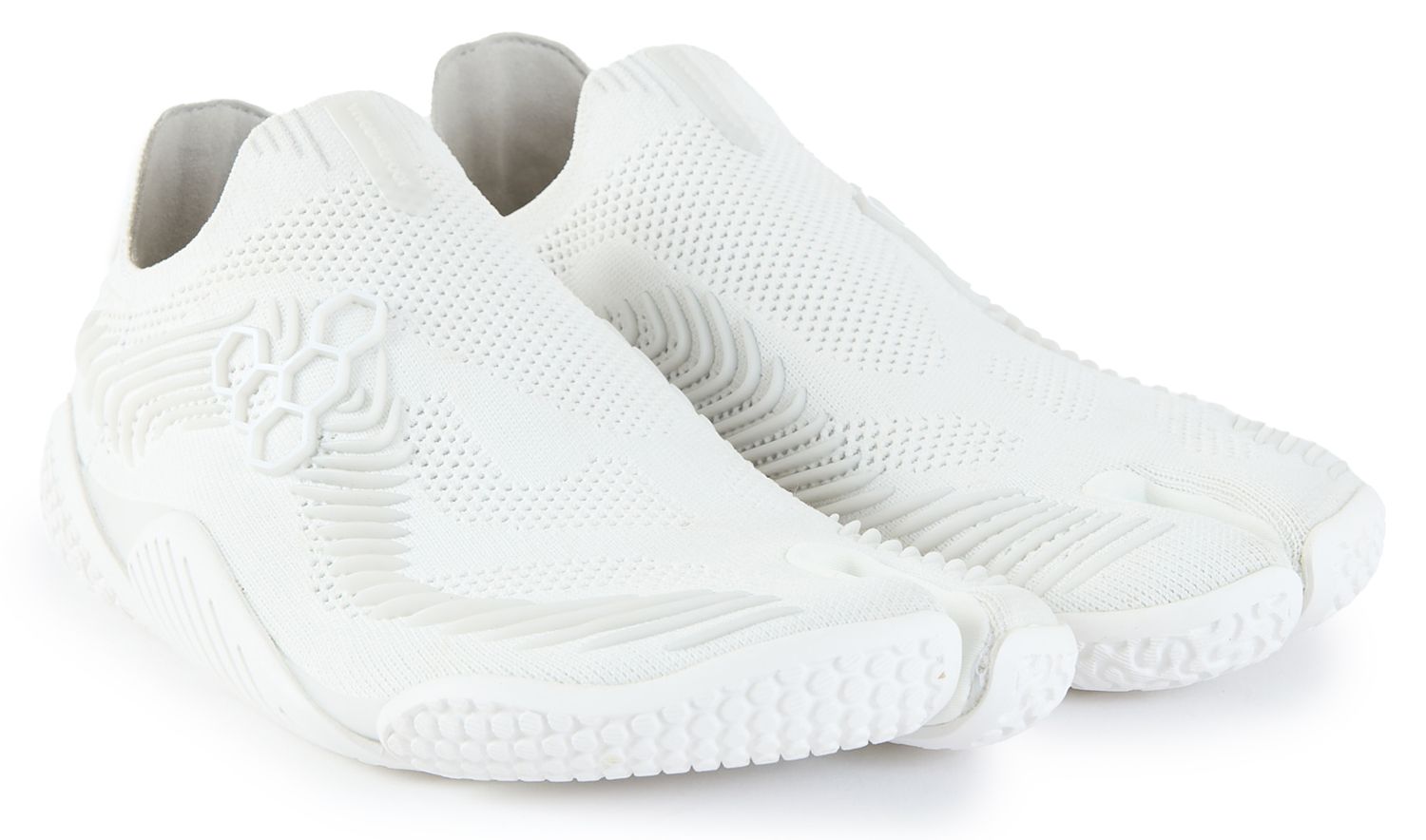
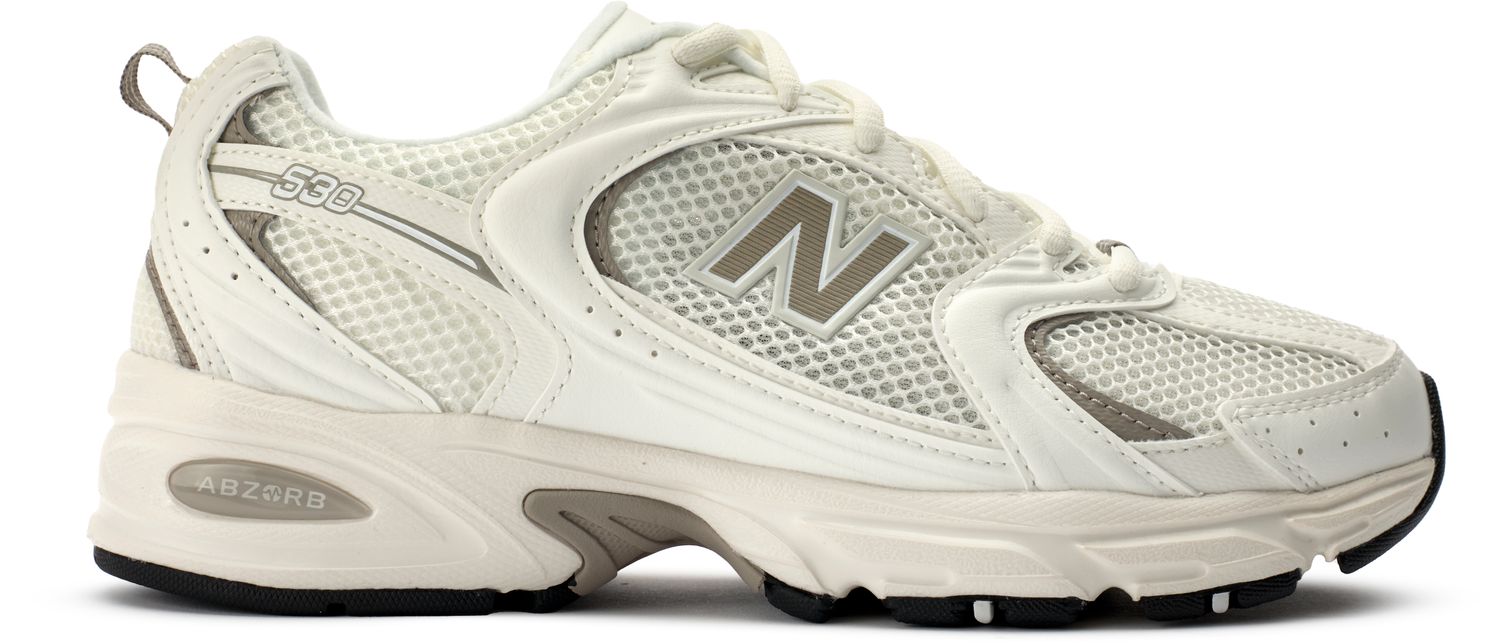
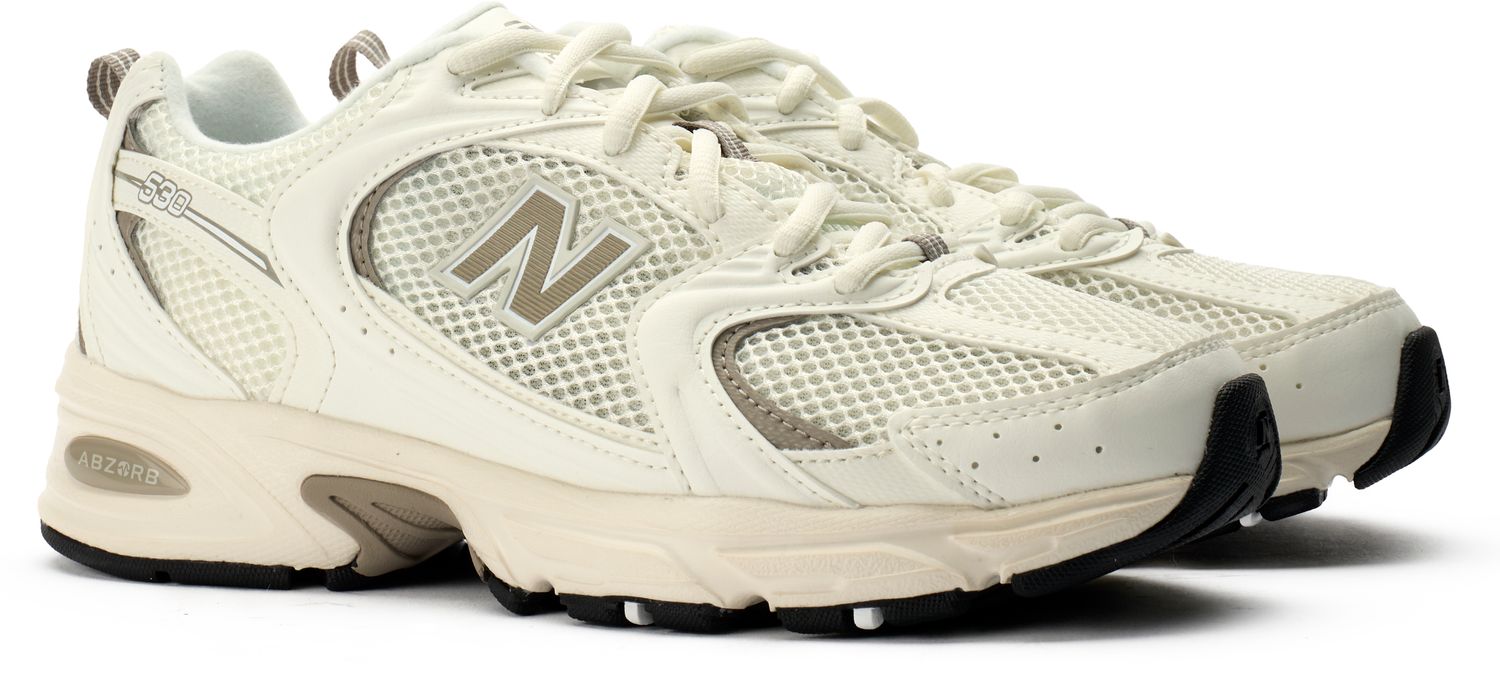
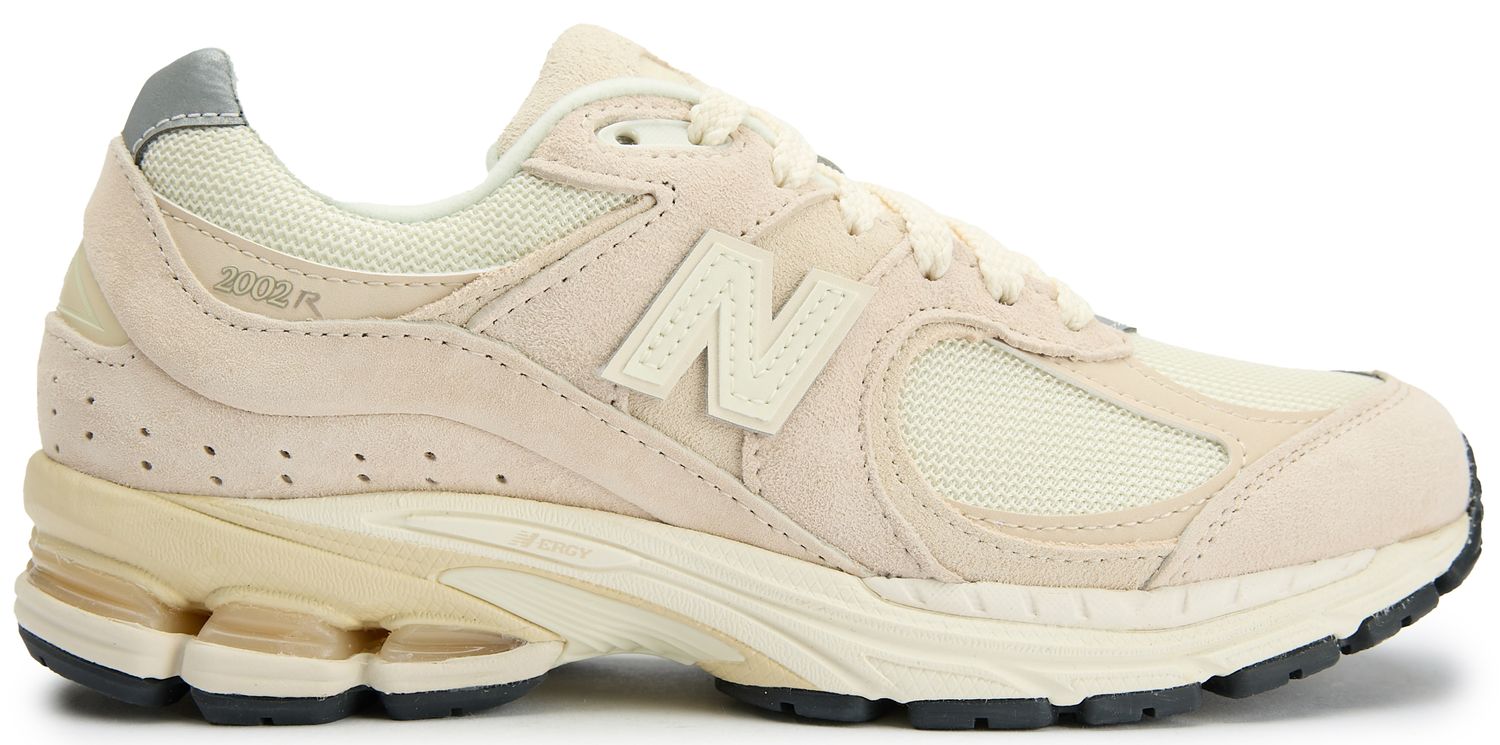
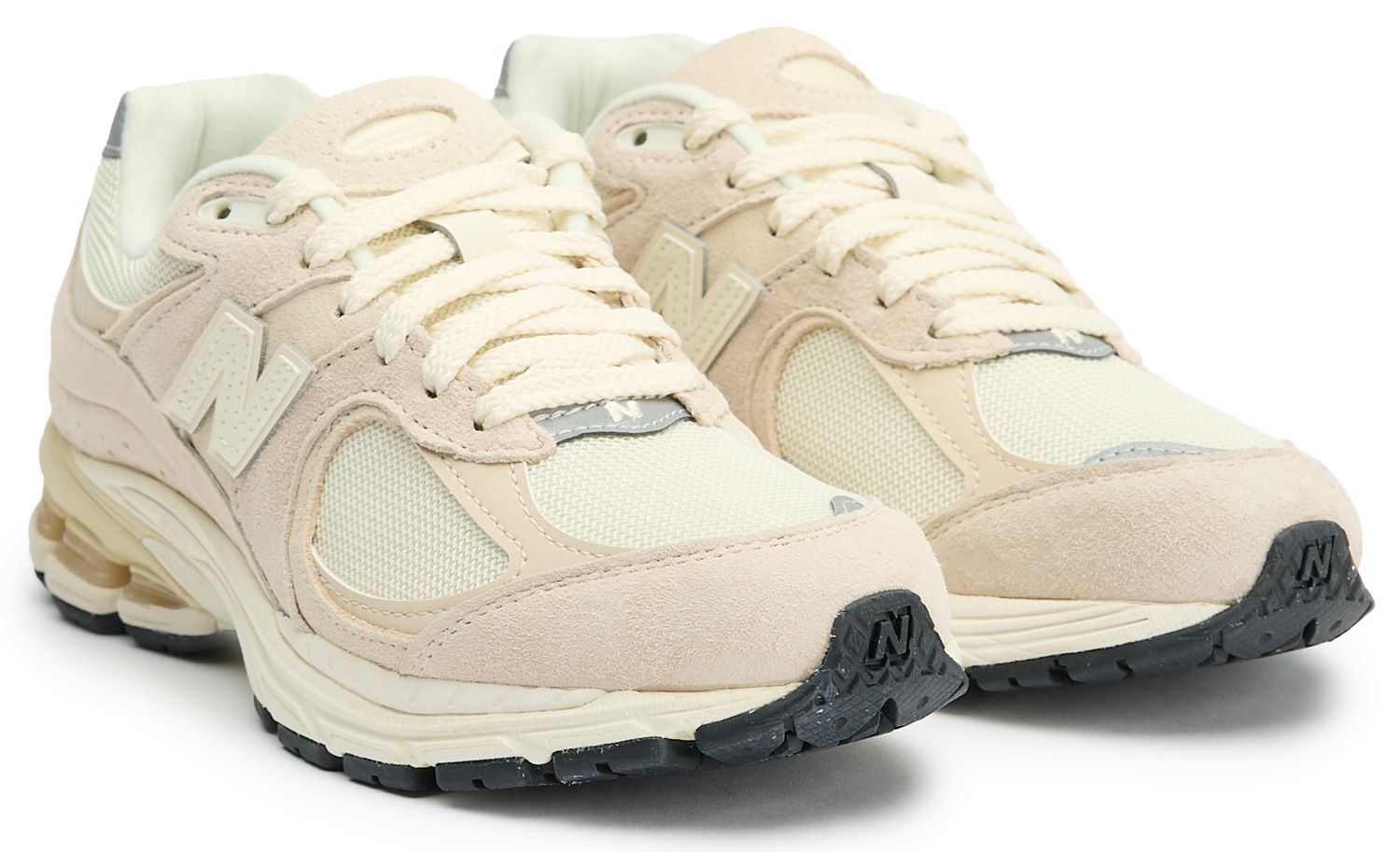
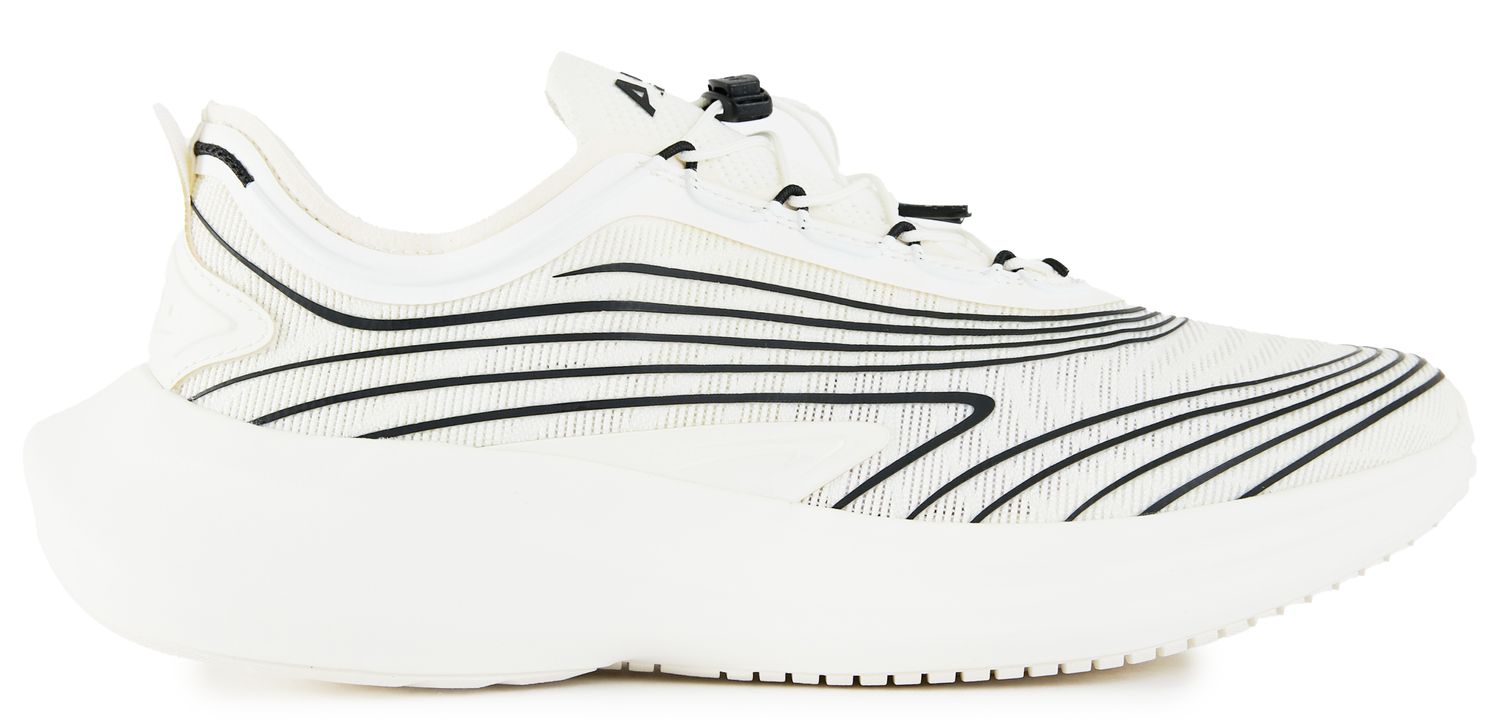
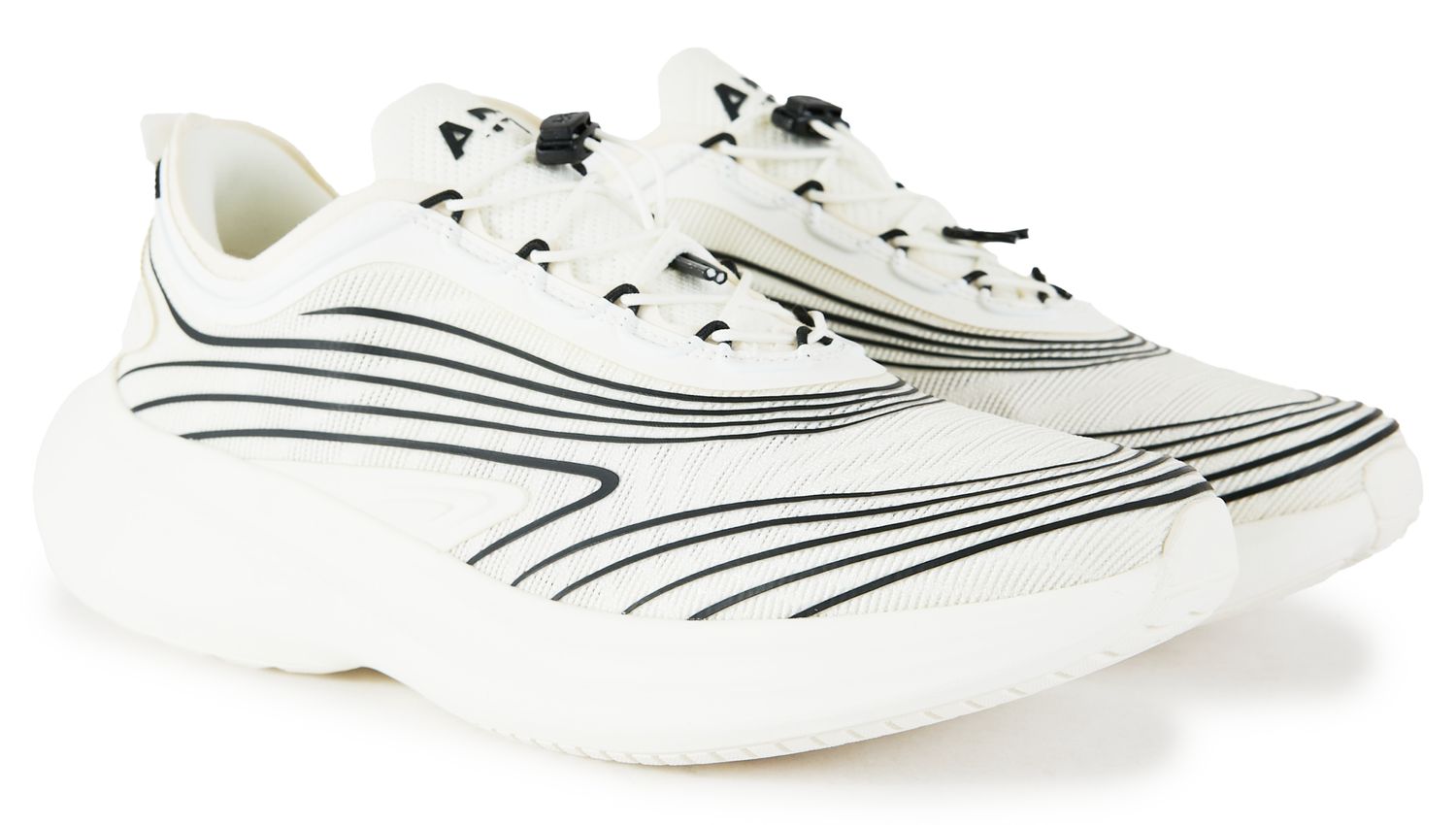
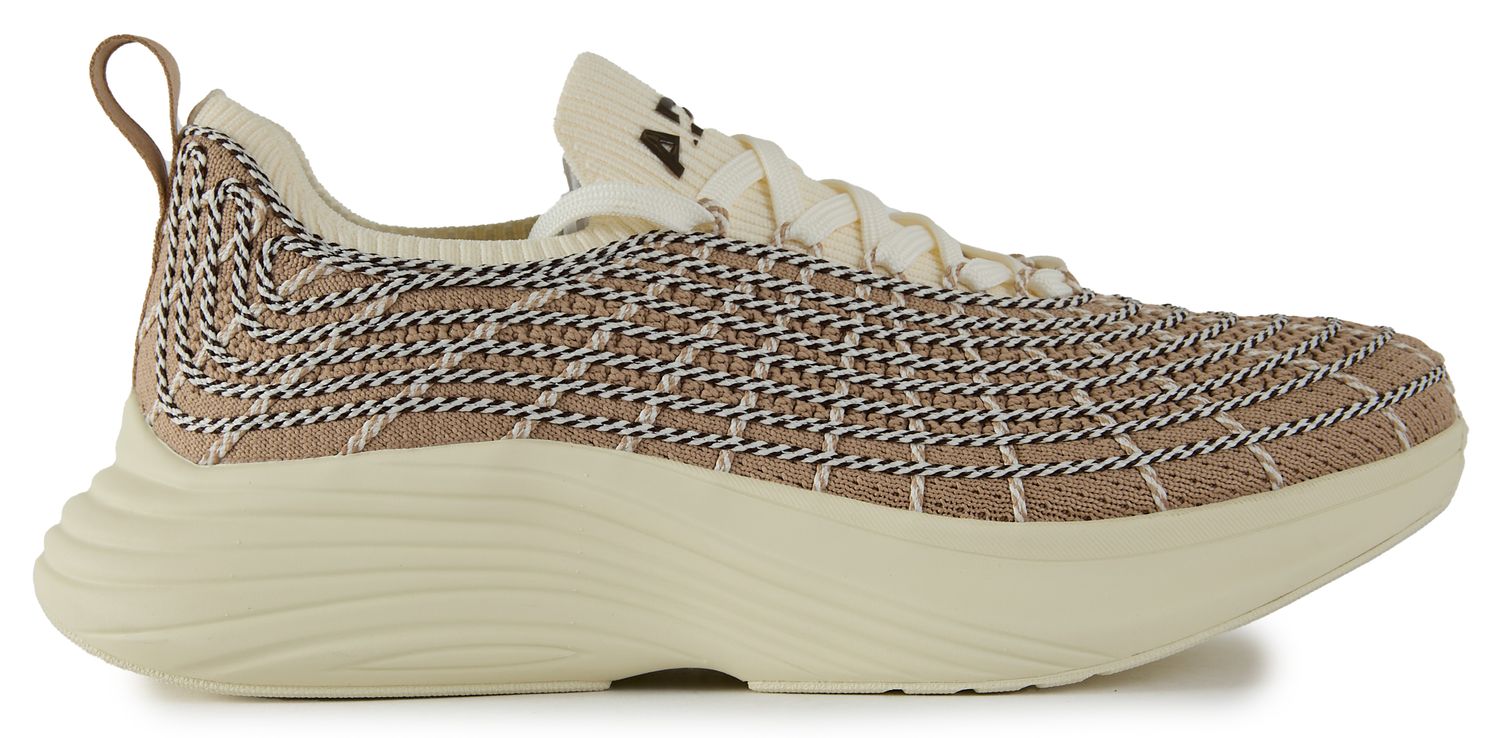
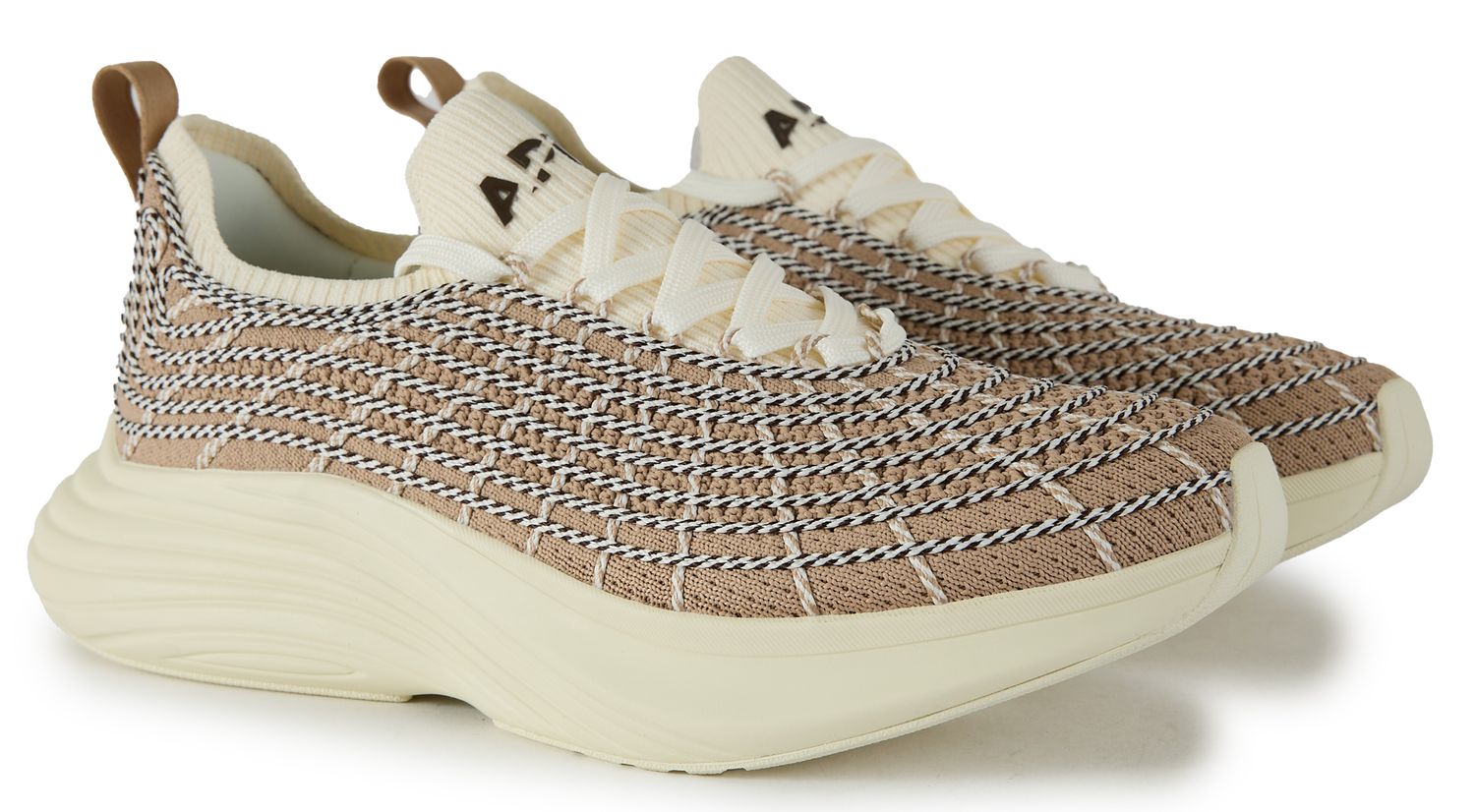
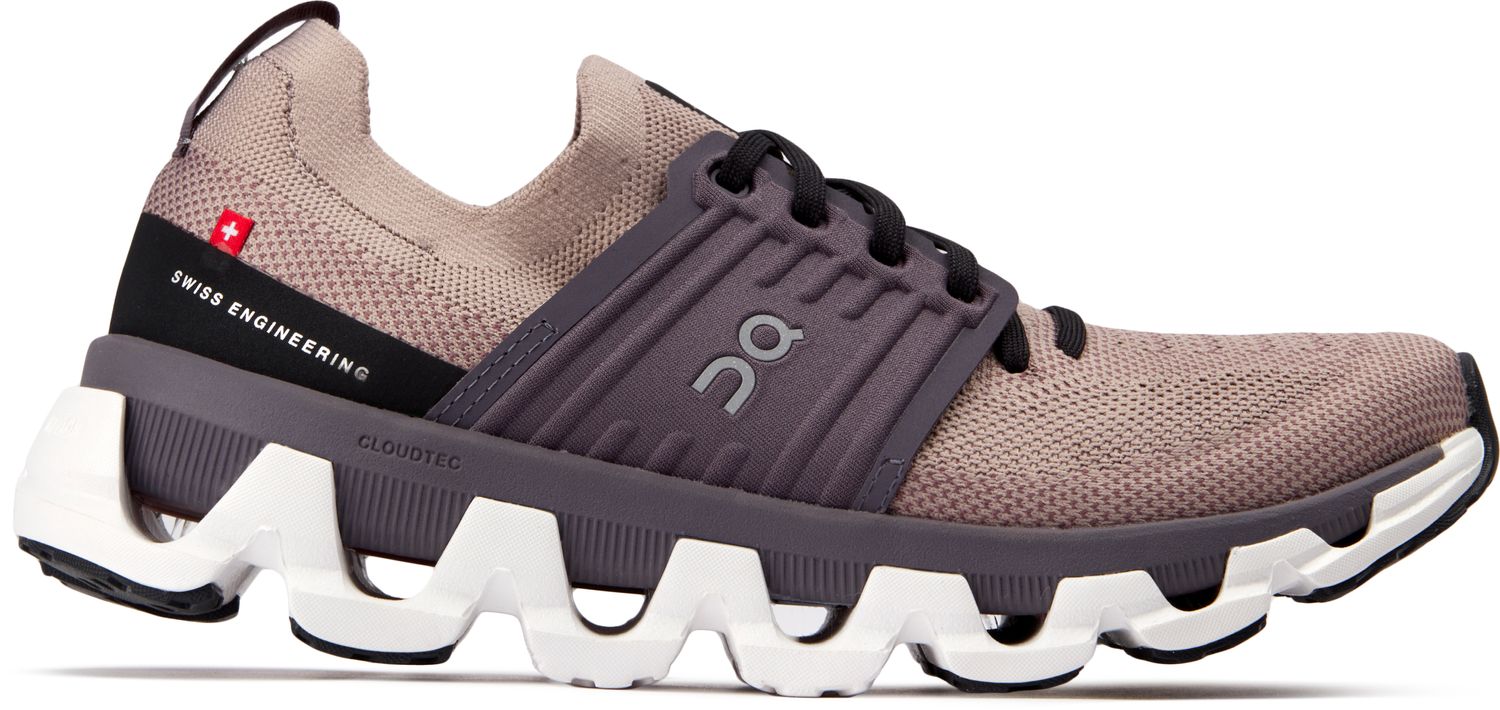
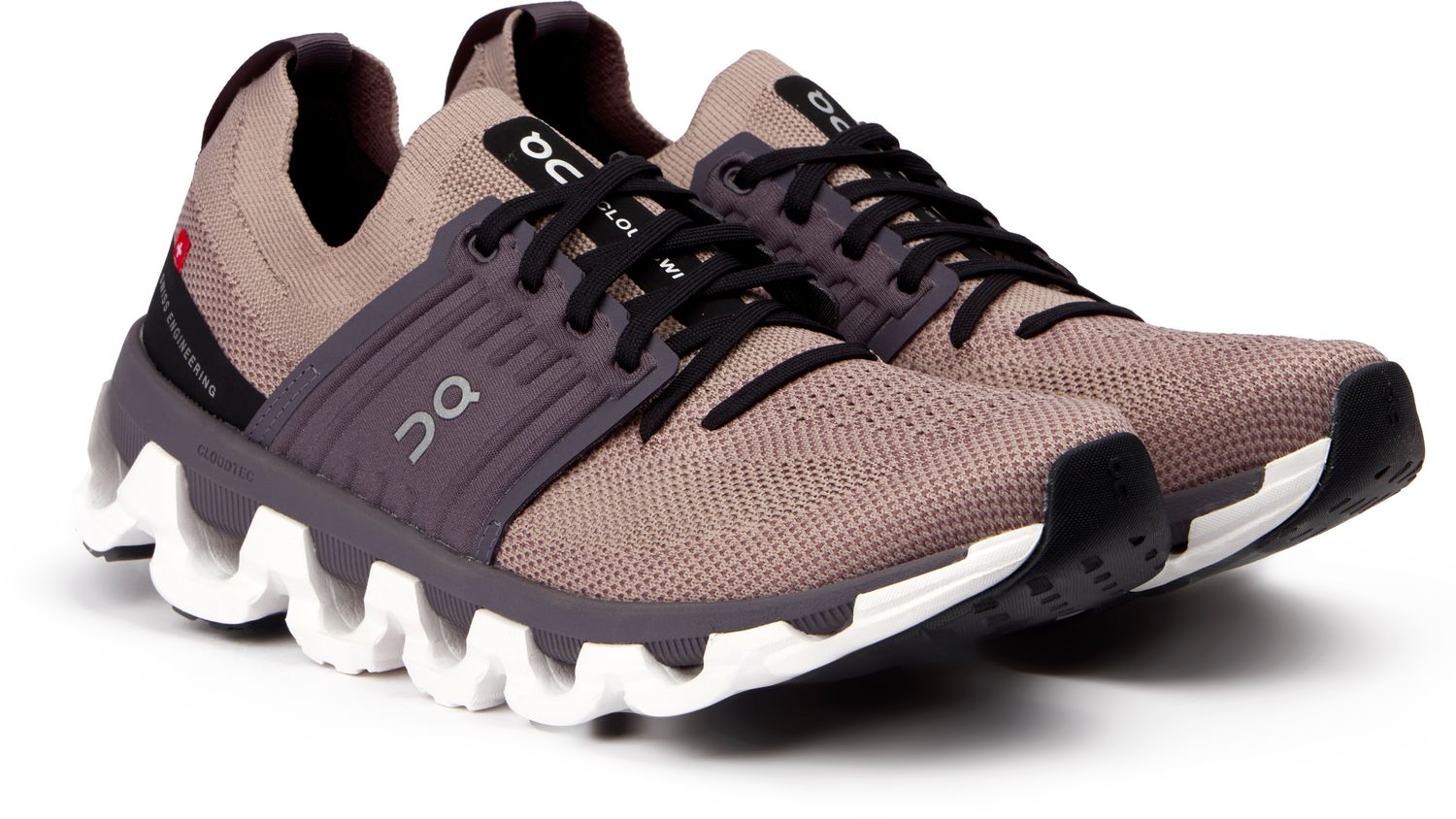
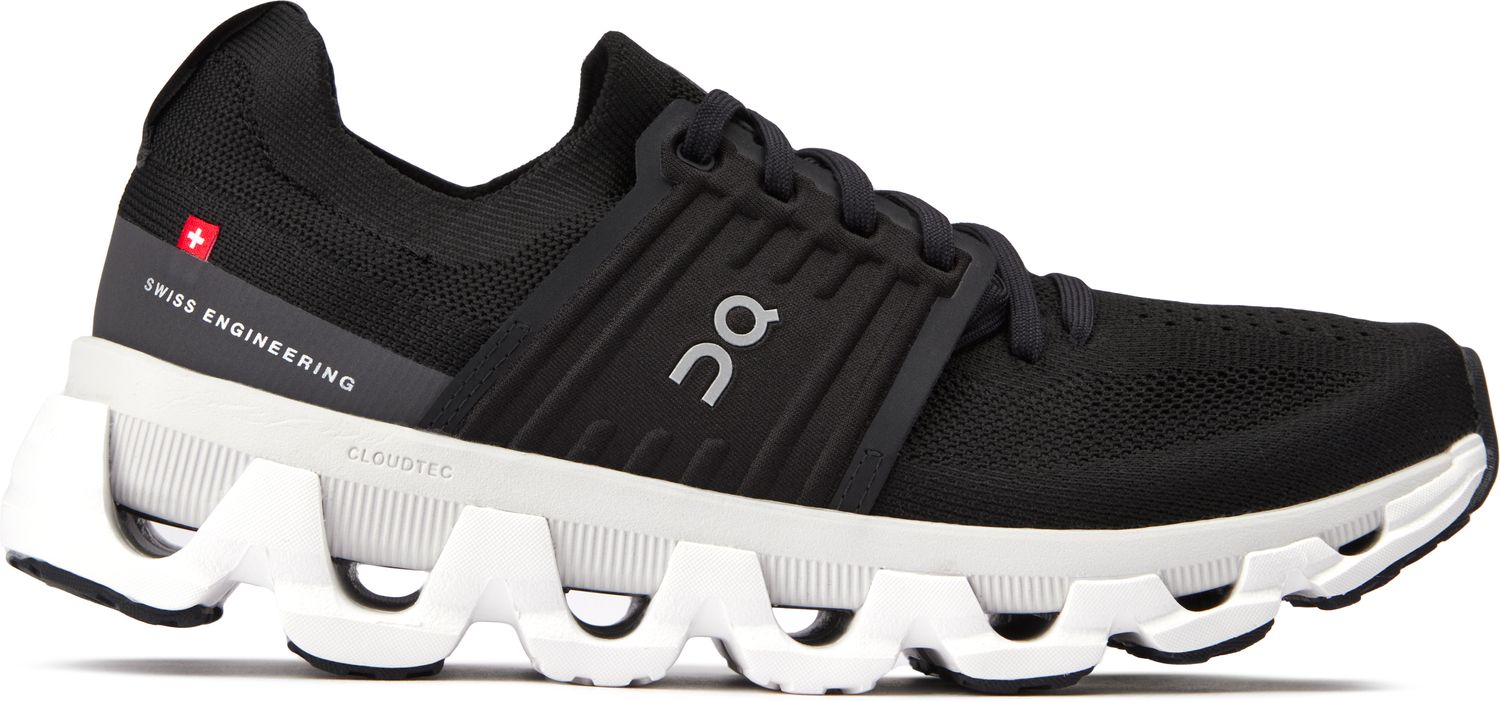
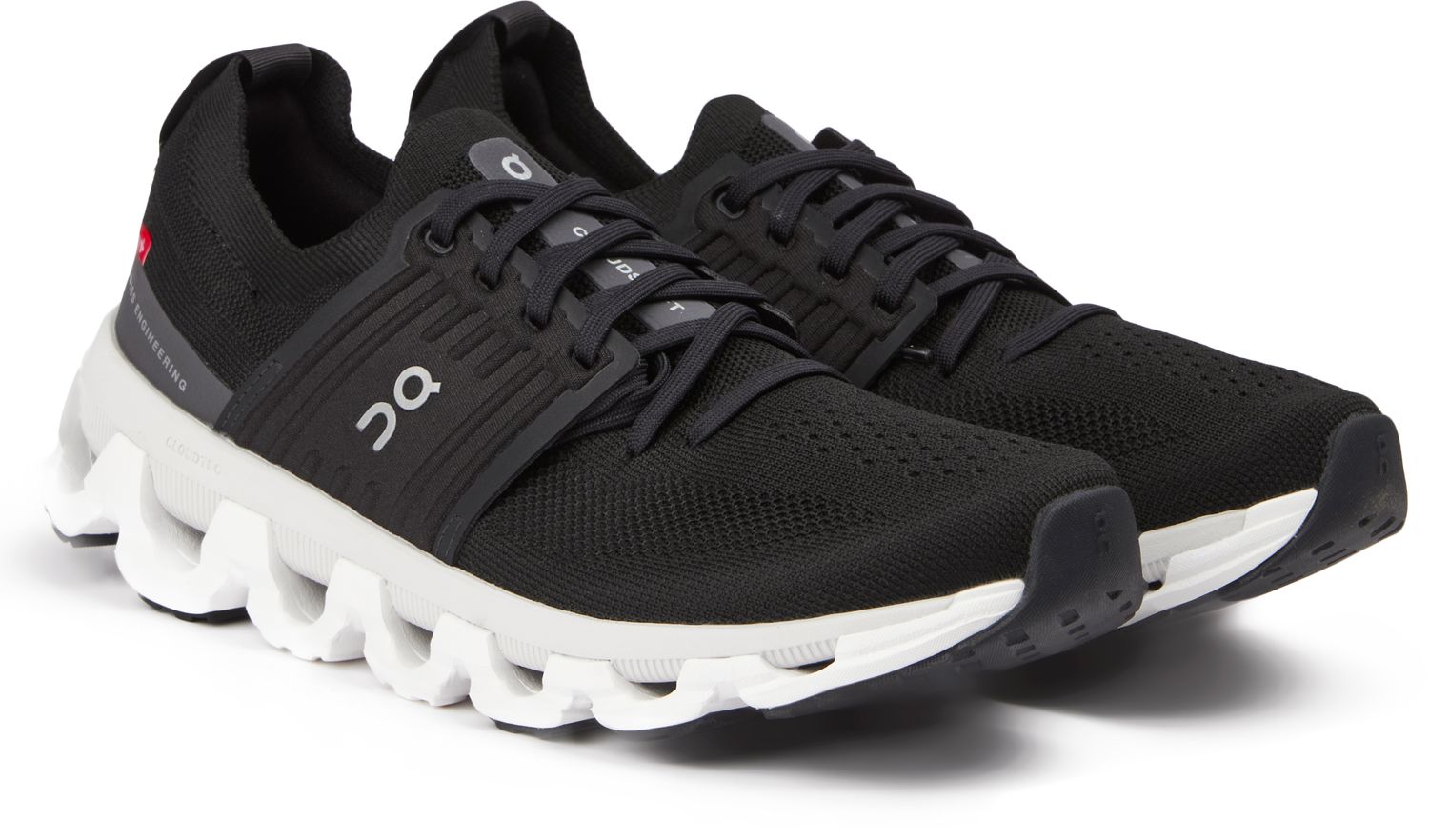
Women's Performance Sneakers
Running trainers demand more from construction than casual footwear, prioritising cushioning, support, and durability for repetitive impact over thousands of steps. Whether you're training for marathons, jogging through local parks, or simply need supportive footwear for fitness walks, proper running trainers protect joints whilst maximising comfort. Unlike fashion trainers focusing purely on aesthetics, running shoes incorporate technical features like responsive midsoles, breathable mesh uppers, and engineered support systems. Browse running-style trainers for everyday alternatives, explore casual trainers for relaxed wear, or discover black running options for versatile styling.
Soletrader partners with specialist running brands understanding biomechanics matters as much as materials. Asics pioneered gel cushioning systems absorbing impact whilst maintaining responsiveness. Hoka revolutionised running footwear with maximalist cushioning creating comfort without excessive weight. Brooks focuses exclusively on running, developing technologies addressing overpronation and providing stability. Saucony delivers responsive cushioning and adaptive fit systems. ON Running introduces CloudTec cushioning using hollow pods compressing on impact then springing back. The best running trainers match your specific needs rather than following trends. Neutral runners benefit from cushioned flexibility, whilst overpronators require medical support. High arches need extra cushioning, flat feet demand stability features. Complete your wardrobe with pieces from women's apparel or explore women's sandals for recovery.
Women's Running Trainers FAQs
Understanding running trainers helps you choose appropriate pairs. Whether you're wondering about features, replacement timing, or care, we've answered the common questions.
What makes running trainers different from regular trainers?
Running trainers incorporate specific technologies addressing repetitive impact forces. Cushioning systems absorb shock protecting joints, midsole materials provide energy return, and engineered mesh uppers offer targeted breathability. Heel counters stabilise ankles preventing excessive movement. These technical features deliver genuine performance benefits for actual running activities. For walking and general fitness without running impact, women's trainers offer adequate support at lower prices.
How often should I replace running trainers?
Replace running trainers every 300-500 miles depending on your weight, running style, and surface preferences. Heavier runners and those landing heavily on heels wear shoes faster. Watch for worn tread patterns, compressed midsoles no longer springing back, and upper materials showing deterioration. Track mileage using running apps ensuring timely replacement. For everyday comfort requiring less technical performance, explore women's shoes offering longer lifespan.
Should running trainers feel tight or loose?
Running trainers need thumb-width space between longest toe and shoe end, as feet swell during runs. Too tight causes black toenails, too loose creates blisters. The midfoot should feel snug without pressure points, heel secure without slipping. Try trainers late afternoon when feet are naturally swollen, wearing running socks you'll actually use. For casual comfort without performance demands, loafers accommodate feet more generously.
Can I use running trainers for gym workouts?
Running trainers work adequately for cardio machines but perform poorly for weightlifting. The cushioning designed for forward motion feels unstable when lifting heavy weights. For gym sessions mixing cardio with strength training, cross-training shoes offer better versatility. For varied fitness activities, explore court trainers providing flatter, more stable platforms.
Do I need different trainers for road and trail running?
Road trainers prioritise cushioning for hard surfaces with smoother outsoles. Trail trainers offer aggressive tread patterns gripping loose surfaces and reinforced uppers resisting abrasion. Frequent trail runners benefit from dedicated trail shoes. Occasional trail runners managing easy paths can use road trainers acceptably. For hiking requiring more robust protection, proper outdoor boots provide superior ankle support.
How do I clean running trainers?
Remove insoles and laces before cleaning, hand washing with mild soap and soft brush rather than machine washing. Focus on mesh areas where dirt accumulates, working gently. Rinse thoroughly and stuff with newspaper whilst air drying away from direct heat. Clean outsoles regularly preventing mud build-up. Replace insoles periodically as they compress faster. For footwear requiring less maintenance, boots constructed from durable leather withstand rougher treatment.